
Best Materials for Durable Boots
This post contains affiliate links. As an Amazon Associate, we earn from qualifying purchases.
When seeking durable boots, prioritize materials such as leather, rubber, suede, synthetic options, and polyurethane midsoles. Leather offers toughness and comfort as it molds to your feet, while rubber excels in waterproofing and grip with minimal maintenance. Suede adds a stylish touch but requires more care. Synthetic boots are budget-friendly and easy to clean, although they may not last as long. For added comfort, look for polyurethane midsoles that provide excellent support and shock absorption. Further details and insights will follow to help you make an informed choice.
Essential Facts in 30 Seconds
- Full-grain leather is the most durable boot material, providing strength and comfort over time.
- Rubber boots are waterproof and chemical-resistant, suitable for wet conditions.
- Suede offers a luxurious feel but is less durable and requires more maintenance.
- Synthetic materials are cost-effective and easy to clean but have a shorter lifespan than natural materials.
- Polyurethane midsoles improve comfort and shock absorption, enhancing durability for long wear.
Leather: The Timeless Choice for Durability
Durable boots often have leather as a top choice. Leather is strong and lasts a long time. Its tightly packed fibers help resist damage. Full-grain leather is the best type for durability. It keeps its natural look and fights dampness and wear.
Leather boots fit your feet over time. They become very comfortable and supportive. This comfort is vital for long wear. It helps your boots last longer. Genuine leather shows high-quality work, making it a smart buy.
With regular care, like conditioning, you can keep leather looking great and extend its life. Choosing leather means picking a strong, stylish option. It molds to your unique walk, making it a classic choice for any boot collection. Additionally, leather boots can provide superior grip in various conditions, ensuring safety and stability.
Rubber: Essential for Waterproof Protection
Rubber is vital for waterproof boots. It forms a strong barrier against water. These boots are flexible, comfortable, and very durable.
Here are some benefits of rubber boots:
- Waterproof Protection: They keep your feet dry in wet areas.
- Better Traction: The rubber soles offer great grip on slippery surfaces.
- Easy to Care For: These boots need little maintenance, which makes them practical.
New rubber types help with breathability while still keeping water out.
Rubber boots are perfect for outdoor fun or tough jobs. They can handle different weather conditions, making them strong and reliable.
For footwear that combines comfort and protection, rubber boots are a top choice.
Suede: Luxurious yet Less Resilient
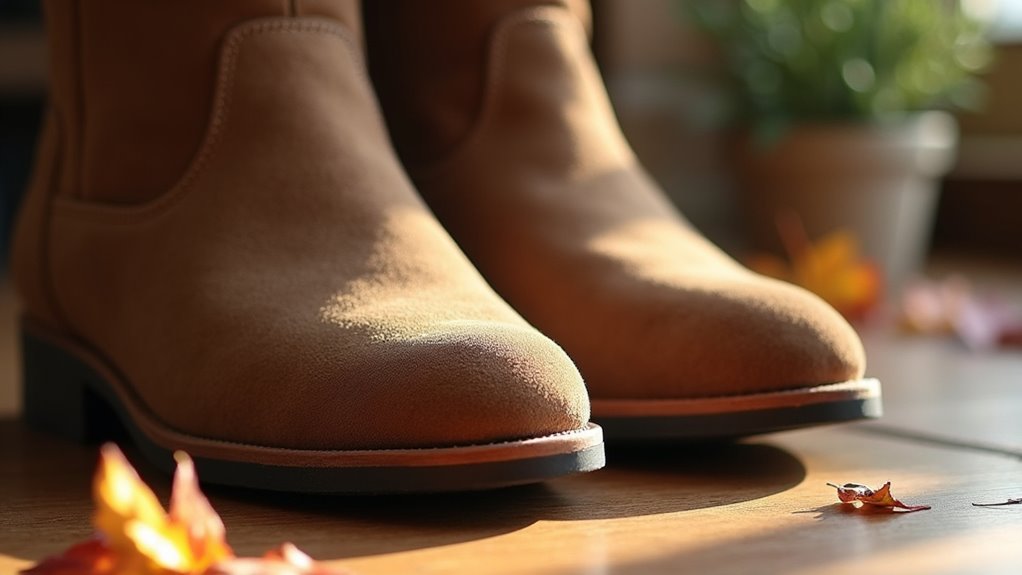
Suede boots offer a soft, luxurious feel that many love. Their plush texture feels great, but they’ve some downsides. Suede isn’t as tough as other materials. Its open-pore structure makes it easy to stain and damage with water. Wear these boots with care.
Suede boots are great for casual outings, offices, or special events. They’re warm and comfortable, especially when it’s cold. But they do require extra care compared to leather. You need to clean them often to keep them looking nice.
For rugged or wet places, think carefully before wearing suede. These boots won’t last as long in tough conditions. To protect your suede, use a protective spray.
With regular cleaning and care, you can enjoy the comfort of suede while keeping its beauty intact.
Synthetic Materials: Affordable Alternatives
Finding affordable boots can be easy with synthetic materials. They usually cost less than natural options. Cleaning them is simple, too. Just wipe them down, and they’re good to go.
Keep in mind that synthetic boots may not last as long as leather or other natural materials. Over time, they might show wear and tear. Still, they’re a solid choice for those on a budget.
Many styles are available, so you can find something that fits your taste. Choose wisely and enjoy your new boots!
Cost-Effectiveness of Synthetics
Synthetic materials are a great choice for stylish footwear without spending too much. They cost less to make, which means you pay less than for leather or suede.
Here are some reasons to think about synthetic boots:
- Affordable option: You save money right away. This lets you buy trendy styles without overspending.
- Easy to care for: Synthetic boots need fewer care products. This saves you money on maintenance.
- Environmental impact: While cheaper, these materials may not break down easily. This raises questions about their long-term effects on the planet.
Even with the savings, synthetic boots may not last as long as natural materials.
Think about the benefits and the possible issues with durability before you decide.
Short-Lived Durability Issues
Synthetic boots might seem cheap and attractive, but they’ve major downsides. They don’t last long. Synthetic materials can’t compete with the strength of leather or suede. These boots wear out quickly and show damage fast. Many are made with low-quality materials, hurting their lifespan.
They need less care, but once damaged, you can’t fix them like leather boots.
Breathability is another problem. Synthetic boots often trap moisture inside. This can make your feet damp and uncomfortable. Wearing damp boots won’t help their durability.
While they may match trendy styles for a short time, they don’t offer long-term value. Quality leather or suede boots are a better investment. They last longer and stay comfortable.
Choosing the right boots can save you money in the long run.
Polyurethane: The Durable Midsoles
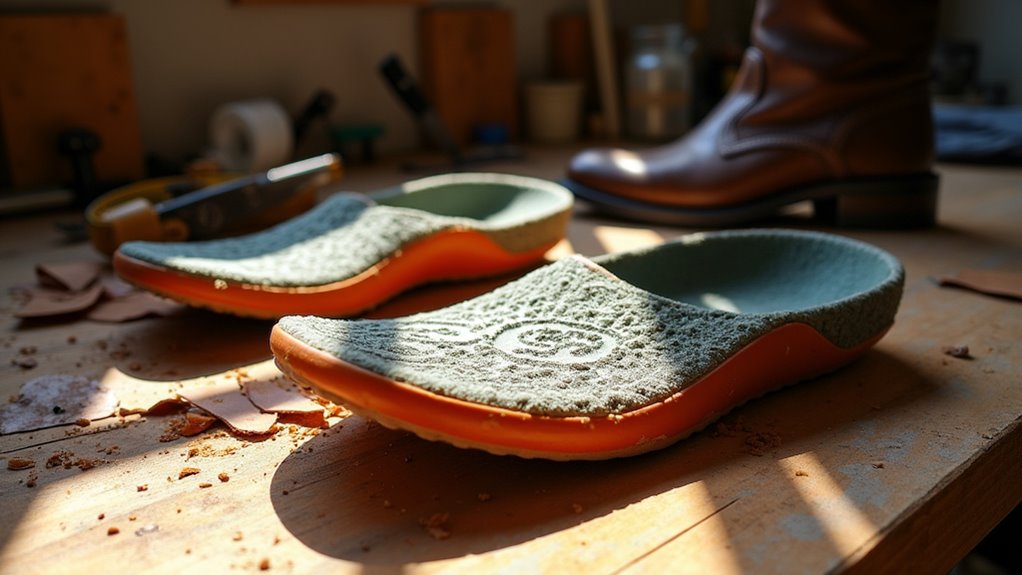
Durable boots with polyurethane (PU) midsoles are a great choice. PU midsoles provide long-lasting comfort. They also offer excellent shock absorption, protecting your feet during long hours of wear. PU is more durable than other materials like EVA. It resists wear and tear well. This makes PU a smart option for your next pair of boots. Additionally, polyurethane soles help maintain proper posture and reduce strain, enhancing your overall experience. Choose boots with PU midsoles for comfort and durability. Your feet will thank you!
Benefits of Polyurethane Midsoles
Polyurethane midsoles make footwear strong and comfy. They’ve many benefits that help you during long hours on your feet. Here are some important reasons to consider them:
- Shock absorption: They cushion each step, reducing impact. This boosts comfort greatly.
- Durability: These midsoles resist damage from oils and solvents. Perfect for tough work settings.
- Stability: Their firmness keeps you steady. This helps to minimize fatigue during long wear.
Polyurethane midsoles are also lightweight. This means better movement without losing support. They hold their shape well over time.
You can count on them for consistent comfort and performance. Overall, polyurethane midsoles are a dependable choice for any challenging situation.
Comparison With Other Materials
Choosing the right material for boot midsoles is important. Polyurethane (PU) and ethylene vinyl acetate (EVA) are two popular options.
PU is known for its durability. It lasts a long time without wearing down. On the other hand, EVA is lighter but offers less support.
PU midsoles are great at absorbing shock. They help reduce foot impact during activities. This means more comfort for you. PU also keeps its shape better than EVA. EVA tends to compress and lose its support over time.
While PU usually costs more than EVA, it pays off in the long run. The durability and comfort make it a smart choice. For work and hiking boots, PU provides excellent stability. This gives you confidence with every step.
Investing in PU means investing in your comfort and support.
Maintenance and Care Tips
Caring for boots with polyurethane (PU) midsoles is important. This helps keep them comfortable and lasting longer. Regular maintenance ensures they perform at their best.
Here are some easy tips to follow:
- Clean them often: Wipe away dirt and debris with a damp cloth. This keeps the cushioning intact.
- Store properly: Keep your PU boots in a cool, dry place. This helps prevent deformation and keeps their shape.
- Inspect regularly: Check for cracks or reduced cushioning. Finding issues early helps you know when to replace them for better comfort.
Take these steps to enjoy your boots longer!
Comparing Material Benefits and Suitability
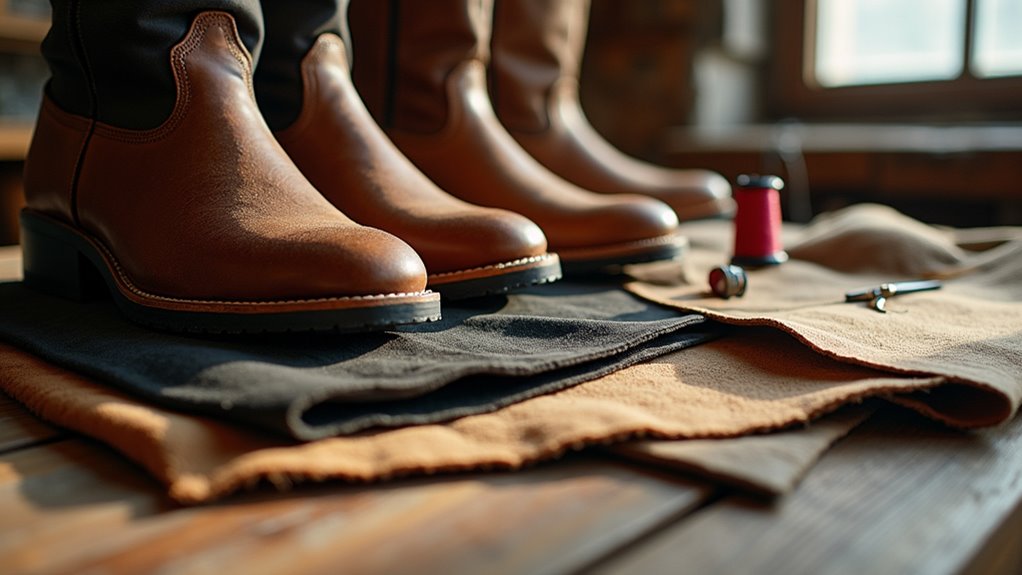
Choosing the right boots depends on the materials used.
Leather boots, especially full-grain leather, offer great durability and comfort. They shape to your feet over time. This makes them excellent for work or outdoor activities.
Suede boots feel soft and breathable. But they aren’t as strong as leather. You need to take good care of suede.
Synthetic materials are often cheaper and easier to clean. Yet, they can trap moisture. This may lead to discomfort and a shorter life for the boots.
Rubber boots are best for waterproofing and resisting chemicals. They work well in wet conditions. But they may not be the most comfortable for long wear.
Think about your activities before buying. Leather is best for tough jobs. Lighter synthetic or rubber boots are good for casual use. Additionally, consider hiking boots for durability and support on rugged terrains.
Pick the boots that fit your needs!
Frequently Asked Questions
How Can I Properly Care for Leather Boots?
Proper care for leather boots keeps them looking great and lasting long. Start by cleaning them with a damp cloth. This removes dirt and dust. Use a leather conditioner every few months. This helps keep the leather soft and prevents cracks.
Apply waterproofing products to protect against water damage. Store your boots in a cool, dry place. Avoid putting them in direct sunlight. Sunlight can fade and damage the leather.
Regular maintenance will make your boots last longer. Treat your leather boots with care, and they will reward you with style and comfort.
Are Rubber Boots Suitable for Extreme Cold Conditions?
Rubber boots are not the best choice for extreme cold. They can become stiff and uncomfortable. This can make it hard to walk and keep your feet warm.
For better warmth, look for rubber boots with extra insulation. Wearing thermal socks can also help keep your feet cozy and prevent frostbite. Always check the temperature ratings before buying. Consider other options like insulated winter boots for very cold conditions. Stay warm and safe!
What Are the Environmental Impacts of Synthetic Materials?
Synthetic materials harm our environment. They cause pollution and waste. Making these materials uses a lot of energy. This production process adds to global warming.
One big issue is non-biodegradable waste. Many synthetic materials do not break down. This waste stays in landfills for hundreds of years.
Microplastics are another problem. Tiny pieces of plastic enter our oceans and rivers. These microplastics harm fish and other wildlife. They can also affect human health. Research shows that microplastics are now found in our food and water.
The impact of synthetic materials is serious. We need to rethink how we use them. Simple changes can help reduce their harmful effects. Choosing natural materials can be a good start.
How Do I Choose the Right Boot Material for Hiking?
Hiking boot material is important for a great outdoor experience. Full-grain leather offers strength and durability. This material is tough and can last for years. Lightweight synthetics give comfort. They allow your feet to breathe and move easily.
Think about flexibility and support. Flexible boots help with movement. Supportive boots protect your ankles on rough trails.
Consider the weather too. Waterproof boots keep your feet dry in the rain or mud. Breathable materials work well in warm weather.
Choose the right fit. Boots should feel snug but not tight. Good fit helps prevent blisters.
Can I Repair Damaged Boots Made of Different Materials?
You can repair damaged boots, but it depends on the material. Leather boots are often easy to fix. Rubber boots can also be repaired effectively. Suede needs special care, so repairs might be tricky. Synthetic boots usually aren’t worth fixing. They often cost more to repair than to replace. Regular maintenance helps keep all types of boots in good shape. Clean them often and store them properly. This way, you can extend their life.
Conclusion
Choosing durable boots means picking the right materials. Leather is strong and lasts a long time. Rubber keeps your feet dry and protects against water. Suede looks nice but isn’t very tough. Synthetic materials can save you money. Polyurethane makes the midsoles comfortable for walking. Think about what you need from your boots. Different activities call for different materials. With the right choice, your boots will be strong partners. They will keep you safe and comfortable, no matter the weather.