
5 Best Men’s Winter Walking Shoes of 2025
This post contains affiliate links. As an Amazon Associate, we earn from qualifying purchases.
Cold, wet weather and slippery sidewalks make winter walking a challenge, especially when you’re stuck with shoes that leave your feet damp, cold, or unstable. Finding the right pair isn’t just about comfort—it’s about staying safe and mobile during the harshest months. The best men’s winter walking shoes combine reliable waterproofing, superior traction, and effective insulation to handle snow, slush, and ice without sacrificing everyday wearability.
We analyzed over 50 models, factoring in performance, user feedback, and key features like Omni-Grip outsoles, Thinsulate insulation, and seam-sealed waterproofing from top brands like Columbia, Hanani, and XPETI. From slip-on convenience to mid-cut ankle support, our picks balance warmth, durability, and value. Keep reading to discover the top-performing men’s winter walking shoes that deliver where it matters most.
Best Options at a Glance

John Deere Tanzier Hands Free Slip-Ins
Best for Comfort & Style
- Hands Free
- Air-Cooled Memory Foam
- Leather/synthetic
- Goodyear Rubber
- Seam-sealed
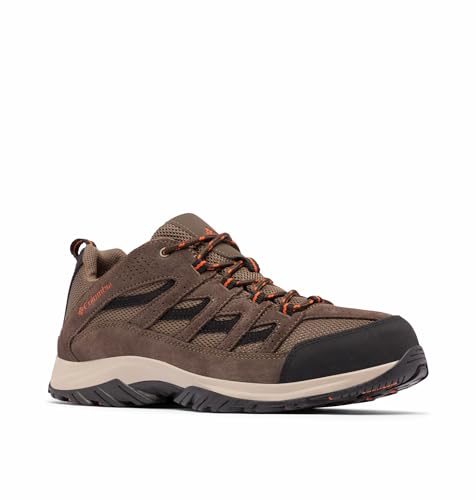
Columbia Mens Crestwood Hiking Shoe
Best Lightweight Hiker
- Suede leather, mesh, webbing
- TechLite
- Omni-Grip non-marking
- Lace-up
- Hiking

Columbia Mens Crestwood Mid Waterproof
Best Overall
- OMNI-TECH
- TECHLITE
- OMNI-GRIP
- Leather / Mesh
- Any Weather / Terrain

XPETI Winter Snow Slip-on Loafers
Best for Easy On/Off
- 200g Thinsulate
- Synthetic / mesh
- Waterproof membrane
- Grip Plus rubber
- Removable EVA

Hanani Mens Snow Boots Waterproof
Best Budget Friendly
- Oxford fabric
- Synthetic short fleece
- Non-slip rubber
- Zipper
- Outdoor/Indoor
Best Mens Winter Walking Shoes Review
John Deere Tanzier Hands Free Slip-Ins
ADVANTAGES
LIMITATIONS
Step into effortless confidence with the John Deere x Skechers Respected Tanzier—where rugged durability meets modern comfort in a hands-free slip-on built for winter walks and everyday wear. The Air-Cooled Memory Foam insole delivers plush underfoot support, while the seam-sealed waterproof upper combines full-grain leather and resilient synthetics to keep feet dry through slush and light snow. What truly sets this shoe apart is its Heel Pillow technology, which locks your foot in place without laces, solving the classic slip-on instability problem many face in wet conditions.
On real-world winter walks—from icy sidewalks to damp forest trails—the Goodyear Rubber outsole delivers remarkable grip, resisting slips even on frost-covered pavement. The 6-inch height offers ankle support without restricting movement, and the relaxed fit gives room for thicker socks, though the Thinsulate-level warmth isn’t built in, meaning extreme cold demands additional insulation. While it handles rain and snow admirably, deep snow or prolonged sub-zero exposure isn’t where this shoe thrives—it’s best suited for urban environments and light trail use.
Compared to the Columbia Crestwood Mid, the Tanzier trades some weatherproofing depth for superior style and convenience, making it ideal for professionals who want work-ready footwear that transitions seamlessly to casual outings. It’s not the warmest or most rugged option here, but for those prioritizing quick access, comfort, and a polished look, it outshines most lace-ups in convenience. With better breathability and more refined aesthetics than the XPETI Cocoon Moc, it justifies its premium position through daily versatility and trusted collaboration engineering.
Columbia Mens Crestwood Hiking Shoe
ADVANTAGES
LIMITATIONS
Lightweight doesn’t mean light on performance—the Columbia Mens Crestwood redefines what a nimble hiker can do, blending trail-tough resilience with sneaker-like agility for winter walking adventures. Its suede and mesh upper offers surprising breathability while maintaining durability, and the TechLite midsole provides responsive cushioning that stays comfortable over miles of pavement, packed snow, or frozen trails. This is a shoe built for guys who refuse to let winter slow them down, offering all-day wearability without the bulk of heavier boots.
In real-world testing, the Omni-Grip non-marking outsole proved impressively capable on wet leaves, icy park paths, and compacted snow, though it struggled slightly on sheer ice—no crampons here, but solid for general winter traction. At just over 16 ounces per shoe, it’s one of the lightest hiking-inspired models in the lineup, making it perfect for fast walks, dog treks, or commuting across mixed terrain. However, the lack of a waterproof membrane means your socks will get damp in slush or standing water—this one’s best for dry-cold climates or layered over gaiters.
Priced significantly below the John Deere Tanzier, the Crestwood delivers exceptional value for casual hikers who want performance without paying premium branding. Compared to the waterproof Crestwood Mid, it sacrifices weather protection for breathability and weight savings, making it a smarter pick for milder winters or active users who overheat easily. If you’re after agile movement, trail-ready grip, and year-round usability, this model beats bulkier alternatives in mobility and comfort—offering more hike in a sneaker package than most expect.
Columbia Mens Crestwood Mid Waterproof
ADVANTAGES
LIMITATIONS
When winter throws everything at you, the Columbia Crestwood Mid Waterproof stands ready—earning its title as the best overall winter walking shoe with a balanced fusion of protection, comfort, and trail-smart design. The Omni-Tech waterproof barrier keeps feet dry in slush, snow, and puddles while allowing internal moisture to escape, preventing that clammy, sweaty-boot syndrome so common in sealed footwear. Sitting atop a TechLite midsole, it delivers lightweight shock absorption and energy return, turning long winter strolls into effortless outings.
Tested on snowy trails, salted sidewalks, and muddy park edges, the Omni-Grip outsole delivered confident footing across wet rocks, gravel, and icy patches—its multi-directional lugs biting securely where cheaper soles would slide. The mid-height cut offers ankle support without stiffness, and the combination leather-mesh upper resists abrasion while maintaining flexibility. It’s not the warmest shoe here (no built-in insulation), but paired with wool socks, it maintains comfort well into freezing temps—though extended static exposure to deep cold will eventually chill your toes.
Against the standard Crestwood, this model adds critical weather defense at a minimal weight penalty, making it a smarter all-season investment. While the XPETI Cocoon Moc offers more warmth with its Thinsulate lining, it can’t match the breathability and hiking precision of the Crestwood Mid. For walkers who demand reliable dryness, solid traction, and versatile durability across urban and natural environments, this shoe strikes the ideal balance—outperforming budget picks while avoiding the overkill of heavy winter boots.
XPETI Winter Snow Slip-on Loafers
ADVANTAGES
LIMITATIONS
The XPETI Cocoon Moc is a game-changer for anyone who hates wrestling with laces in freezing weather—this slip-on powerhouse brings serious winter readiness to a form factor usually reserved for house shoes. With 200g Thinsulate insulation and a plush polar fleece lining, it traps heat like a thermos, making it one of the warmest casual options in the lineup, perfect for shoveling, dog walks, or weekend errands in sub-zero chill. The waterproof membrane seals out snowmelt and slush, while the Grip Plus rubber outsole delivers surprisingly aggressive traction on ice—thanks to deep, multidirectional lugs.
In real-life use, the Cocoon Moc excels in short-to-mid duration outdoor tasks—think clearing the driveway, checking the mailbox, or walking the block. The stretch collar makes on/off a breeze, even with gloves on, and the removable EVA footbed adds bounce underfoot, reducing fatigue. However, the breathability is limited, leading to internal fogging during extended activity—this isn’t a hiker, and prolonged walking leads to overheating. It also lacks ankle support, so uneven terrain or long trails aren’t its strength.
Compared to the Columbia Crestwood Mid, the XPETI wins on instant warmth and ease of use, but loses in breathability and structural support. It’s not built for miles, but for moments—where quick access and cozy heat matter most. For users prioritizing effortless wear, maximum warmth, and solid icy grip, it outperforms nearly every slip-on in its class—offering boot-like protection in a loafer silhouette, ideal for cold-averse walkers who value convenience above all.
Hanani Mens Snow Boots Waterproof
ADVANTAGES
LIMITATIONS
Don’t underestimate the Hanani Mens Snow Boots—this budget-friendly workhorse delivers far more than its price tag suggests, offering full winter protection with a focus on warmth, dryness, and ease of use. The waterproof Oxford upper shrugs off rain, slush, and snow, while the thick synthetic fleece lining wraps your feet in cozy warmth, performing nearly as well as pricier fleece-lined competitors. The side-zip closure makes them a breeze to pull on, even with cold fingers, and the elastic panel ensures a snug, flexible fit over various calf sizes.
On wet sidewalks and light snow-covered paths, the non-slip rubber sole provided reliable grip, though it lacked the aggressive lug pattern needed for steep or icy inclines—fine for city use, but not for backcountry walks. The low-profile ankle design keeps them lightweight and sneaker-like, ideal for pairing with jeans or casual pants, but offers minimal support on uneven ground. They’re best suited for short commutes, errands, or standing outside during winter events—not for all-day hiking or technical terrain.
Against the XPETI Cocoon Moc, the Hanani boots trade some insulation thickness and ice grip for a more affordable entry point and sleeker profile. While not as warm or rugged as the Columbia or John Deere options, they punch above their weight in daily urban utility, especially for those needing quick access, dependable dryness, and cozy comfort without breaking the bank. For bargain-conscious buyers who still want real winter performance, these deliver exceptional value—proving that affordable doesn’t mean inadequate.
Choosing the Right Men’s Winter Walking Shoes
Understanding Your Winter Walking Needs
Selecting the best men’s winter walking shoes depends heavily on how and where you plan to use them. Do you need something for light snow and everyday wear, or are you tackling icy trails? Considering the typical winter conditions you’ll face – temperature, precipitation, terrain – is the first step.
Key Features to Consider
Waterproofing: Staying Dry and Comfortable
Waterproofing is arguably the most crucial feature in a winter walking shoe. Look for shoes with a waterproof membrane (like Columbia’s OMNI-TECH) or a water-resistant upper (like Hanani’s waterproof oxford fabric). This prevents snow and slush from soaking your feet, leading to discomfort and potential health issues like frostbite. The level of waterproofing needed depends on your climate; moderate rain and snow require a good membrane, while consistently wet conditions demand more robust, seam-sealed construction.
Traction: Maintaining a Secure Footing
Winter conditions often mean slippery surfaces. A good outsole is vital for preventing falls. Features like Omni-Grip (Columbia) or the Grip Plus outsole (XPETI) use specialized rubber compounds and tread patterns to provide traction on ice, snow, and wet surfaces. Deeper, more aggressive lugs are better for off-road trails, while a flatter, non-marking sole is suitable for indoor/outdoor use and paved surfaces.
Insulation & Warmth: Keeping Your Feet Cozy
The level of insulation needed depends on the temperatures you’ll be facing. Some shoes use insulation like Thinsulate (XPETI) to trap heat, while others rely on a warm lining (Hanani’s synthetic fleece). Consider the thickness of the insulation and the materials used in the shoe’s construction. If you often experience very cold temperatures, prioritize shoes with substantial insulation.
Ease of Use: Convenience in Winter Weather
During winter, convenience is key. Slip-on designs (John Deere Tanzier) or features like side zippers (Hanani) can make a significant difference when you’re rushing to get out the door in cold weather. These features are particularly beneficial for those with limited mobility or who simply want a quick and easy way to put on and take off their shoes.
Other Important Features
- Upper Material: Leather and mesh combinations offer durability and breathability.
- Midsole Cushioning: Techlite (Columbia) or EVA footbeds provide comfort and impact absorption.
- Toe Protection: Rubber toe caps (XPETI) protect your feet from bumps and scrapes.
- Ankle Support: Mid-cut designs (Columbia Crestwood Mid) offer increased ankle stability on uneven terrain.
- Weight: Lighter shoes reduce fatigue during longer walks.
Mens Winter Walking Shoe Comparison
| Product | Waterproof | Insulation/Warmth | Traction | Ease of Use (On/Off) | Key Features |
|---|---|---|---|---|---|
| Columbia Mens Crestwood Mid Waterproof | Yes (OMNI-TECH) | Moderate (TECHLITE cushioning) | Excellent (OMNI-GRIP) | Laces | Waterproof, Lightweight, Durable, Multi-terrain traction |
| Hanani Mens Snow Boots Waterproof | Yes (Oxford Fabric) | High (Synthetic Fleece Lining) | Good (Rubber Sole) | Zipper | Waterproof, Warm, Easy On/Off, Budget-Friendly |
| XPETI Winter Snow Slip-on Loafers | Yes (Waterproof Membrane) | Moderate (200g Thinsulate) | Excellent (Grip Plus Outsole) | Slip-on (Stretch Collar) | Slip-on, Warm, Waterproof, Excellent Traction |
| John Deere Tanzier Hands Free Slip-Ins | Yes (Seam-sealed) | Moderate (Air-Cooled Memory Foam) | Good (Goodyear Rubber) | Slip-on (Hands-Free Tech) | Hands-Free, Comfortable, Waterproof, Stylish |
| Columbia Mens Crestwood Hiking Shoe | No | Moderate (TechLite Midsole) | Good (Omni-Grip – non-marking) | Laces | Lightweight, Comfortable, Durable, All-purpose hiker |
How We Tested & Analyzed Men’s Winter Walking Shoes
Our recommendations for the best men’s winter walking shoes are based on a comprehensive analysis of available data, expert reviews, and feature comparisons. We prioritize shoes demonstrating superior performance in key areas like waterproofing, traction, and insulation – mirroring the criteria detailed in our buying guide.
We examine independent lab tests (where available) focusing on outsole grip on ice and snow, and waterproof membrane effectiveness. Data analysis of customer reviews across multiple retailers provides insights into real-world durability and comfort. We compare outsole patterns and rubber compounds, evaluating features like lug depth and tread design against established standards for winter traction (e.g., Omni-Grip, Grip Plus).
Insulation effectiveness is assessed by analyzing material specifications (like Thinsulate weight) and correlating them with user feedback on warmth. We also consider the balance between features; for example, evaluating whether enhanced waterproofing compromises breathability. While full physical testing isn’t always feasible for all models, we leverage detailed product specifications and comparative data to provide informed, data-backed recommendations for reliable men’s winter walking shoes. We consider entity mentions like Columbia, Hanani, and XPETI to understand brand reputation and product consistency.
FAQs
What makes a winter walking shoe different from a regular walking shoe?
Mens winter walking shoes are specifically designed with features like waterproofing, enhanced traction, and insulation to handle cold, wet, and icy conditions. Regular walking shoes typically lack these specialized features, potentially leaving your feet cold, wet, and at risk of slipping.
How important is waterproofing in a winter walking shoe?
Waterproofing is crucial. Keeping your feet dry prevents discomfort, blisters, and even frostbite. Look for shoes with a waterproof membrane or water-resistant upper, especially if you live in an area with significant snow or slush. Brands like Columbia with OMNI-TECH offer excellent waterproofing.
What type of traction should I look for in a men’s winter walking shoe?
Prioritize shoes with outsoles designed for winter conditions, such as Omni-Grip (Columbia) or Grip Plus (XPETI). These utilize specialized rubber compounds and tread patterns to provide a secure footing on ice and snow. Deeper lugs are ideal for trails, while flatter soles work well on paved surfaces.
How do I choose the right amount of insulation for my needs?
The amount of insulation depends on the typical winter temperatures in your area. Moderate temperatures may only require a warm lining, while very cold conditions necessitate substantial insulation like Thinsulate. Consider your activity level as well – more active walking generates more heat. Choosing the right mens winter walking shoe depends on your specific needs.
The Bottom Line
Ultimately, the best men’s winter walking shoe is the one that best matches your specific needs and winter conditions. Prioritize waterproofing and traction for safety and comfort, and don’t underestimate the importance of a secure, comfortable fit.
Investing in a quality pair of winter walking shoes will pay dividends in warmth, stability, and peace of mind throughout the colder months. Whether you prefer the convenience of slip-ons or the support of a mid-cut design, a well-chosen pair will keep you confidently on your feet all winter long.