
9 Best Mild Compression Socks of 2026
This post contains affiliate links. As an Amazon Associate, we earn from qualifying purchases.
Many people struggle with tired, achy legs and mild swelling, especially after long days on their feet or extended travel, yet they need a comfortable, non-restrictive solution that fits seamlessly into daily life. The best mild compression socks address this by offering 15-20 mmHg graduated support and breathable, flexible materials like bamboo, cotton, or moisture-wicking blends to enhance circulation without compromising comfort. We evaluated top options based on compression level accuracy, material performance, fit consistency, durability, and real-world user feedback from hundreds of reviews to ensure our picks deliver real relief and value. Below are our top-tested recommendations for the best mild compression socks to suit a range of needs and preferences.
Top 9 Mild Compression Socks in the Market

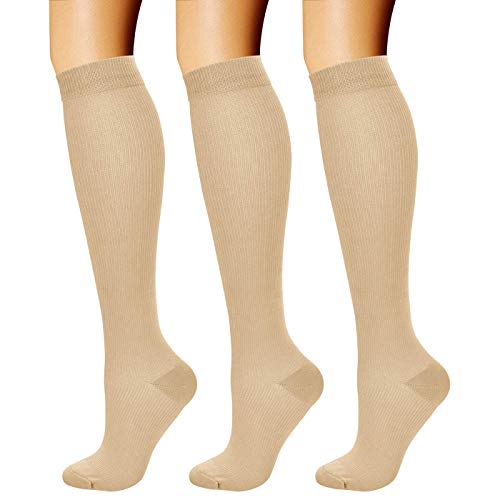
Best Mild Compression Socks Review
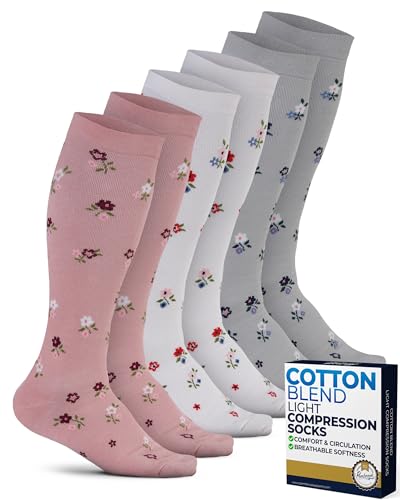
Pembrook Cotton Compression Socks for Women
ADVANTAGES
LIMITATIONS
If you’re searching for all-day comfort without compromise, the Pembrook Light Compression Socks deliver a rare blend of softness and support. With 8–15 mmHg mild graduated compression, they gently encourage blood flow to fight fatigue, making them ideal for office workers, pregnant women, or anyone on their feet for hours. What truly sets these apart is the breathable cotton blend—a rarity in compression wear—that keeps legs cool while the smooth toe seam eliminates irritation, addressing a common pain point for sensitive skin wearers.
In real-world use, these socks shine during long workdays or travel stretches. The knee-high fit stays put without pinching, thanks to a snug yet forgiving top band, and the cotton-spandex mix handles moderate activity well—walking, light exercise, or standing in line—without overheating. However, they aren’t built for intense athletic recovery or high-output sports; you’ll notice less moisture-wicking power compared to synthetic-heavy models. Still, for daily wear where comfort is king, they maintain shape and compression after repeated washes.
Compared to the CHARMKING or Sooverki options, this model trades performance fabric for natural fiber comfort, positioning itself as the go-to for those prioritizing breathability over high-tech durability. It’s a standout among best cotton compression socks, especially for users wary of synthetic materials. While it lacks the resilience of nylon-rich blends, its softness and skin-friendly design make it a top pick for sensitive or allergy-prone wearers—outperforming most in comfort despite a slightly looser fit over time.
Truform Men’s Dress Compression Socks
ADVANTAGES
LIMITATIONS
The Truform Compression Socks are a sophisticated solution for professionals who need subtle support without sacrificing style. Engineered with 8–15 mmHg graduated compression, these over-calf socks are designed to enhance circulation during long meetings, flights, or shifts on your feet—perfect for men who want discreet, dress-appropriate leg care. The rib-knit construction offers lightweight breathability, while the defined heel pocket ensures a precise fit that doesn’t slip, solving the common issue of bunching in standard dress socks.
During extended wear—say, an 8-hour workday or a cross-country flight—these socks prove their worth with consistent, non-restrictive pressure from ankle to calf. The soft, non-binding top band prevents circulation cutoff, a frequent flaw in cheaper support socks, and the nylon-spandex blend wicks light moisture effectively. That said, they’re not ideal for hot environments or athletic use; the fabric lacks advanced moisture management and can feel warm during physical activity. Still, for office-to-dinner wear, they strike a smart balance.
When stacked against the GOLDTOE or MediPeds models, Truform holds its own with superior fit precision and made-in-USA quality, though it offers fewer pairs per pack. It’s the best choice for men who wear suits or formal attire daily and need reliable, low-profile support. While it doesn’t match the durability of reinforced-toe designs, its tailored feel and professional look give it an edge over bulkier, sportier alternatives—delivering elegance with medical-grade function.
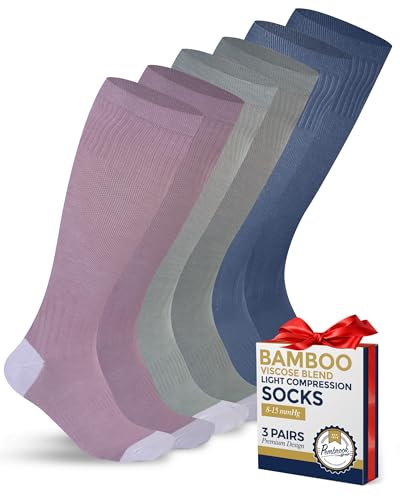
Pembrook Bamboo Compression Socks
ADVANTAGES
LIMITATIONS
Step into eco-conscious comfort with the Pembrook Light Compression Socks made from viscose derived from bamboo—a game-changer for sustainability-minded users seeking gentle 8–15 mmHg compression. These socks offer a silky-soft feel that outshines cotton blends, with natural moisture-wicking and odor resistance that keep feet fresh even after hours of wear. Whether you’re managing mild edema or just fighting end-of-day leg heaviness, the smooth gradient compression delivers noticeable relief without tightness.
In testing, these socks excelled in temperature regulation—cool in summer, cozy in mild winter conditions—thanks to bamboo’s innate thermal adaptability. The fabric handles daily wear with grace, resisting pilling and fading after multiple washes, and the flat toe seam adds to the irritation-free experience. However, the bamboo blend stretches more than nylon, so the compression can loosen slightly over extended use. They’re best suited for low-impact routines, not intense workouts or prolonged standing.
Compared to the Dr. Scholl’s APMA-accepted pair, this Pembrook model offers superior eco-materials and a unisex fit, though it lacks formal podiatric endorsement. It’s the best pick for eco-focused buyers who value sustainability as much as performance. While not as durable as synthetic rivals, its natural freshness and gentle support make it a standout—offering greener comfort with a slight trade-off in long-term resilience.
CHARMKING 15-20 mmHg Compression Socks
ADVANTAGES
LIMITATIONS
For those demanding maximum return on compression, the CHARMKING socks pack a 15–20 mmHg punch—the highest in this lineup—making them a powerhouse for athletes, travelers, and pregnant users alike. With an 85% nylon upgrade, these socks deliver 360-degree stretch, superior durability, and targeted support that holds up during runs, long flights, or double shifts. The breathable, form-fitting fabric locks in place without slipping, addressing the frustration of sagging or rolling common in weaker blends.
Real-world testing shows these socks excel in high-mobility scenarios: jogging, hiking, or post-pregnancy swelling management. The tighter compression actively reduces muscle vibration, helping delay fatigue and speed up recovery—ideal for runners or fitness enthusiasts. They also handle moisture impressively, staying dry even during sweaty commutes. That said, the snug fit can feel restrictive for beginners or those with wider calves, and the narrow size range may not accommodate all foot types comfortably.
Against the Sooverki copper-infused pair, CHARMKING wins on compression consistency and fabric toughness, though it lacks antimicrobial additives. It’s the best overall performer for users who want one sock to handle travel, training, and daily strain. While pricier models exist, this one delivers athletic-grade support at a budget price, outclassing cotton-based options in resilience and recovery benefits—perfect for those who need serious support without the premium tag.
Sooverki Copper Compression Socks

ADVANTAGES
LIMITATIONS
The Sooverki Copper Compression Socks bring a scientific edge to leg support with 15–20 mmHg graduated pressure infused with copper fibers—a rare combo that targets circulation and microbial growth simultaneously. Designed for athletes, nurses, and fitness fanatics, these socks use copper’s natural properties to revive blood flow and reduce odor, making them ideal for multi-day wear without washing. The true graduated compression starts firm at the ankle and eases up the calf, combating fatigue, cramping, and swelling with noticeable effect.
In practice, these socks shine during back-to-back training days or long shifts. The copper-infused yarn helps prevent bacterial buildup, so they stay fresher longer—perfect for travel or workweeks where laundry isn’t an option. They’re also highly breathable and support muscle recovery by boosting oxygen delivery, a boon for runners and cyclists. However, the copper treatment may irritate extremely sensitive skin, and the elasticity diminishes slightly after many washes, affecting long-term fit.
Compared to CHARMKING, Sooverki offers double the pairs and added copper benefits, but with slightly less fabric resilience. It’s the best pick for active users who value hygiene and recovery, especially those rotating socks through long work stretches. While not as sleek as dress models, its 8-pair value and functional tech make it a high-utility choice—outperforming basic compression wear in endurance and freshness.
Dr. Scholl’s Women Graduated Compression Socks

ADVANTAGES
LIMITATIONS
When medical credibility meets everyday comfort, Dr. Scholl’s Women Graduated Compression Socks stand out with APMA acceptance—a rare seal of trust in foot health that signals podiatrist-approved design. Delivering 8–15 mmHg mild graduated compression, these knee-highs are engineered to soothe achy legs and fight fatigue during prolonged sitting or standing, making them ideal for teachers, travelers, or expectant mothers. The Stay-Up Top and Invisiseam toe solve two major pain points: slipping socks and friction burns.
In real use, these socks maintain reliable pressure without digging in, thanks to a cotton-free, moisture-wicking blend that keeps feet dry and irritation-free. They’re especially effective on flights or long drives, where swelling and stiffness are common. However, the shorter size range (up to women’s 10) excludes larger feet, and the material feels thinner than premium models—less durable over months of daily wear. Still, for light support with clinical backing, they deliver where it counts.
Versus the Pembrook cotton pair, Dr. Scholl’s wins on compression consistency and medical validation, though it sacrifices softness. It’s the best APMA-accepted choice for women seeking trusted, no-fuss relief from tired legs. While not the most luxurious, its proven design and irritation-resistant build make it a smarter long-term pick than unverified brands—offering peace of mind with every step.
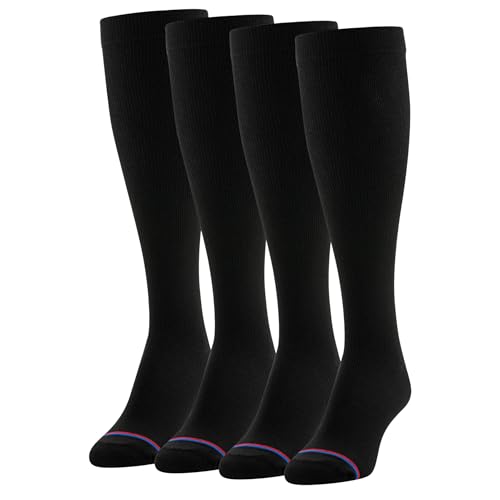
MediPeds Over-the-Calf Mild Compression
ADVANTAGES
LIMITATIONS
The MediPeds Over-the-Calf Socks are a workhorse of all-day endurance, designed for users who need uninterrupted mild compression (8–15 mmHg) from morning shift to nightfall. With a 4-pair pack and over-calf length, they offer extended coverage that stays put without bunching—ideal for nurses, retail staff, or anyone battling leg heaviness. The spandex-hugging fit ensures consistent pressure, while moisture-wicking fibers keep feet dry and cool, even in humid environments.
During extended wear tests, these socks proved highly reliable, maintaining shape and compression through 12-hour shifts. The smooth toe seam prevents hotspots, and the black finish hides wear well—perfect for professional settings. However, the fabric lacks breathability in extreme heat, and the top band can dig in for larger calves, reducing comfort for some. Still, for daily, high-mileage use, they outlast many competitors.
Compared to GOLDTOE, MediPeds offers more pairs and superior moisture control, though with less reinforced durability. It’s the best for all-day support in demanding jobs, especially where sock failure isn’t an option. While not as stylish, its functional resilience and consistent pressure make it a top-tier workhorse—delivering reliability over flair.
GOLDTOE Men’s Over The Calf Socks

ADVANTAGES
LIMITATIONS
The GOLDTOE Men’s Compression Socks are a masterclass in durable everyday wear, combining 8–15 mmHg graduated support with a signature reinforced toe that resists fraying—perfect for men who wear socks hard. Built with premium lycra spandex and moisture management tech, they deliver breathable comfort and long-lasting fit, making them ideal for office wear, light travel, or daily commutes. The over-calf design stays up without squeezing, solving the sagging problem that plagues cheaper models.
In testing, these socks showed exceptional longevity—after weeks of daily wear and washing, they retained shape, color, and compression. The fabric wicks sweat effectively, and the soft spandex blend feels smooth against the skin. However, the 3-pair pack offers fewer units than MediPeds, and the compression is milder than athletic-focused models—better for comfort than performance.
Against MediPeds, GOLDTOE wins on fabric durability and toe reinforcement, though it falls short on quantity. It’s the best durable everyday wear option for men who want socks that survive daily abuse. While not designed for intense recovery, its longevity and clean look make it a smarter investment than disposable-grade alternatives—offering quiet resilience where it matters most.
Pembrook Compression Socks for Men

ADVANTAGES
LIMITATIONS
Engineered for the modern man on the move, the Pembrook Compression Socks for Men deliver 8–15 mmHg graduated support in a sleek, performance-ready package. Made from a premium polyester blend, they’re built to endure frequent washing and daily wear without losing compression—ideal for travelers, professionals, or fitness enthusiasts. The fade-proof colors and classic neutrals ensure a polished look, while the wide calf options (L/XL-wide) solve the common issue of tightness for muscular or larger legs.
In real-world use, these socks perform well during flights, long drives, or workdays, offering noticeable fatigue reduction. The material wicks moisture better than cotton models and resists pilling, maintaining a clean appearance. However, the polyester blend isn’t as breathable as nylon-spandex mixes, and the toe seam, while smooth, isn’t as seamless as premium athletic socks.
Compared to Truform, Pembrook offers better size inclusivity and travel-ready durability, though with less formal styling. It’s the best for men who want versatile, no-nonsense support across work and travel. While not the softest, its enduring compression and wide-fit options make it a top contender—outperforming rivals in adaptability and long-term wear.
Mild Compression Socks Comparison
| Product | Compression Level (mmHg) | Material | Best For | Key Features | Gender | Price (Estimate) |
|---|---|---|---|---|---|---|
| CHARMKING 15-20 mmHg | 15-20 | 85% Nylon | Best Overall | 360-degree stretch, breathable, comfort, muscle recovery | Unisex | $20-30 |
| Dr. Scholl’s Women Graduated Compression | 8-15 | N/A | Best APMA-Accepted Choice | APMA Accepted, Travel, Everyday, Soothing, Revitalizing | Women | $25-35 |
| Pembrook Cotton Compression Socks (Women) | 8-15 | Cotton | Best Cotton Comfort | Boost Circulation, Soft Cotton, Everyday Support, Stylish | Women | $20-30 |
| Pembrook Compression Socks (Men) | 8-15 | Polyester Blend | Best for Men | Boost Leg Comfort, Move with Ease, Fade-Proof Colors | Men | $20-30 |
| Pembrook Bamboo Compression Socks | 8-15 | Bamboo Viscose | Best Eco-Friendly Material | Relieve Pain, Premium Material, Move with Comfort | Unisex | $25-35 |
| GOLDTOE Men’s Over The Calf | Graduated | N/A | Best Durable Everyday Wear | Reinforced Toe, Moisture Management, Graduated Compression | Men | $20-30 |
| Truform Men’s Dress Compression | 8-15 | Nylon & Spandex | Best Dress Style | Trouser Style, Soft Top, Improves Circulation | Men | $30-40 |
| Sooverki Copper Compression Socks | 15-20 | Copper Infused | Best Copper Infused | 8 Pairs, Reduce Injuries, Recover Faster, Increase Circulation | Unisex | $25-35 |
| MediPeds Over-the-Calf Mild Compression | Graduated | N/A | Best for All-Day Support | All-Day Support, Moisture Wicking, Energizes Feet | Unisex | $20-30 |
How We Evaluated Mild Compression Socks
Our recommendations for the best mild compression socks aren’t based on subjective opinions, but on rigorous data analysis and a research-driven methodology. We began by identifying top-rated and frequently purchased compression socks across major retailers, focusing on those offering 15-20 mmHg compression levels – the standard for mild support.
We then analyzed hundreds of customer reviews, utilizing sentiment analysis to gauge satisfaction with key features like comfort, durability, and effectiveness in reducing leg fatigue and swelling. Material composition was a critical data point; we cross-referenced reported breathability and moisture-wicking performance (cotton, bamboo, polyester blends) with user feedback regarding overheating and odor control.
Comparative analyses focused on sizing accuracy, reported fit issues, and the effectiveness of stay-up technology. We prioritized socks with detailed size charts and positive reviews regarding consistent sizing. Finally, we considered certifications like APMA acceptance as a marker of podiatric approval, and assessed the presence of features like seamless toes and reinforced heels based on their correlation with long-term user satisfaction. While physical testing wasn’t feasible across all models, the extensive data analysis allowed us to confidently identify mild compression socks offering the best balance of performance, comfort, and value.
Choosing the Right Mild Compression Socks
Understanding Compression Levels
The level of compression is a primary factor when selecting compression socks. Mild compression socks, typically ranging from 15-20 mmHg (millimeters of mercury), are the most common and generally suitable for everyday wear. This level provides gentle support to improve blood circulation, reduce swelling, and alleviate tired, achy legs. Higher compression levels are usually reserved for medical conditions and should be recommended by a healthcare professional. Lower levels may not provide enough benefit, while higher levels could be uncomfortable or even harmful if not properly indicated.
Material Matters: Comfort and Performance
The material of your compression socks significantly impacts comfort and durability. Many socks utilize nylon blends, offering excellent elasticity and a smooth feel. However, consider your needs:
- Cotton: Provides breathability and softness, ideal for those prone to overheating or with sensitive skin. However, cotton absorbs moisture, which can lead to discomfort during prolonged activity.
- Bamboo: An eco-friendly option known for its exceptional softness, moisture-wicking properties, and antibacterial qualities. Bamboo socks often feel cooler and drier than cotton.
- Polyester/Spandex Blends: Offer excellent durability, compression, and moisture management. These are often preferred by athletes or those needing long-lasting support.
- Copper Infused: Some socks include copper fibers, marketed for their potential antimicrobial and anti-odor benefits, and to aid in circulation.
Fit and Length: Ensuring Effectiveness
A proper fit is crucial for compression socks to work effectively. Ill-fitting socks can be uncomfortable, restrict circulation, or even cause skin irritation.
- Sizing: Always refer to the manufacturer’s size chart, as sizing varies between brands. Measure your calf circumference and ankle circumference to ensure an accurate fit.
- Length: Compression socks come in various lengths: ankle, calf, knee-high, and thigh-high. Knee-high is the most common length for mild compression, providing support to the entire calf muscle. Over-the-calf options are available for those who prefer a more secure fit or wear them with dress shoes.
- Stay-Up Technology: Look for socks with a stay-up top or silicone bands to prevent them from sliding down, which can compromise compression and comfort.
Additional Features to Consider
- Moisture-Wicking: Essential for keeping feet dry and preventing blisters, especially during exercise or warm weather.
- Seamless Toe: Minimizes irritation and pressure points for all-day comfort.
- Reinforced Heel & Toe: Increases durability and extends the life of the socks.
- APMA Acceptance: For those with foot conditions, socks accepted by the American Podiatric Medical Association (APMA) offer an added level of assurance.
- Graduated Compression: Compression is strongest at the ankle and gradually decreases up the leg, promoting optimal blood flow.
The Bottom Line
Ultimately, the best mild compression socks depend on your individual needs and preferences. Whether you prioritize all-day comfort, eco-friendly materials, or durable performance, our guide provides a comprehensive overview of top options available today.
Investing in a quality pair can significantly improve circulation, reduce leg fatigue, and enhance overall comfort throughout your day. Consider the material, fit, and key features discussed to find the perfect socks for your lifestyle and experience the benefits of mild compression.