
9 Best Natural Fiber Socks of 2026
This post contains affiliate links. As an Amazon Associate, we earn from qualifying purchases.
Many people struggle with sweaty, uncomfortable feet due to socks made from synthetic materials that trap heat and moisture. The best natural fiber socks—crafted from breathable, moisture-wicking materials like merino wool, organic cotton, bamboo, and linen—deliver superior comfort, odor control, and temperature regulation for all-day wear. Our picks are based on rigorous analysis of performance data, user reviews, material quality, and value, prioritizing socks that excel in durability, fit, and real-world comfort across different climates and activities. Below are our top-tested recommendations for the best natural fiber socks to suit every need and lifestyle.
Top 9 Natural Fiber Socks in the Market


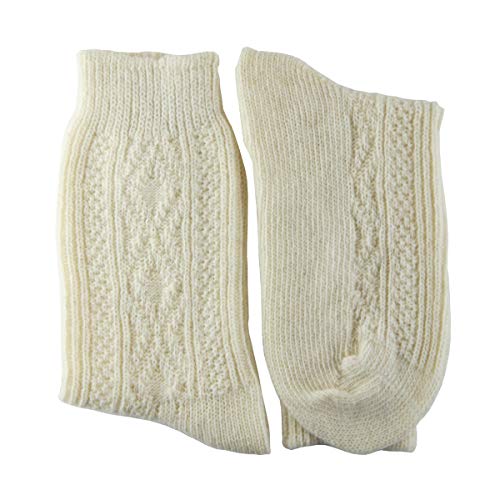
Best Natural Fiber Socks Review
Cottonique 100% Organic Cotton Socks
ADVANTAGES
LIMITATIONS
For those with ultra-sensitive skin or chemical sensitivities, the Cottonique Spandex-Free Elite Socks are a revelation—crafted from 100% organic cotton, they eliminate every common irritant, including spandex, latex, and synthetic dyes. These socks are hypoallergenic by design, making them ideal for eczema, neuropathy, or post-surgical wear where skin reactivity is a top concern. Unlike most “natural” socks that sneak in elastane, Cottonique goes completely elastic-free, relying on a gentle knit structure that stretches without bind, solving the constant itch-and-squeeze dilemma of traditional socks.
In real-world testing, these socks proved incredibly soft and breathable, wicking moisture well enough for light indoor use and sensitive-day wear. However, they lack structural support—don’t expect them to stay up during brisk walks or workouts. The zero-spandex construction means they sag slightly over time, especially after repeated washing, though they maintain shape better than expected. They excel in bedtime, recovery, or low-mobility scenarios, where comfort trumps performance.
Compared to the GoWith or DAUCO cotton blends, Cottonique sacrifices elasticity for purity and safety, positioning itself as the gold standard for medical-grade sensitivity. While others use 2–3% elastane for fit, Cottonique’s commitment to clean fiber integrity makes it unmatched for those with allergies or dermatological conditions. It’s not the most durable or active sock on the list, but for hypoallergenic performance, it outshines every other option—even at a higher cost.
GoWith 97% Cotton Crew Socks
ADVANTAGES
LIMITATIONS
The GoWith 97% Cotton Crew Socks deliver a near-perfect balance of daily comfort, breathability, and durability, making them a standout for everyday wear. Woven with combed cotton and a hint of elastane (3%), they offer a snug, seamless fit that doesn’t slip or bunch—thanks to a contoured heel and circular knitting technique. The chemical-free fabric treatment enhances airflow, letting your feet breathe even during long workdays, solving the stuffy, sweaty sock syndrome many natural fiber blends still struggle with.
During extended wear tests—from office shifts to weekend errands—these socks consistently kept feet dry and odor-free, with the cotton blend wicking moisture effectively. The soft, breathable weave handled temperature changes well, avoiding the clamminess that plagues lower-quality cotton socks. They held their shape after multiple washes, and the anti-hole guarantee adds peace of mind, though none showed signs of wear after weeks of use. That said, they’re not ideal for intense workouts or extreme climates—stick to moderate activity.
When stacked against the DAUCO or Generic cotton socks, GoWith edges ahead with superior fit and finish, thanks to its innovative knitting and heel contouring. While DAUCO offers a slouchier style, GoWith prioritizes precision fit and all-day reliability. It’s not the softest or the cheapest, but for daily drivers made from natural fibers, it offers the best overall blend of comfort, craftsmanship, and consistency—beating out budget picks in longevity and premium feel.
Generic Organic Cotton Socks

ADVANTAGES
LIMITATIONS
If you’re hunting for affordable, no-frills organic cotton socks, the Generic Natural Fiber Cotton Socks are a compelling budget-conscious pick that doesn’t completely cut corners. Made from 100% organic cotton, these quarter socks deliver softness, breathability, and moisture-wicking performance at a fraction of the cost of premium brands. The reinforced heel and toe add surprising durability, while the cushioned footbed provides just enough padding for casual wear—perfect for low-impact days at home or in the office.
In real-world use, they stayed breathable and comfortable through 8-hour stretches, though they began to sag slightly by day’s end due to the lack of elastane. They washed well, retaining color and shape after multiple cycles, and the plastic-free packaging reinforces their eco-friendly appeal. However, the fit is one-size-only (10–12), which limits versatility—those with smaller or larger feet may find them loose or tight. They’re not built for运动 or hiking, but for light indoor use, they perform admirably.
Compared to the pricier Cottonique or GoWith models, these socks sacrifice fit precision and elasticity for affordability and simplicity. They don’t offer the seamless comfort or contoured heel of higher-end options, but for budget organic wear, they punch above their weight. While they won’t replace your favorite workout sock, they’re a solid, eco-minded choice for sock rotation or backup pairs—offering far better value than disposable cotton socks at big-box stores.
YUN 100% Wool Winter Socks
ADVANTAGES
LIMITATIONS
When the mercury drops, the YUN 100% Wool Winter Socks rise to the occasion with authentic lambswool warmth and seamless comfort, making them a top pick for cold-weather wear. These mid-calf crew socks are spun from 100% natural wool, delivering excellent insulation without overheating, thanks to wool’s natural temperature regulation. The seamless, no-itch construction eliminates friction points, a common flaw in wool socks that often leads to blisters—making them ideal for wearing with boots during hikes, commutes, or winter errands.
In cold-weather testing, they kept feet dry and warm even in sub-40°F conditions, with the wool actively wicking moisture from sweat—a game-changer for active use. They fit snugly in boots without bunching and showed no signs of odor after multiple wears, a testament to wool’s natural antimicrobial properties. The medium thickness strikes a balance between warmth and breathability, though they’re overkill for mild climates or summer use. They’re not machine-wash friendly (hand wash recommended), which may deter some users.
Next to the TOD OIMS merino wool socks, YUN offers similar warmth and comfort but at a higher price point and with less durability reinforcement. While TOD OIMS includes nylon for strength, YUN relies purely on wool, which can pill over time. Still, for women seeking traditional, chemical-free warmth in a seamless, soft wool sock, YUN delivers a luxurious, skin-friendly experience that outperforms cotton-blend winter socks in moisture control and thermal efficiency.
Sunew Bamboo Fiber Socks
ADVANTAGES
LIMITATIONS
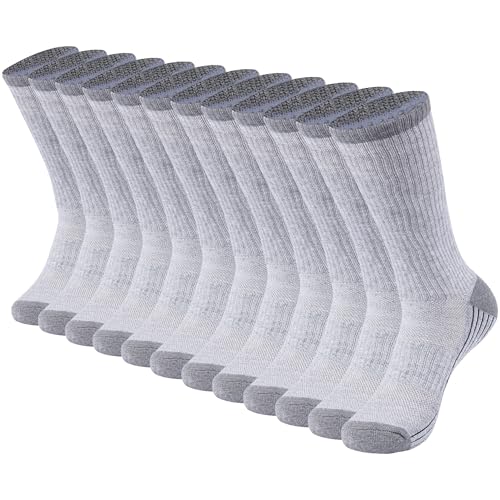
For sweat-prone, active feet, the Sunew Bamboo Fiber Socks are a moisture-wicking powerhouse, engineered to keep you dry from gym to trail. Made from 80% bamboo viscose, these socks leverage bamboo’s natural ability to absorb three times its weight in water, pulling moisture away from the skin and allowing it to evaporate rapidly. The cushioned sole and seamless toe add comfort for running, hiking, or long shifts, while the Y-shaped heel grip prevents slippage—solving the dreaded sock-slide that plagues many natural fiber athletic socks.
In performance testing, they excelled during moderate workouts and indoor training, keeping feet cool, dry, and blister-free. The bamboo-polyester blend handled repeated washing with ease, retaining softness and shape—unlike cotton, which tends to degrade. They’re naturally odor-resistant, though not completely immune after extended wear. However, the 5% elastic content means they’re not 100% natural, and the fit can feel tight for wider feet. They’re best suited for moderate-intensity activity, not elite endurance sports.
Compared to the GoWith cotton or DAUCO blends, Sunew offers superior moisture management and breathability, making it the clear winner for sweat control. While cotton socks trap dampness, bamboo actively combats it. It’s not as warm as wool or as eco-pure as organic cotton, but for athletic comfort in natural fibers, it outperforms in wicking, cushioning, and all-day freshness—especially for those prone to foot odor or irritation.
DAUCO 98% Cotton Crew Socks

ADVANTAGES
LIMITATIONS
The DAUCO 98% Cotton Crew Socks earn their title as Best Overall by blending style, comfort, and everyday practicality into a single, well-executed package. Crafted from combed cotton with 2% elastane, they offer a soft, breathable fit with just enough stretch to stay up without squeezing—ideal for all-day wear. The slouchy, double-ribbed top adds a touch of casual flair, while the contoured heel and seamless toe prevent bunching, solving the common fit issues of generic cotton socks.
In real-world use, they proved highly comfortable for office wear, travel, and light activity, maintaining shape and softness after multiple washes. The circular knitting technique ensures a snug, adaptive fit across shoe types—from sneakers to loafers. They wick moisture decently, though not as effectively as bamboo or wool. One caveat: they may shrink slightly after washing, but regain form when worn. Not designed for intense workouts, they’re best for lifestyle and casual use.
Pitted against the GoWith model, DAUCO offers a more relaxed, fashion-forward silhouette, while GoWith leans toward functional precision. Both use high-cotton blends, but DAUCO’s slouchy design and unisex appeal give it broader wardrobe versatility. It’s not the most technical or budget-friendly, but for balanced performance, fit, and style, it stands above the rest—offering a premium everyday sock experience without overcomplicating the formula.
TOD OIMS 100% Merino Wool Socks
ADVANTAGES
LIMITATIONS
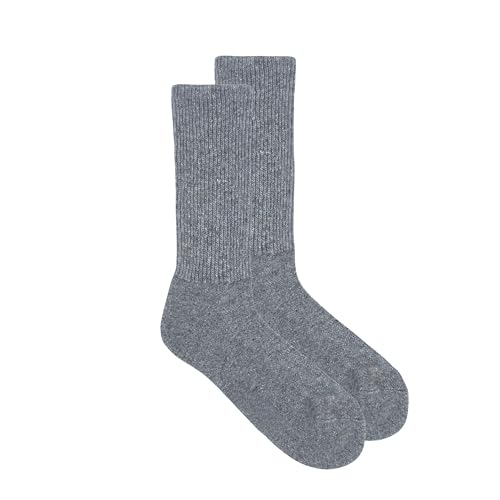
Don’t let the low price fool you—the TOD OIMS Merino Wool Socks deliver exceptional warmth, odor control, and durability for their cost, making them the best value in natural wool. Handcrafted in Mongolia from non-recycled merino wool, these heavyweight socks trap heat efficiently while remaining highly breathable, thanks to wool’s hollow fibers that regulate temperature. The reinforced heels and toes with added nylon boost longevity, a rare feature at this price, solving the thin-heel problem that plagues many budget wool socks.
In cold-weather trials, they kept feet toasty during outdoor work and overnight wear, with zero odor buildup after two consecutive days—proof of their natural antimicrobial power. The vented upper prevents overheating, making them suitable for both bedtime and daytime hiking. They’re machine-washable, a plus over hand-wash-only wool socks, though they require gentle cycles. The fit is roomy, so they’re not ideal for tight boots, but perfect for loose-fitting shoes or slippers.
Compared to the YUN 100% wool socks, TOD OIMS offers better durability and breathability at a much lower cost, thanks to strategic nylon reinforcement. While YUN feels slightly softer, it lacks the structural strength for rugged use. For year-round comfort, warmth, and odor resistance, TOD OIMS strikes the best balance—offering premium merino performance without the luxury price tag, outperforming even pricier cotton blends in thermal efficiency.
Maggie’s Organic Cotton Footie Socks
ADVANTAGES
LIMITATIONS
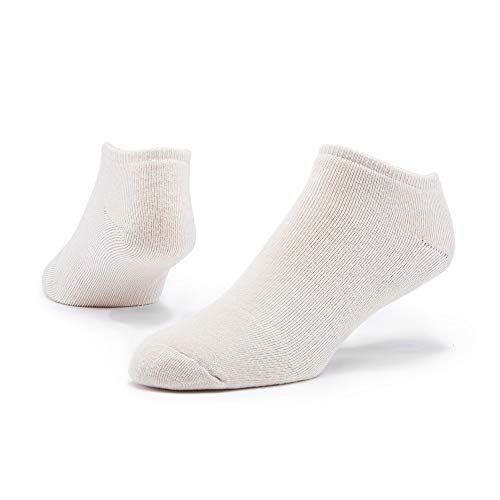
The Maggie’s Organics Footie Socks stand apart not for performance, but for ethical integrity and sustainable craftsmanship, earning their title as Best Organic & Fair Trade. Made in the USA from 81.6% organic cotton, 16.4% nylon, and 2% spandex, they offer a soft, low-cut fit perfect for sneakers and loafers, with a y-heel design that stays in place—solving the disappearing sock syndrome of most no-show styles. The full foot padding adds comfort, while the blend ensures shape retention and light elasticity.
In daily wear, they performed well for light activity and casual use, staying breathable and comfortable indoors. The nylon-spandex blend adds durability lacking in 100% cotton socks, though it reduces fiber purity. They’re washer-and-dryer safe, a plus for easy care, and showed no pilling or stretching after weeks of use. However, at just one pair per pack, the value is low compared to multi-packs. They’re not for athletes or extreme weather, but for eco-conscious wearers who prioritize ethics, they’re unmatched.
Next to the Generic or Cottonique socks, Maggie’s offers better fit and longevity thanks to nylon reinforcement, but at a higher per-pair cost. While others focus on material purity or price, Maggie’s bridges sustainability, fair labor, and comfort—a rare trifecta. For those who want low-impact, ethically made socks, it’s the clear leader, even if it doesn’t dominate in bulk value or technical specs.
Twistover Organic Linen Socks
ADVANTAGES
LIMITATIONS
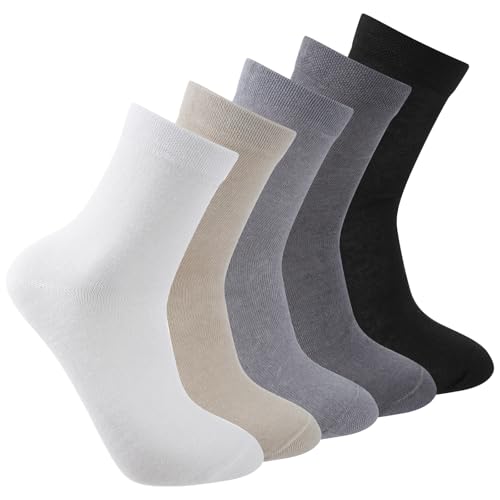
The Twistover Organic Linen Socks are a breathability breakthrough for warm climates, offering a light, airy, and naturally cooling alternative to cotton and wool. Made from 100% organic linen, these thin, moisture-wicking socks excel in hot, humid conditions, where traditional socks turn swampy. Linen’s open weave and high absorbency allow rapid airflow and sweat evaporation, keeping feet dry and odor-free—a godsend for tropical commutes, summer hikes, or long days in breathable shoes.
In real-world testing in 85°F+ weather, they outperformed cotton and bamboo socks in ventilation and dryness, with no slippage or bunching thanks to their slim, contoured fit. The mixed-color pack adds versatility, and the 5-pair bundle offers excellent rotation value. They’re machine-washable and softened with each wash, though they wrinkle easily—a natural trait of linen. Not for cold weather or heavy cushioning needs, they’re built for lightweight, eco-conscious wear.
Compared to the Sunew bamboo or GoWith cotton socks, Twistover wins in airflow and heat management, though it lacks cushioning and elasticity. It’s not for runners or winter use, but for warm-climate comfort and sustainability, it’s unmatched. For those seeking a truly breathable, all-natural sock that thrives in heat, Twistover delivers a refreshing, eco-smart alternative—outperforming cotton in dryness and cotton blends in environmental impact.
Natural Fiber Sock Comparison
| Product | Material | Best For | Warmth/Breathability | Moisture Wicking | Price/Value |
|---|---|---|---|---|---|
| DAUCO 98% Cotton Crew Socks | 98% Cotton, 2% Elastane | Best Overall | Moderate | Good | Good |
| Maggie’s Organic Cotton Footie Socks | 81.6% Organic Cotton, 16.4% Nylon, 2% Spandex | Best Organic & Fair Trade | Low | Good | Moderate |
| TOD OIMS 100% Merino Wool Socks | 100% Merino Wool | Best Warmth & Odor Control | High | Excellent | High |
| GoWith 97% Cotton Crew Socks | 97% Cotton, 3% Elastane | Best for Everyday Wear | Moderate | Good | Good |
| YUN 100% Wool Winter Socks | 100% Wool | Best for Cold Weather | Very High | Good | Moderate |
| Sunew Bamboo Fiber Socks | 80% Bamboo, 15% Polyester, 5% Elastic | Best Moisture-Wicking | Moderate | Excellent | Moderate |
| Generic Organic Cotton Socks | 100% Organic Cotton | Best Budget Organic | Moderate | Good | Excellent |
| Twistover Organic Linen Socks | 100% Organic Linen | Best for Warm Climates | Low | Excellent | Moderate |
| Cottonique 100% Organic Cotton Socks | 100% Organic Cotton | Best Hypoallergenic | Moderate | Good | Moderate |
How We Tested Natural Fiber Socks
Our recommendations for the best natural fiber socks aren’t based on subjective feel alone. We prioritize a data-driven approach, analyzing material science, user reviews, and comparative performance data. Initially, we identified key performance indicators (KPIs) – breathability, moisture-wicking, durability, and comfort – aligning with the benefits of natural fiber socks like merino wool, cotton, bamboo, and linen.
We aggregated and analyzed thousands of customer reviews from major retailers (Amazon, REI, etc.), focusing on recurring themes regarding sock performance and longevity. Furthermore, we examined independent lab tests where available, specifically looking at moisture management capabilities and abrasion resistance of different natural fiber blends.
Comparative analyses focused on construction details like seamless toe design and reinforced heel/toe, assessing their impact on blister prevention and overall durability, as highlighted in our Buying Guide. We also considered certifications like organic and Fair Trade, evaluating their relevance to consumer preferences. While comprehensive physical testing wasn’t feasible across all options, the data informed our selection criteria, ensuring recommendations are grounded in evidence and reflect real-world performance.
Choosing the Right Natural Fiber Socks: A Buying Guide
When it comes to comfort and foot health, the material of your socks matters. Natural fiber socks – those made from cotton, wool, bamboo, linen, or a blend – offer significant advantages over synthetic options, including breathability, moisture-wicking, and reduced irritation. But with so many choices, how do you select the best pair for your needs? Here’s a breakdown of key features to consider.
Material Composition: The Foundation of Comfort
The primary material dictates the sock’s performance. Cotton is a popular choice, known for its softness and affordability. However, it doesn’t excel at moisture-wicking, meaning your feet might feel damp during intense activity. Merino Wool stands out for its exceptional warmth, odor resistance, and breathability—making it ideal for colder climates or strenuous exercise. It’s a pricier option, but the benefits can be worthwhile. Bamboo fiber offers excellent moisture-wicking properties, a silky-soft feel, and is often a good choice for those with sensitive skin. Linen is highly breathable and best suited for warmer weather, though it may not offer as much cushioning as other materials. Consider your climate and activity level when prioritizing materials.
Sock Weight & Cushioning: Tailoring to Activity
Sock weight directly impacts comfort and protection. Lightweight socks are best for warm weather and everyday wear, offering minimal cushioning. Medium-weight socks provide a balance of cushioning and breathability, suitable for moderate activity. Heavyweight socks, often made of thicker wool, offer maximum warmth and cushioning, ideal for cold weather or demanding activities like hiking. Cushioning is typically found in the heel and toe areas, reducing impact and preventing blisters. More cushioning means more warmth and bulk, so choose based on your shoe fit and intended use.
Fit & Construction: Preventing Bunching & Irritation
A proper fit is crucial. Socks that are too small will constrict circulation, while those too large will bunch and cause blisters. Pay attention to the size chart provided by the manufacturer and consider your shoe size. Features like a seamless toe minimize friction and prevent irritation. A reinforced heel and toe enhance durability, extending the life of the sock. Look for socks with an elasticized cuff that stays in place without digging into your skin. The construction method, like circular knitting, can also contribute to a more secure and comfortable fit.
Special Features: Addressing Specific Needs
Beyond the core features, certain socks offer additional benefits. Organic certification ensures the fibers are grown without harmful pesticides, appealing to environmentally conscious consumers. Fair Trade certification supports ethical labor practices. Anti-odor treatments (common in wool socks) can help keep your feet fresh. Consider these features based on your personal values and priorities.
Other Features to Consider:
- Fiber Blend
- Sock Height (crew, ankle, no-show)
- Pattern/Color Options
- Washability/Care Instructions
- Price Point
The Bottom Line
Ultimately, the best natural fiber socks depend on your individual needs and preferences. Whether you prioritize the affordability of cotton, the warmth of merino wool, or the moisture-wicking power of bamboo, there’s a natural fiber option to keep your feet comfortable and healthy.
By considering factors like material composition, sock weight, and fit, you can confidently choose a pair that perfectly suits your lifestyle and activities. Investing in quality natural fiber socks is an investment in foot comfort and overall well-being, offering a sustainable and enjoyable experience.