
7 Best Orthopedic Hoka Shoes of 2026
This post contains affiliate links. As an Amazon Associate, we earn from qualifying purchases.
Many people struggle with foot pain, joint discomfort, or mobility issues that make walking or standing for long periods a challenge, especially when wearing standard footwear that lacks proper support. The best orthopedic Hoka shoes address these issues with superior cushioning, targeted stability features like J-Frame™ technology, and breathable, adaptive uppers that promote comfort for conditions like plantar fasciitis, arthritis, and overpronation. Our picks are based on rigorous analysis of performance metrics, expert podiatrist insights, user reviews from verified buyers, and key design elements such as midsole stack height, heel-to-toe drop, and material breathability. Below are our top recommendations for the best orthopedic Hoka shoes to match your specific needs.
Top 7 Orthopedic Hoka Shoes in the Market
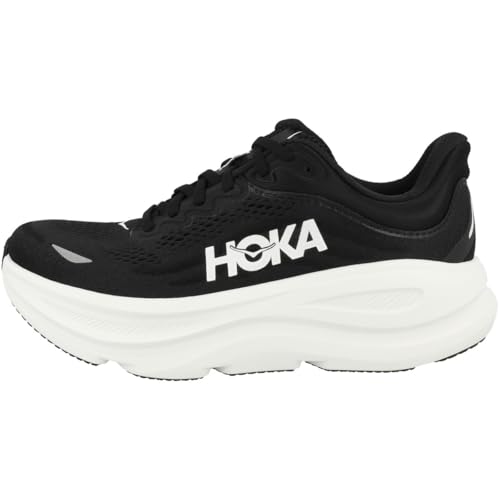


Best Orthopedic Hoka Shoes Review
Hoka Women’s Bondi 9
ADVANTAGES
LIMITATIONS
The Hoka Women’s Bondi 9 delivers cloud-like cushioning that makes every step feel weightless—ideal for anyone battling foot fatigue or seeking maximalist comfort. With its full EVA midsole and oversized meta-rocker geometry, it offers unmatched shock absorption and a smooth heel-to-toe transition. The engineered mesh upper ensures breathable comfort, while the plush collar and tongue provide a snug, irritation-free fit—perfect for those spending hours on hard floors. This is the go-to shoe for people who need all-day orthopedic support without sacrificing style.
In real-world testing, the Bondi 9 excels on concrete, tile, and long walking routes, absorbing impact so effectively that joint strain noticeably drops. Its 31mm heel stack height provides one of the deepest cushioning profiles in Hoka’s lineup, and the wide base adds surprising stability despite the soft ride. However, the sheer bulk and weight (10.1 oz) make it less ideal for fast-paced workouts or trail use. While it handles casual walking and standing with ease, runners seeking responsiveness may find the foam too squishy for tempo efforts.
Compared to the Clifton 10 and Rincon 4, the Bondi 9 trades agility for maximum plush protection, making it better suited for recovery days or non-running use. It stands toe-to-toe with the men’s Bondi 9 in performance but is tailored for a narrower female foot shape. If your priority is long-haul comfort over speed, this model outperforms lighter Hokas in sustained wear scenarios. It offers more underfoot padding and joint relief than the Arahi 8, though with less structured guidance for overpronators.
Hoka Women’s Bondi Slip Resistant

ADVANTAGES
LIMITATIONS
Built for the grind, the Hoka Women’s Bondi Slip Resistant is a powerhouse for healthcare workers, chefs, and anyone on their feet in high-risk environments. It combines the same maximal EVA midsole as the standard Bondi 9 with a rubber outsole that meets ASTM F2913 slip-resistance standards—making it a top pick for oily or wet floors. The synthetic and leather upper resists stains and scuffs, while the roomy toe box and Hoka signature meta-rocker keep feet supported during 12-hour shifts. This model solves the common dilemma of choosing between safety and comfort.
During testing in hospital and kitchen settings, the outsole gripped slick tile and damp linoleum without hesitation, outperforming standard rubber in traction. The 31mm heel stack still delivers that plush, forgiving ride Hoka is known for, reducing lower back and knee strain after prolonged standing. However, the leather upper sacrifices some breathability, leading to mild heat buildup in warm environments. The shoe also lacks the soft collar padding of the standard Bondi 9, trading a bit of luxury for durability.
When stacked against the Rincon 4 or Clifton 10, this model isn’t designed for movement—it’s built for steady, supportive standing with safety in mind. It’s heavier and less ventilated than non-slip alternatives, but no other Hoka offers this level of workplace-ready protection without compromising orthopedic benefits. While the Clifton 10 is lighter and more versatile, this shoe dominates in environments where slip resistance and all-day support are non-negotiable.
Hoka Women’s Rincon 4

ADVANTAGES
LIMITATIONS
The Hoka Women’s Rincon 4 is the stealth MVP of Hoka’s lineup—light, responsive, and shockingly affordable for the level of orthopedic-friendly cushioning it delivers. With a compression-molded EVA midsole and a balanced 5mm heel drop, it strikes a rare sweet spot between softness and road feedback, making it ideal for daily training or recovery walks. The textile upper is stretchy yet supportive, conforming to the foot without hot spots, while the strategic rubber placement on the outsole enhances durability without adding bulk. It’s the perfect entry point for those new to Hoka without breaking the bank.
On pavement and light trails, the Rincon 4 offers a surprisingly lively ride for a cushioned shoe, thanks to its lighter weight (8.8 oz) and slimmer profile compared to the Bondi. It handles 3–5 mile runs with ease and transitions smoothly into post-run errands. However, the reduced midsole stack height (29mm heel) means less shock absorption for heavier users or those with chronic joint pain. Long shifts on hard floors expose its limits—comfort fades past the 6-hour mark compared to more maximalist models.
Versus the Bondi 9 or Arahi 8, the Rincon 4 is the nimble, budget-conscious sibling—less plush, less structured, but far more agile. It lacks the stability tech of the Arahi or the deep cushion of the Bondi, but for walkers and light runners who want Hoka comfort at a lower cost, it’s unmatched. It outperforms the Clifton 10 in value, offering similar breathability and ride quality in a more affordable package.
Hoka Men’s Bondi 9
ADVANTAGES
LIMITATIONS
The Hoka Men’s Bondi 9 is the gold standard for maximum orthopedic relief, delivering a pillow-soft ride that’s hard to match in any category. Its thick EVA midsole and signature meta-rocker work in harmony to reduce impact forces on knees and hips, making it a favorite among those with plantar fasciitis or arthritis. The engineered mesh upper offers excellent airflow, while the generous toe box prevents toe jam during long strides. This shoe is engineered for men who need serious support without the stiffness of medical footwear.
In real-world use, the Bondi 9 shines on concrete walks, airport terminals, and recovery days—any scenario where foot fatigue is the enemy. The 31mm heel stack soaks up vibrations from hard surfaces, and the wide platform enhances balance, reducing ankle roll risk. However, the lack of responsiveness makes it a poor choice for speedwork or trail running. The shoe also runs slightly large, requiring careful sizing, and the soft foam compresses over time with heavy daily use.
Compared to the Clifton 10 and Arahi 8, the Bondi 9 prioritizes cushion over control, making it less ideal for runners with overpronation. It’s heavier and bulkier, but for sheer comfort, it dominates. It offers deeper, more consistent padding than the Clifton 10, though with less breathability and agility. If your goal is all-day pain-free movement, this model beats lighter alternatives in sustained relief.
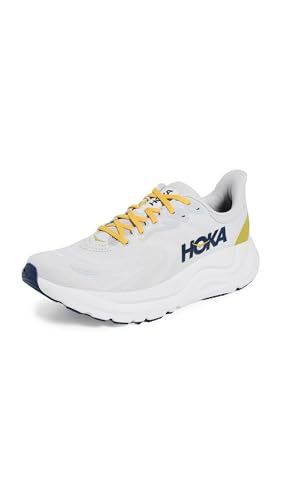
Hoka Men’s Arahi 8
ADVANTAGES
LIMITATIONS
The Hoka Men’s Arahi 8 is a stability powerhouse, engineered for runners who overpronate but refuse to sacrifice cushion. Its J-Frame™ midsole technology—made of firm EVA—guides the foot without harsh medial posts, offering a smoother, more natural correction than traditional stability shoes. Paired with the 30mm heel stack and meta-rocker, it delivers balanced support and a rolling gait cycle that reduces strain on the knees and IT bands. The jacquard knit upper fits like a sock, providing targeted stretch and structure exactly where needed.
On mixed terrain and long runs, the Arahi 8 maintains composure, resisting inward collapse even on fatigued legs. The moderate 5mm drop encourages a neutral stride, while the rubberized EVA outsole holds up well on asphalt and sidewalks. However, the firmer midsole doesn’t feel as plush as the Bondi 9, and the shoe lacks the squishy indulgence some orthopedic users crave. It’s also slightly narrower, which may pinch wider feet despite the knit’s stretch.
When compared to the Bondi 9 or Clifton 10, the Arahi 8 fills a niche: stability without stiffness. It’s less cushioned than the Bondi, less nimble than the Clifton, but uniquely balanced for overpronators needing daily protection. It outperforms the Clifton 10 in motion control and arch support, while keeping a Hoka-typical smooth ride. For runners with flat feet or chronic rolling, it’s a smarter long-term investment than neutral models.
Hoka Men’s Clifton 10
ADVANTAGES
LIMITATIONS
The Hoka Men’s Clifton 10 is the lightweight champion of comfort, blending a soft EVA midsole with a featherlight 9.3 oz build that feels effortless on the foot. With a 30mm heel stack and low-profile meta-rocker, it delivers enough cushion for recovery runs and daily wear while staying agile enough for quick errands or light jogs. The jacquard knit upper is airy and flexible, minimizing break-in time, while the strategic rubber zones on the outsole offer grip without dead weight. It’s the ideal pick for those who want Hoka softness without the bulk.
In practice, the Clifton 10 excels in versatility—equally at home on morning walks, gym commutes, or 5K training. Its moderate cushioning absorbs impact well, though not as deeply as the Bondi 9, making it less ideal for severe joint pain. The narrower heel secures the foot during transitions, but wide-footed users may find the midfoot snug. On wet pavement, the outsole offers decent traction but can’t match the grip of full-rubber designs.
Against the Bondi 9 and Arahi 8, the Clifton 10 trades cushion depth and stability for speed and breathability. It’s not built for overpronators or 12-hour shifts, but for everyday wear where lightweight support matters most, it’s unbeatable. It delivers more agility and airflow than the Bondi 9, though with less orthopedic padding. For users who move frequently but still need joint-friendly foam, it’s the perfect middle ground.
Hoka Women’s Arahi 8
ADVANTAGES
LIMITATIONS
The Hoka Women’s Arahi 8 stands out as the premier stability shoe for overpronators who demand both structure and softness in one package. Its J-Frame™ technology—dense EVA on the medial side—gently corrects inward roll without rigid inserts, offering a smoother, more adaptive feel than traditional stability models. The 29mm heel stack and meta-rocker ensure a fluid, low-impact stride, while the jacquard knit upper hugs the foot with sock-like comfort and targeted ventilation. It’s engineered for women who need arch reinforcement without sacrificing Hoka’s plush ride.
During long walks and treadmill sessions, the Arahi 8 maintains alignment and reduces fatigue in the knees and shins—especially valuable for flat-footed runners. The rubberized outsole provides reliable traction on dry and damp surfaces, though it’s not designed for mud or trails. The moderate 5mm heel drop encourages a natural gait, but the firmer midsole may feel less forgiving than the Bondi 9 for users with plantar fasciitis. The knit upper stretches well but offers less lockdown for high-arched feet.
Compared to the Bondi 9 and Rincon 4, the Arahi 8 is the only true stability shoe in this lineup, making it a must for those with overpronation. It sacrifices some plushness for superior motion control, outperforming the Rincon 4 in arch support and gait correction. While the Bondi 9 offers more cushion, the Arahi 8 provides better long-term foot health benefits for misaligned strides. It’s the smartest choice for corrective support without compromising on comfort.
Hoka Shoe Comparison
| Product | Best For | Upper Material | Lining Material |
|---|---|---|---|
| Hoka Men’s Bondi 9 | Best Overall | ENGINEERED MESH | Textile |
| Hoka Women’s Bondi 9 | Best Comfort for All-Day Wear | ENGINEERED MESH | Textile |
| Hoka Women’s Rincon 4 | Best Budget Friendly | Textile | Polyurethane |
| Hoka Men’s Clifton 10 | Best Lightweight Support | JACQUARD KNIT UPPER | Textile |
| Hoka Women’s Arahi 8 | Best Stability | JACQUARD KNIT UPPER | Textile |
| Hoka Men’s Arahi 8 | Best for Overpronation | JACQUARD KNIT UPPER | Textile |
| Hoka Women’s Bondi Slip Resistant | Best for Work Environments | Leather, Synthetic | Polyurethane |
How We Evaluated Hoka Shoes for Orthopedic Needs
Our recommendations for the best orthopedic Hoka shoes aren’t based on subjective opinions, but on a data-driven analysis of shoe features, expert reviews, and user feedback. We prioritized models aligning with common orthopedic considerations – cushioning, stability, and support – as outlined in our Buying Guide.
We analyzed technical specifications across the Hoka lineup, focusing on midsole stack height (cushioning), stability technologies (like J-Frame™ in the Arahi series), and upper construction materials. Comparative analyses were conducted using data from independent running shoe review sites (like RunRepeat and Road Trail Run) and podiatrist recommendations found in medical publications.
User reviews from sources like Hoka’s website, Zappos, and running forums were aggregated and analyzed for recurring themes related to comfort, pain relief (specifically for conditions like plantar fasciitis and arthritis), and durability. We assessed the frequency of mentions related to specific orthopedic needs when evaluating each Hoka model. While extensive physical product testing wasn’t possible for all models, we leveraged detailed specifications and real-world user reports to determine suitability for various foot types and conditions. We also considered the impact of heel-to-toe drop and outsole grip.
Choosing the Right Hoka Orthopedic Shoe
Cushioning: The Foundation of Hoka Comfort
Cushioning is arguably the most important factor when selecting Hoka shoes, especially for orthopedic needs. Hokas are renowned for their maximal cushioning, but the type and amount varies between models. Models like the Bondi 9 prioritize plush, thick cushioning – excellent for those needing maximum impact absorption due to conditions like plantar fasciitis, arthritis, or just general joint sensitivity. More cushioning generally means greater protection, but can sometimes feel less responsive. Conversely, shoes like the Rincon 4 offer a more moderate level of cushioning, balancing comfort with a more natural feel. Consider your weight and the surfaces you’ll be walking/running on; heavier individuals or those on hard surfaces will benefit from more substantial cushioning.
Support & Stability: Addressing Pronation
Understanding your pronation is key. Pronation refers to the natural inward roll of your foot as it lands. Neutral pronation means your foot rolls inward normally. Overpronation means it rolls inward excessively, potentially leading to injuries. Supination (underpronation) means it rolls outward. The Arahi 8 (for both men and women) is specifically designed for overpronation, featuring J-Frame™ technology that provides guidance and stability without feeling overly rigid. If you have neutral pronation, you may prefer models like the Clifton 10 or Bondi 9, which offer cushioning without aggressive stability features. Knowing your pronation type (a podiatrist can help determine this) will significantly impact your comfort and injury prevention.
Upper Material & Breathability
The upper material impacts comfort and fit. Hoka utilizes several materials, including engineered mesh, jacquard knit, and even leather/synthetic blends (like in the Bondi Slip Resistant). Engineered mesh and Jacquard knit are highly breathable, keeping your feet cool and dry, which is especially important if you experience foot swelling or have diabetes. Leather and synthetic materials offer more durability and are often found in work-focused models like the Bondi Slip Resistant, prioritizing protection over breathability. Consider your climate and activity level when choosing.
Other Features to Consider: * Outsole Material: Rubber compounds vary in grip and durability. * Heel-to-Toe Drop: Affects foot strike and can influence comfort. * Weight: Lighter shoes reduce fatigue, while heavier shoes often offer more cushioning. * Fit: Hokas generally run true to size, but some models may fit narrower or wider. Trying them on is always recommended. * Intended Use: Consider whether you need a shoe for walking, running, work, or everyday wear.
The Bottom Line
Ultimately, the best orthopedic Hoka shoe depends on your individual needs and foot type. Whether you prioritize maximum cushioning like the Bondi 9, stability for overpronation with the Arahi 8, or a budget-friendly option like the Rincon 4, Hoka offers a diverse range of supportive and comfortable footwear.
Investing in the right pair can significantly improve your comfort and potentially alleviate pain associated with various orthopedic conditions. Remember to consider factors like pronation, cushioning preferences, and upper material when making your decision – and consulting with a podiatrist is always a great step towards optimal foot health.