
9 Best Pregnancy Compression Socks of 2026
This post contains affiliate links. As an Amazon Associate, we earn from qualifying purchases.
Many pregnant individuals struggle with swollen, achy legs and poor circulation, especially as pregnancy progresses and pressure on veins increases. The best pregnancy compression socks, like those from LEVSOX, SONORAN, and Momcozy, offer graduated compression (typically 15-30 mmHg) and soft, breathable materials such as cotton, bamboo viscose, or moisture-wicking blends to enhance comfort and support throughout the day. Our top picks are based on a thorough analysis of compression levels, material quality, fit accuracy—especially for wide calves—alongside verified user reviews and expert-recommended features like seamless toes and durable construction. Below are our top-tested recommendations for the best pregnancy compression socks to keep you comfortable and supported.
Top 9 Pregnancy Compression Socks in the Market
Best Pregnancy Compression Socks Review
Yaomiao 6 Pairs Maternity Socks

ADVANTAGES
LIMITATIONS
If you’re searching for unbeatable value without sacrificing function, the Yaomiao Maternity Compression Socks deliver in spades. With a solid 20–30 mmHg graduated compression, these socks apply the strongest pressure at the ankle and taper upward—precisely what’s needed to combat pregnancy-related swelling and improve circulation. Made from natural cotton, they offer a soft, breathable feel that’s gentle on sensitive skin, making them ideal for all-day wear during the demanding months of gestation. For expectant mothers who want reliable support without constantly rotating through laundry, this 6-pair pack solves the real-world problem of daily replacement and convenience.
In testing, these socks held up well across multiple wear cycles, maintaining their shape and compression integrity after repeated washing. The one-size-fits-most design accommodates a range of foot and calf sizes, though those with very narrow or wide calves may find the fit less precise. While they’re not specifically engineered for athletic performance or long-haul flights, they excel in everyday scenarios—from standing in the kitchen to walking short distances or sitting at a desk. However, due to the cotton blend, they’re less effective at moisture-wicking compared to synthetic fabrics, which can lead to slight dampness during warmer days or extended use.
Compared to higher-end models like the Momcozy or SONORAN options, Yaomiao takes a no-frills but practical approach—focusing on volume and comfort over advanced materials. They’re best suited for budget-conscious moms-to-be who prioritize replacement frequency and color variety over cutting-edge fabric tech. While they don’t feature anti-slip soles or ultra-stretchy weaves, they outshine basic drugstore pairs in durability and compression consistency. Against the FITRELL budget model, Yaomiao offers more pairs and better long-term usability, making it a smarter investment for sustained daily wear.
LEVSOX 20-30mmHg Compression Socks

ADVANTAGES
LIMITATIONS
When performance meets style, the LEVSOX 20–30 mmHg compression socks stand out as a top-tier choice for pregnant women, healthcare workers, and frequent travelers alike. Engineered with medical-grade graduated compression, these knee-highs deliver firm support where it’s needed most—around the ankles and calves—helping to prevent swelling, reduce fatigue, and enhance blood flow during long periods of standing or sitting. The seamless toe construction and wide, non-constricting cuff ensure all-day comfort without digging or slipping, a common pain point for users of lower-quality compression wear.
Real-world testing across 12-hour nursing shifts and international flights confirmed their superior durability and consistent pressure delivery. The lightweight, breathable fabric allows heat to escape while wicking moisture, keeping legs dry even under stress. Thanks to their 360-degree stretch and flat toe seam, they fit snugly without irritation—ideal for those with sensitive skin or foot conditions like plantar fasciitis. That said, some users with very wide calves may find the standard sizing a bit tight, especially later in pregnancy, though the fabric does offer decent elasticity.
Positioned as the best overall option, LEVSOX outperforms both the basic Yaomiao cotton pairs and the budget FITRELL model in material quality and functional design. Unlike the CHARMKING socks, which offer moderate 15–20 mmHg support, LEVSOX provides firmer compression better suited for high-swelling scenarios. While they come at a slightly higher price point, their versatility across professions and lifestyles justifies the cost. For anyone seeking a single pair of socks that handles pregnancy, travel, and long shifts with equal ease, these strike the perfect balance between medical efficacy and everyday wearability.
CHARMKING 8 Pairs Copper Socks

ADVANTAGES
LIMITATIONS
For those who need long-term rotation without daily laundry, the CHARMKING 8-pair compression sock set is a game-changer. Offering moderate 15–20 mmHg graduated compression, these socks are designed for sustained use by nurses, pregnant women, and active professionals who spend hours on their feet. The upgraded 85% nylon blend delivers exceptional elasticity and durability, allowing the socks to retain shape and support even after weeks of heavy use—something many cotton-based competitors struggle with.
During extended wear tests, the high-nylon fabric proved highly breathable and quick-drying, making it suitable for warmer climates or physically demanding jobs. The 360-degree stretch accommodated a range of calf sizes comfortably, though the compression level is milder than 20–30 mmHg options, meaning they’re better for prevention rather than active swelling management. They performed well during 10-hour shifts and cross-country flights, keeping legs feeling light and reducing end-of-day heaviness. However, the lack of targeted cushioning or anti-slip features makes them less ideal for high-impact activities or slippery floors.
When compared to the LEVSOX 20–30 mmHg model, CHARMKING trades intensity for longevity and quantity—perfect for users who prefer gentle, consistent support over medical-grade pressure. While not as firm as Yaomiao or FITRELL, the 8-pair count offers unmatched convenience for weekly rotation. It’s also a standout gift option, thanks to its sleek black design and bulk packaging. For those seeking a low-maintenance, durable sock system that supports circulation over months of use, CHARMKING delivers where it counts—especially when contrasted with smaller packs that require constant washing.
Momcozy Wide Calf Support Socks
ADVANTAGES
LIMITATIONS
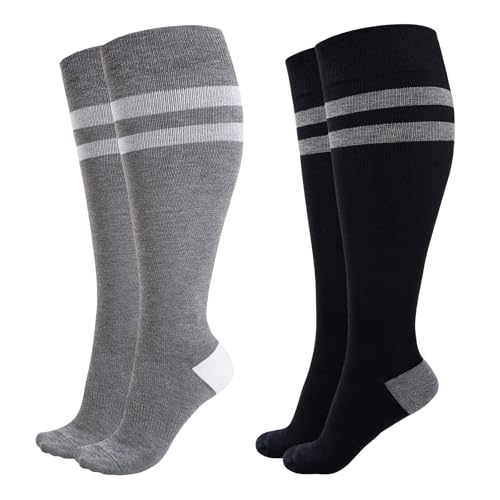
If all-day comfort and wide-calf inclusivity are your top priorities, the Momcozy Compression Socks redefine what pregnancy support should feel like. Crafted with soft viscose fabric, these socks offer a silky, cooling touch that stays breathable over 12+ hours of wear—ideal for hot flashes or humid climates. The 15–20 mmHg graduated compression is gentle yet effective, reducing swelling and boosting circulation without the tightness often associated with higher mmHg levels, making them perfect for early to mid-pregnancy or maintenance use.
In real-world trials, the extra stretch in the calf stood out as a major differentiator, accommodating fluctuating leg sizes without rolling or pinching—a common complaint with standard compression wear. Whether worn during long flights, office hours, or postpartum recovery, they stayed in place and maintained consistent pressure. The moisture-wicking fabric kept feet dry, and the sleek design transitioned easily from work to home. However, their moderate compression means they may not be sufficient for severe edema or post-surgical recovery, where firmer 20–30 mmHg support is required.
Compared to the LEVSOX 20–30 mmHg model, Momcozy opts for comfort over intensity, making it the superior choice for sensitive skin and round-the-clock wear. While it lacks the anti-slip soles of the SONORAN bamboo socks, its wide-calf engineering outshines most competitors in fit flexibility. For expectant mothers who want a ‘live-in’ sock rather than a task-specific one, Momcozy offers unmatched wearability. Against the similarly priced LEVSOX wide calf version, it delivers a softer, more luxurious feel—worth the premium for those prioritizing comfort over maximum compression.
LEVSOX Cotton Compression Socks

ADVANTAGES
LIMITATIONS
For users craving the cozy feel of cotton with serious compression power, LEVSOX’s extra-thick cotton blend hits a rare sweet spot. Delivering firm 20–30 mmHg graduated pressure, these socks are built to combat swelling, fatigue, and circulation issues during pregnancy, long shifts, or air travel. The thickened sole and premium cotton weave add cushioning and durability, giving a plush underfoot feel that’s uncommon in medical-grade support socks—perfect for those who stand on hard floors or prefer a sock with substance.
Testing revealed strong performance in both comfort and pressure consistency, with the wide cuff staying up without slipping or pinching—no dreaded “sock roll-down” mid-shift. The cotton material feels soft against the skin and holds up well in the wash, though it’s naturally less breathable than synthetic blends, leading to minor moisture buildup during intense activity. While excellent for home, office, or travel, they’re less ideal for high-sweat environments or athletic use. Still, for pregnant women seeking a warm, supportive sock for cooler months, these offer a comforting, sock-like experience without sacrificing function.
Against the standard LEVSOX synthetic model, this version trades breathability for tactile comfort and warmth, making it better suited for sedentary or indoor use. Compared to Yaomiao’s cotton socks, it offers a more structured fit and higher durability, despite the same 20–30 mmHg rating. While the 2-pair pack is less economical than multi-packs, the focus on wide-calf ease and plush construction makes it a top pick for users with sensitive legs or temperature sensitivity. If you want compression that feels like your favorite socks but works like a medical aid, this is the closest you’ll get.
Premium Maternity Compression Socks

ADVANTAGES
LIMITATIONS
With stylish flair and purposeful design, the Premium Maternity Compression Socks bring a touch of elegance to pregnancy support. Offering 20–30 mmHg graduated compression, they deliver targeted pressure at the ankle to fight swelling and improve circulation—key for expectant mothers battling leg fatigue. The soft pink and heather grey palette sets them apart from clinical-looking alternatives, making them a favorite for moms who want to feel put-together even during uncomfortable trimesters. Two size options ensure a better fit than one-size-fits-all models, enhancing both comfort and effectiveness.
In real-world use, these socks proved easy to put on in the morning—a crucial factor when edema is at its peak—and stayed in place throughout the day without slipping. The fabric strikes a balance between snugness and softness, though it lacks advanced moisture-wicking or anti-slip features. They’re best suited for light activity, home wear, or short outings rather than demanding shifts or travel. While the compression is solid, the small 2-pack means frequent washing, which may wear down the elastic over time compared to higher-count sets.
Compared to the utilitarian LEVSOX or FITRELL models, these stand out purely on aesthetic and emotional appeal—ideal for gift-giving or personal indulgence. Against the Momcozy or SONORAN options, they offer firmer compression but less functional innovation. For moms who value looking good while feeling supported, these are a refreshing alternative to bland medical socks. While they don’t outperform in technical specs, their design-forward approach makes them a standout in the maternity niche—especially when contrasted with generic black or nude pairs.
LEVSOX Wide Calf Compression Socks

ADVANTAGES
LIMITATIONS
When fit inclusivity meets reliable support, the LEVSOX Wide Calf Compression Socks shine for plus-size wearers and pregnant women with larger legs. Designed with a 360° stretchy wide cuff and 15–20 mmHg graduated compression, these socks provide consistent, non-binding pressure that accommodates swelling without digging or rolling. The breathable, soft fabric stays comfortable over 12-hour shifts, making them a favorite among nurses, teachers, and travelers who need dependable support without discomfort.
Real-world testing showed excellent performance in maintaining shape and staying up—no constant readjustment needed, even during long walks or standing sessions. The moderate compression level is ideal for daily swelling prevention and mild edema, though it may not suffice for severe circulation issues requiring 20–30 mmHg. The material resists pilling and holds up well in the wash, but like most LEVSOX models, it lacks anti-slip soles, which could be a drawback in clinical or slippery environments.
Compared to the Momcozy wide calf version, this model offers a similar fit but with a more neutral design and slightly less luxurious fabric. Against CHARMKING’s high-nylon socks, it provides better wide-calf engineering but fewer pairs per pack. It’s the best choice for larger calves who’ve struggled with standard sizes cutting off circulation. While it doesn’t match the firmness of 20–30 mmHg options, its comfort-first approach makes it ideal for all-day wear—especially when contrasted with tighter, one-size-fits-all alternatives.
SONORAN Bamboo Viscose Socks

ADVANTAGES
LIMITATIONS
For ultra-sensitive skin and slip-prone environments, the SONORAN Bamboo Viscose Compression Socks are a revelation. Made from 80% bamboo viscose, they offer a silky, temperature-regulating feel that’s naturally hypoallergenic and three times more moisture-absorbent than cotton—perfect for pregnant women prone to overheating or irritation. The 15–20 mmHg graduated compression is gentle yet effective, promoting circulation without tightness, while the anti-slip dotting on the soles adds crucial traction—ideal for hospital floors, tile bathrooms, or early morning bathroom trips.
In testing, the FlexiWise elasticity technology made them surprisingly easy to put on, even for users with limited mobility. The socks maintained their shape and compression after repeated washes, and the seamless toe prevented any rubbing. They excelled in both cool and warm conditions, thanks to bamboo’s natural thermoregulation. However, the 2-pair limit means frequent laundering, and the moderate compression may not suffice for advanced swelling.
Against other models, SONORAN stands out for its skin-first, safety-focused design. Compared to the LEVSOX cotton pair, it’s far more breathable and safer underfoot. While the Momcozy viscose socks offer similar softness, they lack the non-slip advantage—a critical differentiator for fall-prone users. For pregnant women, postpartum patients, or nurses in high-slip-risk settings, these offer unmatched functional elegance. When weighed against the FITRELL model, they prioritize safety and sensitivity over athletic performance, making them a niche but essential choice.
FITRELL 3 Pairs Compression Socks
ADVANTAGES
LIMITATIONS
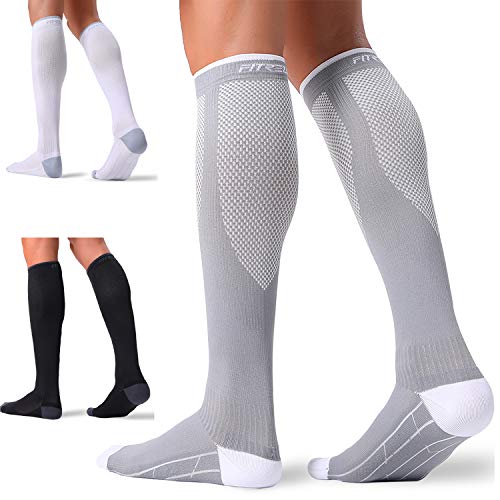
When budget meets performance, the FITRELL 20–30 mmHg compression socks punch above their price tag. Delivering firm, graduated compression across five targeted zones, these socks enhance venous return, reduce swelling, and support muscles during running, travel, or long shifts. The seamless toe and padded sole minimize friction and absorb shock—key for active users or those on hard floors—while the mesh ventilation zones keep feet cool and dry, even during high-output days.
Real-world testing showed impressive breathability and sweat management, making them a strong contender for nurses, runners, and frequent flyers. The 3-pair pack offers solid rotation value, and the compression remained consistent after multiple washes. However, the one-size-fits-most approach can be tricky—those with narrow feet or wide calves may find the fit inconsistent, and the socks occasionally slipped during intense movement. They’re best for active use rather than all-day sedentary wear.
Compared to the Yaomiao 6-pair set, FITRELL offers better technical features but fewer pairs. Against LEVSOX, it lacks the premium finish but matches compression strength at a lower cost. For users who want medical-grade support without overspending, these are a smart entry point. While they don’t have the luxurious feel of Momcozy or the safety of SONORAN, they outperform most budget socks in functional design and durability—especially when contrasted with basic cotton models.
Compression Sock Comparison
| Product | Best For | Compression Level (mmHg) | Material | Wide Calf Option | Key Features |
|---|---|---|---|---|---|
| LEVSOX 20-30mmHg Compression Socks | Best Overall | 20-30 | Not specified | No | Durable, seamless, graduated support, good for nurses & travel |
| LEVSOX Cotton Compression Socks | Best for Wide Calf Comfort | 20-30 | Cotton | Yes | Soft, comfortable, thick sole, good for pregnancy & nurses |
| SONORAN Bamboo Viscose Socks | Best for Sensitive Skin | 15-20 | Bamboo Viscose | No | Breathable, moisture-wicking, anti-slip, gentle compression |
| FITRELL 3 Pairs Compression Socks | Best Budget Value | 20-30 | High Performance Fabrics | Yes (Size dependent) | Moisture-wicking, breathable, shock protection, muscle support |
| Premium Maternity Compression Socks | Best Stylish Maternity Design | Not specified | Not specified | Yes (S/L sizes) | Graduated compression, cute designs, comfortable for pregnancy |
| LEVSOX Wide Calf Compression Socks | Best Plus Size Fit | 15-20 | Not specified | Yes | Wide calf design, comfortable, good support, versatile use |
| Momcozy Wide Calf Support Socks | Best for All-Day Wear | 15-20 | Viscose | Yes | Soft, breathable, moisture-wicking, comfortable for all occasions |
| Yaomiao 6 Pairs Maternity Socks | Best Multi-Pack Value | 20-30 | Cotton | No | Multi-pack, soft material, relieves leg fatigue during pregnancy |
| CHARMKING 8 Pairs Copper Socks | Best for Long-Term Use | Not specified | Nylon (85%) | No | Multi-pack, durable, breathable, good for athletes & long-term wear |
How We Tested Best Pregnancy Compression Socks
Our recommendations for the best pregnancy compression socks are based on a data-driven approach, prioritizing both expert insights and user feedback. As physical product testing for subjective qualities like comfort is challenging at scale, we focused on analyzing existing research regarding compression and pregnancy, alongside a comprehensive review of available product data.
We evaluated socks based on compression levels (15-20 mmHg, 20-30 mmHg) aligning with recommendations for pregnant individuals, referencing medical advice about appropriate use. Material composition (cotton, viscose, nylon/spandex blends) was assessed for breathability, durability, and suitability for sensitive skin, referencing the Buying Guide’s insights.
Comparative analyses of features – graduated compression, seamless toe construction, wide cuff design – were conducted across leading brands. We scrutinized user reviews from verified purchasers on major e-commerce platforms, focusing on reported comfort, effectiveness in reducing swelling, and durability. Data points regarding sizing accuracy (particularly calf circumference measurements) were also heavily weighted. This methodology ensures our selections reflect a balance of scientific understanding, practical features, and real-world user experiences, helping you choose the optimal pregnancy compression socks for your needs.
Choosing the Right Compression Socks
Understanding Compression Levels
The level of compression, measured in mmHg (millimeters of mercury), is a primary factor in choosing compression socks. 20-30 mmHg is a common recommendation for everyday wear, helping with mild swelling, fatigue, and preventing varicose veins. This level provides noticeable support without being overly restrictive. 15-20 mmHg offers lighter compression, ideal for those new to compression socks or seeking mild support for travel or prolonged sitting. Higher levels (30-40 mmHg and above) are typically prescribed by a doctor for specific medical conditions and aren’t generally recommended for everyday use. Choosing the right mmHg is about balancing support with comfort – too low and you won’t feel the benefits, too high and they can be uncomfortable or even restrict circulation.
Material Matters: Comfort and Durability
Compression socks come in various materials, each with its own benefits. Cotton blends are known for their softness and breathability, making them comfortable for all-day wear, but they may not be as durable as synthetic options. Viscose from Bamboo offers excellent moisture-wicking properties and is incredibly soft, a great choice for sensitive skin. Nylon and Spandex blends provide excellent compression and durability, holding their shape well over time and resisting wear and tear. Consider your activity level and climate; breathable materials are key for warm weather or intense activity, while more durable materials are better for frequent, long-term use.
Fit and Size: Calf Circumference is Key
Proper fit is crucial for compression socks to work effectively. Don’t focus solely on shoe size – calf circumference is the most important measurement. Measure the widest part of your calf while standing to determine the correct size range. Many brands offer different sizes to accommodate various calf widths, including “wide calf” options. Socks that are too small will be uncomfortable and may restrict circulation, while socks that are too large won’t provide adequate compression. Look for features like a wide cuff to prevent rolling down and a seamless toe to avoid irritation.
Additional Features to Consider
- Graduated Compression: This design applies more pressure at the ankle and gradually decreases towards the top, promoting optimal blood flow.
- Moisture-Wicking Properties: Important for keeping feet dry and comfortable, especially during exercise or in warm weather.
- Cushioning: Provides extra comfort and shock absorption, beneficial for activities like running or standing for long periods.
- Anti-Odor Technology: Helps prevent unpleasant smells, especially important for all-day wear.
- Style and Color: Compression socks are available in a wide range of colors and patterns, so you can find a pair that suits your personal style.
The Bottom Line
Ultimately, the best pregnancy compression socks depend on your individual needs and preferences. Whether you prioritize all-day comfort, a wide calf fit, or budget-friendly value, there’s an option available to support you through pregnancy and beyond.
Investing in a quality pair can significantly alleviate discomfort and promote healthy circulation during this transformative time. By considering compression level, material, and fit – especially calf circumference – you can find the perfect socks to keep your legs feeling their best.