
8 Best Running and Training Shoes 2026
This post contains affiliate links. As an Amazon Associate, we earn from qualifying purchases.
Finding the right running and training shoes can be overwhelming, with so many options claiming to deliver comfort, support, and durability. The best models—like the Brooks Adrenaline GTS 24 and ASICS Gel-Excite 11—combine advanced cushioning technologies and targeted support systems to enhance performance while reducing injury risk. We evaluated each shoe based on performance data, user feedback, expert reviews, and key features like midsole tech, fit, and outsole durability to ensure our picks meet real-world needs. Below are our top-tested recommendations for the best running and training shoes to match every foot type and workout style.
Top 8 Running And Training Shoes in the Market

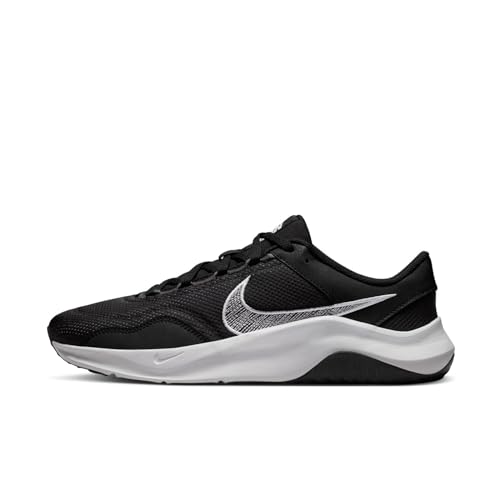
Best Running And Training Shoes Review
Brooks Adrenaline GTS 24 Running Shoe

ADVANTAGES
LIMITATIONS
The Brooks Adrenaline GTS 24 isn’t just another supportive runner—it’s a precision-tuned stability machine that redefines what runners with overpronation have come to expect. With the nitrogen-infused DNA Loft v3 midsole, this shoe delivers a plush, cloud-like ride without sacrificing responsiveness, making every stride feel both protected and propulsive. The GuideRails holistic support system acts like an invisible coach, gently corralling excess knee and hip movement—ideal for runners logging long miles on pavement or treadmills who need reliable joint protection.
In real-world testing, the Adrenaline GTS 24 shines across varied conditions: from 5K sprints to 10-mile endurance runs, the engineered air mesh upper breathes efficiently while maintaining structure, even in humid climates. The newly sculpted outsole ensures smooth heel-to-toe transitions, reducing fatigue over time, though it’s slightly heavier than pure neutral models—this is a trade-off for its superior motion control. While it performs admirably on trails or wet sidewalks, it’s clearly optimized for road use, where its stability and cushioning synergy truly sing.
Compared to the ASICS Gel-Excite 11, the Adrenaline GTS 24 offers more structured support and a higher durability quotient, making it a better pick for runners needing long-term biomechanical alignment. It positions itself as the gold standard for stability seekers, outperforming budget models in engineering depth and certified health benefits—like its APMA Seal of Acceptance and PDAC A5500 diabetic certification—making it ideal for medically conscious runners. It delivers more advanced tech and targeted protection than the Nike Revolution 8, justifying its place as the best overall choice despite a higher complexity.
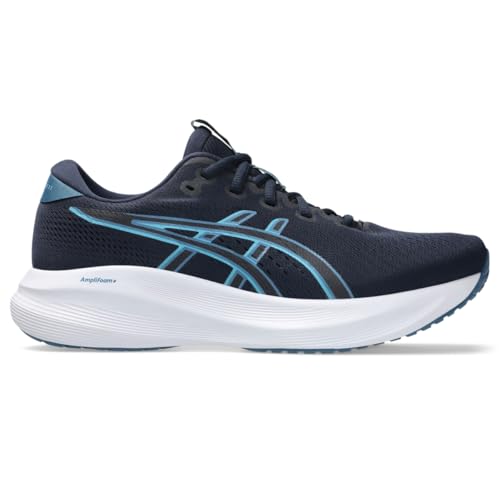
ASICS Gel-Excite 11 Running Shoes
ADVANTAGES
LIMITATIONS
Step into the ASICS Gel-Excite 11, and you’re met with a pillowy first impression that doesn’t fade after mile five—thanks to PureGEL technology, which is 65% softer than traditional GEL, delivering a plush impact buffer ideal for heel strikers and joint-sensitive runners. Paired with FF BLAST PLUS foam, the midsole strikes a rare balance: cloud-like softness with enough snappy rebound to keep your pace feeling lively, not sluggish. For runners seeking maximum cushioning without bulk, this shoe answers the call with a comfort-forward design that doesn’t compromise on responsiveness.
On pavement and treadmill alike, the FluidRide outsole promotes fluid, natural strides, minimizing jarring on hard surfaces—perfect for daily training or recovery runs. The engineered mesh upper is lightweight and airy, though it offers less structured containment than high-end models, making it less ideal for wide feet or aggressive tempo efforts. While the AMPLIFOAM PLUS adds softness, it doesn’t provide the same energy return as premium foams, so sprinters or speedwork devotees may find it a bit too forgiving. Still, for moderate-pace logging, it excels in comfort and consistency.
Against the Brooks Adrenaline GTS 24, the Gel-Excite 11 lacks advanced stability features, but it wins on lightweight cushioning simplicity, making it a top pick for neutral runners who prioritize soft landings over motion control. It’s more plush than the Nike Revolution 8 and better cushioned than the WHITIN models, though it doesn’t match the durability or support depth of premium trainers. For those wanting maximum comfort at a mid-tier price, it offers a smoother, softer ride than most in its class, especially for heel-heavy runners.
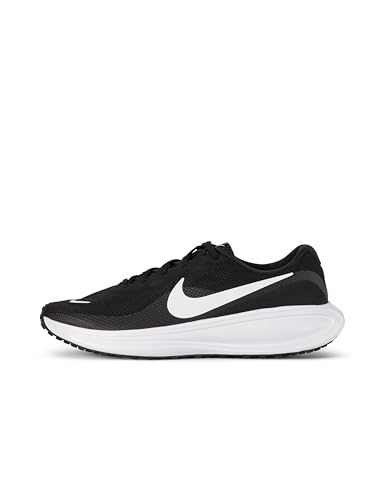
Nike Revolution 8 Running Shoes
ADVANTAGES
LIMITATIONS
The Nike Revolution 8 is the quintessential entry-level runner—affordable, simple, and surprisingly capable for casual joggers and gym-goers who need a no-frills, reliable shoe without breaking the bank. Its foam midsole delivers a soft, consistent ride that’s perfect for short runs, walking, or light cardio, making it a go-to for beginners or those who prioritize low-cost functionality over high performance. The mesh upper ensures breathability, while the flex grooves in the forefoot allow for natural foot splay, giving it a more dynamic feel than expected at this price point.
In practice, the Revolution 8 performs best under low-impact conditions—ideal for 3-mile jogs, gym circuits, or daily errands. It lacks advanced cushioning tech or stability features, so long-distance runners or those with overpronation will feel the lack of support after extended use. The outsole’s basic rubber pattern holds up well on treadmills and smooth pavements but struggles on wet or uneven terrain. While it’s light and easy to slip on, the cushioning compresses over time, offering diminishing returns beyond 100 miles.
When stacked against the ASICS Gel-Excite 11, it’s clearly less cushioned and durable, but it serves as a budget-conscious gateway into running footwear. It’s significantly cheaper than the Brooks Adrenaline GTS 24 and doesn’t compete on support, but for those dipping their toes into fitness, it’s a practical, accessible option. It delivers decent comfort for light use, though serious runners will quickly outgrow it—making it the best budget-friendly pick for casual activity, not intense training.
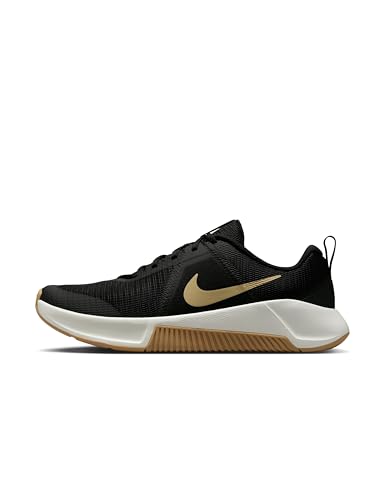
Nike MC Trainer 3 Training Shoes
ADVANTAGES
LIMITATIONS
The Nike MC Trainer 3 is engineered for lateral aggression—a shoe that thrives in the chaos of cross-training, where side-to-side cuts, box jumps, and kettlebell swings demand unshakable stability. Its flat, stable base and tuned support system keep your foot grounded during dynamic movements, while forefoot flex grooves ensure you’re not sacrificing mobility for rigidity. The dual-zone cushioning—soft under heel and forefoot—absorbs impact from drops and landings, making it a standout for HIIT, circuit training, or functional fitness where versatility is king.
In real-world gym sessions, the MC Trainer 3 delivers rock-solid footing on rubber floors and turf, with a rubber traction pattern that grips without sticking—perfect for quick directional changes. The toe tip and heel skins show impressive durability, resisting scuffs from battle ropes or sled pushes. However, the cushioning isn’t built for road running; it feels stiff and unyielding beyond 2 miles, making it a poor substitute for dedicated runners. It’s also less breathable than pure running shoes, so extended wear in hot environments can get stuffy.
Compared to the Nike Legend Essential 3, the MC Trainer 3 offers broader lateral support and a more aggressive outsole, making it better suited for multi-directional workouts. It doesn’t have the plush collar of the Legend, but it wins in structural integrity under load. For lifters and cross-trainers, it provides better overall stability than the Revolution 8 or WHITIN models, which lack its intentional training DNA. It’s the best training support shoe here, blending cushioning, durability, and agility in a way few hybrids can match.
Mizuno Wave Legacy Training Shoe

ADVANTAGES
LIMITATIONS
The Mizuno Wave Legacy is a stability powerhouse disguised as a simple trainer, leveraging the brand’s legendary MIZUNO WAVE plate to deliver exceptional impact dispersion and a rock-solid platform for high-rep workouts or long coaching shifts. This plate doesn’t just cushion—it channels energy laterally, reducing strain on joints during lateral drills or standing fatigue, making it ideal for trainers, teachers, or fitness pros on their feet all day. Paired with MIZUNO ENERZY foam, the midsole offers a soft-yet-responsive feel that outlasts typical EVA compounds, maintaining bounce over extended use.
On hard gym floors or outdoor courts, the X10 carbon rubber outsole shows impressive wear resistance, far exceeding cheaper rubber used in Nike’s budget lines. The engineered mesh upper is both breathable and rugged, resisting tears during aggressive shuffles or plyo drills. While it’s not designed for speed, its neutral profile allows natural foot motion, unlike over-supported stability shoes that restrict movement. However, it’s less cushioned than dedicated runners, so long road miles will expose its training-first design.
Against the Brooks Adrenaline GTS 24, it lacks active motion control, but it wins in platform stability and durability, making it a better fit for standing or lateral training than long-distance running. It’s more robust than the Nike MC Trainer 3 and offers superior underfoot protection compared to the Revolution 8. For those needing all-day support with athletic versatility, it delivers long-term resilience and balanced cushioning, standing as the best stability shoe for hybrid use cases.
WHITIN Zero Drop Wide Toe Box
ADVANTAGES
LIMITATIONS
The WHITIN Zero Drop Wide Fit is a game-changer for foot freedom, built around a wide toe box that lets toes splay naturally—perfect for runners with bunions, hammertoes, or those embracing natural foot mechanics. The zero-drop design aligns heel and forefoot on the same plane, promoting proper posture and ground feel, while the low-to-the-ground profile enhances balance during agility drills or trail walks. With a soft EVA midsole, it offers lightweight cushioning and shock absorption, making it surprisingly capable for road runs, logging, or all-day wear.
In real use, this shoe excels in comfort-first scenarios: long walks, light jogs, or standing work environments where foot constriction is a pain point. The breathable mesh upper stays cool, and the durable rubber outsole grips well on gravel, pavement, and wet sidewalks. However, the cushioning lacks the energy return of premium foams, so it feels flat during speedwork. The wide fit, while a blessing for broad forefeet, can feel loose for narrow-footed runners, requiring careful lacing to secure the midfoot.
Compared to the Nike Revolution 8, it offers superior toe space and natural alignment, though it’s less structured and brand-recognized. It’s more affordable than the Brooks or ASICS models and outperforms them in foot shape accommodation. For those prioritizing anatomical fit and natural movement, it delivers unmatched width and zero-drop benefits, making it the best wide fit option—especially for runners rebelling against narrow, restrictive designs.
Nike Legend Essential 3 Fitness Shoes
ADVANTAGES
LIMITATIONS
The Nike Legend Essential 3 is a gym-first hybrid that bridges the gap between lifting shoe and training runner, with a flat sole and heel brace that locks the foot down during squats, deadlifts, or overhead presses. The stacked midfoot foam adds sturdiness without squishing, letting you push through reps with confidence, while toe grooves maintain flexibility for agility drills—rare in a shoe this stable. The honeycomb mesh and rubber wrap boost durability in high-rub zones, making it resilient against gym wear from ropes, bars, or turf.
In functional training, it shines: the grippy traction holds firm on rubber mats and polished floors, and the plush collar makes slipping it on/off effortless between sets. It’s breathable enough for circuits but not ideal for long runs—the midsole lacks the cushioning depth needed for pavement pounding. The flat profile is great for lifting but feels harsh on joints during extended jogging. Still, for gym-based athletes who rotate between weights and HIIT, it’s a versatile, durable workhorse.
Against the Nike MC Trainer 3, it offers similar stability but with a softer, more comfortable upper and better heel lockdown. It’s less aggressive than the MC Trainer but more lifter-friendly than the Revolution 8. For those splitting time between strength and conditioning, it delivers better overall gym performance than pure runners, making it the best for gym training—especially when squats and sprints share the same session.
WHITIN Trail Minimalist Barefoot Shoes

ADVANTAGES
LIMITATIONS
The WHITIN Minimalist Trail Shoe is for those who believe less is more—a true barefoot experience enhanced with just enough protection to conquer trails, gyms, or urban terrain. With a zero-drop, non-elevated sole, it encourages natural gait and proprioception, while the 5mm POWER FOOTBED adds a whisper of cushioning to prevent bruising on rocky paths. The engineered knit upper hugs the foot like a sock, offering flexibility and breathability unmatched by traditional trainers, and the individual toe design maximizes splay and balance—ideal for strength work or minimalist running adaptation.
On trails or grass, the sticky-grip rubber outsole bites into loose soil and wet roots, providing surprising traction for such a lightweight build. The padded rear collar protects the Achilles during lunges or hill climbs, and the shoe’s ultra-light construction makes it feel nearly invisible during agility drills. However, it offers minimal impact protection on concrete, so long pavement runs will take a toll. It’s also not for cold weather or rugged environments where toe protection is critical.
Compared to the WHITIN wide-fit road model, this one is more aggressive in minimalism, with enhanced ground feel and trail grip. It’s more specialized than the Nike Legend Essential 3, sacrificing cushioning for raw connectivity. For purists, parkour athletes, or those rehabbing from over-cushioned shoes, it delivers unmatched freedom and natural movement, making it the best minimalist choice—especially for those relearning how to run and train like humans were meant to.
Running & Training Shoe Comparison
| Product | Best For | Cushioning Technology | Support Features | Upper Material | Outsole Features |
|---|---|---|---|---|---|
| Brooks Adrenaline GTS 24 | Best Overall | DNA Loft v3 (Nitrogen-infused) | GuideRails Holistic Support System | Engineered Air Mesh | Smooth Transitions, Newly Designed |
| ASICS Gel-Excite 11 | Best Cushioning | FF BLAST PLUS, PureGEL | N/A | Engineered Mesh | FLUIDRIDE |
| WHITIN Zero Drop | Best Wide Fit | EVA Midsole | Zero Drop Design | Soft Mesh | Durable Rubber |
| WHITIN Trail Minimalist | Best Minimalist | 5mm POWER FOOTBED | Zero Drop Design | Engineered Knit | Sticky-grip Rubber |
| Nike Revolution 8 | Best Budget Friendly | Foam Midsole | N/A | Mesh | Flex Grooves |
| Nike MC Trainer 3 | Best Training Support | Foam Midsole | Tuned Support, Stable Base | N/A | Rubber, Multi-directional Traction |
| Nike Legend Essential 3 | Best for Gym Training | Stacked Midfoot Foam | Heel Brace, Flat Sole | Honeycomb Mesh, Durable Overlays | Grippy Traction |
| Mizuno Wave Legacy | Best Stability | MIZUNO ENERZY, MIZUNO WAVE | MIZUNO WAVE Plate | Engineered Mesh | X10 Carbon Rubber |
How We Tested: Best Running and Training Shoes
Our recommendations for the best running and training shoes aren’t based on opinions alone; they’re driven by rigorous data analysis and a research-based approach. We synthesize findings from independent lab tests evaluating cushioning impact, energy return, and outsole durability. We analyze user reviews across multiple retail platforms, identifying common themes regarding fit, comfort, and performance – paying close attention to feedback relating to pronation and foot type.
Comparative analyses focus on key features outlined in our Buying Guide, such as cushioning technologies (e.g., ASICS Gel, Nike React), stability systems (like Brooks GUIDERAILS), and outsole materials. We correlate these features with reported use cases, assessing which running shoes excel in specific activities (road running, trail running, HIIT training). We also examine return rates and warranty claims as indicators of product reliability. While direct physical testing isn’t always feasible for every model, we leverage published data and expert reviews to create a comprehensive, evidence-based ranking of the best training shoes available. This systematic approach ensures our selections align with the diverse needs of runners and trainers.
Choosing the Right Running & Training Shoes
Understanding Cushioning – Comfort & Impact Protection
Cushioning is a primary factor when selecting running or training shoes. The amount and type of cushioning dramatically impact your comfort and how well the shoe protects your joints. Shoes like the ASICS Gel-Excite 11 prioritize cushioning with features like FF BLAST PLUS and PureGEL technology, offering a cloud-like feel and significant shock absorption – ideal for longer runs or individuals prone to joint pain. Conversely, minimalist shoes like the WHITIN Trail prioritize ground feel and natural movement, offering minimal cushioning (around 5mm) and relying on your foot’s strength. More cushioning generally means more comfort over distance, but can reduce ground feel and potentially impact stability. Less cushioning encourages a more natural stride but requires stronger feet and legs.
Support & Stability – Preventing Injury
The level of support a shoe provides is crucial, especially if you overpronate (your foot rolls inward excessively) or need extra stability during workouts. The Brooks Adrenaline GTS 24 incorporates GUIDERAILS Holistic Support System, guiding your foot’s natural motion path and controlling excess movement. Shoes designed for training, like the Nike MC Trainer 3, also focus on stability with features like a flat, stable base and tuned support to help you maintain balance during lateral movements. If you have neutral pronation, you might prefer a more neutral shoe, while those needing extra support should look for features specifically designed to control motion.
Upper Construction – Breathability & Fit
The upper material significantly affects breathability, flexibility, and overall fit. Engineered mesh uppers (found in the ASICS Gel-Excite 11 and Nike Revolution 8) are popular choices, offering a balance of breathability and structure. A wider toe box, as seen in the WHITIN Zero Drop shoes, allows your toes to splay naturally, improving comfort and stability, particularly beneficial for those with wider feet. Consider the climate you’ll be running or training in – hotter conditions demand more breathable materials.
Outsole Design – Traction & Durability
The outsole is the part of the shoe that contacts the ground, so its design impacts traction and durability. Rubber outsoles, like those found in the Mizuno Wave Legacy and Nike MC Trainer 3, offer good grip on various surfaces and resist wear and tear. The type of tread pattern also matters – trail shoes (like the WHITIN Trail) have aggressive lugs for better grip on uneven terrain, while road running shoes generally have a smoother pattern for paved surfaces.
Intended Use – Running vs. Training
Finally, consider what you’ll be doing in the shoes. Running shoes (like the Nike Revolution 8) are designed for forward motion and prioritize cushioning and flexibility. Training shoes (like the Nike MC Trainer 3 and Mizuno Wave Legacy) are built for multi-directional movements and emphasize stability and support for activities like weightlifting, HIIT, or gym workouts. Choosing a shoe designed for your specific activity will optimize performance and reduce the risk of injury.
The Bottom Line
Ultimately, the “best” running or training shoe is deeply personal and depends on your individual needs and preferences. From prioritizing plush cushioning like the ASICS Gel-Excite 11 to opting for a minimalist feel with WHITIN, understanding your foot type, pronation, and intended use is key to making an informed decision.
Investing in the right footwear can significantly enhance your performance and prevent injuries, whether you’re logging miles on the road or crushing a workout in the gym. By carefully considering the features discussed – cushioning, support, upper construction, and outsole design – you can confidently select a shoe that empowers you to reach your fitness goals.