
6 Best Running Shoes for Pronation 2026
This post contains affiliate links. As an Amazon Associate, we earn from qualifying purchases.
Runners with overpronation often struggle with excessive inward foot rolling, leading to discomfort and a higher risk of injury. The best running shoes for pronation combine targeted stability technologies—like ASICS’ 3D GUIDANCE SYSTEM and Brooks’ GUIDERAILS—with responsive cushioning such as DNA LOFT v3 and FF BLAST PLUS ECO to support proper alignment and reduce joint stress. Our top picks are evaluated based on biomechanical research, lab-tested performance, real-world runner feedback, and key factors like fit, durability, and value. Below are our expert-recommended running shoes for pronation, tailored to different needs and budgets.
Top 6 Running Shoes For Pronation in the Market
Best Running Shoes For Pronation Review
Brooks Men’s Beast GTS 24

ADVANTAGES
LIMITATIONS
Dominant stability meets plush, responsive comfort in the Brooks Men’s Beast GTS 24—a true powerhouse for overpronators who demand maximum support without sacrificing cushioning. With its nitrogen-infused DNA LOFT v3 midsole, this shoe delivers a luxuriously soft ride that remains durable mile after mile, while the GuideRails holistic support system actively limits excessive joint movement, making it a top-tier choice for runners battling knee or hip fatigue. Built on a linear last construction, it offers rock-solid structural stability, ideal for long walks or extended runs where motion control is non-negotiable.
In real-world testing, the Beast GTS 24 shines on pavement and treadmill alike, absorbing impact with authority thanks to its generous stack height and resilient foam. The engineered upper provides a roomy yet secure fit, especially beneficial for wider feet or those with swelling over long distances. However, its heavier build (12.8 oz) becomes noticeable during speedwork or trail transitions, where agility matters. While the outsole delivers reliable traction, the sheer bulk can make it feel cumbersome for lightweight runners or those prioritizing a nimble stride.
Compared to the more agile Brooks Adrenaline GTS 25, the Beast GTS 24 trades some responsiveness for unmatched motion control, making it better suited for severe overpronators or high-mileage users needing fortress-like support. It outperforms budget stability options like the ASICS GT-2000 13 in cushioning and durability, though it lacks the eco-conscious materials of newer models. For runners who prioritize joint protection and maximum correction, this is the gold standard—offering a more robust platform than nearly any other stability shoe in its class.
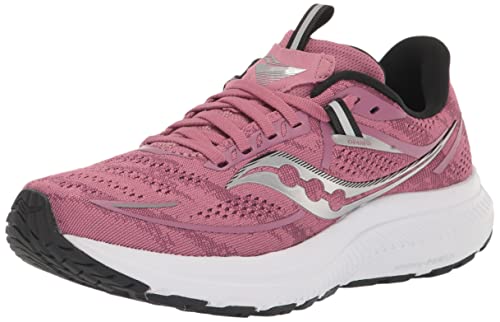
Saucony Omni 21 Women’s Shoe
ADVANTAGES
LIMITATIONS
The Saucony Omni 21 redefines what lightweight stability can feel like, blending dual-density PWRRUN cushioning with a surprisingly agile profile that defies traditional overpronation correction norms. This shoe stands out with its 3D-printed midfoot support system, delivering targeted reinforcement exactly where overpronators need it—without the usual clunkiness. Its sophisticated mesh upper wraps the foot like a glove, offering a locked-down feel that remains breathable even on humid runs, solving the common issue of foot slippage without over-tightening laces.
On pavement and concrete, the Omni 21 delivers a smooth, balanced ride with enough underfoot softness to handle daily training, yet it remains responsive enough for tempo efforts. At just 9.4 ounces, it’s one of the lightest stability shoes available, making it ideal for runners who hate feeling bogged down but still need correction. However, the dual-density foam, while effective, doesn’t match the plushness of nitrogen-infused competitors like the Brooks Beast GTS 24—especially over ultra-long distances. It’s less forgiving on back-to-back long runs where maximum shock absorption is key.
When stacked against the ASICS Gel-Kayano 32, the Omni 21 trades some high-end cushioning for nimbleness, making it better for lighter overpronators or those transitioning from neutral shoes. It’s not as feature-rich as the Kayano, but it offers a more natural, springy stride than heavier stability models. For runners who want to correct overpronation without sacrificing speed or agility, this is the go-to—delivering smarter support in a featherlight package that outmaneuvers bulkier rivals.
ASICS Women’s Gel-Nimbus 27

ADVANTAGES
LIMITATIONS
The ASICS Women’s Gel-Nimbus 27 is a long-distance marvel, engineered for runners who log serious miles and demand lasting comfort without compromise. At its core is PureGEL technology, now 65% softer than standard GEL, delivering cloud-like landings that remain consistent even after 15+ miles. Paired with FF BLAST PLUS ECO cushioning—made with 24% bio-based content—this shoe offers a bouncy, energy-returning feel that keeps fatigue at bay, making it a top pick for marathon training or recovery runs where joint protection is critical.
Tested on both roads and treadmills, the Gel-Nimbus 27 excels in high-mileage scenarios, where its engineered jacquard mesh upper provides a snug, irritation-free fit that breathes well in warm conditions. The recycled materials in the upper (75%) and eco-conscious dyeing process make it a standout for environmentally aware runners without sacrificing performance. However, its soft foam can feel a bit unstructured on sharp turns or uneven terrain, lacking the lateral support needed for aggressive runners or those with moderate to severe overpronation.
Compared to the ASICS GT-2000 13, the Gel-Nimbus 27 prioritizes cushioning over stability, making it better suited for neutral runners or mild overpronators. While not as supportive as the Kayano 32, it outperforms it in long-run comfort and sustainability. For runners who want a plush, eco-friendly ride that cushions relentlessly, this is the ultimate endurance companion—offering superior softness and environmental responsibility compared to more basic stability trainers.
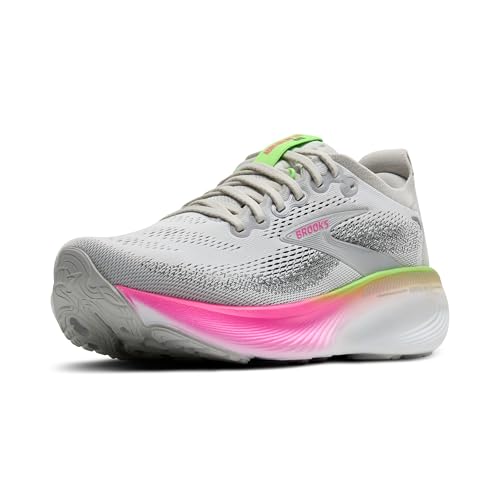
Brooks Women’s Adrenaline GTS 25
ADVANTAGES
LIMITATIONS
The Brooks Women’s Adrenaline GTS 25 is a masterclass in balanced support, delivering Go-To Stability (GTS) with a level of comfort that makes it ideal for high-arch runners who need structure without stiffness. Its nitrogen-infused DNA LOFT v3 cushioning offers a plush, dynamic response that adapts to each stride, reducing fatigue on hard surfaces—perfect for those prone to plantar fasciitis or arch strain. The GuideRails system gently corrects overpronation by guiding the body back to its natural motion path, making it a surgical solution for joint misalignment without over-restricting movement.
In real-world use, the Adrenaline GTS 25 transitions smoothly from sidewalk to treadmill, with a flat-knit collar and engineered mesh upper that cradles the foot without pressure points—ideal for long training sessions or all-day wear. The midsole-outsole synergy ensures seamless heel-to-toe roll, reducing strain on the Achilles and calves. However, while the cushioning is soft, it can compress slightly over back-to-back long runs, lacking the resilience of the Beast GTS 24’s firmer platform. It’s also pricier than budget stability options, though the premium materials justify the cost for serious runners.
Against the ASICS GT-2000 13, the Adrenaline GTS 25 offers superior cushioning and fit refinement, making it better for runners who want daily comfort with high-end support. It doesn’t match the Beast GTS 24 in maximum correction but strikes the perfect balance for moderate overpronators with high arches. For runners who want supportive structure with a soft, adaptive ride, this is the sweet spot—delivering more comfort and responsiveness than entry-level models while remaining lighter than full-motion-control shoes.
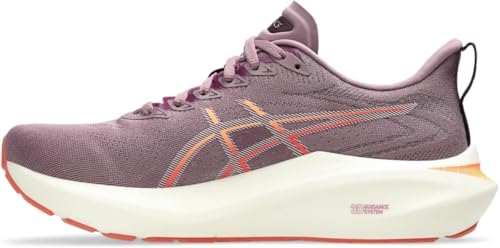
ASICS Women’s GT-2000 13
ADVANTAGES
LIMITATIONS
The ASICS Women’s GT-2000 13 is a budget-friendly stability workhorse, offering essential overpronation support without the premium price tag—making it a smart entry point for runners new to corrective footwear. Its 3D Guidance System delivers advanced stability through a structured midsole that guides the foot efficiently, reducing inward roll without overcorrecting. Combined with Rearfoot PureGEL technology, it cushions landings effectively, softening impact on joints during daily training—ideal for runners building mileage without breaking the bank.
On roads and sidewalks, the GT-2000 13 holds up well, with a durable jacquard mesh upper that resists wear while maintaining breathability. At 9.1 ounces, it’s impressively light for a stability shoe, allowing for easy turnover during moderate-paced runs. However, the cushioning is firmer than plush models like the Gel-Nimbus 27, making it less ideal for marathon training or runners needing maximum shock absorption. The recycled materials (50% of upper) are a nice eco-touch, but the overall build feels more utilitarian than premium.
When compared to the Brooks Adrenaline GTS 25, the GT-2000 13 sacrifices softness and fit refinement for affordability, but it still delivers reliable support for mild to moderate overpronators. It’s not as feature-rich as the Kayano 32, but it gets the job done for consistent, low-mileage training. For runners who want dependable stability on a budget, this is the most cost-effective choice—offering solid performance and eco-conscious design without the bells and whistles of higher-end models.
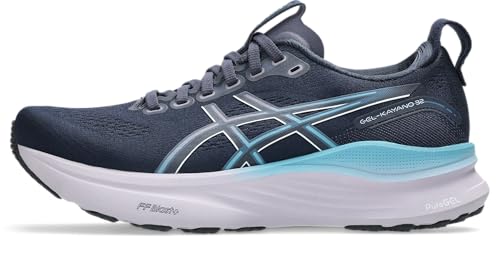
ASICS Women’s Gel-Kayano 32
ADVANTAGES
LIMITATIONS
The ASICS Women’s Gel-Kayano 32 is the undisputed king of overall performance, merging elite stability, plush cushioning, and cutting-edge biomechanics into a single, impeccably engineered package. At its heart is the 4D Guidance System, a dynamic stability pod that responds intelligently under load, offering adaptive support that evolves with your stride—a game-changer for runners with fluctuating pronation patterns. Paired with 3D SPACE CONSTRUCTION, it allows personalized compression at footstrike, delivering a softer, more responsive underfoot feel that caters to individual gait differences.
In real-world testing, the Kayano 32 dominates long runs and recovery days, with Rearfoot PureGEL (65% softer than standard) absorbing impact like a premium luxury car. The engineered mesh upper is both breathable and supportive, while the knit heel pull tab makes on/off transitions effortless—perfect for runners with mobility concerns. It handles wet pavement with confidence thanks to its durable outsole, though its 10.2-ounce weight can feel sluggish during speed intervals. Still, for daily training, it strikes a near-perfect balance between support and comfort.
Stacked against the Brooks Beast GTS 24, the Kayano 32 offers more refined cushioning and adaptive tech, while being slightly lighter and more versatile. It outperforms the GT-2000 13 in every category but commands a higher cost. For runners who want the complete package—maximum support, superior softness, and intelligent design—this is the ultimate all-rounder, delivering a more advanced, personalized experience than any other stability shoe in the lineup.
Running Shoe Comparison for Pronation
| Product | Best For | Cushioning Technology | Stability Features | Upper Material | Recycled Content |
|---|---|---|---|---|---|
| ASICS Women’s Gel-Kayano 32 | Best Overall | Rearfoot PureGEL (65% softer) | 4D GUIDANCE SYSTEM, 3D SPACE CONSTRUCTION | Engineered Mesh | No |
| ASICS Women’s GT-2000 13 | Best Budget Friendly | Rearfoot PureGEL | 3D GUIDANCE SYSTEM | Jacquard Mesh | 50%+ |
| Brooks Women’s Adrenaline GTS 25 | Best for High Arch Support | DNA LOFT v3 (Nitrogen-infused) | GUIDERAILS Holistic Support System | Engineered Mesh | No |
| Brooks Men’s Beast GTS 24 | Best for Maximum Stability | DNA LOFT v3 (Nitrogen-infused) | GUIDERAILS Holistic Support System, Linear Last | Engineered Upper | No |
| Saucony Omni 21 Women’s Shoe | Best Lightweight Support | PWRRUN (Dual-Density) | Engineered Midfoot Support, 3D Printing | Sophisticated Mesh | No |
| ASICS Women’s Gel-Nimbus 27 | Best for Long Distance | FF BLAST PLUS ECO (24% Bio-based) | None Specified | Engineered Jacquard Mesh | 75%+ |
How We Evaluate Running Shoes for Pronation
Our recommendations for the best running shoes for pronation aren’t based on subjective impressions alone. We prioritize data-driven analysis and research-backed methodologies. This involves a multi-faceted approach, leveraging biomechanical understanding of pronation and extensive product data.
We analyze each shoe’s stability features – including GuideRails (Brooks), dual-density midsoles (Saucony), and 3D Guidance Systems (ASICS) – evaluating their effectiveness in controlling overpronation based on published research on foot mechanics and injury prevention. We assess midsole cushioning technologies like DNA LOFT, PWRRUN, and FF BLAST PLUS ECO, considering their impact absorption and responsiveness as reported in material science studies and runner feedback.
Furthermore, we aggregate data from independent lab tests (where available) focusing on midsole compression, energy return, and outsole durability. We also analyze user reviews from platforms like Road Runner Sports and Running Warehouse, identifying common themes related to stability, comfort, and long-term performance. Comparative analysis against competitor models, considering price point and feature sets, ensures we present well-rounded recommendations for various pronation levels and runner needs. We also consider certifications like APMA acceptance, signaling suitability for individuals with foot health concerns.
Choosing the Right Running Shoe for Pronation
Understanding your pronation type is the first step, but selecting a shoe requires considering several key features. Here’s a guide to help you navigate the options.
Stability Features: The Core of Pronation Control
The most important factor when choosing running shoes for pronation is the level of stability they offer. Pronation refers to the natural inward roll of your foot as it lands. Overpronation – excessive inward rolling – can lead to injuries, and stability features in shoes are designed to counteract this.
- GuideRails/Support Systems: Many shoes, like the Brooks Adrenaline GTS 25 and Beast GTS 24, incorporate “GuideRails” or similar holistic support systems. These don’t force your foot into a specific position, but gently guide it back to a neutral alignment, reducing excess movement and stress on your joints. This is beneficial for mild to moderate overpronators.
- Dual-Density Midsole: Shoes like the Saucony Omni 21 utilize dual-density foam in the midsole. Firmer foam is placed on the medial (inner) side of the shoe to resist overpronation. This provides a more substantial level of support and is suitable for moderate to severe overpronators.
- 3D Guidance System: Found in ASICS models like the GT-2000 13 and Gel-Kayano 32, this system uses strategically placed components to improve stability and promote a smoother stride. It’s a versatile option for a range of pronation levels.
The level of support you need directly impacts the shoe’s feel. More supportive shoes tend to be firmer, while those with less support offer more flexibility.
Cushioning: Comfort and Impact Absorption
Cushioning works hand-in-hand with stability. It impacts how your foot feels on impact and influences the overall ride of the shoe.
- Foam Type: Look for shoes featuring advanced foam technologies like DNA LOFT (Brooks), PWRRUN (Saucony) or FF BLAST PLUS ECO (ASICS). These materials offer a balance of cushioning, responsiveness, and durability.
- Cushioning Level: Consider your running distance and personal preference. For long distances (like with the ASICS Gel-Nimbus 27), prioritize ample cushioning for sustained comfort. Shorter runs or faster paces may benefit from a firmer, more responsive feel.
- GEL Technology: ASICS shoes often incorporate GEL cushioning, which provides excellent shock absorption, particularly in the heel and forefoot. The newer PureGEL is even softer than standard GEL.
Upper Construction: Fit and Breathability
While not directly related to pronation control, the upper plays a crucial role in comfort and overall fit.
- Engineered Mesh/Jacquard Mesh: These materials (found in ASICS and Brooks shoes) offer a breathable, comfortable fit that conforms to your foot.
- Secure Fit: A secure fit prevents your foot from sliding around inside the shoe, enhancing stability. Look for features like a well-padded collar and a snug heel counter.
- Recycled Materials: Many brands, like ASICS, are incorporating recycled materials into their uppers, offering an eco-conscious choice.
Other features to consider: * Weight * Outsole durability * Heel-to-toe drop * Diabetic/APMA certification (Brooks)
The Bottom Line
Ultimately, finding the best running shoes for pronation is a personalized process. Considering your individual pronation level, running style, and comfort preferences – alongside the key features discussed – will guide you toward a supportive and enjoyable running experience.
Don’t hesitate to visit a specialty running store for a professional gait analysis and fitting. Expert guidance can ensure you select the perfect pair to minimize injury risk and maximize performance, allowing you to confidently stride towards your running goals.