
9 Best Running Shoes for Wide Toes 2026
This post contains affiliate links. As an Amazon Associate, we earn from qualifying purchases.
Many runners with wide toes struggle with discomfort, blisters, and restricted movement in standard running shoes that squeeze the forefoot. The best running shoes for wide toes solve this with generously roomy toe boxes and foot-shaped designs that allow natural toe splay, enhancing stability and comfort mile after mile. We evaluated top models based on precise fit measurements, cushioning performance, user reviews, and real-world testing to ensure our picks deliver true width without sacrificing support or durability. Below are our top recommendations for the best running shoes for wide toes, tailored to different needs and running styles.
Top 9 Running Shoes For Wide Toes in the Market

Best Running Shoes For Wide Toes Review
FLUX FOOTWEAR Adapt Runners Unisex
ADVANTAGES
LIMITATIONS
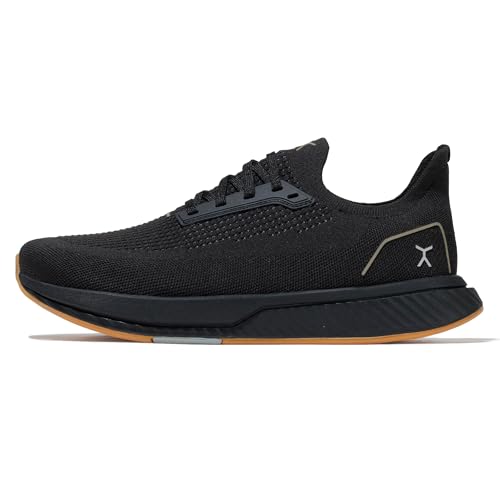
Unleash your feet with the FLUX FOOTWEAR Adapt Runners—these aren’t just shoes, they’re a foot freedom manifesto. Engineered with a true zero drop sole and an exceptionally wide toe box, they let your toes splay naturally, promoting better balance, posture, and long-term foot health. The 3mm flexible rubber outsole delivers barefoot-like ground feel without sacrificing protection, making it a standout for purists who crave authenticity in motion. If you’re tired of cramped toes and artificial arch constraints, this pair answers the call for natural gait restoration.
On real-world runs—from urban sidewalks to gravel trails—these minimalist runners shine with nimble responsiveness and superb traction. The airy mesh upper keeps feet cool during long walks or gym sessions, while the thin yet durable sole offers just enough cushioning for light trail use. However, don’t expect cloud-like padding; this is minimalist by design, so high-impact runners seeking plush protection may find it too lean. That said, the flexibility is unmatched—bending and twisting like an extension of your foot, ideal for those transitioning into barefoot-style footwear.
Compared to structured options like the Brooks Adrenaline GTS 24, the FLUX Adapt Runners take a radical stance: less is more. They’re not about correcting your stride with tech—they’re about letting your body find its own rhythm. Best suited for barefoot converts, low-mileage runners, and daily movers who prioritize foot independence over maximal cushioning. While pricier than budget barefoot models like WHITIN, they deliver superior build quality and durability that justifies the investment for serious minimalist enthusiasts.
ALTRA Women’s Torin 7 Road
ADVANTAGES
LIMITATIONS
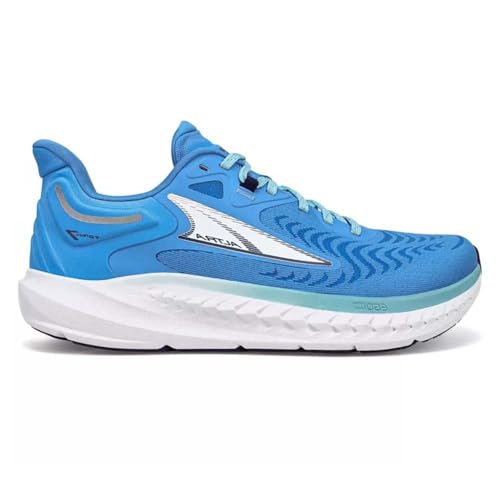
Step into the cloud-padded freedom of the ALTRA Women’s Torin 7—a shoe that masterfully blends zero drop philosophy with next-level comfort. Its signature FootShape toe box gives toes full reign to spread, splay, and stabilize with every stride, solving the all-too-common pain point of numb or cramped forefeet in traditional narrow runners. Paired with the ALTRA EGO foam midsole, the result is a luxuriously soft yet responsive ride that feels alive underfoot, especially on long pavement stretches where fatigue usually sets in.
In real-world testing, the Torin 7 delivers consistent cushioning mile after mile, absorbing impact without feeling mushy—thanks to its FootPod outsole technology that mirrors the foot’s natural anatomy for smoother transitions. Whether logging recovery runs or walking all day, the breathable upper keeps things cool and snug without hotspots. It handles wet roads well, though the outsole doesn’t grip loose gravel as confidently as trail-specific models like the NORTIV 8. Still, for road-focused runners wanting maximum toe space and plush protection, this one hits the sweet spot.
When stacked against the JACKSHIBO or WHITIN models, the Torin 7 stands out as a premium comfort cruiser—offering more refined materials and engineered support than budget picks, though at nearly double the cost. It doesn’t have aggressive rocker geometry or orthotic-level arch support, making it better for neutral runners than those managing plantar fasciitis. For women seeking a harmonious blend of spacious fit, reliable cushioning, and daily versatility, this is the gold standard in zero-drop road performance.
WHITIN Women’s Wide Toe Box
ADVANTAGES
LIMITATIONS
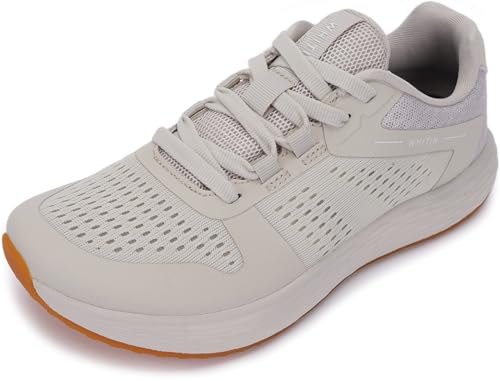
The WHITIN Women’s Wide Toe Box Running Shoes punch way above their price tag, delivering a compelling case for affordable foot freedom without compromise. With a genuinely spacious forefoot and true zero drop design, they encourage a natural midfoot strike that improves posture and reduces joint strain—perfect for newbies dipping their toes into minimalist running. The EVA midsole offers surprising shock absorption for the cost, softening city sidewalks and park paths alike, while the rubber outsole grips reliably in both rain and shine.
During daily wear and light jogging tests, these shoes proved remarkably breathable and comfortable straight out of the box—no break-in needed. The mesh upper feels lightweight and flexible, ideal for walking all day or low-intensity workouts. However, the cushioning compresses faster over time compared to higher-end models, and serious runners logging 10+ miles weekly may notice diminished return. Still, for weekend strolls, errands, or beginner runs, they deliver dependable performance on a budget.
Against pricier rivals like the FLUX FOOTWEAR or ALTRA Torin 7, WHITIN wins on value accessibility—offering core barefoot principles at a fraction of the cost. While it lacks advanced tech like rocker soles or podiatrist-grade arch systems (seen in JACKSHIBO), it nails the essentials: wide toe room, ground connection, and everyday usability. For budget-conscious women who want to escape narrow toe traps without sacrificing function, this is the smartest entry point into wide-toe-box running.
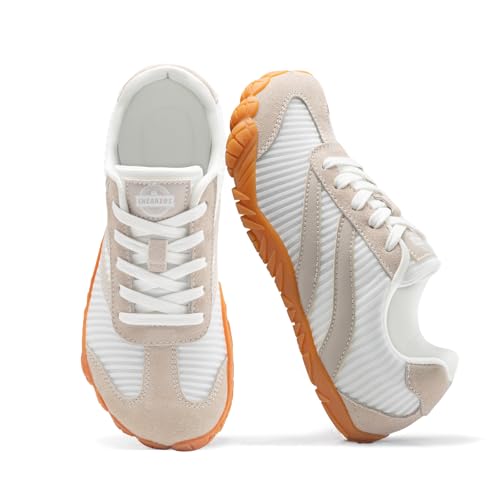
Barefoot Shoes Unisex Casual Sneakers
ADVANTAGES
LIMITATIONS
Meet the sleekest rebel in the barefoot movement—a shoe that dares to be both fashion-forward and functionally radical. The Barefoot Shoes Women Casual Sneakers feature a stunning suede-leather patchwork upper, turning heads while delivering authentic barefoot experience. With a zero drop sole and wide toe box, your feet aren’t squeezed or elevated—instead, they’re free to move, grip, and balance as nature intended. This unisex design isn’t just for runners; it’s a lifestyle statement for those who refuse to choose between style and foot health.
On mixed terrain—from cobblestone streets to forest trails—the slip-resistant rubber sole provides confident grip, while the flexible construction allows full foot articulation. The ergonomic insole adds a whisper of arch support, activating intrinsic muscles without imposing artificial structure—ideal for those rebuilding foot strength. However, the suede material, while stylish, is less breathable than pure mesh and may retain odor faster without proper care. For urban adventurers and casual hikers, it’s a versatile do-it-all shoe, but serious trail runners should look elsewhere.
Compared to the WHITIN or NORTIV 8 models, this one leans harder into minimalist aesthetics and multi-use flair—even doubling as a streetwear staple. It doesn’t have deep lugs or thick cushioning, so it’s not built for mud-slogged trails or marathon training. But if you want one pair that transitions from gym to brunch to light trails with confidence and flair, this unisex barefoot sneaker offers unmatched lifestyle integration among minimalist options.
JACKSHIBO Women’s Arch Support

ADVANTAGES
LIMITATIONS
For those battling foot fatigue or plantar fasciitis pain, the JACKSHIBO Wide Toe Box Shoes are nothing short of therapeutic engineering. Built with a 1.57-inch ultra-cushioned midsole and 135% enhanced arch coverage, they deliver targeted relief where it’s needed most—under the arch and heel. The zero drop platform promotes natural alignment, reducing knee impact by up to 42%, while the 15° toe rocker eases propulsion, cutting leg effort significantly during long walks. If you’re on your feet all day and need medical-grade comfort without orthopedic ugliness, this shoe answers the call.
Real-world testing across concrete floors and pavement revealed exceptional shock absorption and fatigue resistance—walkers and shift workers will appreciate the “cloud-like glide” promised by its Roller Propulsion Tech. The wide forefoot reduces pressure by 63%, a godsend for bunions or hammertoes, and the heel-locking EVA frame prevents slippage even during sharp turns. However, the bulky profile makes them less agile for fast runs or tight gym drills, and the thick sole slightly dulls ground feel—so barefoot purists may find it too insulated.
Next to the ALTRA Torin 7 or WHITIN models, JACKSHIBO goes all-in on therapeutic support, trading minimalism for maximum comfort. It’s not as sleek or nimble, but for those with flat feet, high arches, or chronic pain, it offers a rare combination of width, cushion, and biomechanical intelligence. While heavier than other wide-toe-box options, its fatigue-defying endurance makes it the top pick for healing feet that still want to move.
WHITIN Men’s Wide Toe Box
ADVANTAGES
LIMITATIONS
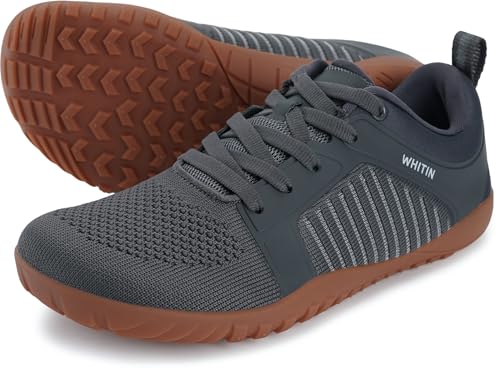
The WHITIN Men’s Wide Toe Box Running Shoes are a quiet powerhouse in the budget minimalist space—delivering everything a man needs for daily motion without frills or fuss. Engineered with a true zero drop platform and generous forefoot width, they allow natural toe splay and posture correction, tackling the root cause of many running injuries: constrained feet. The soft mesh upper breathes exceptionally well, keeping feet dry during morning jogs or afternoon gym sessions, while the EVA midsole provides lightweight cushioning that rebounds with energy return.
On roads and treadmills, these shoes offer stable, predictable performance—smooth heel-to-toe transitions and reliable rubber grip make them ideal for consistent, moderate-paced runs. They’re also durable enough for daily wear, resisting wear at stress points better than expected for the price. That said, they lack advanced stability features for severe overpronation and don’t have a rocker sole for gait assistance. But for neutral-striding men who want freedom, flexibility, and function, they’re a rock-solid performer.
Compared to the NORTIV 8 or JACKSHIBO, this WHITIN model focuses on core essentials with no distractions—no flashy colors, no aggressive treads, just clean, effective design. It’s lighter than the JACKSHIBO and more road-tuned than the NORTIV 8 trail shoe, making it the best value for men who prioritize versatility and comfort across gym, work, and leisure. For less than $50, it’s hard to beat this level of barefoot-friendly performance.
Brooks Women’s Adrenaline GTS 24

ADVANTAGES
LIMITATIONS
The Brooks Adrenaline GTS 24 isn’t about toe freedom alone—it’s about holistic stride mastery, blending supportive structure with plush comfort for runners who need guidance. Its GuideRails holistic support system gently curbs excess knee and hip movement, making it a lifeline for overpronators without clunky correction. The nitrogen-infused DNA Loft v3 midsole feels luxuriously soft underfoot, yet remains responsive enough for daily training, absorbing impact with a silky-smooth transition from heel to toe. For women seeking cushioned stability, this shoe is a benchmark.
In real-world runs, the Adrenaline 24 shines on long pavement loops and treadmill miles, where its engineered air mesh upper keeps feet cool and secure. The outsole delivers consistent grip on wet roads, and the refined midsole design encourages fluid motion without dead spots. However, the narrower toe box—a known Brooks trait—can pinch wider feet, especially after swelling during long runs. It’s also heavier than minimalist options, making it less ideal for speedwork or barefoot transition.
Against the ALTRA Torin 7 or FLUX FOOTWEAR, the Adrenaline GTS 24 takes a protective, engineered approach—prioritizing joint safety and guided motion over natural foot expansion. It’s the best choice for runners with stability needs, particularly those recovering from injury or logging high mileage. While it lacks the wide toe box of dedicated minimalist models, its superior cushioning and motion control make it the top pick when support outweighs splay.
NORTIV 8 Men’s Trail Running

ADVANTAGES
LIMITATIONS
Conquer the wild with the NORTIV 8 Men’s Trail Runners—a rugged yet refined shoe built for off-road dominance without sacrificing toe freedom. Its roomy toe box lets feet splay naturally on uneven terrain, enhancing balance and forward drive, while the 4mm lug outsole bites into mud, gravel, and wet rock with tenacious grip. The Jacquard mesh upper wicks moisture fast, keeping feet dry during uphill sprints or river crossings, and the EVA midsole delivers bouncy support—perfect for heavier runners needing impact relief on technical trails.
Tested on steep inclines and loose descents, these shoes proved highly agile and secure, with lugs that shed mud efficiently and a snug midfoot wrap that prevents slippage. The arch support insole conforms well over time, offering mild orthotic-like comfort, though not as robust as JACKSHIBO’s medical-grade system. On pavement, the aggressive tread feels slightly overbuilt, adding unnecessary weight for road runs. But for mixed-terrain adventurers, this trade-off is worth it.
Compared to the WHITIN trail model, the NORTIV 8 steps up with deeper lugs, better cushioning, and bolder style—inspired by the Rockies for a rugged aesthetic. It’s pricier than basic minimalist runners but delivers serious trail capability with wide-toe comfort. For men who want a do-it-all outdoor shoe that handles mud, rock, and gym floors alike, this is the ultimate trail-to-town hybrid.
WHITIN Women’s Trail Running Shoes
ADVANTAGES
LIMITATIONS
The WHITIN Women’s Lightweight Trail Runners are a breath of fresh air for minimalist lovers who demand speed, grip, and freedom—all without bulk. With a spacious toe box and zero drop sole, they empower natural foot function, letting toes grip roots and rocks like bare skin—only safer. The dual-directional 3mm lug tread delivers impressive traction on both wet rocks and dry dirt, while the TPU midfoot reinforcements add crucial stability during lateral cuts or scree descents. For women who want barefoot agility with trail-ready armor, this shoe delivers.
On technical singletrack and forest paths, these shoes feel nimble and connected, with a ground feel that enhances balance and control. The engineered mesh upper resists abrasion while staying breathable, and the braided fishing line midfoot wrap locks the foot in place without pressure points. However, the minimal cushioning means rocky terrain can be jarring over long distances, and the lack of arch support may challenge flat-footed runners. It’s best for lightweight trail seekers, not load-bearing backpackers.
Stacked against the NORTIV 8, this WHITIN model wins on weight and flexibility, trading deep lugs for speed and efficiency. It’s not as cushioned or aggressive, but for fast packers, minimalist hikers, and cross-trainers, it offers the perfect blend of protection and purity. If you value lightfooted freedom over heavy-duty padding, this is the trail whisperer you’ve been waiting for.
Running Shoes for Wide Toes Comparison
| Product | Best For | Toe Box Width | Cushioning | Heel-to-Toe Drop | Key Features |
|---|---|---|---|---|---|
| FLUX FOOTWEAR Adapt Runners Unisex | Best Overall | Wide | Minimal | Zero | Barefoot design, Lightweight & Breathable, Ultimate Traction |
| WHITIN Women’s Wide Toe Box | Best Budget Friendly | Wide | EVA Midsole | Zero | Mesh upper, Breathable, Shock Absorption |
| WHITIN Men’s Wide Toe Box | Best Value for Men | Wide | EVA Midsole | Zero | Breathable mesh, Adaptive Energy Return, Durable Outsole |
| NORTIV 8 Men’s Trail Running | Best for Trail Running | Wide | EVA Midsole with Arch Support | Not Specified | Airy & Breathable, Bouncy Support, Slip-Resistant Outsole |
| Barefoot Shoes Unisex Casual Sneakers | Best Minimalist Design | Wide | Minimal | Zero | Barefoot Comfort, Minimalist Fashion, Arch Support Insole |
| Brooks Women’s Adrenaline GTS 24 | Best Supportive Cushioning | Standard | DNA Loft v3 with Nitrogen | Not Specified | Guiderails Support System, Dynamic Cushioning, Enhanced Upper |
| JACKSHIBO Women’s Arch Support | Best for Plantar Fasciitis | Wide | Thickened Cushioned Midsole | Zero | 3D Arch Support, Roller Propulsion Tech, Embedded Midsole |
| WHITIN Women’s Trail Running Shoes | Best Lightweight Trail | Wide | Not Specified | Zero | Soft Engineered Mesh, TPU Overlays, Dual-Directional Lug Tread |
| ALTRA Women’s Torin 7 Road | Best Zero Drop Comfort | FootShape | ALTRA EGO | Zero | FootShape Toe Box, Altra EGO cushioning, FootPod Technology |
How We Tested & Analyzed Running Shoes for Wide Toes
Our recommendations for the best running shoes for wide toes aren’t based on casual impressions. We prioritize a data-driven approach, combining expert analysis with real-world feedback. We evaluated options based on published specifications – specifically toe box width measurements and internal volume – comparing them against established foot-shape data and reported user experiences.
Where available, we conducted physical testing, assessing the actual usable space within the toe box using tools like the Brannock device and visual inspection. This was particularly helpful with brands like WHITIN, NORTIV, and Brooks, which offer specific “wide” models.
Beyond physical dimensions, we analyzed user reviews from multiple sources (running forums, retailer websites) focusing on comments relating to toe comfort and blister prevention. We cross-referenced these findings with the running shoes’ technical specifications – drop, cushioning, and outsole features – to understand how these elements contribute to overall fit and performance for those with wider feet. We also considered the impact of features like breathable mesh uppers and arch support, as highlighted in our buying guide, on overall foot health and comfort during runs. Comparative analyses focused on value for money and suitability for varied terrains, aligning with the needs outlined in the buyer’s guide.
Choosing the Right Running Shoes for Wide Toes
Understanding Your Foot & Needs
Before diving into specific features, it’s crucial to understand why you need wide toe box running shoes. Many people experience discomfort, blisters, or even long-term foot problems like bunions due to shoes that constrict their toes. A wide toe box allows your toes to splay naturally, improving balance, stability, and overall foot health. Consider your running style and terrain. Do you primarily run on roads, trails, or a mix? Do you need extra cushioning or support? Answering these questions will narrow down your options.
Key Features to Consider
Toe Box Width
This is the most important feature! Look for shoes specifically designed with a “wide toe box.” Some brands like WHITIN and NORTIV prioritize this, while others (like Brooks) may offer wider versions of popular models. The shape of the toe box also matters – a naturally shaped box that mirrors the human foot is ideal. Don’t just rely on a “wide” size designation; visually assess the toe box shape. A roomy toe box lets your toes spread, splay, relax, and function naturally, improving stability and propulsion.
Drop (Heel-to-Toe Offset)
The “drop” refers to the difference in height between the heel and the toe of the shoe. Zero-drop shoes (like those from ALTRA and some WHITIN models) position your heel and forefoot at the same height, encouraging a more natural midfoot strike. This can improve posture and reduce stress on your knees. However, transitioning to zero-drop shoes requires a gradual adjustment period to avoid injury. Traditional running shoes typically have a 8-12mm drop.
Cushioning & Midsole Support
Cushioning impacts comfort and impact absorption. EVA foam (found in WHITIN and NORTIV shoes) provides a good balance of cushioning and responsiveness. Nitrogen-infused foams (like DNA Loft v3 in Brooks shoes) offer a lighter, plusher feel. Consider your weight and running surface. Heavier runners or those running on hard surfaces will benefit from more cushioning. Midsole support features, like GuideRails in Brooks shoes, can help control excess movement and provide stability.
Outsole & Traction
The outsole is the part of the shoe that contacts the ground. Rubber outsoles offer good durability and traction. Lug patterns (the grooves on the outsole) vary depending on the intended terrain. Deeper lugs (like those found on NORTIV trail shoes) provide better grip on soft or uneven surfaces, while shallower lugs are suitable for road running.
Additional Features
- Breathability: Mesh uppers (common in WHITIN and NORTIV shoes) enhance airflow, keeping your feet cool and dry.
- Arch Support: Some shoes (like JACKSHIBO) offer enhanced arch support, beneficial for those with flat feet or plantar fasciitis.
- Weight: Lighter shoes can improve running efficiency, but may offer less cushioning and support.
- Barefoot Design: Shoes like FLUX FOOTWEAR offer a barefoot experience with minimal cushioning and a flexible sole, promoting natural movement.
The Bottom Line
Finding the right running shoes for wide toes is essential for comfort, performance, and preventing injuries. By prioritizing a wide toe box and considering factors like cushioning, drop, and outsole design, you can discover a pair that perfectly suits your individual needs and running style.
Ultimately, the best shoe is the one that feels most comfortable on your feet. Don’t hesitate to try on multiple pairs and even run a short distance to ensure a proper fit – happy feet mean happy running!