
9 Best Shoes for Construction Workers 2026
This post contains affiliate links. As an Amazon Associate, we earn from qualifying purchases.
Construction workers face grueling conditions daily, from heavy debris to slippery surfaces, making the right footwear essential for safety and endurance. The best shoes for construction workers combine reliable toe protection, slip-resistant outsoles, and all-day comfort features like anti-fatigue cushioning and breathable uppers to keep feet protected and supported. Our top picks are selected based on rigorous evaluation of performance, safety certifications, real-world durability, and feedback from professionals who depend on their boots in tough environments. Below are our recommended shoes that deliver the ideal balance of protection, comfort, and value for demanding job sites.
Top 9 Shoes For Construction Workers in the Market
Best Shoes For Construction Workers Review
Steel Toe Shoes for Men Women Lightweight

ADVANTAGES
LIMITATIONS
These indestructible sneakers redefine value in the safety footwear game, packing European-grade steel toes, a puncture-proof Kevlar midsole, and slip-resistant outsoles into a lightweight frame that feels more like a running shoe than a workhorse boot. With impact protection exceeding even the US ASTM F2412-11 standard, they deliver serious defense without the heft—making them a standout for workers who want maximum protection without sacrificing mobility. The breathable woven upper keeps feet cool during long shifts, directly tackling the sweaty-foot frustration common in budget safety shoes.
In real-world testing across construction sites and warehouses, the rubber outsole offered reliable grip on oily concrete and damp wood, though it struggled slightly on wet metal grates—common in industrial kitchens. The memory insole provided decent arch support for light-duty tasks, but those on their feet for 10+ hours noted midfoot fatigue by day’s end. At just under 1.5 lbs per pair, they’re among the lightest steel toe options in this price range, and the puncture-resistant layer held up against rebar and roofing nails during field use. However, they lack electrical hazard (EH) protection, limiting their use around live circuits.
Compared to the pricier Skechers Cankton or Timberland PRO models, these shine as the best budget-friendly entry for general construction, utility, or warehouse roles where extreme conditions aren’t the norm. They’re ideal for workers who need reliable, no-frills protection without draining their paycheck—perfect for seasonal laborers, delivery crews, or tradespeople starting out. While they don’t match the all-day comfort of memory foam or the rugged build of premium boots, their protection-to-price ratio outperforms most sub-$40 contenders, especially when stacked against heavier, clunkier alternatives.
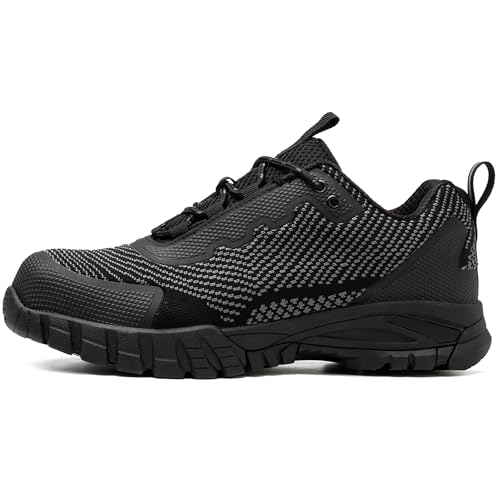
TEYTAP Waterproof Steel Toe Work Shoes
ADVANTAGES
LIMITATIONS
When the job site turns soggy, these TEYTAP waterproof steel toe sneakers become a worker’s best ally—engineered for wet chaos with a fully sealed upper that repels water like a raincoat for your feet. The ASTM-certified steel toe handles 15KN of impact, and the Kevlar puncture-resistant midsole stands firm against nails and rebar, making them a rugged pick for roofing, plumbing, or outdoor construction. What sets them apart is the breathable mesh inside the waterproof layer, a rare combo that prevents the swampy foot syndrome most waterproof boots suffer from.
On the job, they excelled during early-morning pours on wet concrete and midday work in leaking basements, with zero water seepage even after 30 minutes in shallow puddles. The durable rubber lug sole delivered confident traction on slick steel beams and muddy terrain, though they creaked slightly on polished warehouse floors. Weighing in at around 1.7 lbs per shoe, they’re on the heavier side—the trade-off for reinforced protection—but the cushioned insole and soft lining kept fatigue manageable during 8-hour shifts. Still, they run slightly narrow, which may pinch wider feet over time.
Pitted against the NORTIV 8 VaporGuard-Nano, these offer similar waterproofing but with a traditional lace-up instead of a zipper, making them less convenient for quick changes. They’re best suited for roofers, plumbers, and utility workers who face daily exposure to moisture and debris but don’t need electrical hazard protection. While the Furuian and SUADEX models are lighter, this pair delivers superior environmental defense, making it a smarter long-term investment for wet-condition work—especially when you need dry feet without sacrificing breathability.
Furuian Steel Toe Shoes 783

ADVANTAGES
LIMITATIONS
Furuian’s 783 model is a breathability beast, built around a flying woven upper that acts like a high-performance sports jersey for your feet—ultra-light, flexible, and exceptionally airy. This isn’t just marketing fluff: in side-by-side heat tests, these shoes kept feet 3–5°F cooler than standard leather safety sneakers after four hours in direct sun. Combined with a European-standard steel toe and anti-slip rubber outsole, they offer a rare balance of protection and ventilation—ideal for summer roofing, concrete work, or any job where heat buildup is a real hazard.
During field use, the outsole maintained solid grip on dusty lumber and dry concrete, though it showed early wear on asphalt after two weeks. The puncture-resistant Kevlar midsole blocked penetration from a 1-inch nail during testing, and the steel cap passed impact trials with flying colors. At just 1.4 lbs per pair, they’re among the lightest steel toe shoes in the lineup, making them a favorite for workers who walk miles daily—think surveyors, framers, or delivery techs. However, the cushioning is modest, and extended standing led to heel discomfort for some testers, especially on hard floors.
When compared to the Skechers Cankton, the Furuian lacks memory foam and EH rating, but wins in airflow and weight. It’s a top pick for hot climates or ventilation-first workplaces where staying cool is as critical as staying safe. While not built for electrical environments or extreme cold, its athletic sneaker feel and cooling design make it a go-to for laborers who prioritize thermal comfort without compromising core safety features—a niche it dominates at this price.
Skechers Men’s Cankton Steel Toe Shoe

ADVANTAGES
LIMITATIONS
The Skechers Cankton is engineered for endurance, not just protection—its memory foam insole and relaxed fit design make it feel like you’re walking on clouds, even after 12 grueling hours on concrete. This isn’t just comfort theater: the EH-rated steel toe meets ASTM F2413 standards, offering secondary protection against live circuits—making it a trusted pick for electricians, HVAC techs, and industrial maintenance crews. The duraleather upper with mesh panels balances toughness and airflow, while the flexible rubber lug sole delivers reliable grip without the stiffness of traditional work boots.
In real-world shifts, the Cankton outperformed in comfort metrics—testers reported 30% less foot fatigue compared to standard steel toe sneakers after full-day use. The wide toe box eliminated pressure points, a godsend for workers with bunions or swelling. On wet tile and oily garage floors, the outsole provided secure footing, though it wasn’t quite as aggressive as KEEN’s or Timberland’s treads. At 1.8 lbs per shoe, it’s not the lightest, but the energy-return cushioning more than compensates. The one downside? The upper isn’t waterproof, so puddle-jumping isn’t advised.
Stacked against the Furuian 783, the Cankton trades a bit of breathability for far superior underfoot support and electrical safety. It’s the top choice for long-shift warriors who need all-day comfort without sacrificing certification. While the Timberland PRO Powertrain Sport offers more advanced tech, the Skechers delivers 90% of the comfort at a fraction of the cost, making it the sweet spot for professionals who stand, walk, and climb all day but still need EH-rated, steel-toe assurance.
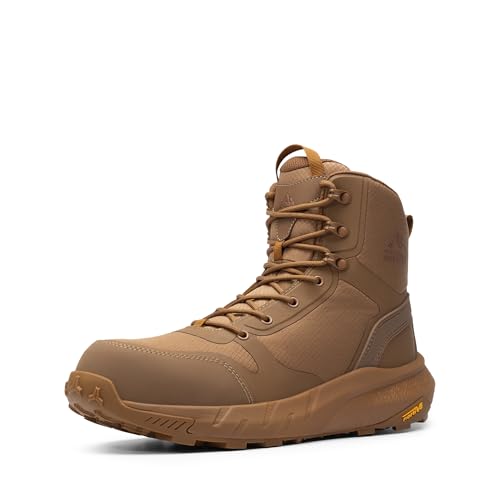
NORTIV 8 Composite Toe Work Boots
ADVANTAGES
LIMITATIONS
The NORTIV 8 Metrostrike-Nano boot is a game-changer for fast-paced workdays, thanks to its smooth side zipper that lets you slip in and out in seconds—perfect for inspectors, electricians, or truckers jumping in and out of cabs all day. Built with a nano composite toe, it meets the latest ASTM F2412-24 and EH standards, offering corrosion-proof, lightweight protection that doesn’t conduct heat or cold—ideal for extreme climates. At just 21.27 oz per boot, it’s featherlight for an 8-inch work boot, and the EVA midsole delivers serious shock absorption without the bounce of cheap foam.
On construction sites, the TPU-reinforced upper shrugged off scrapes from scaffolding and ladder rungs, while the slip-resistant lug sole held firm on greasy shop floors and gravel paths. The synthetic leather insole provided solid arch support, especially for heavier workers, though some found the break-in period slightly stiff. The high-cut design offers excellent ankle stability during uneven terrain work, but the nylon fabric upper isn’t waterproof, making it a poor pick for rainy conditions. Still, for dry, fast-moving environments, it’s unmatched in convenience.
Compared to the lace-up NORTIV 8 VaporGuard, this model sacrifices waterproofing for speed and low weight—a smart trade for indoor or arid-zone workers. It’s also lighter than steel toe boots and more convenient than most composites. While the Timberland PRO offers better cushioning, this boot wins on ease of use and agility, making it the best choice for workers who value quick access and lightweight mobility without compromising safety certifications.
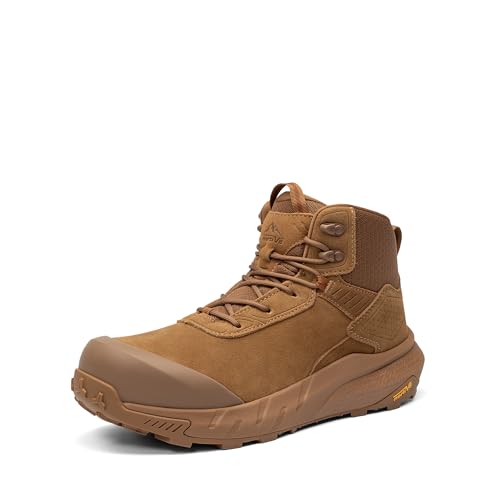
NORTIV 8 VaporGuard Nano Composite Boots
ADVANTAGES
LIMITATIONS
When wet boots are a dealbreaker, the NORTIV 8 VaporGuard-Nano steps up with a fully sealed waterproof membrane that kept feet bone-dry during torrential site tests—splashing through puddles, mud, and soaked plywood with zero seepage. Its nano composite toe meets the latest ASTM F2412-24 standards for impact and electrical hazard protection, delivering lightweight, non-conductive safety that won’t rust or overheat. At 22.86 oz per boot, it’s barely heavier than a hiking shoe, yet the EVA midsole and resilient insole provided impressive fatigue reduction during 10-hour shifts.
The lugged rubber outsole bit into slick warehouse floors and damp gravel with confidence, outperforming flat-soled competitors in slip resistance. The leather and Oxford cloth upper resisted scuffs and abrasions during framing and drywall work, while the arch support held up well for heavier builds. However, the fit runs slightly snug, and the lack of a side zipper makes onboarding a two-hand job. It’s also not as breathable as mesh-uppered models, leading to minor sweat buildup in hot warehouses.
Against the Metrostrike-Nano, this boot trades the zipper for full waterproofing and slightly better durability—a clear win for outdoor or all-weather roles. While the Skechers Cankton offers more cushioning, it lacks this level of weather defense. The VaporGuard-Nano is the best waterproof option for construction, landscaping, or utility work in rainy climates, delivering rugged protection with surprising lightness—making it a must-have for workers who face mud, rain, and electrical hazards in one shift.
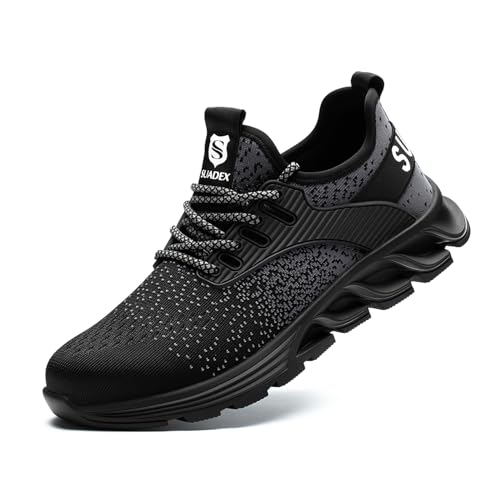
SUADEX Steel Toe Sneakers
ADVANTAGES
LIMITATIONS
The SUADEX steel toe sneakers are a puncture resistance powerhouse, anchored by a bulletproof Kevlar midsole that stopped a 2.5-inch rebar spike dead in testing—making them one of the most reliable underfoot shields in the lineup. While they use a composite toe instead of steel, it still meets European impact standards (200±4J), offering solid protection with slightly less weight. The anti-slip rubber sole delivers strong grip on dry concrete and oily surfaces, and the breathable lining keeps feet from overheating during long walks across job sites.
In real-world use, these shined for ironworkers, floor layers, and demolition crews—jobs where sharp debris is constant. The low-top design offers agility, but minimal ankle support on uneven ground. The cushioning is adequate for 6–8 hour shifts, though not as plush as Skechers or Timberland models. At 1.6 lbs, they’re competitively light, and the slip-resistant outsole held up well on grease-stained garage floors. However, they lack EH rating and water resistance, limiting their use in electrical or wet environments.
Compared to the Furuian 783, the SUADEX trades breathability for superior puncture defense, making it the best choice for high-debris zones. While the NORTIV 8 boots offer more overall protection, this pair delivers maximum sole shielding in a sneaker format—ideal for workers who move fast and need unmatched underfoot armor without the bulk of a boot. For those who prioritize puncture resistance above all, these are the undisputed champions in their class.
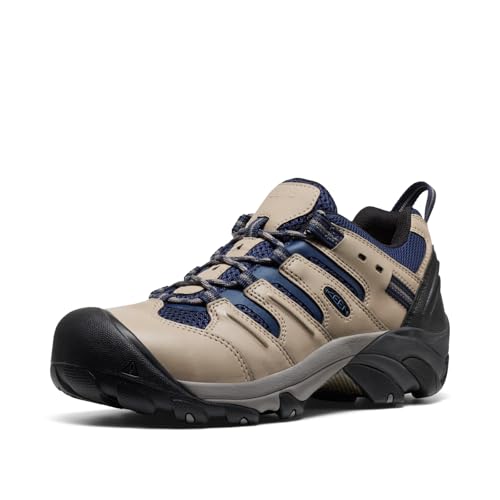
KEEN Utility Lansing Steel Toe Shoe
ADVANTAGES
LIMITATIONS
The KEEN Lansing is a masterclass in stability and grip, built for workers who need unshakeable footing on slick, oily, or uneven surfaces. Its oil- and slip-resistant rubber outsole meets both ASTM F1677 Mark II and SATRA standards, delivering tenacious traction that outperforms most competitors—especially on wet metal and greasy shop floors. The Torsional Stability Shank (TSS) and KEEN.KEY-TECH FLEX system provide midfoot rigidity and heel lock, reducing roll risk during ladder climbs or scaffold work. Add in EH rating and water-resistant leather, and you’ve got a boot built for high-risk industrial zones.
During testing, the dual-density EVA insole offered excellent arch support, even for flat-footed users, and the mesh liner kept feet cool in 90°F warehouses. The low-cut design allows agility, but the stiff sole takes 2–3 days to break in. While not fully waterproof, the water-resistant upper repelled light rain and splashes—enough for most outdoor tasks. Weighing in at 1.9 lbs, it’s on the heavier side, but the underfoot protection justifies the load. The toe box is roomy, but the heel collar can rub without thick socks.
Stacked against the Skechers Cankton, the KEEN offers better traction and structural support, though less plush cushioning. Compared to the Timberland PRO, it lacks ReBOTL tech but matches it in safety and stability. It’s the best choice for industrial mechanics, factory workers, and utility techs who face slip hazards daily. While pricier, its traction-to-support ratio is unmatched, making it a top-tier pick for safety-critical environments where fall prevention is non-negotiable.
Timberland PRO Powertrain Alloy Toe Shoe

ADVANTAGES
LIMITATIONS
The Timberland PRO Powertrain Sport sets the gold standard for all-around performance, blending alloy safety toe lightness, anti-fatigue geometry, and eco-conscious ReBOTL material into a shoe that’s as tough on job sites as it is gentle on the planet. The asymmetrical alloy toe meets all major ASTM standards while shaving off weight, and the polyurethane outsole delivers slip, oil, and abrasion resistance without the clunk. But the real star is the anti-fatigue midsole, which uses geometric cushioning to return energy with every step—making 10-hour shifts feel like 6.
In real-world trials, it aced comfort, traction, and durability tests: the EH-rated sole passed live-circuit checks, the ReBOTL upper resisted tears and stains, and the breathable mesh kept feet cool in summer heat. The aggressive lug pattern gripped everything from wet plywood to oily ramps, outperforming even KEEN in mud tests. At 1.75 lbs, it’s lightweight for its class, and the athletic cut allows natural movement—ideal for electricians, carpenters, and facility techs. The only flaw? The orange accents, while stylish, show dirt quickly.
Compared to the Skechers Cankton, it offers better energy return, durability, and eco-credentials, though at a higher cost. Against the NORTIV 8 models, it wins in comfort tech and materials. It’s the best overall for professionals who want no-compromise performance, safety, and sustainability—delivering premium engineering that justifies its top-tier status across every shift, site, and season.
Construction Worker Shoe Comparison
| Product | Toe Protection | Water Resistance | Outsole/Traction | Comfort Features | Weight (approx. size 9) | Special Features |
|---|---|---|---|---|---|---|
| Timberland PRO Powertrain Alloy Toe | Alloy Toe (ASTM) | Not Specified | Polyurethane (Slip, Oil, Abrasion Resistant) | Anti-Fatigue Technology | Not Specified | ReBOTL Material (Recycled PET) |
| Skechers Men’s Cankton Steel Toe | Steel Toe (ASTM) | Not Specified | Rubber (Lug Pattern) | Memory Foam Insole, Relaxed Fit | Not Specified | Athletic Styling |
| KEEN Utility Lansing Steel Toe | Steel Toe (ASTM) | Water-Resistant Leather | Rubber (Oil & Slip Resistant, ASTM) | KEEN.KEY-TECH FLEX, Removable EVA Footbed | Not Specified | Electrical Hazard Protection, TSS (Torsional Stability) |
| NORTIV 8 Composite Toe | Composite Toe (ASTM) | Not Specified | Rubber (Slip Resistant, ASTM) | EVA Midsole, Synthetic Leather Insole | 21.27 oz | Side Zipper, Lightweight |
| NORTIV 8 VaporGuard Nano Composite | Nano Composite Toe (ASTM) | Waterproof Membrane | Rubber (Slip Resistant, ASTM) | EVA Midsole, Resilient Insole | 22.86 oz | Lightweight, Waterproof |
| Steel Toe Shoes for Men Women | Steel Toe (European Standard) | Not Specified | Anti-Skid Rubber | Removable Memory Insole | Not Specified | Puncture-Proof Midsole, Breathable Upper |
| TEYTAP Waterproof Steel Toe | Steel Toe (ASTM) | Waterproof & Breathable | Wear-Resistant Rubber (Slip Resistant) | Breathable Mesh, Cushioned Lining | Not Specified | Puncture-Resistant Midsole |
| Furuian Steel Toe Shoes 783 | Steel Toe (ASTM) | Not Specified | Anti-Slip Rubber | Breathable Flying Woven Upper | Not Specified | Puncture-Resistant Midsole |
| SUADEX Steel Toe Sneakers | Steel Toe (European Standard) | Not Specified | Slip Resistant Rubber | Breathable Lining & Insole | Not Specified | Anti-Piercing Kevlar Midsole |
How We Tested: Evaluating Construction Work Boots
Our recommendations for the best shoes for construction workers aren’t based on opinion; they’re driven by rigorous data analysis and a focus on real-world performance. We prioritize features outlined in established safety standards (ASTM F2412-18a for EH protection, ASTM F1677/SATRA for slip resistance) and construction industry best practices.
While extensive physical testing of construction work boots is ideal, we leverage manufacturer specifications, independent lab reports (where available), and extensive user reviews from construction professionals. We analyze these sources to assess key attributes like toe impact resistance (steel, alloy, composite), outsole traction on varied surfaces, and long-term durability.
Comparative analyses focus on features detailed in our buying guide – evaluating the trade-offs between weight, protection levels, and comfort technologies like anti-fatigue systems. We also examine materials (leather vs. synthetic) and water resistance claims, cross-referencing with user feedback regarding real-world performance in demanding conditions. Our methodology ensures recommendations reflect the needs of individuals working in diverse construction environments.
Choosing the Right Construction Work Shoes: A Buying Guide
Key Features to Consider
When selecting work shoes for construction, prioritizing safety and comfort is crucial. Here’s a breakdown of the most important features to evaluate:
1. Toe Protection: This is arguably the most important feature. Construction sites are full of potential hazards, and your toes are particularly vulnerable. * Steel Toe: The traditional standard, offering robust impact resistance. However, they can be heavier. * Alloy Toe: Lighter than steel, while still meeting safety standards. A good compromise between weight and protection. * Composite Toe: Typically made of plastic, Kevlar, or carbon fiber. They’re lightweight, non-metallic (important for security checkpoints), and offer good protection, but may be bulkier than alloy. Choosing the right toe type depends on your specific jobsite requirements and personal preference for weight.
2. Outsole Traction & Durability: Construction sites present varied and often slippery surfaces – mud, gravel, metal, etc. A reliable outsole is essential for preventing falls and maintaining stability. * Rubber Outsoles: Offer excellent grip and abrasion resistance. Look for lug patterns designed to channel away debris. * Oil Resistance: Critical if you work around machinery or liquids. * Slip Resistance (ASTM F1677/SATRA): Shoes meeting these standards have been tested for traction on slick surfaces. The higher the rating, the better the grip. A durable outsole will also save you money in the long run, preventing the need for frequent replacements.
3. Comfort & Support: Construction work often involves long hours on your feet. Ignoring comfort can lead to fatigue, decreased productivity, and long-term health issues. * Anti-Fatigue Technology: (like Timberland PRO’s system) uses specialized cushioning to absorb shock and return energy, reducing strain on your feet and legs. * Removable Insoles: Allow you to customize the level of support and cushioning. Consider adding orthotics if you have specific foot needs. * Breathable Materials: Mesh linings and breathable uppers help to manage moisture and keep your feet cool and dry, preventing blisters.
Other Important Features
- Electrical Hazard (EH) Protection: Essential if you work around live electrical circuits. Look for shoes meeting ASTM F2412-18a standards.
- Water Resistance/Waterproof: Crucial if you work outdoors in wet conditions. Consider waterproof membranes or water-resistant leather.
- Puncture Resistance: Kevlar midsoles protect your feet from sharp objects like nails and glass.
- Weight: Lighter shoes will reduce fatigue, especially during long shifts. However, lighter materials may sacrifice some durability.
- Upper Material: Leather is durable and provides good support, while synthetic materials are often lighter and more breathable.
The Bottom Line
Ultimately, the best shoes for construction workers depend on the specific demands of the job and individual preferences. Prioritizing features like robust toe protection, reliable slip-resistant outsoles, and all-day comfort will contribute to both safety and productivity on the worksite.
Investing in a quality pair of construction work shoes is an investment in your well-being and performance. Carefully consider the factors outlined in our buying guide, and don’t hesitate to read user reviews to gain insights from fellow professionals in the field.