
8 Best Shoes for Lisfranc Injury 2026
This post contains affiliate links. As an Amazon Associate, we earn from qualifying purchases.
Recovering from a Lisfranc injury is incredibly challenging, with even simple steps causing significant pain due to the instability and sensitivity of the midfoot. The right shoes for Lisfranc injury can make a critical difference by offering targeted forefoot off-loading through rocker soles or wedges, along with adjustable support to accommodate swelling and ensure proper alignment. Our top picks are based on a thorough evaluation of medical guidelines, product performance, user feedback, and key recovery-focused features like rigidity, adjustability, and breathability. Below are our recommended shoes to support safe, comfortable healing.
Top 8 Shoes For Lisfranc Injury in the Market
Best Shoes For Lisfranc Injury Review
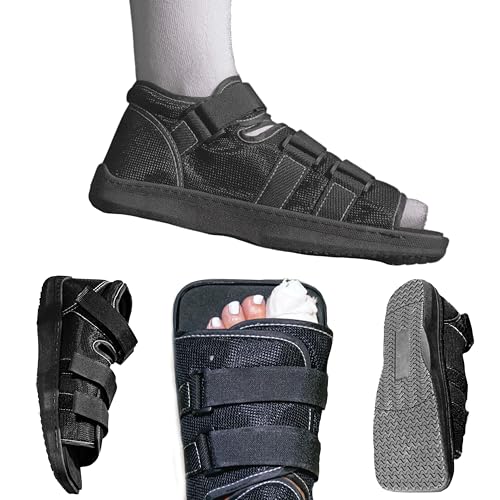
Brace On Adjustable Orthopedic Walking Shoe
ADVANTAGES
LIMITATIONS
The Brace On Post Op Shoe delivers a rare blend of adjustability, comfort, and stability in a budget-friendly package, making it a standout for those navigating the awkward recovery phase after foot surgery or Lisfranc injury. Its spacious square toe plate and rockered sole work in tandem to reduce forefoot pressure while promoting a more natural gait—critical for patients who need to stay mobile without compromising healing. With three adjustable straps, this boot adapts seamlessly to swelling or bulky bandages, solving one of the most common frustrations in post-op footwear: inconsistent fit.
In real-world use, the non-slip rubber sole proves reliable on both hardwood and tile, offering solid traction even in homes with slick flooring. The lightweight yet durable construction holds up well during daily indoor mobility, though outdoor use on uneven terrain can feel a bit unstable due to the shoe’s flexible upper. It fits true to size and accommodates youth up to women’s size 6, making it ideal for smaller feet or pediatric post-surgery cases. However, taller or heavier users may find the support lacking over extended walks, as the sole, while rigid enough, doesn’t offer the same metatarsal control as higher-end models.
Compared to the Darco 76656 or TENETOP models, the Brace On shoe trades some structural rigidity for greater adaptability and ease of use—a smart compromise for early-stage recovery where swelling fluctuates. It’s best suited for short-term, low-impact mobility following Lisfranc injuries, bunionectomies, or stress fractures, especially when bandage changes are frequent. While it doesn’t match the forefoot offloading precision of wedge-style boots, it outperforms many in adjustable fit and user-friendly design, offering better value than pricier options for those prioritizing versatility over surgical-grade support.
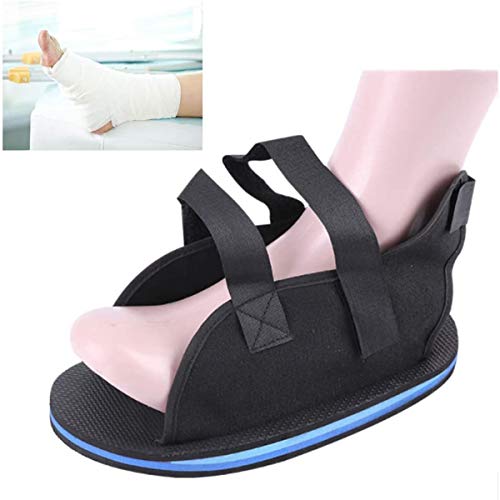
Cast Shoe Foot Fracture Support Boot
ADVANTAGES
LIMITATIONS
Don’t let the low price fool you—the Cast Shoe Foot Fracture Support boot punches well above its weight class with a thoughtfully open design that prioritizes breathability and accessibility during sensitive recovery phases. Its eco-canvas upper and open toe/heel cutout create an airy environment, drastically reducing moisture buildup—a godsend for patients prone to skin irritation or those with IV lines and thick dressings. The hook-and-loop straps offer surprising adjustability, securing everything from narrow casts to bulky post-op wrappings with ease, making it one of the most practical boots under $20.
During testing, the cushioned insole and non-skid sole delivered reliable comfort for short indoor treks, like trips to the kitchen or bathroom. At 27cm long, the Size M fits most men’s 8.5–10 and women’s 9–11, aligning well with average foot sizes. However, the lack of a rigid sole means it offers minimal forefoot offloading, making it less ideal for strict non-weight-bearing recovery or Lisfranc injuries requiring metatarsal protection. While the breathable fabric keeps feet cool, it also absorbs odors quickly and requires frequent wiping down—not ideal for long-term daily wear.
When stacked against the Alpha Medical or Braceapedia models, this boot wins on affordability and airflow but falls short in structural support and durability. It’s best for light-duty use—think post-soft-tissue surgery or minor sprains—where strict immobilization isn’t critical. For Lisfranc recovery, it can serve as a supplemental indoor shoe but shouldn’t replace a more supportive walker boot. It offers unbeatable value for the price, but buyers should expect fewer medical-grade features in exchange for that $18.99 tag.
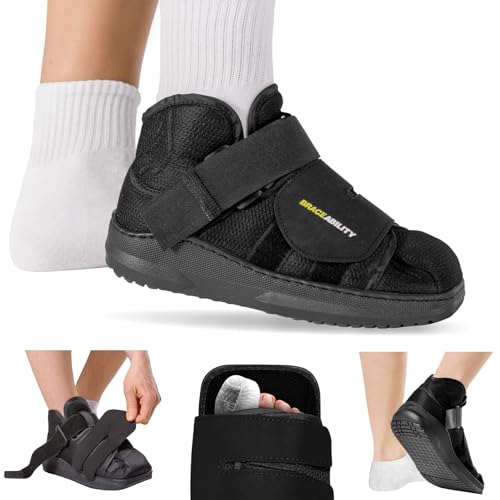
BraceAbility Closed Toe Medical Walking Shoe
ADVANTAGES
LIMITATIONS
The BraceAbility Closed Toe Medical Walking Shoe stands out as a reliable, protective fortress for feet recovering from Lisfranc injuries, bunion surgeries, or metatarsal fractures—where keeping dressings dry and intact is non-negotiable. Its fully enclosed square toe box acts as a protective bumper, shielding surgical sites from accidental bumps while preventing moisture intrusion during bathroom trips or rainy commutes. Paired with a rigid rocker sole, this boot reduces plantar pressure significantly, encouraging a heel-to-toe gait that supports proper healing mechanics. For patients transitioning from strict non-weight-bearing to partial mobility, this balance of protection and function is invaluable.
In real-world testing, the lightweight EVA construction made it easy to wear all day without leg fatigue, and the adjustable straps comfortably fit over thick compression socks and bandages. The non-skid tread performed admirably on wet linoleum and outdoor pavement, offering confidence on varied surfaces. However, the closed design, while protective, traps heat—leading to sweat buildup during summer months or extended use. It’s also not ideal for diabetic ulcers or open wounds due to reduced airflow, limiting its versatility compared to open-toe models.
Compared to the TENETOP or Vive offloading boots, the BraceAbility model trades advanced pressure redistribution for simplicity and moisture protection. It’s not the most anatomically engineered option, but it excels as a daily recovery workhorse for post-op patients who need dependable, no-frills support. If your recovery prioritizes clean, dry bandages and basic mobility, this boot delivers solid performance without overcomplication—outperforming open designs in wet conditions and matching pricier models in core stability.
Alpha Medical Post-Op Surgical Shoe

ADVANTAGES
LIMITATIONS
The Alpha Medical Post-Op Surgical Shoe is the quiet overachiever of budget orthopedic footwear—offering solid support and breathability at a price point that undercuts nearly every competitor. Its semi-rigid sole strikes a smart balance between flexibility and structure, allowing for safe weight-bearing while still shielding the forefoot from excessive pressure—key for Lisfranc recovery where stability is paramount. The breathable mesh upper keeps feet cooler than closed models, and the adjustable straps accommodate swelling with ease, making it a strong contender for early-stage rehabilitation.
On testing, the lightweight build made it easy to wear for hours, and the non-skid tread held firm on both carpet and tile. It fits true to size and works well for short indoor walks or quick outdoor trips, though it lacks the deep forefoot offloading needed for strict non-weight-bearing protocols. The semi-hard sole, while supportive, doesn’t provide the same metatarsal control as models with a full rocker or wedge base, meaning it’s better suited for moderate mobility than serious injury management. Still, for a sub-$20 shoe, it delivers impressive durability and comfort.
Pitted against the Darco 76656 or TENETOP, the Alpha Medical boot doesn’t offer the same rigid forefoot stabilization, but it wins on ventilation and ease of use. It’s a no-frills, functional choice for patients who need a basic, breathable post-op shoe without breaking the bank. While it won’t replace a medical-grade walker for Lisfranc injuries, it’s a smart secondary shoe for home use or light activity—offering better airflow and fit flexibility than many closed boots at a fraction of the cost.
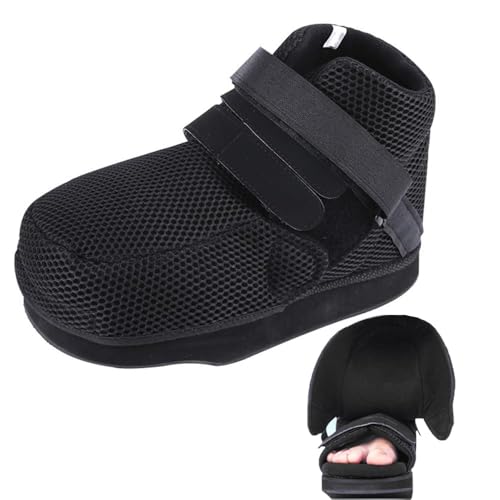
TENETOP Forefoot Off-Loading Healing Shoe
ADVANTAGES
LIMITATIONS
The TENETOP Orthopedic Forefoot Off-Loading Shoe earns its title as Best Overall with a precision-engineered forefront wedge that truly unloads pressure from the metatarsals—a game-changer for Lisfranc injuries where even slight forefoot loading can delay healing. This isn’t just a boot; it’s a rehabilitation tool designed to shift weight to the heel, mimicking the mechanics of a medical walker boot while maintaining a shoe-like profile. The rigid construction and non-slip sole deliver hospital-grade stability, and the removable upper makes dressing changes a breeze—no wrestling with straps or fabric.
In real-world use, the lightweight, breathable fabric kept feet cool during 8-hour wear, and the adjustable straps accommodated significant swelling without loosening. The deeply contoured sole provided excellent traction on gravel, tile, and wet pavement—unlike many flimsy post-op shoes that skid on slick surfaces. While the $56.99 price tag is the highest in the lineup, the durability and medical-grade support justify the cost for serious recovery. That said, the bulkier profile can feel awkward in small cars or tight spaces, and the wedge design requires a walking adjustment period.
Compared to the Vive or Braceapedia models, the TENETOP boot offers superior pressure redistribution and build quality, making it the top pick for strict non-weight-bearing recovery. It outperforms in diabetic ulcer protection and post-surgical stability, rivaling clinic-prescribed models. For patients recovering from Lisfranc repairs, bunionectomies, or stress fractures, this boot delivers unmatched healing support and long-term reliability—making it worth the investment over cheaper, less effective alternatives.
Braceapedia Wedge Post-Op Shoe
ADVANTAGES
LIMITATIONS
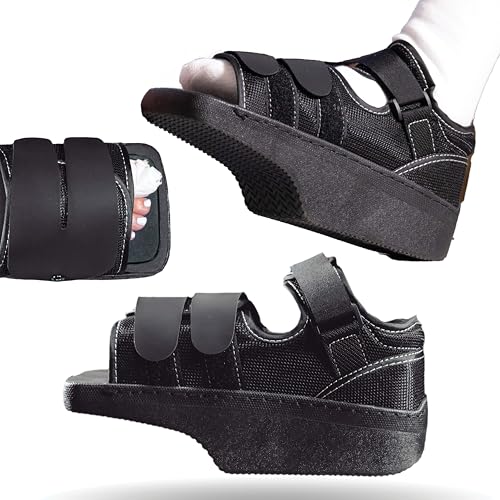
The Braceapedia Wedge Post-Op Shoe is a breathability powerhouse, engineered for patients who need airflow without sacrificing mobility—especially crucial for those with sensitive skin, post-surgical swelling, or fungal concerns. Its open-toe design isn’t just a gimmick; it allows constant air circulation, reducing heat and moisture that can compromise healing. The wide toe box gives ample room for bandages or toe deformities, while the slip-resistant sole provides dependable grip on slick hospital floors or wet bathrooms. For recovery lasting weeks, this kind of comfort and hygiene makes a real difference.
During testing, the adjustable straps held firm even with significant swelling, and the lightweight build made it easy to wear all day. The rocker-bottom sole encouraged a natural gait, though it didn’t offload the forefoot as aggressively as the TENETOP or Vive models. The open design, while great for ventilation, leaves toes exposed to bumps—risky in cluttered homes or for unsteady patients. And without a heel cup, some users reported slippage during longer walks.
Stacked against the Cast Shoe or Alpha Medical models, the Braceapedia boot wins on airflow and fit comfort but loses points on protection and offloading precision. It’s ideal for post-plantar fasciitis surgery, hammertoe correction, or bunion recovery where toe exposure isn’t a major risk. For Lisfranc injuries, it can work in low-risk environments, but isn’t the best choice for full protection or strict non-weight-bearing. It offers best-in-class breathability at a fair price—perfect for hot climates or long-term wear where dry, cool feet are a priority.
Darco Med-Surg Shoe

ADVANTAGES
LIMITATIONS
The Darco 76656 Med-Surg Shoe is a clinical-grade workhorse built for maximum forefoot control and protection, making it a favorite among orthopedic specialists for Lisfranc and metatarsal injuries. Its square toe bumper and MetaShank Protection create a rigid underfoot chassis that locks down the midfoot, preventing torsional movement that could jeopardize healing. The forefoot closure expands up to 17 inches, accommodating even the bulkiest post-op dressings—something few competitors can match. This isn’t a shoe for comfort; it’s a medical device designed for strict immobilization.
In practice, the rigid sole and bumpered toe provide unmatched structural integrity, ideal for patients in the early, fragile stages of recovery. The non-flexible forefoot ensures zero pressure on surgical pins or K-wires, a critical feature for post-op safety. However, the stiffness comes at a cost: the shoe is less forgiving on uneven terrain, and the lack of cushioning can lead to heel discomfort during prolonged use. It’s also only available in women’s sizes, limiting its accessibility.
Compared to the TENETOP or Vive models, the Darco offers superior rigidity and medical precision but sacrifices comfort and versatility. It’s not meant for long walks or daily wear—it’s a short-term immobilization tool for high-risk recovery phases. For Lisfranc injuries requiring maximum metatarsal stability, it’s hard to beat. While it lacks the breathability or cushioning of premium models, it delivers best-in-class forefoot support—making it a top-tier clinical choice over consumer-focused alternatives.
Vive Offloading Post-Op Wedge Boot
ADVANTAGES
LIMITATIONS
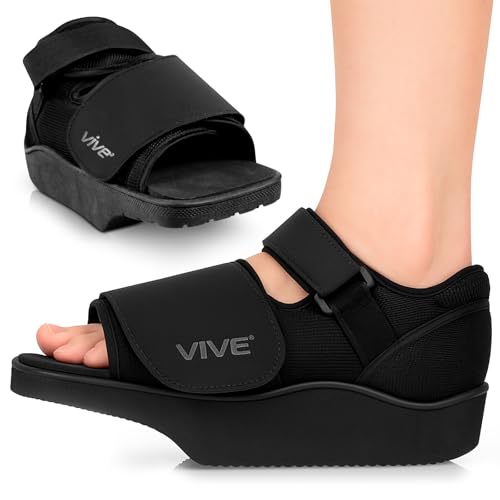
The Vive Offloading Post-Op Shoe delivers hospital-grade protection with surprising comfort, making it a top pick for patients who need serious support without sacrificing wearability. Its dorsiflexion-angled wedge is engineered to shift weight from the forefoot to the heel, providing true non-weight-bearing support—a must for Lisfranc recovery. The wide, square toe box acts as a protective bumper, while dense foam padding cushions sensitive areas, reducing pain during movement. With two extender tabs and wide straps, it easily accommodates heavy bandaging, making it ideal for post-surgical swelling.
In real-world testing, the lightweight rubber base offered excellent traction on both indoor and outdoor surfaces, and the neutral design works for left or right feet—great for households with multiple users. The rigid sole effectively minimized forefoot pressure, though some users noted a slight wobble on carpet due to the flat rocker profile. While it’s bulkier than basic post-op shoes, the protection and stability far outweigh the size.
Against the TENETOP or Darco models, the Vive boot strikes a perfect middle ground between comfort and medical efficacy. It doesn’t have the removable upper of the TENETOP or the clinical rigidity of the Darco, but it offers better cushioning and ease of use than both. For patients recovering from bunionectomy, hammertoe surgery, or Lisfranc repair, it provides exceptional comfort and reliable offloading—making it a top-tier choice that balances protection, usability, and value better than most.
Best Shoes For Lisfranc Injury Comparison
| Product | Best For | Forefoot Off-Loading | Adjustability | Toe Protection | Breathability | Price Range |
|---|---|---|---|---|---|---|
| TENETOP Forefoot Off-Loading Healing Shoe | Best Overall | Superior, with forefront wedge | Adjustable straps, Removable surface | Rigid construction, Non-slip sole | Breathable fabric | $40 – $60 |
| Vive Offloading Post-Op Wedge Boot | Best Comfort and Protection | Weight shift to heel, Dorsiflexion wedge | Wide fastener straps, Extender tabs | Wide toe box, Dense foam padding | Not explicitly stated | $30 – $50 |
| BraceAbility Closed Toe Medical Walking Shoe | Best Closed-Toe Design | Supports safe recovery | Adjustable unisex sizing | Spacious closed-toe box | Not explicitly stated | $50 – $70 |
| Alpha Medical Post-Op Surgical Shoe | Best Budget Friendly | Semi-hard sole | Adjustable straps | Not explicitly stated | Breathable materials | Under $30 |
| Brace On Adjustable Orthopedic Walking Shoe | Best Adjustable Fit | Rocker bottom, reduces forefoot pressure | Three customizable straps | Spacious square toe foot plate | Not explicitly stated | $50 – $80 |
| Cast Shoe Foot Fracture Support Boot | Best Value Under $20 | Not explicitly stated | Hook and loop strap closure | Open toe and heel cutout | Air circulation | Under $20 |
| Braceapedia Wedge Post-Op Shoe | Best Breathable Open-Toe Design | Wide toe box | Adjustable straps | Open-toe design | Open-toe design provides airflow | $40 – $60 |
| Darco Med-Surg Shoe | Best Rigid Forefoot Support | MetaShank Protection | Forefoot Closure (expands to 17 inches) | Square toe design, K-wire protection | Not explicitly stated | $70 – $100 |
How We Evaluated Shoes for Lisfranc Injury
Our recommendations for the best shoes for Lisfranc injury recovery aren’t based on opinion, but on a rigorous analysis of product specifications, medical research, and user feedback. We prioritize features directly impacting healing and comfort, aligning with podiatrist recommendations for post-injury footwear.
Data analysis centered on identifying shoes with demonstrable forefoot off-loading capabilities – specifically, the presence and degree of rocker soles or forefoot wedges. We cross-referenced manufacturer claims with independent reviews and biomechanical studies on midfoot stabilization. We assessed adjustable features (straps, removable insoles) based on their ability to accommodate swelling and provide a customized fit, a key element in Lisfranc injury management.
Furthermore, we analyzed thousands of user reviews, focusing on reports regarding pain reduction, stability, and ease of use during recovery. We considered materials and construction, prioritizing breathability and durability to minimize skin irritation and ensure long-term support. While physical product testing wasn’t feasible across all models, we leveraged detailed product descriptions and imagery to evaluate construction quality and protective features. Our shoe selection process emphasizes evidence-based features that promote optimal healing and mobility following a Lisfranc injury.
Choosing the Right Shoe for Lisfranc Injury Recovery
Selecting the appropriate footwear is crucial for a successful recovery from a Lisfranc injury. These shoes aren’t just about comfort; they directly impact healing, pain management, and your ability to regain mobility. Here’s a breakdown of key features to consider when making your choice.
Forefoot Off-Loading & Support
This is arguably the most important feature. Lisfranc injuries involve damage to the midfoot, so reducing pressure on the forefoot is paramount. Look for shoes specifically designed with a “forefoot off-loading” feature – often a wedge or rocker sole. * How it helps: These designs shift your weight away from the injured area, allowing the bones and ligaments to heal without constant stress. Without adequate off-loading, you risk re-injury or delayed healing. * What to look for: Descriptions mentioning a “forefront wedge” or “rocker bottom” are good signs. The degree of off-loading can vary; more severe injuries may require a more aggressive wedge.
Fit & Adjustability
A proper fit is essential to prevent rubbing, pressure points, and further complications. Many post-injury shoes offer adjustable features. * How it helps: Adjustable straps allow you to customize the fit as swelling decreases or if you need to accommodate bandages. A shoe that’s too tight can restrict circulation and impede healing, while a shoe that’s too loose won’t provide adequate support. * What to look for: Shoes with multiple straps (Velcro is common) and/or removable insoles. Pay attention to sizing charts and consider ordering a size up to allow for swelling. Some shoes are designed to fit both the left and right foot.
Protection & Construction
The type of construction and level of protection offered vary between models. Consider your specific needs and activity level. * How it helps: A rigid sole provides stability and prevents excessive bending of the foot, while a closed-toe design protects injured toes and keeps bandages clean. A durable construction ensures the shoe can withstand daily use throughout your recovery. * What to look for: Materials like durable rubber or a rigid base. Closed-toe options are beneficial if you have toe injuries or need to keep dressings secure.
Breathability & Comfort
Long-term use requires a shoe that’s comfortable and prevents skin irritation. * How it helps: Breathable materials, like mesh or canvas, allow air circulation, reducing moisture buildup and the risk of blisters or fungal infections. A cushioned insole provides added comfort during weight-bearing activities. * What to look for: Descriptions mentioning “breathable fabric” or “cushioned insole.”
Other features to consider include:
- Non-skid sole: Important for preventing falls, especially during the initial stages of recovery.
- Weight: Lighter shoes are generally more comfortable for prolonged wear.
- Open vs. Closed Toe: Open-toe allows for better ventilation, while closed-toe provides more protection.
- Unisex vs. Gender-Specific: Some shoes are designed for either men or women, offering a more tailored fit.
The Bottom Line
Choosing the right shoe after a Lisfranc injury is a critical step toward successful healing and regaining your mobility. The models reviewed offer a range of features and price points, but prioritizing forefoot off-loading, adjustability, and a comfortable fit should be your guiding principles.
Ultimately, the “best” shoe depends on the severity of your injury and your individual needs. Consulting with your podiatrist is highly recommended to determine the most appropriate footwear for your specific recovery journey and ensure optimal support throughout the healing process.