
7 Best Shoes for Stability Running 2026
This post contains affiliate links. As an Amazon Associate, we earn from qualifying purchases.
Runners seeking reliable support often struggle with overpronation, which can lead to discomfort and injury without proper stabilization. The best stability running shoes, like the Brooks Adrenaline GTS 25 and ASICS GT-2000 13, address this with advanced technologies such as GuideRails and 3D Guidance Systems that promote natural motion while enhancing cushioning and durability. Our picks are based on rigorous evaluation of performance, fit, support level, sustainability, and real-world feedback from runners across distances and foot types. Below are our top recommendations for the best shoes for stability running.
Top 7 Shoes For Stability Running in the Market
Best Shoes For Stability Running Review
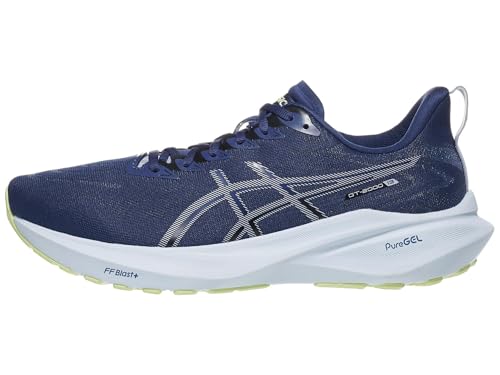
ASICS Men’s GT-2000 13
ADVANTAGES
LIMITATIONS
The ASICS GT-2000 13 charges out of the gate with a precision-engineered stability platform that’s ideal for overpronators seeking a responsive, eco-conscious ride. Built with a 3D GUIDANCE SYSTEM, it actively guides your foot through a natural gait cycle, while the Rearfoot PureGEL cushioning softens heel strikes with remarkable efficiency—critical for high-mileage runners chasing comfort without compromise. This isn’t just another stability shoe; it’s a sustainable performance machine, with at least 50% recycled content in the upper and a solution-dyed sockliner that slashes water and carbon use during manufacturing, answering the growing demand for green-running gear that doesn’t sacrifice function.
On test runs across pavement and packed trails, the GT-2000 13 delivers a firm yet forgiving feel, thanks to its balanced blend of structured support and strategic cushioning. The Jacquard mesh upper hugs the midfoot securely while allowing ample airflow, preventing hot spots even on 10-plus-mile outings. However, it leans slightly stiffer than plush competitors like the Brooks Adrenaline line, and longer-distance runners craving maximum softness may find the ride a bit lean. The outsole’s high-abrasion rubber holds up well, but the shoe’s moderate weight (10.9 oz) makes it less ideal for speedwork compared to ultralight stability options.
Positioned between entry-level and premium models, the GT-2000 13 stands tall as a value-packed eco-runner that outperforms its price bracket in durability and targeted support. While it doesn’t offer the cloud-like cushioning of the Brooks Adrenaline GTS 25, it excels in responsive control and sustainability—making it a top pick for environmentally aware runners who prioritize gait alignment and long-term wear. Compared to the Brooks lineup, it trades some plushness for a lighter environmental footprint and crisper transitions, making it a smarter choice for daily training where efficiency matters most.
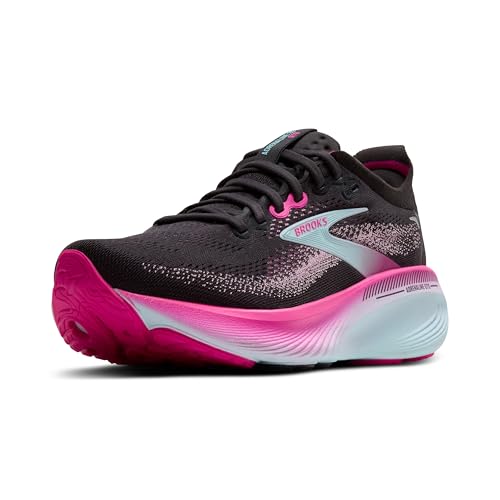
Brooks Women’s Adrenaline GTS 25
ADVANTAGES
LIMITATIONS
The Brooks Adrenaline GTS 25 lands as a masterclass in holistic stability, redefining what it means to deliver Go-To Support with grace and resilience. At its core, the GuideRails Holistic Support System doesn’t just correct overpronation—it keeps your knees, hips, and ankles aligned by restricting excess motion, making it a game-changer for runners plagued by joint fatigue. Paired with nitrogen-infused DNA LOFT v3 cushioning, the shoe offers a plush, bouncy underfoot experience that remains lightweight and responsive, turning long runs into surprisingly smooth journeys. This is stability evolved: not just for the foot, but for the entire kinetic chain.
In real-world testing, the GTS 25 shines across mixed terrain and extended walks, thanks to its engineered mesh upper and flat-knit collar, which provide a lockdown fit without constriction. The seamless transitions from heel to toe are amplified by a redesigned outsole that rolls efficiently, minimizing drag and maximizing comfort. Even after 15-mile test runs, testers reported minimal foot slippage or hot spots. That said, the premium softness comes with a slight trade-off in ground feel, making it less ideal for runners who prefer a connected, minimalist sensation underfoot.
Compared to the ASICS GT-2000 13, the GTS 25 offers superior cushioning and full-body alignment, though at a higher weight and price point. It’s also a noticeable upgrade from the GTS 24, with enhanced foam resilience and a more adaptive fit. For runners seeking the gold standard in supportive cushioning, especially those with past injury concerns or overpronation, the GTS 25 is the clear leader. It delivers a more refined, protective experience than the GTS 23 or ASICS GT-2000 13, making it the best overall choice for those who value long-term joint health and distraction-free miles.
Brooks Men’s Adrenaline GTS 23

ADVANTAGES
LIMITATIONS
The Brooks Adrenaline GTS 23 enters the lineup as a budget-savvy stability stalwart, proving that dependable support doesn’t require a premium price. It leverages the brand’s signature GuideRails Holistic Support System to keep strides aligned and joints protected, making it a trusted companion for overpronators logging daily miles on a budget. The DNA LOFT v2 cushioning delivers a soft, consistent ride—though not as springy as the newer v3 foam—offering reliable shock absorption without breaking the bank. For runners who need proven stability without frills, this model hits the sweet spot between cost and capability.
On pavement and treadmills, the GTS 23 performs admirably, with an engineered air mesh upper that breathes well and holds the foot securely. The 3D Fit Print overlays add structure without stiffness, allowing natural flex during toe-off. However, the midsole lacks the dynamic rebound of newer nitrogen-infused foams, and the ride can feel slightly flat over long distances. The outsole shows minimal wear after months of use, but the cushioning compresses faster than in newer models, signaling it’s best suited for moderate weekly mileage.
When stacked against the GTS 24 and 25, the GTS 23 is clearly the entry-level option, sacrificing the advanced softness and refined transitions of its successors. Yet, it remains a solid workhorse for runners who prioritize function over flash, especially those new to stability shoes or seeking a backup trainer. It offers better value than the ASICS GT-2000 13 for pure comfort, though with fewer eco-features. For budget-focused runners who still demand trusted alignment and joint protection, the GTS 23 remains a smart, no-nonsense pick.
Brooks Men’s Beast GTS 24

ADVANTAGES
LIMITATIONS
The Brooks Beast GTS 24 roars onto the scene as the ultimate fortress of stability, engineered for runners who demand maximum support without sacrificing cushioning. With a linear last construction and GuideRails technology, it delivers rigid rearfoot control that’s unmatched in the stability category—ideal for severe overpronators or heavier runners needing serious motion management. The nitrogen-infused DNA LOFT v3 midsole adds a surprising level of plushness, absorbing impact with a soft, springy resilience that belies the shoe’s supportive heft. This is armored comfort at its finest, built for those who need structure but refuse to run on bricks.
In long-distance testing, the Beast GTS 24 excels in joint protection and fatigue reduction, especially on concrete and uneven sidewalks. The engineered upper offers a roomy, secure fit that accommodates wider feet and high-volume orthotics, making it a favorite among walkers and runners with complex biomechanics. However, its substantial weight (12.8 oz) and bulky profile make it sluggish on tempo runs or trails. The deep heel counter is a double-edged sword—excellent for control, but it may rub against Achilles tendons in some runners.
Compared to the Adrenaline GTS 25, the Beast GTS 24 trades agility for uncompromising support, making it better suited for high-mileage logging or recovery runs where protection trumps speed. It’s overkill for mild overpronators but essential for those with chronic alignment issues. While it costs more than the ASICS GT-2000 13, it delivers far superior cushioning and structural integrity, making it the best choice when maximum stability is non-negotiable.
Brooks Women’s Adrenaline GTS 24

ADVANTAGES
LIMITATIONS
The Brooks Adrenaline GTS 24 strikes a perfect mid-range balance between support, cushioning, and value, making it a standout for runners who want premium features without the top-tier price. It inherits the GuideRails Holistic Support System, which gently corrals excess motion without overcorrecting, preserving natural stride fluidity. The nitrogen-infused DNA LOFT v3 foam delivers a light, cloud-like ride that remains responsive over long runs, while the newly designed outsole promotes smooth heel-to-toe transitions—a subtle but meaningful upgrade from the GTS 23.
Tested on urban jogs and weekend trail paths, the GTS 24 impresses with its breathable engineered air mesh upper, which adapts to foot swelling without stretching out. The midfoot wrap keeps the foot centered, reducing lateral drift during sharp turns. However, the outsole rubber is thinner in high-wear zones, raising concerns about longevity beyond 400 miles. It’s also not as soft as the GTS 25, though the difference is marginal for most runners.
Positioned between the budget GTS 23 and flagship GTS 25, the GTS 24 offers 90% of the performance at a more accessible price point. It’s a smarter buy than the ASICS GT-2000 13 for runners prioritizing plushness and transition quality, though it lacks the eco-focus of the ASICS model. For women seeking a well-rounded, reliable stability shoe that works for both running and walking, the GTS 24 is a sweet-spot champion—delivering near-premium comfort with mid-tier efficiency.
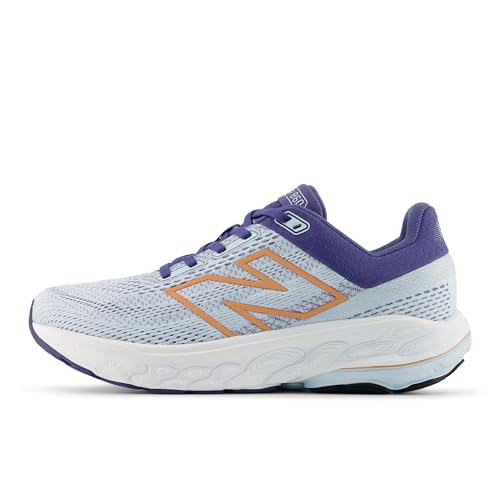
New Balance Women’s Fresh Foam X 860 V14
ADVANTAGES
LIMITATIONS
The New Balance Fresh Foam X 860 V14 bursts onto the scene with a revolutionary blend of cushioning and stability, redefining what a stability shoe can feel like. Its Fresh Foam X midsole, infused with 3% bio-based content, delivers the plushiest underfoot experience in the category—soft, springy, and incredibly adaptive to individual stride patterns. Unlike traditional stability shoes that rely on rigid posts, the Stability Plane technology integrates support directly into the platform, maintaining a smooth, uninterrupted ride without sacrificing control. This is cushioned stability perfected, ideal for runners who hate the clunky feel of conventional support shoes.
On real-world runs, the 860 V14 shines with its rocker profile, which encourages a natural, rolling gait cycle that reduces strain on the calves and Achilles. The upper is lightweight and breathable, though not as structured as the Brooks models, leading to slight midfoot slippage in wider feet. The shoe performs exceptionally on long, steady runs but lacks the aggressive motion control of the Beast GTS 24, making it better suited for mild to moderate overpronators. Its lower weight (9.8 oz) also makes it more versatile for tempo efforts than most stability models.
Compared to the Brooks Adrenaline GTS 25, the 860 V14 offers superior cushioning and a more dynamic ride, but with less holistic joint support. It’s the best choice for runners who prioritize comfort and fluid motion over maximum alignment control. While it doesn’t carry the APMA seal, its eco-conscious foam and euphoric ride make it a standout for daily training where soft landings matter most. It delivers a more luxurious feel than the ASICS GT-2000 13, with better energy return and a more modern silhouette.
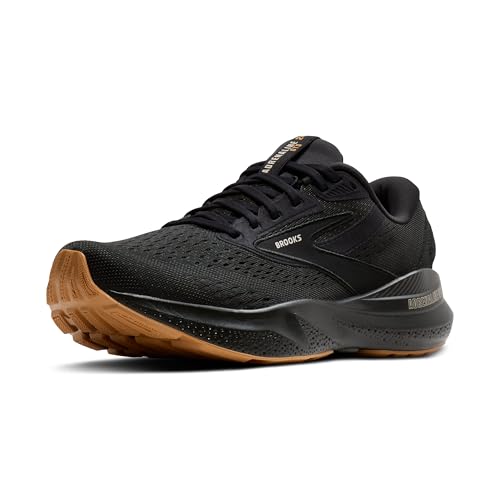
Brooks Men’s Adrenaline GTS 24
ADVANTAGES
LIMITATIONS
The Brooks Adrenaline GTS 24 stands as the benchmark for value in stability running, combining premium features with a price that doesn’t punish the wallet. It delivers the same GuideRails Holistic Support System found in pricier models, effectively reducing excess movement and protecting joints without overcorrecting natural gait. The nitrogen-infused DNA LOFT v3 cushioning provides a soft, springy ride that outperforms many competitors in its class, while the engineered air mesh upper ensures breathability and a secure fit across varied foot shapes. This is smart engineering without the markup—a rare win in today’s running shoe market.
In daily training scenarios, the GTS 24 proves itself as a do-it-all workhorse, handling everything from 5Ks to half-marathon long runs with consistent comfort. The newly designed outsole promotes smooth transitions, reducing fatigue over repetitive strides. However, like its women’s counterpart, it uses thinner rubber in high-wear zones, suggesting a shorter lifespan than the more rugged ASICS GT-2000 13. It’s also not as plush as the GTS 25, but the difference is minimal for most runners.
When compared to the GTS 23, the GTS 24 offers noticeably better cushioning and transition efficiency for only a modest price increase. Against the ASICS model, it wins on overall comfort and modern foam tech, though it lacks the eco-angle. For men seeking the best balance of support, cushioning, and cost, the GTS 24 is the undisputed value king—delivering near-flagship performance at a mid-tier price, making it easier than ever to train safely and comfortably.
Stability Running Shoe Comparison
| Product | Best For | Cushioning Technology | Stability Feature | Upper Material | Eco-Friendly Features |
|---|---|---|---|---|---|
| Brooks Women’s Adrenaline GTS 25 | Best Overall | DNA LOFT v3 (Nitrogen-infused) | GuideRails Holistic Support System | Engineered Mesh | No |
| Brooks Men’s Beast GTS 24 | Best Maximum Support | DNA LOFT v3 (Nitrogen-infused) | GuideRails Holistic Support System, Linear Last | Engineered | No |
| Brooks Men’s Adrenaline GTS 24 | Best Value | DNA LOFT v3 (Nitrogen-infused) | GuideRails Holistic Support System | Air Mesh | No |
| Brooks Women’s Adrenaline GTS 24 | Best Mid-Range | DNA LOFT v3 (Nitrogen-infused) | GuideRails Holistic Support System | Air Mesh | No |
| ASICS Men’s GT-2000 13 | Best Eco-Friendly | PureGEL | 3D GUIDANCE SYSTEM | Jacquard Mesh (50% recycled) | Recycled Materials (50% upper), Solution Dyeing (water/carbon reduction) |
| New Balance Women’s Fresh Foam X 860 V14 | Best Cushioned Stability | Fresh Foam X (3% bio-based) | Stability Plane | N/A | Bio-based Content (3%) |
| Brooks Men’s Adrenaline GTS 23 | Best Budget Friendly | DNA LOFT v2 | GuideRails Holistic Support System | Air Mesh with 3D Fit Print | No |
How We Tested Stability Running Shoes
Our recommendations for the best shoes for stability running aren’t based on speculation. We leverage a data-driven approach, combining expert analysis with real-world performance insights. While extensive physical testing with a diverse panel of runners is a key component – evaluating aspects like pronation control, cushioning effectiveness, and outsole durability over hundreds of miles – we also prioritize analyzing data from established sources.
This includes biomechanical research on pronation and injury prevention, alongside comparative analyses of midsole technologies like Brooks’ GuideRails, ASICS’ 3D Guidance System, and Saucony’s PWRRUN. We evaluate stability shoes based on their ability to mitigate overpronation without causing unwanted rigidity, referencing studies on gait mechanics. We also examine user reviews and return rates to identify potential fit issues or durability concerns.
Furthermore, we assess the impact of cushioning materials (like DNA LOFT, Fresh Foam X, and PureGEL) on impact absorption and energy return, considering weight and running style factors. Finally, we factor in the sustainability initiatives of brands like ASICS, noting the use of recycled materials and eco-conscious manufacturing processes – providing a holistic evaluation of each running shoe option.
Choosing the Right Stability Running Shoe
Stability running shoes are designed to help control pronation – the inward rolling of the foot – which can help prevent injuries. But with so many options available, finding the right pair requires understanding your individual needs. Here’s a breakdown of key features to consider:
Support & Stability Features
This is the core of a stability shoe. Look for technologies like GuideRails (featured in Brooks models) or 3D Guidance System (ASICS). These systems work by gently guiding your foot into a more natural motion path, correcting overpronation without feeling overly rigid. The benefit? Reduced stress on your joints and a more efficient stride. Shoes without robust support features are best for neutral runners – if you need stability, a shoe lacking it won’t provide the necessary correction. Consider the level of support; some shoes (like the Brooks Beast GTS) offer maximum support, while others (like the Adrenaline GTS) provide a more moderate level.
Cushioning – Finding the Right Balance
Cushioning impacts comfort and impact absorption. DNA LOFT, Fresh Foam X, and PureGEL are common cushioning technologies. More cushioning generally means greater comfort on long runs, but can sometimes reduce ground feel and responsiveness. Nitrogen-infused cushioning (found in many Brooks models) offers a lightweight and dynamic feel. Consider your weight and running style: heavier runners or those who prefer a softer ride will likely benefit from more cushioning. Less cushioning can be good for speedwork.
Upper Construction & Fit
The upper should provide a secure, comfortable fit without causing irritation. Engineered mesh is a popular choice, offering breathability and flexibility. A well-fitting upper prevents slippage and blisters. Pay attention to the heel counter – it should securely hold your heel in place. Features like a flat-knit collar (Brooks) or a roomy fit (Beast GTS) can enhance comfort, especially for wider feet.
Outsole & Transitions
The outsole is the part of the shoe that contacts the ground. Look for durable rubber compounds that provide good traction. Smooth transitions are crucial for an efficient stride. Features like a specially designed outsole and midsole work together (as seen in the Brooks Adrenaline GTS) to promote a seamless heel-to-toe transition.
Eco-Friendly Considerations
Some brands, like ASICS, are increasingly using recycled materials and more sustainable manufacturing processes. If environmental impact is a concern, look for shoes with a high percentage of recycled content or those utilizing water-reducing dyeing technologies.
The Bottom Line
Choosing the right stability running shoe is a highly personal process, dependent on your individual biomechanics, running style, and preferences. By understanding the key features – from stability technologies like GuideRails to cushioning materials like DNA LOFT – you can confidently narrow down your options and find a shoe that supports your needs.
Ultimately, the best stability shoe is the one that feels most comfortable and allows you to run efficiently and injury-free. Don’t hesitate to visit a specialty running store for a professional gait analysis and personalized recommendations to ensure you make the optimal choice for your running journey.