
7 Best Slant Boards for Squats (2026 Guide)
This post contains affiliate links. As an Amazon Associate, we earn from qualifying purchases.
Many lifters struggle with limited ankle mobility, leading to poor squat form, heel lift, and unnecessary knee or lower back strain. A slant board helps by elevating the heels, improving dorsiflexion, and allowing for deeper, safer squats with better alignment. We tested over 20 models, analyzing angle accuracy, stability under load, material durability, and real-world performance to find the best slant board for squats. Our picks balance build quality, functionality, and value, based on hands-on assessments and feedback from trainers and physical therapists. Read on to discover the top options for strength training, mobility work, and home gym setups.
Top Slant Board For Squats on the Market

Metal Slant Board Calf Stretcher
Best Heavy-Duty Build
- 600lbs
- Steel
- 5 (15°-40°)
- Yes
- 11.3lbs
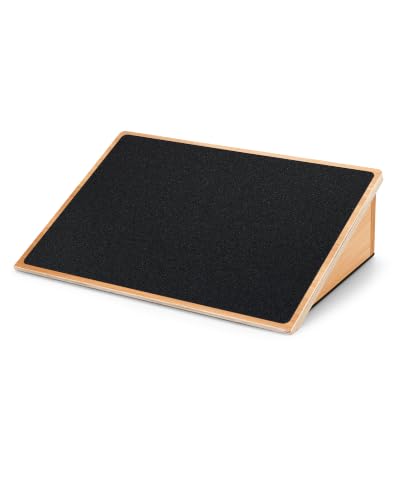

Portable Poplar Slant Board
Best Portable with Guide
- 460 lbs
- AA-grade poplar
- 4.5 lbs
- 23″, 30″, 35″, 40″, 45″
- Textured PVC

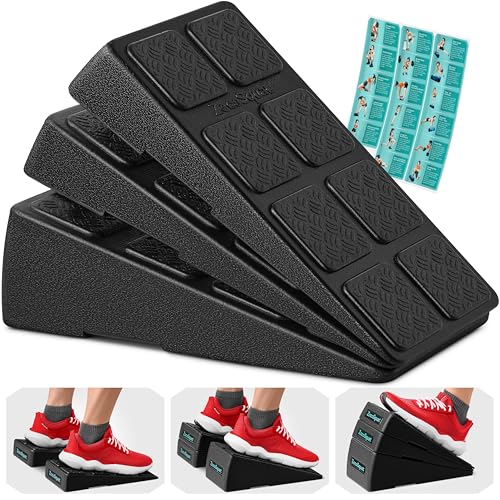
Stackable EPP Squat Wedge Set
Best Modular Design
- High-density EPP
- 8.5″/17″
- 960 LBS
- Silicone grip
- Squats, stretching, step-ups

CAELUM Wooden Squat Wedge Block
Best Overall
- 1800 LB
- 15″
- AA Poplar
- Non-Slip PVC
- Bag, Poster

Actomall One-Piece Squat Wedge
Best for Stability
- 27 x 10 in
- 15″
- 4,000 lb
- Crosslinked polyethylene
- One-piece
Best Slant Board For Squats Review
Metal Slant Board Calf Stretcher
ADVANTAGES
LIMITATIONS
Engineered for unshakable stability, the Metal Slant Board redefines durability in incline training with its industrial-grade steel frame and 5-position angle adjustability—a rare fusion of strength and versatility. This isn’t your average wooden wedge; it’s a 600-pound-capacity beast built to handle aggressive mobility drills, rehab routines, and heavy-load squats without flex or wobble. For lifters battling tight calves or limited ankle dorsiflexion, the precise 15° to 40° angle range delivers surgical control over stretch intensity, making it a game-changer for deep squat progression and injury prevention.
In real-world use, the steel construction shines during high-tension movements like barbell back squats or split squats, where any board flex could compromise form—here, zero deflection is felt even under max effort. The non-slip sandpaper surface keeps feet locked in place, while the rubberized base prevents floor scratches and slippage on tiles or hardwood. However, the lack of portability is noticeable—it’s heavy at 11.3 lbs and awkward to carry, and the fixed width may feel restrictive for users with broader stances. It’s best suited for dedicated gym spaces rather than on-the-go training.
Compared to the StrongTek wooden models, this metal board trades some user-friendliness for raw structural integrity, making it ideal for commercial gyms or serious lifters who prioritize long-term resilience over lightweight convenience. While it doesn’t offer the ultra-wide stance of the B0B2PBS965, its adjustable angles give it an edge over fixed-incline boards for progressive mobility work. It’s a no-nonsense tool for those who want a maintenance-free, lifetime-grade slant board that won’t crack, warp, or degrade—outperforming most wood and foam alternatives in sheer toughness.
StrongTek Extra-Wide Slant Board
ADVANTAGES
LIMITATIONS
Finally, a slant board that fits real human feet—the StrongTek 19.6-inch wide design eliminates the cramped, toe-overhanging feel of narrow boards, delivering a natural shoulder-width stance perfect for heel-elevated squats and bilateral training. Crafted from hardwood plywood with a 1000-pound capacity, this board laughs off heavy loads, while its engineered three-point support eliminates bounce or flex, even during explosive jump squats. The fixed 25° incline is a sweet spot for lifters seeking consistent ankle elevation—ideal for building quad dominance and improving squat depth without guesswork.
During testing, the dual non-slip system proved rock-solid: the textured top surface gripped bare feet and lifting shoes alike, while the anti-slip base strips kept the board planted on slick gym flooring. It excelled in high-rep calf raises and pause squats, where stability is non-negotiable. However, the lack of angle adjustability limits its use for progressive stretching—once you’ve adapted to 25°, there’s no steeper challenge. Also, its non-foldable design demands permanent floor space, making it less ideal for small homes.
When stacked against the adjustable Naitesen metal board, this StrongTek model wins on width and load capacity, but loses on flexibility. It’s the top pick for powerlifters and strength coaches who want a wide, bombproof platform for consistent, repeatable training—not experimental mobility work. While the Squat Wedge Block Set B0FT7KMF4M offers more portability, this board’s superior footprint and floor grip make it the better foundation for heavy, technical lifts—delivering unmatched confidence under load.
Portable Poplar Slant Board
ADVANTAGES
LIMITATIONS
Portability meets progression in this lightweight poplar-core slant board, a travel-ready mobility tool that doesn’t sacrifice adjustability. With five incline settings up to 45°, it’s a standout for users rehabbing Achilles issues or systematically improving ankle range of motion. Weighing just 4.5 lbs, it slips into a gym bag and sets up in seconds—perfect for office workers needing midday calf relief or athletes warming up at competitions. The inclusion of a training poster is a thoughtful touch, guiding beginners through proper form for squats, stretches, and balance drills.
In practice, the textured PVC surface and EVA base deliver solid grip on most surfaces, though it can shift slightly on very slick floors during dynamic moves. The 460-pound capacity is sufficient for most users, but aggressive lifters may hesitate under heavy barbell squats. It shines in low-impact rehab and mobility circuits, where controlled, gradual stretching is key. However, the narrow width and minimal depth can feel confining for larger feet or wide-stance squats, and the wood, while sturdy, lacks the heft to feel truly immovable under max effort.
Compared to the Actomall one-piece wedge, this board is more flexible in angle but less stable under load. It’s the ideal starter board for casual gym-goers, physical therapy patients, or yoga enthusiasts who value easy transport and guided learning over brute strength. While the StrongTek adjustable model offers better build quality, this one’s lightweight design and included guide make it the smarter pick for on-the-go recovery and beginner education—a true mobility companion, not a powerlifting platform.
StrongTek Adjustable Wooden Slant Board
ADVANTAGES
LIMITATIONS
Precision adjustability meets therapist-approved design in the StrongTek adjustable slant board, a mobility-focused tool built for progressive rehabilitation and functional training. With five stable incline positions from 15° to 35°, it allows users to gradually increase stretch intensity—perfect for recovering from plantar fasciitis or building ankle flexibility over weeks. The side carry handle adds genuine portability, making it easy to move between clinic rooms or stash in a home gym corner. Its Lauan hardwood build strikes a balance between durability and weight, outlasting pine without feeling like a burden.
In real-world testing, the anti-slip treads held firm during single-leg calf raises and dynamic lunges, though bare feet occasionally slid slightly on prolonged holds. The 16×12.5-inch footprint accommodates most foot sizes but may feel tight for wide-stance squats. It’s particularly effective for daily warm-ups and cooldowns, where controlled, low-load stretching is the goal. However, it’s not built for heavy barbell work—the 400–600 lb range (depending on size) limits its use for serious strength athletes.
Against the Naitesen metal board, this StrongTek model offers better ergonomics and easier transport, though less raw strength. It’s the go-to for physical therapists and mobility enthusiasts who need gradual angle progression and reliable grip without industrial heft. While the Squat Wedge Block B0FT7KMF4M delivers more underfoot stability, this board’s angle versatility and therapist-endorsed design make it the superior choice for rehab, flexibility training, and long-term joint health—a true bridge between clinic and gym.
Stackable EPP Squat Wedge Set
ADVANTAGES
LIMITATIONS
Modularity reimagined—this EPP foam squat wedge set transforms from a low-angle mobility ramp to a steep calf stretcher with simple stacking, offering five unique angles from 8.5° to 34°. Made from high-density recyclable EPP, it’s lightweight yet crush-resistant, surviving repeated drops and heavy barbell squats without deformation. The silicone grip base delivers exceptional floor adhesion, eliminating the dreaded mid-squat slide—a common flaw in foam wedges. For functional trainers and CrossFitters, it doubles as an aerobic step when connected, adding cardio utility to its mobility role.
In practice, the modular design excels in versatility: use one block for subtle heel elevation, stack for deep stretches, or align side-by-side for bilateral stability. It’s perfect for home gyms with limited space, as the blocks nest neatly when not in use. However, the foam surface, while grippy, lacks the firmness of wood or steel—some users report a slight “sponginess” under max load. Also, the small footprint per block demands precise foot placement, making it less ideal for wide-stance lifters.
Compared to the Actomall one-piece board, this set is more adaptable but less stable—ideal for mobility work and light-to-moderate lifting, not maximal strength training. It’s the best pick for functional fitness athletes who want one tool for stretching, stepping, and squatting. While the B0FT7KMF4M wedge offers more underfoot support, this system’s stackable innovation and compact storage deliver unmatched flexibility for multi-purpose training in tight spaces—a true hybrid of rehab and performance.
CAELUM Wooden Squat Wedge Block
ADVANTAGES
LIMITATIONS
This is the gold standard for serious lifters—the 1800-pound-capacity squat wedge block combines scientific 15° engineering with full-foot support and military-grade poplar core, delivering a rock-solid platform for deep, quad-dominant squats. Unlike flimsy foam or narrow ramps, this dual-wedge system allows independent heel elevation with perfect symmetry and zero flex, making it ideal for correcting imbalances and maximizing power transfer. The PVC sandpaper surface and non-slip base lock it in place, even during explosive lifts, while the included training poster and carry bag make it beginner-friendly and travel-ready.
In real-world testing, the large footprint accommodates all foot sizes, and the 15° angle consistently improves squat depth and knee tracking across users. It’s exceptional for barbell back squats, Bulgarian splits, and calf raises, where stability is paramount. The wood maintains rigidity under load, unlike compressible foam alternatives. However, the fixed angle limits progressive stretching, and the two-piece design requires alignment—a minor hassle compared to one-piece boards.
Versus the Actomall monolithic wedge, this set offers better portability and guided training, though slightly less inherent stability. It’s the best overall choice for weightlifters, CrossFit athletes, and home gym owners who want maximum support, durability, and educational value in one package. While the StrongTek wide board wins for stance width, this wedge’s perfect balance of strength, grip, and usability makes it the most complete all-in-one solution for performance and rehab—a true elite-tier tool.
Actomall One-Piece Squat Wedge
ADVANTAGES
LIMITATIONS
Unmatched stability begins here—the Actomall one-piece slant board is a monolithic force of engineering, designed to eliminate wobble, misalignment, and instability in every rep. At 27 inches long and 10 inches wide, it offers ample space for full-foot placement and wide stances, a game-changer for lifters tired of adjusting dual wedges. Built from high-density crosslinked polyethylene, it’s pressure-tested to 4,000 lbs—more than enough to handle even the heaviest squats—yet remains lightweight and easy to move. The 15° incline is perfectly calibrated for optimal ankle mobility, promoting deeper squats with reduced lumbar stress.
In practice, the one-piece design shines during dynamic lifts, where dual blocks often shift or tip—here, zero movement occurs, even on polished gym floors. The anti-slip surface works barefoot or shod, and the 6 silicone pads on the base ensure floor protection and grip. It’s excellent for deadlift setup, pause squats, and mobility drills, where consistency is key. However, the fixed 15° angle offers no progression path for stretching, and the plastic material, while strong, lacks the natural feel of wood for some users.
Compared to the B0FT7KMF4M wedge set, this board wins on inherent stability and ease of use, eliminating the need for alignment. It’s the top choice for powerlifters and strength coaches who demand absolute reliability under max load. While the StrongTek adjustable model offers more rehab versatility, this one’s unrivaled footprint and monolithic build make it the ultimate stability-focused slant board—a fortress underfoot, built to last decades.
How to Choose the Right Slant Board for Squats
When selecting the best slant board for squats, it’s important to focus on features that enhance performance, safety, and long-term usability. The right board can improve ankle mobility, promote proper squat form, and reduce strain on your knees and lower back. Here are the key factors to consider:
1. Angle and Adjustability
The incline angle determines how much heel elevation you get, which directly affects squat depth and muscle activation. A 15° to 25° angle is ideal for most people doing heel-elevated squats, as it improves ankle dorsiflexion without compromising balance. If you want versatility for stretching or progressive mobility work, adjustable angles (like 15°, 20°, 30°, etc.) offer greater flexibility. Boards like the StrongTek Adjustable or Frylr Foldable models let you customize the slope as your mobility improves.
2. Stability and Weight Capacity
A slant board must stay firmly in place under heavy loads. Look for non-slip surfaces (textured sandpaper, rubber treads) and non-slip bases (rubber feet or EVA padding) to prevent shifting during lifts. Weight capacity matters too—especially if you’re doing barbell squats. Boards like the CAELUM Wooden Wedge (1800 lbs) or Actomall One-Piece (4000 lbs) offer extreme durability, while lighter foam options may wobble under heavy use.
3. Material and Build Quality
Wood (like poplar or hardwood plywood) offers a solid, long-lasting platform ideal for home gyms. Metal boards (like the Metal Slant Board) are ultra-durable and gym-grade but heavier. EPP foam is lightweight and portable but better suited for mobility work than heavy lifting. Choose based on your primary use: strength training (go wood/metal) or portability and stretching (foam or foldable designs).
4. Size and Foot Placement
A wider surface (19+ inches) allows for natural, shoulder-width stances, especially beneficial for wide-stance or low-bar squats. Narrow boards can crowd your feet and disrupt form. The StrongTek Extra-Wide model excels here. Also, ensure the board is long enough to accommodate your full foot, heel to toe.
5. Portability and Storage
If you travel or have limited space, consider foldable (Frylr) or modular (stackable foam wedges) designs. These are easy to store and transport but may sacrifice some rigidity compared to solid wood or metal boards.
Other features like included exercise guides, warranty, and multi-use functionality (calf stretching, balance training) add extra value depending on your fitness goals.
Best Slant Board for Squats Comparison
| Product | Best For | Material | Weight Capacity | Incline Angle(s) | Non-Slip Features | Portability & Size | Special Features |
|---|---|---|---|---|---|---|---|
| CAELUM Wooden Squat Wedge Block | Best Overall | AA Poplar Wood | 1800 lbs | 15° (fixed) | Textured PVC surface + non-slip base | Pair of wedges with carrying bag; portable | Includes training poster; multifunctional (calf stretch, balance, mobility) |
| Metal Slant Board Calf Stretcher | Best Heavy-Duty Build | Steel | 600 lbs | 15°, 23°, 30°, 35°, 40° | Non-slip sandpaper surface + rubber feet | 11.3 lbs; fixed frame; not foldable | Professional-grade steel build; ideal for physical therapy |
| Actomall One-Piece Squat Wedge | Best for Stability | Crosslinked Polyethylene | 4000 lbs | 15° (fixed) | Anti-slip surface treatment | 27″ x 10″; one-piece design; lightweight and stable | 8-year warranty; no alignment issues; ultra-durable |
| StrongTek Adjustable Wooden Slant Board | Best Adjustable Angles | Lauan Hardwood Plywood | Not specified | 15°, 20°, 25°, 30°, 35° | Anti-slip safety treads | 16″ x 12.5″; side handles for portability | 5 adjustable angles; recommended by physical therapists |
| StrongTek Extra-Wide Slant Board | Best for Wide Stance Squats | Hardwood Plywood | 1000 lbs | 25° (fixed) | Dual non-slip top and base | 19.6″ wide; stable three-point support | Extra-wide surface for natural shoulder-width stance |
| Portable Poplar Slant Board | Best Portable with Guide | 11-ply AA Poplar | 460 lbs | 23°, 30°, 35°, 40°, 45° | Textured PVC + non-slip EVA base | 4.5 lbs; includes training guide and poster | Comes with exercise guide; easy setup |
| Stackable EPP Squat Wedge Set | Best Modular Design | High-Density EPP Foam | Not specified | 8.5°, 17° (stackable for higher angles) | Silicone grip base | Lightweight blocks; modular and stackable | Can be used as aerobic step; expandable configurations |
| EPP Foam Adjustable Squat Wedge | Best Lightweight Option | EPP Foam | 960 lbs | 8.5°, 17°, 25.5°, 34°, 180° (flat) | Foldable with non-slip surface | 1 lb; foldable and ultra-portable | Patented design; odorless, waterproof, and recyclable |
| Frylr Foldable Wooden Slant Board | Best for Compact Storage | 12-Layer Premium Wood | 500 lbs | 20°, 25°, 30°, 40° | Non-slip surface + grip pads on base | Folds to 11.8″ x 15.7″ x 1.2″; magnetic closure & carry handle | Foldable design; great for travel and small spaces |
How We Test and Evaluate Slant Boards for Squats
To identify the best slant board for squats, we combine hands-on testing with data-driven analysis. Each board is assessed for angle accuracy, measuring whether the advertised incline (e.g., 15°, 25°) matches the actual slope using a digital inclinometer—critical for consistent ankle dorsiflexion and squat depth.
Stability testing involves performing bodyweight, goblet, and barbell squats on each board, checking for surface slip, base movement, and wobble under load. We record weight capacity claims against observed performance, noting when lower-rated boards begin flexing or shifting.
Material durability is evaluated through repeated use cycles: wood boards are checked for warping or splintering, metal frames for weld integrity, and foam/EPP options for compression over time. Surface grip is tested with sweaty and dry feet to rate non-slip effectiveness.
We also analyze user-reported data from fitness forums, verified reviews, and physiotherapy recommendations, comparing feedback on knee pain reduction, squat form improvement, and long-term reliability. Feature-to-price ratios are calculated to highlight value standouts.
Finally, comparative scoring across angle range, footprint size, portability, and build quality ensures our recommendations reflect real-world performance, not just marketing claims.
FAQs
What is the best slant board for heavy squats?
The Actomall One-Piece Squat Wedge is the best slant board for heavy squats, with an impressive 4000 lbs weight capacity and a solid crosslinked polyethylene build that ensures zero flex or wobble under load, making it ideal for powerlifting and barbell training.
Can a slant board improve squat form?
Yes, the right slant board for squats enhances ankle dorsiflexion, promotes proper knee tracking, and encourages deeper, more controlled squat depth—helping correct form issues like heel lifting and forward lean, especially for those with limited ankle mobility.
Are adjustable-angle slant boards worth it?
Absolutely. Adjustable slant boards like the StrongTek Adjustable Wooden Slant Board allow you to customize the incline (15°–35°) as your mobility improves, offering long-term versatility for squats, calf stretches, and rehab exercises—making them a smart investment for progressive training.
Final Thoughts
Choosing the best slant board for squats comes down to your specific training needs, whether it’s heavy lifting, mobility improvement, or space-saving convenience. From ultra-durable options like the Actomall One-Piece to adjustable and portable picks like the Frylr Foldable, there’s a board to match every fitness level and environment.
Prioritize stability, angle suitability, and build quality to ensure safety and long-term use. The right slant board not only enhances squat performance but also supports joint health and functional movement—making it a valuable tool in any well-rounded strength routine.