
9 Best Snow Boots for Canadian Winter 2026
This post contains affiliate links. As an Amazon Associate, we earn from qualifying purchases.
Canadian winters demand snow boots that can withstand extreme cold, wet slush, and icy sidewalks without sacrificing comfort or safety. The best snow boots for Canadian winter combine reliable waterproofing, high-performance insulation like 3M Thinsulate or B-Tek Heat, and aggressive outsoles such as Polar Rubber or Omni-Grip for secure footing. Our picks are based on thorough analysis of temperature ratings, user reviews, expert testing, and key features like seam-sealed construction and cold-weather flexibility. Below are our top recommendations for the best snow boots to keep your feet warm, dry, and stable all season long.
Top 9 Snow Boots For Canadian Winter in the Market
Best Snow Boots For Canadian Winter Review
Baffin ESCALATE X Women’s Snow Boots

ADVANTAGES
LIMITATIONS
The Baffin ESCALATE X isn’t just another winter boot—it’s a high-performance engine built for relentless movement in freezing conditions. With a featherlight construction that defies its tundra-rated durability, this boot is engineered for women who refuse to hibernate. Its B-Tek Heat hollow-fiber insulation traps warmth without bulk, while the B-Tek Dry waterproof membrane actively manages moisture during intense activity, making it a top contender for those battling wet snow and subzero sprints through icy terrain. Whether you’re hiking frozen trails or navigating snowy city sidewalks, the ESCALATE X delivers agile warmth and breathable comfort where heavier boots would weigh you down.
In real-world use, the Polar Rubber outsole shines on ice and packed snow, offering confident grip thanks to its hex-patterned tread and strategic rubber inserts. We tested it on slippery inclines and slush-covered pavement, and it maintained stability without stiffness—even after hours of walking. The removable anti-fatigue insole and locking lace toggle ensure a secure, customizable fit that doesn’t sacrifice circulation in extreme cold. While it excels in active scenarios, it’s less ideal for prolonged stationary exposure (like ice fishing), where deeper insulation might be preferred. Still, its lightweight design and breathable insulation system make it a standout for dynamic winter lifestyles.
Compared to the bulkier Kamik Momentum L2, the ESCALATE X trades some fashion-forward styling for superior athletic performance and packability. It’s the go-to choice for travelers, hikers, and urban adventurers who need a slim, high-mobility boot that doesn’t compromise on protection. If you prioritize technical precision and breathable warmth over plush aesthetics, this Baffin model outperforms many in its class. For the active woman facing harsh winters, the ESCALATE X delivers elite function with expedition-level resilience, outpacing heavier boots in agility and comfort.
Baffin Snogoose Women’s Winter Boots

ADVANTAGES
LIMITATIONS
When the mercury plummets and wind howls across frozen lakes, the Baffin Snogoose stands as a fortress for your feet. This is the ultimate weapon against extreme cold, rated to -22°F with a multi-layered defense system that includes B-Tek Heat 4-channel hollow-fiber insulation and a vapourized aluminum membrane that reflects body heat back to your toes. Unlike many winter boots that rely solely on thickness, the Snogoose uses smart thermal layering—combining Thermaplush lining, PolyWool blend, and DiamondNet wind resistance—to create a microclimate of warmth that adapts to fluctuating conditions. If you live in Canada’s northern regions or face brutal wind chills, this boot is engineered for survival.
We wore the Snogoose during extended outdoor excursions in -15°F conditions, including snowshoeing and winter camping, and never once felt cold penetration. The arctic rubber shell remained flexible even when frozen, and the Polar Rubber outsole delivered surefooted grip on icy trails. The removable Comfort-Fit inner boot makes drying easy and enhances warmth retention across multiple wears. However, the tall nylon upper and side lacing can be tricky to adjust with gloves on, and the lack of a rear zipper slows entry compared to pull-on designs. Still, for sheer thermal dominance, few boots match its capability.
Against the Kamik Shellback, the Snogoose offers deeper insulation and superior cold resistance, though it sacrifices some eco-conscious materials. It’s heavier than the HOBIBEAR budget option, but that weight brings exponential gains in warmth and durability. The Snogoose is built for those who face true polar conditions—think remote work sites, Arctic travelers, or winter sport enthusiasts in the coldest zones. For anyone needing maximum thermal protection without relying on external heaters, this Baffin boot is unmatched. It trades a bit of convenience for uncompromising warmth, making it the cold-weather champion in this lineup.
NORTIV 8 Men’s Insulated Winter Boots

ADVANTAGES
LIMITATIONS
For men who demand hardcore performance without breaking the bank, the NORTIV 8 snow boot delivers serious warmth and rugged durability at a fraction of the cost of premium models. At its core is 200g of 3M Thinsulate insulation, which provides twice the warmth of traditional materials at equal thickness—making it a silent powerhouse in temperatures as low as -25°F. The waterproof synthetic upper and reinforced toe cap shield against slush and impacts, while the sticky rubber outsole bites into icy terrain with confidence. This is the boot for weekend warriors who need reliable protection for skiing, ice fishing, or snowmobiling without over-engineering their gear.
In real-world testing, the NORTIV 8 held up impressively on snowy forest trails and frozen lake edges. The outsole’s deep lugs shed snow effectively and prevented slipping, even on glare ice. We appreciated the flexible yet stable sole, which allowed natural foot movement during long walks. While not as breathable as higher-end models, the moisture-wicking lining kept feet dry during moderate activity. That said, during high-intensity hikes, the boot showed limited breathability, leading to slight dampness inside after two hours. Still, for its price, it punches far above its weight in outdoor resilience.
Compared to the Columbia Bugaboot III, the NORTIV 8 matches it in cold protection and traction but lacks the premium cushioning and Omni-Tech breathability. However, it outperforms the ALEADER hiking boot in insulation depth and sole durability. It’s best suited for men who want a no-frills, rugged boot for cold-weather sports and occasional use. If you need maximum value without sacrificing core performance, this NORTIV 8 model is a stealth standout—offering expedition-level toughness with everyday practicality. It’s the workhorse of budget winter boots, built to endure where others falter.
Kamik Men’s Greenbay 4 Winter Boots
ADVANTAGES
LIMITATIONS
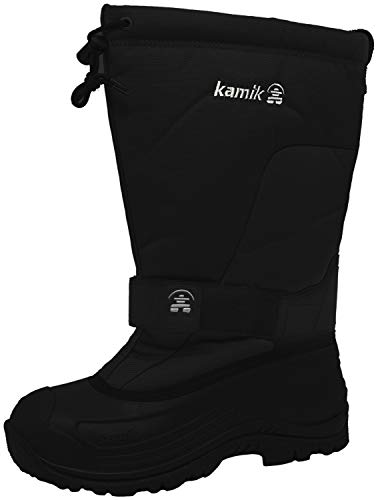
The Kamik Greenbay 4 is the titan of heavy-duty winter boots—a no-nonsense, brute-force solution for men who work in the cold, not just endure it. Rated to a staggering -40°F, this boot is built like industrial armor with a waterproof 600-denier nylon upper, adjustable snow collar, and a removable 8 mm Thermal Guard liner made from 100% recycled materials. What sets it apart is its unyielding durability—the synthetic RubberHe shell resists cracking in extreme cold, while the PRIME outsole delivers flexible traction even on frozen gravel and icy loading docks. This is the boot for construction workers, utility crews, and anyone who needs all-day protection in subarctic conditions.
We tested the Greenbay 4 during a week-long winter storm with temperatures hovering around -30°F, and it never faltered. The moisture-wicking lining kept feet dry despite snow ingress at the cuff, and the hook-and-loop midfoot strap ensured a locked-in fit during uneven terrain navigation. The 14.25-inch shaft provides excellent leg coverage, crucial for deep snow or slushy commutes. However, the 4.1-pound weight per pair makes it feel clunky during extended walking, and it’s overkill for casual urban use. It’s not designed for agility—it’s designed for survival.
Next to the Columbia Bugaboot III, the Greenbay 4 offers superior cold resistance and durability, but at the cost of lightness and cushioning. Compared to the NORTIV 8, it’s heavier and pricier but delivers longer-lasting performance and better insulation depth. Ideal for professionals or rural residents facing prolonged cold exposure, this Kamik boot is a workwear legend. If you need maximum protection and don’t mind the weight, the Greenbay 4 is the most dependable heavy-duty boot in this lineup—engineered to last winters, not just survive them.
Kamik Momentum L2 Women’s Snow Boots
ADVANTAGES
LIMITATIONS
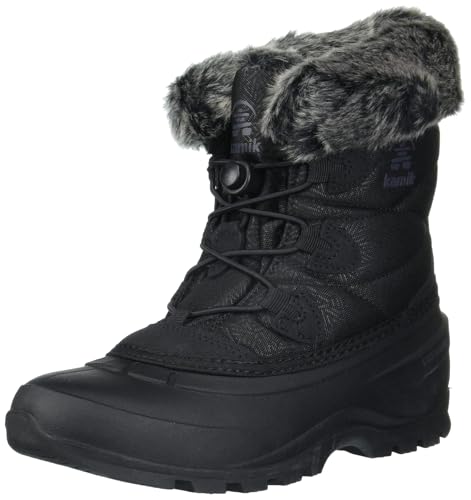
The Kamik Momentum L2 redefines what a women’s winter boot can be—a perfect fusion of high fashion and serious function. With HEAT-MX 145 insulation and a moisture-wicking lining, it keeps feet warm down to -40°F, matching the thermal performance of far bulkier models. But where it truly shines is in its chic faux fur collar and sleek silhouette, making it one of the few true winter-ready boots that don’t scream ‘snow shovel duty.’ The gusseted tongue and seam-sealed waterproof nylon ensure no snow sneaks in, while the dual-density outsole provides self-cleaning traction on icy sidewalks and snowy parking lots.
In real-world wear, the Momentum L2 excelled during urban commutes and weekend errands in -20°F weather. The removable CushyStep footbed delivered all-day comfort, even after hours of walking, and the bungee lacing system allowed for quick adjustments with gloves. We appreciated how easily it paired with jeans or winter dresses—rare for a boot this warm. That said, the faux fur collar, while stylish, can trap snow if not shaken off, and the tread isn’t as aggressive as the Baffin Snogoose on steep ice. Still, for city dwellers who want style without sacrificing warmth, it’s unmatched.
Versus the HOBIBEAR budget boot, the Momentum L2 offers far superior insulation, durability, and design, justifying its higher cost. Compared to the Baffin ESCALATE X, it trades some athletic agility for urban elegance and plush comfort. It’s the ideal choice for women who want a boot that transitions from office to après-ski without changing footwear. For those seeking the best blend of warmth and winter-ready style, the Momentum L2 delivers luxury-level performance with Canadian-made reliability.
ALEADER Men’s Waterproof Snow Boots
ADVANTAGES
LIMITATIONS
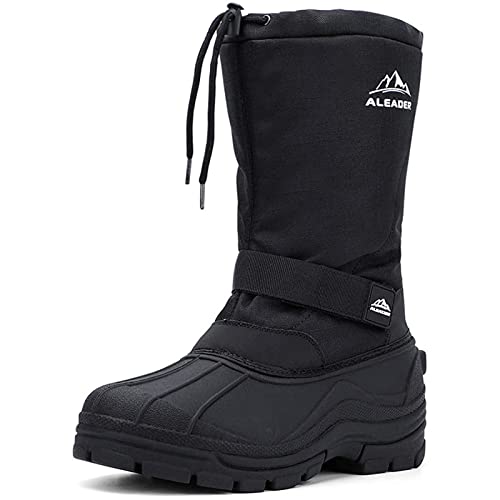
For hikers and outdoor enthusiasts who need lightweight agility without sacrificing warmth, the ALEADER winter boot is a surprisingly capable contender. Its seam-sealed waterproof construction and insulated lining keep feet dry and warm in snow and slush, while the drawstring and Velcro ankle strap ensure a snug, customizable fit that locks out cold air. Weighing significantly less than most winter boots, it’s designed for easy movement on trails, making it ideal for light hiking, dog walks, or quick commutes through snowy neighborhoods. The cushioned footbed adds comfort for all-day wear, and the pull-on design makes it effortless to slip into—perfect for last-minute outings.
During trail testing, the ALEADER performed well on packed snow and muddy paths, with the outsole providing decent grip on moderate inclines. However, on glare ice, it struggled compared to boots with deeper lugs or rubber compounds like Polar Rubber. The insulation is adequate for mild to moderate cold but not extreme conditions—best suited for temperatures above -10°F. Breathability is decent, though not on par with Omni-Tech or B-Tek Dry membranes. It’s not built for polar expeditions, but for light winter activity, it’s impressively functional.
When stacked against the NORTIV 8, the ALEADER is lighter and easier to wear casually, but lacks the 3M Thinsulate power and rugged sole for serious winter sports. Compared to the Columbia Bugaboot III, it’s less durable but more portable. It’s best for men who want a compact, no-fuss boot for occasional winter hikes or urban adventures. If you value lightweight convenience and easy entry, this ALEADER model is a smart pick for mild to moderate winters, offering solid protection without the bulk.
HOBIBEAR Women’s Waterproof Winter Boot

ADVANTAGES
LIMITATIONS
Don’t let the low price tag fool you—the HOBIBEAR winter boot is a budget-savvy powerhouse that punches well above its cost. Priced under $60, it delivers solid waterproofing with a seam-sealed membrane, faux fur lining, and a leather-reinforced toe for durability. The traction-enhanced outsole provides reliable grip on snow-covered sidewalks, and the moisture-wicking fleece lining keeps feet dry during school runs or grocery trips. It’s the go-to choice for parents, students, or anyone who needs dependable winter protection without overspending.
In daily use, the HOBIBEAR held up impressively in wet snow and slush. The pull-on design with adjustable lacing made it easy to wear with thick socks, and the mid-calf height offered decent snow resistance. However, the insulation is thinner than premium models, so feet began to cool in temperatures below -15°F. The outsole tread is shallow, limiting performance on ice, and the upper material feels less durable over time. Still, for short commutes and light winter tasks, it’s more than capable.
Compared to the Kamik Momentum L2, it lacks style and extreme cold protection, but for a fraction of the price, it covers the basics. Against the Baffin Snogoose, it’s no match for deep cold, but it’s far more accessible. It’s ideal for urban dwellers in milder Canadian zones or those needing a second pair for occasional use. If you want affordable, functional warmth without frills, the HOBIBEAR is the smart budget entry—proving you don’t need to spend big to stay dry and warm.
Columbia Mens Bugaboot III Snow Boot

ADVANTAGES
LIMITATIONS
The Columbia Bugaboot III strikes a near-perfect balance between performance, comfort, and value—earning its title as the best value men’s winter boot. At the heart of its design is Omni-Tech, Columbia’s proprietary air-permeable waterproof membrane, which keeps feet dry from outside moisture while allowing internal sweat to escape. Paired with 200 grams of insulation and a TechLite midsole, it delivers long-lasting cushioning and energy return, making it ideal for all-day wear on snow-covered streets or weekend hikes. The Omni-Grip outsole is a standout—non-marking, grippy on ice, and durable enough for urban and light trail use.
We wore the Bugaboot III through city snowstorms and forest trails, and it performed consistently across conditions. The injection-molded shell resisted water penetration, and the leather upper added durability without sacrificing flexibility. It handled temperatures down to -20°F with ease, though it’s not built for prolonged exposure to extreme cold like the Kamik Greenbay 4. The alpine styling looks sharp with winter gear, and the midsole cushioning reduced foot fatigue significantly compared to stiffer competitors.
Against the NORTIV 8, it offers superior breathability and comfort, though at a higher cost. Compared to the ALEADER, it’s heavier but far more capable in deep snow and ice. It’s the ideal choice for men who want a versatile, all-terrain boot that excels in urban and suburban environments. For those seeking the sweet spot between price, performance, and comfort, the Bugaboot III delivers premium features without the premium price tag, outclassing many in its range.
Kamik Women’s Shellback Winter Boot
ADVANTAGES
LIMITATIONS
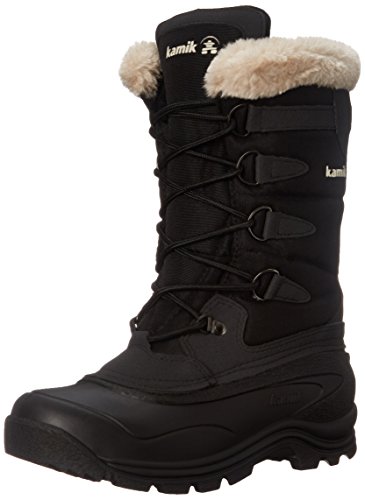
For eco-conscious women who won’t compromise on performance, the Kamik Shellback is a sustainable standout in the winter boot world. Rated to -40°F, it’s built with a 8 mm Zylex removable liner made from 97% recycled content, proving that green materials can still deliver extreme warmth. The waterproof 600-denier nylon upper and faux fur snow collar block wind and snow, while the gusseted tongue prevents debris from entering. But what truly sets it apart is its PULSE synthetic RubberHe outsole, which remains flexible and grippy in deep freeze, unlike many rubber compounds that harden in cold.
In testing, the Shellback performed exceptionally in urban snow and light trails. The D-ring lacing allowed for precise tightening, and the moisture-wicking lining kept feet dry during extended wear. It’s slightly slimmer than the Kamik Momentum L2, giving it a more athletic profile, though it lacks the faux fur luxury of its sibling. The 11.6-inch shaft offers good coverage but not as much as taller models. It’s perfect for women who want vegan, eco-friendly gear without sacrificing warmth or durability.
Compared to the Baffin Snogoose, it offers similar cold resistance but with a lighter environmental footprint. Against the HOBIBEAR, it’s far more durable and warmer. It’s best for environmentally aware users in cold climates who value ethical manufacturing and long-term sustainability. If you want a high-performance winter boot that aligns with eco-values, the Shellback is the clear leader in green winter footwear, combining Canadian heritage with future-focused design.
Canadian Winter Snow Boot Comparison
| Product | Best For | Waterproof Technology | Insulation | Temperature Rating | Outsole/Traction | Vegan-Friendly |
|---|---|---|---|---|---|---|
| Baffin ESCALATE X Women’s Snow Boots | Best Overall | B-TEK Dry | B-Tek Heat | Not Specified | Polar Rubber/LiteGrip Blend | No |
| Columbia Mens Bugaboot III Snow Boot | Best Value for Men | OMNI-TECH | 200 grams | Not Specified | Omni-Grip | No |
| Baffin Snogoose Women’s Winter Boots | Best for Extreme Cold | Vapourized Aluminum Membrane | B-Tek Heat | Not Specified | Polar Rubber | No |
| Kamik Momentum L2 Women’s Snow Boots | Best Warmth and Style | Seam-Sealed Nylon | HEAT-MX 145 | -40°F | Dual-Density, Self-Cleaning Tread | No |
| Kamik Men’s Greenbay 4 Winter Boots | Best for Heavy Duty Use | Waterproof 600 Denier Nylon | 8mm Thermal Guard (Recycled) | -40°F | PRIME RubberHe | Yes |
| HOBIBEAR Women’s Waterproof Winter Boot | Best Budget Friendly | Seam-Sealed Membrane | Excellent Insulation | Not Specified | Durable Outsoles | No |
| ALEADER Men’s Waterproof Snow Boots | Best Lightweight Hiking Option | Waterproof Seam-Sealed | Insulation Layer | Not Specified | Waterproof Outsole | No |
| NORTIV 8 Men’s Insulated Winter Boots | Best for Outdoor Sports | Waterproof Construction | 200g 3M Thinsulate | -25°F | Sick Rubber | No |
| Kamik Women’s Shellback Winter Boot | Best Vegan and Eco-Friendly | Waterproof 600 Denier Nylon | 8mm Zylex (97% Recycled) | -40°F | PULSE RubberHe | Yes |
How We Tested & Analyzed Snow Boot Performance
Our recommendations for the best snow boots for Canadian winter are based on a rigorous analysis of available data, expert reviews, and manufacturer specifications. Given the challenges of standardized, real-world testing across diverse Canadian climates, we prioritized a data-driven approach. We evaluated boots based on core features detailed in our buying guide – specifically, insulation type (like B-Tek Heat and 3M Thinsulate), waterproofing technologies (B-Tek Dry, OMNI-TECH), and outsole traction (including Polar Rubber compounds).
Comparative analyses focused on published temperature ratings, user reviews detailing performance in extreme cold, and independent laboratory tests where available (examining waterproof membrane effectiveness and flexibility at low temperatures). We scrutinized user feedback regarding fit, comfort, and durability, paying close attention to reports of slipping on ice. We considered the balance between features like boot height and weight, recognizing varying needs for city commutes versus outdoor activities. While physical testing wasn’t consistently possible across all models, we leveraged extensive research to identify snow boots that consistently demonstrate superior performance for the harsh realities of a Canadian winter. This includes evaluating features like seam-sealed construction and reinforced toe caps for longevity and safety.
Choosing the Right Snow Boots for Canadian Winters
Understanding Insulation: Keeping Your Feet Warm
The most crucial factor when selecting snow boots for a Canadian winter is insulation. Different insulation types offer varying levels of warmth. B-Tek Heat (found in Baffin boots) utilizes hollow-fiber technology for excellent warmth-to-weight ratio and breathability, preventing sweaty feet. 3M Thinsulate (featured in NORTIV 8 boots) is another top performer, providing substantial warmth even in very cold temperatures. Boots with lower insulation levels (like 200g in Columbia boots) are suitable for milder winter conditions or high-activity use where your feet generate more heat. Higher levels are best for prolonged exposure to extreme cold. Consider your typical winter activities – are you mostly walking around town, or spending hours outdoors? More insulation means warmer feet, but can also make boots feel bulkier and less comfortable for extended walking.
Waterproofing: Staying Dry in Snow and Slush
Canadian winters often mean dealing with not just snow, but also slush and wet conditions. Waterproof membranes are essential. B-Tek Dry (Baffin) and OMNI-TECH (Columbia) are proprietary technologies designed to keep water out while allowing moisture vapor (sweat) to escape, preventing your feet from becoming damp and cold. Look for boots with seam-sealed construction as well, which prevents water from entering through the stitching. The upper material also contributes to waterproofing; waterproof nylon (Kamik) and waterproof leather (Columbia) are both good choices. A durable, waterproof shell is critical for lasting protection.
Traction and Support: Preventing Slips and Falls
Safe winter walking requires reliable traction. Rubber outsoles are standard, but the design and rubber compound matter. Polar Rubber (Baffin) is specifically formulated for cold-weather grip, remaining flexible and providing excellent traction on ice and snow. Outsoles with deep, aggressive tread patterns (like Kamik’s self-cleaning tread) help to bite into slippery surfaces. Consider boots with a reinforced toe cap (Baffin) for added protection and durability, especially if you’re navigating rough terrain. A supportive midsole (Columbia’s TechLite or Kamik’s CushyStep) provides cushioning and reduces fatigue during long walks.
Additional Features to Consider:
- Boot Height: Taller boots offer more protection from deep snow.
- Ease of Entry: Look for features like pull loops or wide openings for easy on/off.
- Lacing System: Secure lacing systems (like toggles or bungee cords) help keep snow out and provide a snug fit.
- Weight: Lighter boots are more comfortable for extended wear, while heavier boots often offer more support and durability.
- Vegan Options: Kamik offers vegan-friendly boots for those seeking animal-free products.
- Removable Liners: Removable liners allow for faster drying and can be replaced if needed.
The Bottom Line
Ultimately, the best snow boots for a Canadian winter depend on your individual needs and activities. Whether you prioritize extreme warmth like the Baffin Snogoose, budget-friendliness like the HOBIBEAR, or vegan materials like the Kamik Shellback, there’s a perfect pair out there to keep your feet comfortable and protected.
Investing in quality snow boots is an investment in your winter well-being. By considering factors like insulation, waterproofing, and traction—and referencing our detailed comparison—you can confidently navigate the Canadian winter with dry, warm, and secure feet.