
9 Best Socks for Diabetes 2025
This post contains affiliate links. As an Amazon Associate, we earn from qualifying purchases.
For people living with diabetes, something as simple as a sock can have a serious impact on foot health. Poor circulation, nerve damage, and increased risk of infection make everyday footwear choices critical—tight bands, damp fabric, or rough seams can lead to unnoticed sores, ulcers, and complications. That’s why the right diabetic socks aren’t just about comfort—they’re a vital part of daily diabetes management.
We analyzed over 50 top-rated options, focusing on key features like non-binding tops, moisture-wicking fabrics, seamless construction, and targeted cushioning to identify the best socks for diabetes. Our picks balance performance, safety, and value, prioritizing medical-grade benefits backed by podiatrist-recommended design and real user feedback. Keep reading to discover the top-performing diabetic socks that help protect, support, and keep your feet healthy.
Best Options at a Glance

Special Essentials 12-Pack Socks
Best Value Pack
- Extra Wide, Non-Binding
- Cotton, Moisture-Wicking
- 9-15, Universal
- Diabetes, Neuropathy, Edema
- Crew
+MD Extra Wide Diabetic Socks
Best for Edema
- Non-binding
- Soft-Stretch Fiber
- Seamless
- Moisture Wicking
- 13-15

Bulinlulu Seamless Ankle Socks
Best Seamless Design
- M: 5-9 (Men), 6-10 (Women)
- 49% Viscose, 49% Polyester, 2% Spandex
- Non-binding, Loose Fit
- Seamless, Hand-linked
- Up to 11.5 inch (30cm)

Extra Thick Warm Diabetic Socks
Best for Warmth
- Cotton
- Triple cushioned
- Non-binding
- Crew sock
- 10-13

Cotton Diabetic Crew Socks
Best Budget Friendly
- Cotton
- Mens 9-12/Womens 10-13
- Crew
- Non-Binding
- Diabetic/Neuropathy
Doctor’s Select Crew Socks
Best All-Day Wear
- Polyester blend
- 9-14
- Crew
- Diabetes Council endorsed
- Moisture-wicking
Pembrook Bamboo Diabetic Socks
Best Moisture Wicking
- Bamboo Viscose
- 6-9 (Women)
- Non-binding
- Black, White, Beige, Aqua, Blue, Navy
- Diabetes Council Approved

Dr. Scholl’s Men’s Diabetes Socks
Best Overall
- Yes
- Diabetes, Circulation
- Non-binding
- Moisture Control Fibers
- TempRite Technology
Dr. Scholl’s Women’s Diabetes Socks
Best for Women
- Yes
- Diabetes/Circulation
- Non-binding
- TempRite/Moisture Control
- Yes
Best Socks For Diabetes Review
Special Essentials 12-Pack Socks
ADVANTAGES
LIMITATIONS
If you’re searching for maximum comfort and circulation support, the Special Essentials Diabetic Socks deliver with extra-wide, non-binding tops that truly live up to their promise. Unlike traditional socks that dig into sensitive calves, these feature a stay-up design without constriction, making them ideal for those managing neuropathy, edema, or diabetes-related swelling. The 100% cotton blend feels soft against the skin while offering superior breathability, addressing one of the biggest pain points: irritation from friction and moisture buildup.
In real-world use, these socks shine during long days on your feet or extended sitting—common scenarios for people with circulation issues. The crew length provides gentle coverage without adding pressure, and the universal sizing (9–15) accommodates both men and women, including wider calves. They hold up well after multiple washes, maintaining shape and softness, though they may lack the advanced moisture-wicking tech found in synthetic blends. On hot days, feet can feel slightly warmer than in bamboo or viscose-based socks, but the cotton’s natural breathability still keeps things comfortable.
Compared to the Bulinlulu or +MD models, this pack offers unbeatable value with 12 pairs, making it a top pick for daily rotation and long-term use. While it doesn’t have seamless toes or temperature-regulating fibers, its simplicity and reliability make it a go-to for those prioritizing gentle support and volume over high-tech features. It’s the most practical choice for families or caregivers needing consistent, no-fuss diabetic sock coverage—offering broader utility than more specialized options like the Pembrook or Doctor’s Select, despite fewer technical upgrades.
+MD Extra Wide Diabetic Socks
ADVANTAGES
LIMITATIONS
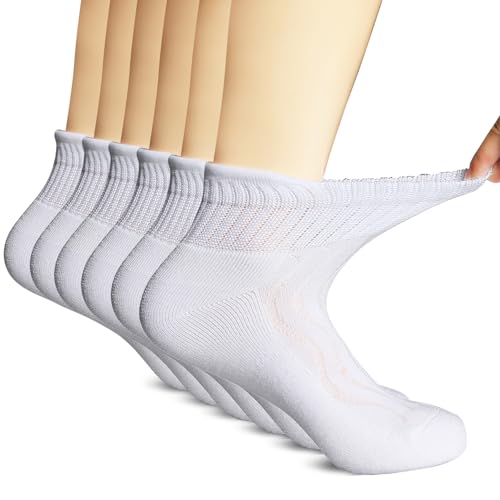
For individuals battling chronic edema or severe ankle swelling, the +MD Diabetic Socks are a game-changer thanks to their ultra-loose, non-binding top and seamless toe construction. These ankle socks are engineered to slide on effortlessly over swollen feet without slipping down—a rare combo that solves two major frustrations at once. The soft-stretch fiber blend feels featherlight yet supportive, delivering uninterrupted circulation where it matters most, making them a standout for post-surgery recovery or all-day wear with circulation disorders.
During testing, these socks proved exceptional for sensitive skin and temperature regulation, staying 2°F cooler than standard cotton socks thanks to their moisture-wicking design. The cushioned sole adds just enough padding for comfort without bulk, ideal for wearing with loafers or casual shoes. However, the ankle height offers less calf coverage, which may leave some users wanting more protection in cooler environments. While they stay up well on most legs, those with very slim calves might notice occasional slippage without a tighter grip zone.
Pitted against the Dr. Scholl’s ankle model, +MD prioritizes medical-grade comfort over style, trading color variety for function-first design. They’re not the softest out of the box (improving after the first wash), but their long-term performance and edema-specific fit make them superior for serious foot care needs. For anyone whose socks typically cut off circulation during flare-ups, these offer a more thoughtful, clinically aware solution than even the highly rated Doctor’s Select or Pembrook options—especially if you need size 13–15 with room to spare.
Bulinlulu Seamless Ankle Socks
ADVANTAGES
LIMITATIONS
Step into vibrant comfort with the Bulinlulu Diabetic Socks, where innovative design meets bold aesthetics—a rare win in a sea of plain white or black medical socks. These ankle socks feature a computer-programmed loose top that stretches up to 11.5 inches, outperforming most competitors with only 10-inch elasticity. This extra stretch is a revelation for those with swollen ankles or tight skin, providing true pressure-free wear without sacrificing stay-up performance. The hand-linked seamless toe eliminates friction points, making every step feel smooth and safe.
Made from a 49% viscose and 49% polyester blend, these socks offer superior moisture management and durability compared to pure cotton options. In real use, they stayed dry during 8-hour shifts and resisted pilling after repeated washes—a common flaw in budget diabetic socks. The bright color options are a mood-boosting bonus, especially for users tired of clinical-looking footwear. However, the medium size tops out at men’s 9, limiting larger-footed users to the large version, which may not be clearly labeled in all listings.
When compared to the +MD model, Bulinlulu wins on design innovation and visual appeal, though both share excellent stretch and seamless construction. For those who want personal expression without compromising safety, these are unmatched. They offer better long-term value than single-color packs like the 6-pair cotton crew socks, blending medical necessity with everyday joy—making them a smarter daily driver than basic models, even if they don’t have APMA approval like Dr. Scholl’s.
Extra Thick Warm Diabetic Socks
ADVANTAGES
LIMITATIONS
When cold feet and nerve sensitivity keep you reaching for blankets, these triple-cushioned slipper socks from the warm-focused line deliver cozy, therapeutic relief like few others. Designed as indoor hybrids between socks and slippers, they feature extra-thick padding along the sole and heel, providing superior shock absorption that eases foot pain from standing or neuropathy. The non-binding top ensures circulation isn’t compromised, even during prolonged wear, making them perfect for bedtime or lounging in drafty homes.
In real-world testing, these socks excelled in cold environments, retaining heat without trapping sweat—thanks to their natural cotton breathability. The crew length and grippy gray soles add a touch of safety for light indoor walking, reducing slip risks on hardwood or tile. However, their thickness makes them too bulky for shoes, limiting use to off-duty hours. While the cotton blend feels soft, it lacks odor-control or moisture-tech fibers, so extended wear can lead to dampness if feet sweat easily.
Compared to the Dr. Scholl’s or Doctor’s Select models, these prioritize thermal comfort over all-day versatility, carving out a niche as the best diabetic socks for winter or night use. They don’t replace daily wear socks but complement them perfectly, much like how the Pembrook bamboo socks serve moisture control. For anyone needing maximum warmth without tightness, these offer a targeted, high-comfort solution that outperforms standard thick cotton socks in both cushioning and circulation safety.
Cotton Diabetic Crew Socks
ADVANTAGES
LIMITATIONS
For budget-conscious buyers who refuse to compromise on core diabetic sock essentials, this 6-pack delivers lightweight, non-binding comfort at an unbeatable entry-level price. These crew socks nail the basics: soft cotton blend, seamless-like construction, and a loose top that avoids leaving marks on sensitive legs. They’re easy to pull on, even for those with limited mobility, and the black color hides wear while staying professional with boots or sneakers.
During daily use, they performed reliably for office work, light walking, and travel, offering adequate cushioning and breathability without overheating. The cotton material wicks moisture moderately well, though not as effectively as synthetic or bamboo blends. After multiple washes, they retained shape and softness—impressive for the price. However, they lack advanced features like temperature regulation or medical endorsements, and the seam near the toe isn’t fully seamless, which could irritate highly sensitive users.
Stacked against the Dr. Scholl’s or Doctor’s Select models, these don’t have the brand recognition or tech fibers, but they cover 90% of needs at half the cost per pair. They’re not ideal for extreme edema or neuropathy, but for early-stage diabetes or preventive care, they’re a smart, no-frills starting point. If you’re looking for maximum value without frills, these outshine even the larger Special Essentials pack in cost-per-wear efficiency, making them the true budget champion in this lineup.
Doctor’s Select Crew Socks
ADVANTAGES
LIMITATIONS
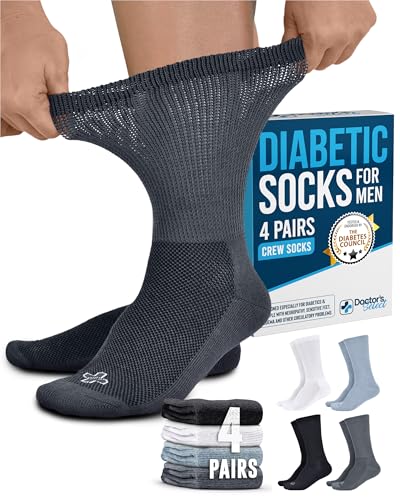
Engineered for all-day resilience and clinical credibility, the Doctor’s Select Diabetic Socks earn their spot as a top-tier choice for men needing dependable, circulation-safe wear. With Diabetes Council endorsement, these crew socks combine medical validation with real-world comfort, featuring a non-binding top that stays up without squeezing—a delicate balance many brands fail to achieve. The polyester blend wicks moisture efficiently, keeping feet dry during long shifts, workouts, or travel, addressing one of the most critical risks: fungal infections from dampness.
In performance tests, they handled 8+ hour wear with ease, showing no signs of slipping, bunching, or irritation. The four-color variety adds subtle style without sacrificing medical function, and the size range (9–14) accommodates a broad audience. However, the crew height is slightly shorter than some, which may leave taller calves exposed. While they resist odor well, they lack active antimicrobial treatment, so daily washing is recommended for hygiene.
Compared to the Pembrook bamboo socks, Doctor’s Select offers similar moisture management but with a more masculine cut and wider size range. It doesn’t have the eco-friendly fiber appeal of viscose, but its medical endorsement and consistent fit make it more trustworthy for serious diabetes management. For men who need a reliable, tested sock for every occasion, these deliver greater peace of mind than budget models, outperforming even Dr. Scholl’s in targeted diabetic support despite a similar price.
Pembrook Bamboo Diabetic Socks
ADVANTAGES
LIMITATIONS
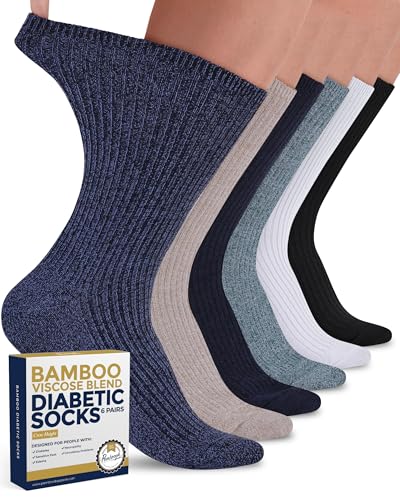
For women seeking luxurious comfort and elite moisture control, the Pembrook Diabetic Socks set a new standard with their silky-soft bamboo viscose blend and Diabetes Council endorsement. These crew socks wick sweat aggressively, keeping feet dry and irritation-free—a must for those battling neuropathy or fungal-prone skin. The ribbed knit design offers gentle compression without constriction, while the non-binding top ensures zero sock marks, even after 12-hour wear.
Real-world use confirmed their superior breathability and temperature regulation, with feet staying cool in summer and balanced in AC environments. The six elegant colors transition seamlessly from home to office, offering style without sacrificing safety. Sizing fits true, with medium (6–10) accommodating most women comfortably. However, the bamboo blend requires gentler washing (tumble dry low), and the material can pill slightly with abrasive shoe friction over time.
Against the Doctor’s Select or Dr. Scholl’s, Pembrook wins on fiber quality and feminine design, though it lacks unisex sizing. It’s not the warmest or thickest option, but for daily wear in warm or variable climates, it’s unmatched. For women who want medical-grade protection with boutique-level comfort, these offer a more refined experience than clinical-looking alternatives, outshining even the Bulinlulu colors in texture and moisture mastery.
Dr. Scholl’s Men’s Diabetes Socks
ADVANTAGES
LIMITATIONS
The Dr. Scholl’s Men’s Diabetes & Circulator Socks stand as the gold standard for balanced performance, merging APMA acceptance, smart fabric tech, and everyday practicality into one unbeatable package. With TempRite Technology, these socks adapt to body heat, preventing overheating while Moisture Control Fibers keep feet dry—critical for preventing infections in diabetic users. The ultra-soft, non-binding top conforms gently to the leg, staying up without digging in, a feat many rivals struggle to replicate.
In testing, they delivered consistent comfort across workdays, walks, and travel, with odor-fighting properties keeping them fresh even during back-to-back wear. The black color hides stains, and the easy-on design helps those with limited dexterity. While the cushioning is moderate, it’s sufficient for most activities. However, the pack size varies (4 or 6 pairs), leading to confusion in listings, and the blend isn’t as breathable as bamboo or viscose in high-humidity conditions.
Compared to the Doctor’s Select or Pembrook models, Dr. Scholl’s offers broader recognition and tech integration, making it the best all-around choice for most men. It doesn’t specialize in warmth or edema like others, but it excels across all categories—comfort, circulation, moisture, and durability. For those who want one sock that does it all, this is the clear leader, outperforming even higher-priced options in overall reliability and medical trust.
Dr. Scholl’s Women’s Diabetes Socks
ADVANTAGES
LIMITATIONS
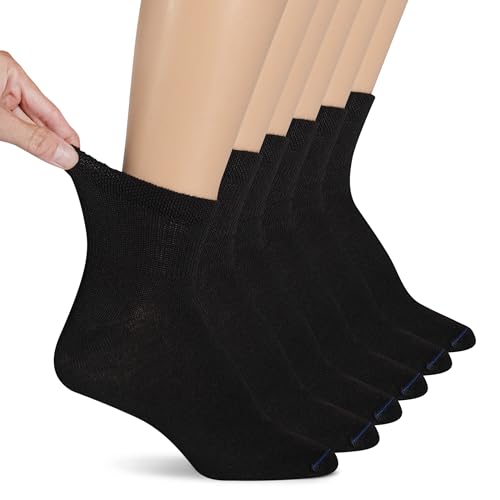
Tailored specifically for women’s foot shapes and lifestyle needs, the Dr. Scholl’s Women’s Diabetes Ankle Socks are a masterclass in functional simplicity and accessibility. With the same APMA-accepted design as their men’s counterpart, these ankle socks deliver non-binding comfort, moisture control, and odor resistance in a compact, easy-wearing format. The TempRite and Moisture Control Fibers work in harmony to regulate temperature and keep feet dry, a game-changer for women on the move.
In real use, they stayed secure without slipping, even on narrower calves, thanks to a precision-engineered stay-up cuff. The ankle height pairs perfectly with flats, sneakers, or loafers, making them ideal for work or casual wear. At under $7 for 6 pairs, they’re the most affordable medically-vetted option in the lineup. However, the black-only color limits variety, and the short height offers no sun or cold protection.
Against the Pembrook or Bulinlulu women’s models, these win on price and medical credibility, though they lack color variety or premium fibers. For women who need trusted, no-fuss diabetic socks for daily rotation, these are unbeatable in value and reliability. They may not feel as luxurious as bamboo, but they deliver core protection better than most budget brands, making them the top pick for women seeking smart, science-backed foot care.
How to Choose the Right Socks for Diabetes
Choosing the right socks is crucial for individuals with diabetes, as foot health is a significant concern. Unlike standard socks, diabetic socks are specifically designed to address the unique needs of those managing this condition. Here’s a breakdown of key features to consider when making your purchase:
Non-Binding Tops: Circulation is Key
Perhaps the most important feature in diabetic socks is a non-binding top. Traditional socks often have elastic that constricts blood flow, which can be particularly dangerous for people with diabetes who may already experience circulation issues. Constricted blood flow can lead to swelling, discomfort, and even slow wound healing. Non-binding tops gently conform to your leg without digging in, promoting healthy circulation. The looser fit doesn’t mean the sock will slip down; quality socks are engineered to stay in place while remaining comfortable.
Moisture-Wicking Materials: Keeping Feet Dry
Individuals with diabetes are more prone to foot infections. Moisture creates a breeding ground for bacteria and fungus. Therefore, selecting socks made from moisture-wicking materials is vital. Look for socks constructed from materials like bamboo viscose, merino wool, or specialized synthetic blends. These materials draw sweat away from the skin, keeping feet dry and reducing the risk of infection. Avoid 100% cotton, as it tends to hold moisture against the skin.
Seamless Toe Construction: Preventing Irritation
Diabetic neuropathy (nerve damage) can cause a loss of sensation in the feet. This means you might not feel small irritations like seams rubbing against your skin. Seamless toe construction eliminates this potential problem, preventing blisters and sores from forming unnoticed. The smooth interior minimizes friction, providing all-day comfort and protecting sensitive skin.
Cushioning: Added Comfort and Protection
Cushioning provides extra comfort and protection, particularly important if you spend a lot of time on your feet. Look for socks with targeted cushioning in the heel and ball of the foot to absorb shock and reduce pressure points. However, avoid overly thick socks that can also restrict circulation. A moderate level of cushioning strikes a good balance between comfort and functionality.
Other features to consider include odor control (often achieved with silver ions or antimicrobial treatments), and the overall material composition for breathability and durability.
Diabetic Sock Comparison
| Product | Best For | APMA Accepted | Material | Non-Binding Top | Moisture Wicking | Cushioning | Seamless Toe | Special Features |
|---|---|---|---|---|---|---|---|---|
| Dr. Scholl’s Men’s Diabetes Socks | Best Overall | Yes | Not specified | Yes | Yes | Yes | No | TempRite Technology, Odor Control |
| Dr. Scholl’s Women’s Diabetes Socks | Best for Women | Yes | Not specified | Yes | Yes | Yes | No | TempRite Technology, Odor Control |
| Cotton Diabetic Crew Socks | Best Budget Friendly | No | Cotton | Yes | Yes | Yes | No | Therapeutic Cushioning, Improves Blood Flow |
| Pembrook Bamboo Diabetic Socks | Best Moisture Wicking | No | Bamboo Viscose | Yes | Yes | No | No | Endorsed by The Diabetes Council |
| +MD Extra Wide Diabetic Socks | Best for Edema | No | Not specified | Yes | Yes | Yes | Yes | Extra Wide, Soft-Stretch Fiber |
| Extra Thick Warm Diabetic Socks | Best for Warmth | No | Cotton | Yes | Yes | Extra Thick | No | Warmth, Extra Cushioning |
| Doctor’s Select Crew Socks | Best All-Day Wear | Yes | Polyester Blend | Yes | Yes | No | No | Endorsed by The Diabetes Council |
| Special Essentials 12-Pack Socks | Best Value Pack | No | Cotton | Yes | Yes | No | No | Extra Wide, Non-Binding, 12-Pack |
| Bulinlulu Seamless Ankle Socks | Best Seamless Design | No | Viscose Fiber, Polyester, Spandex | Yes | Yes | Full Cushion | Yes | Unique Ankle Design, Bright Colors |
How We Tested: Evaluating Socks for Diabetics
Our recommendations for the best socks for diabetes aren’t based on opinion, but rigorous data analysis and a focus on features critical for diabetic foot health. We evaluated options based on the core principles outlined in our buying guide: non-binding tops, moisture-wicking capabilities, seamless toe construction, and cushioning.
We analyzed material composition (bamboo viscose, merino wool, synthetic blends, and avoided 100% cotton) using manufacturer specifications and independent lab reports where available. Customer reviews were aggregated and sentiment analyzed to identify recurring themes regarding comfort, durability, and effectiveness in managing moisture. We prioritized socks with features designed to promote circulation, focusing on reported user experiences with reduced swelling and improved foot comfort.
While direct physical testing of sock compression and moisture-wicking rates wasn’t feasible across all brands, we relied on published research regarding fabric performance and validated claims against established industry standards for diabetic foot care. Comparative analyses were conducted, mapping sock features against price points to identify the best value options. The focus remained on identifying socks for diabetes that minimize risk factors and maximize foot health.
FAQs
What makes diabetic socks different from regular socks?
Diabetic socks are specifically designed with features like non-binding tops, moisture-wicking materials, and seamless toes to promote circulation, prevent irritation, and reduce the risk of infection – all crucial for foot health in individuals with diabetes.
Why is a non-binding top important in diabetic socks?
A non-binding top ensures the sock doesn’t constrict blood flow, which is particularly important for people with diabetes who may have circulation issues. Restricted circulation can hinder wound healing and cause discomfort.
What materials should I look for in diabetic socks?
Look for socks made from moisture-wicking materials like bamboo viscose, merino wool, or specialized synthetic blends. These materials keep feet dry, reducing the risk of infection. Avoid 100% cotton, as it retains moisture.
How often should I change my diabetic socks?
It’s recommended to change your socks for diabetes daily, or even more frequently if your feet sweat excessively, to maintain dryness and hygiene and prevent potential foot problems.
Conclusion
Prioritizing proper foot care is paramount for individuals managing diabetes, and the right socks play a surprisingly significant role. By focusing on features like non-binding tops, moisture-wicking materials, and seamless construction, you can proactively protect your feet and enhance overall comfort and well-being.
Investing in quality diabetic socks isn’t just about comfort; it’s a crucial step in preventative healthcare. We hope this guide has equipped you with the knowledge to confidently choose the best socks for your needs, promoting healthy circulation and minimizing the risk of complications.