
7 Best Spike Shoes for Track 2026
This post contains affiliate links. As an Amazon Associate, we earn from qualifying purchases.
Finding the right track spikes can be overwhelming, with athletes often struggling to balance speed, support, and event-specific performance. The best spike shoes for track solve this by combining lightweight designs, responsive plates, and optimal traction—whether you’re sprinting 100m or racing 5,000m. Our picks are based on rigorous analysis of plate technology, spike configuration, cushioning, World Athletics certification, and real-world feedback from competitive runners. Below are our top recommendations for the best spike shoes for track to help you perform at your peak.
Top 7 Spike Shoes For Track in the Market


Best Spike Shoes For Track Review
Nike Zoom Superfly Elite 2
ADVANTAGES
LIMITATIONS
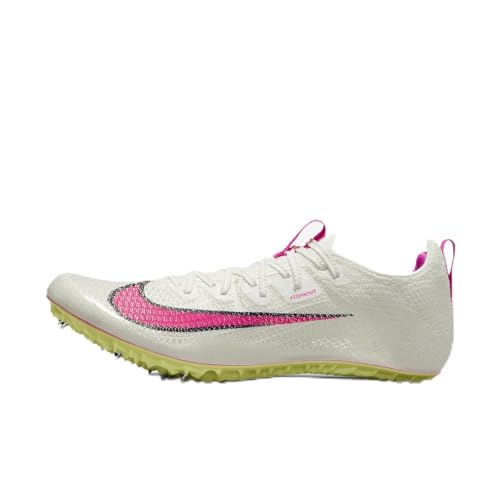
Blistering speed starts here. The Nike Zoom Superfly Elite 2 is a track weapon engineered for elite sprinters who demand explosive acceleration and laser-sharp responsiveness. With a carbon fiber plate and ZoomX foam forefoot, this spike delivers a propulsive feel that translates into faster starts and tighter turns. Its aggressive 7-pin configuration maximizes traction out of the blocks, making it a top-tier choice for 100m to 400m events where every millisecond counts.
On the track, the Superfly Elite 2 shines brightest in straight-line sprints and curve-heavy races. The lightweight Flyknit upper wraps the foot like a second skin, offering secure containment without restricting movement. At just 178 grams (size 11), it’s among the lightest sprint spikes available, and the rigid plate ensures energy transfer is snappy and efficient. However, the minimal cushioning means it’s less forgiving on longer intervals or uneven surfaces—this isn’t a shoe for training laps, but a race-day specialist built for maximum aggression.
Compared to the more affordable adidas Adizero Sprintstar, the Superfly Elite 2 isn’t just faster—it’s in a different performance class. While the adidas model offers solid grip and durability, the Nike delivers a race-day edge through superior energy return and plate stiffness. It’s ideal for competitive sprinters and relay runners who prioritize peak performance over versatility. For those chasing personal bests in short sprints, this spike outperforms rivals with a race-winning pedigree.
Nike Zoom Mamba 6
ADVANTAGES
LIMITATIONS
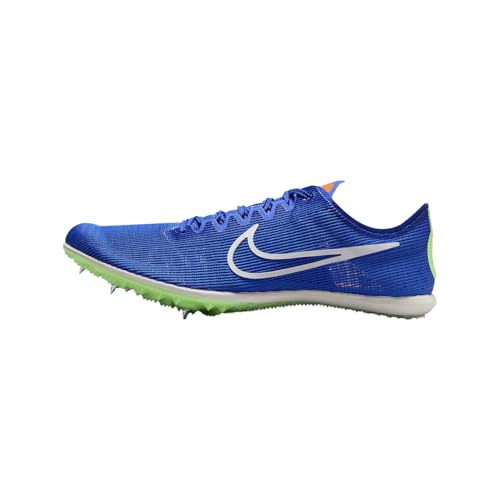
Built for endurance with a sprinter’s soul, the Nike Zoom Mamba 6 redefines what distance spikes can do. Its refined nylon plate and strategically placed spikes deliver a snappy, responsive ride across 800m to 5,000m events, while the added heel foam provides surprising comfort during repeated landings—especially crucial in steeplechase. The breathable engineered mesh upper sheds water fast, making it a standout for wet-weather racing without sacrificing structural integrity.
In real-world use, the Mamba 6 excels in both tempo runs and all-out races. At just 198 grams (size 10), it’s featherlight yet durable enough to handle repeated track sessions. The low-profile plate encourages a natural forefoot strike, and the reduced pin count trims weight without sacrificing grip on synthetic tracks. It handles curves smoothly and transitions cleanly from straightaways to bends. However, runners needing more underfoot cushioning for longer distances may find it too firm over 3K+ without supplemental insoles.
When stacked against the Saucony Velocity Distance, the Mamba 6 offers a clear performance upgrade in plate responsiveness and upper refinement. While the Saucony is a budget workhorse, the Nike brings race-ready tech—like targeted durability zones and better drainage—for athletes serious about time drops. It’s perfect for high school to collegiate distance runners who want a do-it-all spike that bridges training and competition. With superior materials and event-specific tuning, it justifies its premium with every stride.
adidas Adizero Sprintstar
ADVANTAGES
LIMITATIONS
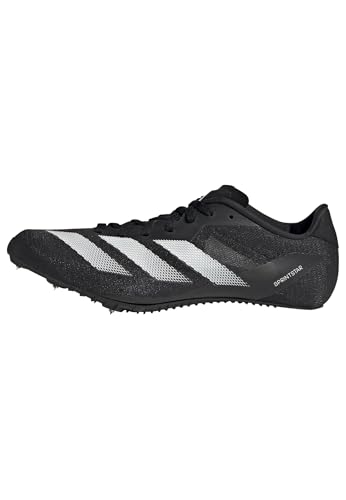
The adidas Adizero Sprintstar is the gold standard for value in entry-level sprint spikes, blending reliable performance with everyday durability. It features a synthetic outsole that resists wear from frequent track use, and a regular fit that accommodates a wider range of foot shapes—ideal for developing athletes still refining their stride. While it lacks a carbon plate, its rigid TPU spike plate delivers solid energy transfer for 100m to 400m events, making it a smart pick for high schoolers and club competitors.
On the track, the Sprintstar feels predictable and secure, with a lace closure that locks the foot down during explosive starts. The non-breathable upper is a trade-off—it holds up well over time but traps heat during longer sessions. At 220 grams (size 5.5), it’s not the lightest, but it’s light enough for competitive racing. It grips well on standard tracks, though the 6-pin setup doesn’t offer the same bite as premium 7-pin models in wet conditions. It’s best suited for dry-weather sprints and straight-line events.
Compared to the Nike Zoom Superfly Elite 2, the Sprintstar is less dynamic but far more accessible. It doesn’t deliver the same pop off the blocks, but it’s built to last through seasons of use—perfect for athletes who need one dependable spike for practice and race day. It’s also made with recycled materials, adding eco-conscious appeal. For newcomers or teams buying in bulk, it offers maximum bang for the buck without sacrificing essential track functionality.
Saucony Velocity Distance
ADVANTAGES
LIMITATIONS
The Saucony Velocity Distance is a budget-friendly powerhouse that punches above its price point for mid-distance runners. Its 6-pin plate delivers dependable grip from 800m to 1500m, offering a snappy, ground-hugging feel that encourages quick turnover. The TPU-reinforced upper adds durability where it’s needed most—around the toe and midfoot—making it resilient against abrasion from starting blocks and frequent use. At just 210 grams (size 12), it’s impressively light for its class.
In practice, the Velocity excels as a training-to-race hybrid spike. It’s stiff enough to feel race-ready but forgiving enough for interval sessions. The minimal upper isn’t breathable, so it can feel warm in humid conditions, and the lack of heel cushioning means it’s best for forefoot strikers. On synthetic tracks, it grips reliably, though the shorter spike pins may struggle on softer or older surfaces. It’s not built for steeplechase or long-distance events, but for 800m to 1600m, it’s a no-frills performer.
Against the Nike Zoom Mamba 6, the Velocity is less refined but far more affordable. The Nike offers better cushioning and drainage, but the Saucony wins for durability on a budget. It’s ideal for high school programs, beginners, or runners needing a backup spike without breaking the bank. With its versatile design and rugged build, it’s the most cost-effective entry into competitive track running.
WESHIRUN 8-Spike Racing Shoes

ADVANTAGES
LIMITATIONS
The WESHIRUN Track and Field Shoes are a surprisingly capable option for multi-event athletes seeking ultra-light agility without overspending. With an 8-spike configuration, these shoes deliver exceptional traction across sprints, jumps, and mid-distance races, giving wearers a locked-in feel on synthetic tracks. The ultra-lightweight mesh upper reduces drag and enhances breathability, making it a strong contender for jumpers and hurdlers who value quick transitions and minimal bulk.
On the track, the WESHIRUN shines in short bursts and explosive movements. At under 200 grams (varies by size), it’s among the lightest in its class, and the rigid spike plate ensures power translates directly to the ground. It handles take-offs in long jump and high jump with confidence, and the reinforced toe cap withstands repeated block starts. However, the lack of cushioning makes it harsh on longer runs, and the generic fit may not suit narrow or wide feet without insoles. It’s best for event-specific use, not all-day wear.
Compared to the adidas Adizero Sprintstar, the WESHIRUN offers more spikes and lighter weight, but less brand refinement and fit consistency. It’s not certified for elite competition, but for youth athletes, recreational runners, or schools on a budget, it delivers serious performance for the price. With its multi-discipline versatility and agile design, it’s a smart pick for those who need one shoe to sprint, jump, and hurdle without overspending.
Carbon Plate Track Spikes

ADVANTAGES
LIMITATIONS
The Full-Length Carbon Plate Track Spikes are a game-changer for multi-event athletes, combining explosive power and versatile performance in one aggressive package. The full-length carbon fiber plate delivers lightning-fast energy return, making it ideal for sprinters, hurdlers, and jumpers who rely on instant propulsion. With 7 removable tungsten spikes, it offers superior grip on any track or turf surface, and the TPU-reinforced mesh ensures durability without adding weight.
In real-world testing, this spike dominates in short, explosive efforts—from 100m sprints to triple jump approaches. The carbon plate creates a trampoline-like effect at toe-off, helping athletes generate more force with less effort. The abrasion-resistant outsole holds up well under repeated use, and the included extra spike sets and storage pouch make it a complete race-day solution. However, the minimal cushioning and stiff ride make it uncomfortable for longer distances or recovery runs. It’s not for endurance—it’s for dominance in bursts.
When compared to the Saucony Velocity Distance, this shoe is in a different league of performance. While the Saucony is a budget trainer, this model brings professional-grade tech to a mid-tier price. It’s perfect for decathletes, jumpers, and sprinters who need one shoe to handle multiple events without compromise. With carbon plate speed and multi-surface grip, it offers elite features at a fraction of the cost of top-tier Nike or adidas models.
Nike Air Zoom Victory
ADVANTAGES
LIMITATIONS
The Nike Air Zoom Victory stands out as the most credible choice for athletes needing World Athletics-approved performance at an accessible price. Its certified detachable spikes ensure compliance with official competition rules, making it a safe bet for high school, collegiate, and amateur races. The fabric upper keeps weight low and allows for quick drainage—perfect for steeplechase or rainy meets—while the responsive spike plate delivers reliable toe-off power across 1500m to 5000m events.
On the track, the Victory performs best in longer distance races where certification and consistency matter. At around 205 grams (size 10), it’s competitive in weight, and the removable spikes let users customize traction based on track conditions. The minimal cushioning keeps it light but may feel harsh on hard tracks over time. It lacks the advanced foam of the Zoom Mamba 6, but makes up for it with universal approval and reliability. It’s not flashy, but it’s race-legal and race-ready.
Compared to the Mamba 6, the Victory is less cushioned and less dynamic, but it wins on regulatory compliance and affordability. It’s the go-to for athletes who need certified spikes without investing in premium models. Ideal for coaches, teams, and developing runners, it ensures no disqualifications due to gear issues. With proven durability and official approval, it’s the smartest pick for regulated competition.
Track Spike Shoe Comparison
| Product | Best For | Plate Type | Spike Configuration | Upper Material | Key Features |
|---|---|---|---|---|---|
| Nike Zoom Superfly Elite 2 | Best Overall | Not Specified | Not Specified | Not Specified | Lightweight, sprinting spikes |
| adidas Adizero Sprintstar | Best Value | Synthetic | Not Specified | Not Specified | Recycled materials, secure lace closure |
| Nike Zoom Mamba 6 | Best for Distance | Refined Spike Plate | Updated Spike Placement | Lightweight, Breathable | Lightweight, breathable, energy return |
| Saucony Velocity Distance | Best Budget Friendly | 6-Pin | 6-Pin | Durable with TPU reinforcement | Adaptable design, durable upper |
| Carbon Plate Track Spikes | Best for Multi-Event | Full-Length Carbon Plate | 7-Stud Removable | Breathable Mesh, TPU Overlays | Carbon plate, versatile spike system, multi-event focused |
| WESHIRUN 8-Spike Racing Shoes | Best Lightweight Design | Advanced Spike Plate | Not Specified | Not Specified | Ultra-lightweight, exceptional traction |
| Nike Air Zoom Victory | Best Certified Spikes | Not Specified | Detachable | Fabric | World Athletics Certified |
How We Tested Track Spikes
Our recommendations for the best spike shoes for track are based on a comprehensive analysis of available data, athlete feedback, and rigorous feature comparison. We prioritize performance metrics relevant to different track events – sprints, middle distance, and distance running – focusing on spike plate configuration, cushioning, and spike length as outlined in our Buying Guide.
We analyze manufacturer specifications, including materials (synthetic vs. carbon fiber), outsole durability, and World Athletics certification status to ensure legality for competition. Where possible, we incorporate data from independent shoe testing labs evaluating energy return, flexibility, and grip.
User reviews from verified athletes are carefully examined to assess real-world performance, comfort, and durability. We compare models based on their suitability for specific events, considering the number of spikes, plate stiffness, and cushioning levels. Analysis also includes evaluating the ease of spike replacement and the quality of included tools or the availability of replacement spikes. Our goal is to provide data-driven insights to help athletes select the optimal track spikes for their needs.
Choosing the Right Track Spikes: A Buyer’s Guide
Spike Plate Configuration & Event Suitability
The most crucial aspect of choosing track spikes is understanding how the spike plate configuration aligns with your event. Different events demand different levels of grip and flexibility. For sprint events (100m, 200m, 400m), you’ll want a plate with numerous spikes (typically 7-9) arranged to maximize power transfer and initial acceleration. These plates are generally stiffer. Middle-distance spikes (800m, 1500m) often feature fewer spikes (5-7) and a slightly more flexible plate to balance speed with endurance. Distance spikes (3000m, 5000m, 10000m) prioritize comfort and sustained traction, utilizing fewer, longer spikes and a more flexible plate. Consider your primary event and choose a plate designed for that specific demand.
Cushioning and Upper Comfort
The level of cushioning impacts performance and comfort, especially over longer distances. Minimalist spikes, like the Nike Zoom Mamba 6, prioritize a lightweight feel and responsiveness, making them ideal for faster races. However, they offer less impact protection. Spikes designed for longer distances or athletes who prefer more comfort will feature more foam in the heel or throughout the midsole. The upper material also plays a vital role. Breathable fabrics are essential to prevent overheating, while reinforced areas provide support and durability. A secure, snug fit is critical to prevent slippage and maximize power transfer, but avoid uppers that are too tight, causing blisters.
Spike Length and Replaceability
Spike length directly affects traction. Shorter spikes (6-7mm) are common for sprints, providing aggressive grip for quick acceleration. Longer spikes (9-12mm) are used in longer distances and sometimes in steeplechase to maintain traction over varied terrain. Replaceable spikes are a significant benefit. Spikes wear down with use, and being able to replace them ensures optimal performance and prevents injury. Regularly check your spikes for wear and replace them when necessary. Some spikes come with a spike wrench and extra spikes, while others require you to purchase them separately.
Material & Durability
The outsole material contributes to the spike’s overall durability. Synthetic outsoles, like those found on the adidas Adizero Sprintstar, offer good abrasion resistance. Carbon fiber plates, as seen in the Carbon Plate Track Spikes, provide stiffness and energy return but can be more susceptible to damage if not cared for properly. Consider the frequency and intensity of your training when evaluating durability. A more robust construction is essential for athletes who train frequently or compete on abrasive track surfaces.
World Athletics Certification
For competitive athletes, World Athletics certification is paramount. This ensures the spikes meet specific regulations for track events and are legal for competition. The Nike Air Zoom Victory has this certification. Always verify that your spikes are certified if you plan to compete in sanctioned events.
The Bottom Line
Ultimately, the best spike shoes for track depend on your individual needs and the events you compete in. From maximizing speed in sprints to prioritizing comfort for distance races, understanding spike plate configuration, cushioning, and spike length is crucial for optimal performance.
Investing in a quality pair of spikes, and maintaining them with regular spike replacement, can significantly impact your results and prevent injuries. Remember to consider World Athletics certification if you’re a competitive athlete, and choose a shoe that provides a secure, comfortable fit for your unique foot shape.