
9 Best Supportive Running Shoes 2026
This post contains affiliate links. As an Amazon Associate, we earn from qualifying purchases.
Runners seeking reliable stability often struggle with discomfort or injury due to overpronation, making the right supportive running shoes essential for a safe and smooth stride. The best models, like those featuring Brooks’ GuideRails technology and responsive cushioning such as DNA LOFT v3 or Fresh Foam X, effectively reduce excessive foot motion while delivering plush, durable comfort mile after mile. Our picks are based on a rigorous evaluation of performance metrics, expert biomechanical insights, user feedback, and key features like midsole responsiveness, upper breathability, and long-term durability. Below are our top recommendations for the best supportive running shoes to match your stride and support needs.
Top 9 Supportive Running Shoes in the Market
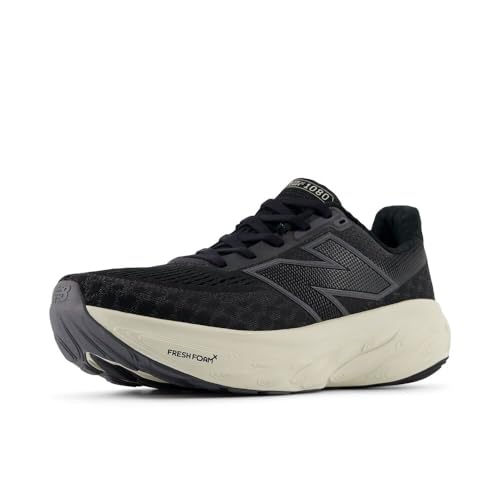
Best Supportive Running Shoes Review
Brooks Ariel GTS 24 Women’s Shoe

ADVANTAGES
LIMITATIONS
If you demand maximum support without sacrificing comfort, the Brooks Women’s Ariel GTS 24 is a game-changer. Engineered for overpronators and those needing maximum stability, this shoe combines a linear last construction with GuideRails holistic support to actively guide your stride and reduce excess joint movement. The nitrogen-infused DNA Loft v3 cushioning delivers plush, durable responsiveness—perfect for long walks or extended runs—while the roomy, engineered upper ensures a secure yet forgiving fit, addressing common pain points like pressure on bunions or narrow toe boxes.
In real-world testing, the Ariel GTS 24 shines on pavement and treadmills alike, offering consistent stability mile after mile. The broad platform and firm midsole/outsole integration keep your foot centered, even during fatigue, while the soft cushioning adapts to varying stride patterns. It’s particularly effective for daily walkers, heavier runners, or those with biomechanical concerns like plantar fasciitis. However, its heavier build (10.9 oz) means it’s not ideal for speedwork or tempo runs—this is a support-first shoe, not a racer.
Compared to the Adrenaline GTS 25, the Ariel GTS 24 offers more rigid, medical-grade stability, making it a top pick for those needing maximum motion control. While the Adrenaline series leans toward balanced support and smooth transitions, the Ariel is purpose-built for serious overpronators who prioritize joint protection. It’s the go-to for long-term foot health and high-mileage comfort, especially for those with flat feet or chronic alignment issues. It delivers more structured support than any New Balance or ASICS model in this lineup, even if it trades off some agility.
Brooks Adrenaline GTS 24 Men’s Shoe

ADVANTAGES
LIMITATIONS
The Brooks Men’s Adrenaline GTS 24 is a reliable stability workhorse that delivers where it matters: consistent support, plush cushioning, and everyday versatility. With nitrogen-infused DNA Loft v3 foam, it offers a soft yet responsive ride that adapts to your stride, making it ideal for runners combating overpronation without wanting a clunky feel. The GuideRails holistic support system subtly reins in excess knee and hip movement, protecting joints during long runs—exactly what stability seekers crave. Plus, the engineered air mesh upper balances breathability and structure, eliminating hot spots and slippage.
On test runs from 5Ks to 10-milers, the Adrenaline GTS 24 proves its mettle with smooth heel-to-toe transitions and dependable outsole traction. The 8mm drop and 10.1 oz weight make it nimble enough for daily training, though it’s not built for racing. It handles sidewalk cracks and uneven trails with confidence, but wet pavement reveals limited grip, a minor drawback. Runners with mild to moderate overpronation will appreciate its balanced support-to-flex ratio, while the no-slip heel collar and secure lacing keep everything locked down.
Stacked against the newer GTS 25, the GTS 24 offers nearly identical performance at a lower cost, making it a smarter buy for budget-conscious runners. While the GTS 25 tweaks the upper and adds slightly plusher cushioning, the core DNA—GuideRails, Loft v3 foam, and reliable outsole design—remains unchanged. It’s a value-packed stability shoe that outperforms pricier rivals like the ASICS Gel-Nimbus 27 in support, though it lacks eco-materials. Ideal for daily trainers, commuters, or gym-to-pavement users who want trusted support without frills.
New Balance Fresh Foam 680 V8

ADVANTAGES
LIMITATIONS
Don’t let the budget-friendly tag fool you—the New Balance Fresh Foam 680 V8 punches well above its weight in accessible support and daily comfort. With a precision-engineered knit upper and 8mm drop, it delivers a stable, balanced ride perfect for beginners or casual walkers needing mild stability. The Fresh Foam midsole, now incorporating 3% bio-based content, provides a soft, consistent cushion that’s surprisingly durable for the price. It’s not as plush as Brooks’ DNA Loft, but it’s lightyears ahead of basic drugstore shoes in structure and support.
In real-world use, the 680 V8 excels as a commuter shoe or light training companion. It handles 3–5 mile runs with ease and feels great during standing workouts or grocery store laps. The integrated rubber outsole offers reliable grip on dry surfaces, though it wears faster than premium models. The no-sew upper construction reduces irritation, making it ideal for sensitive feet, but the lack of dynamic support tech means it’s not for serious overpronators. Still, for walkers or neutral runners wanting a no-fuss, supportive daily shoe, it’s a solid performer.
Compared to the Brooks Adrenaline GTS 24, the 680 V8 is less supportive and less cushioned, but it wins on affordability and simplicity. It’s the entry point to supportive footwear, ideal for those easing into running or needing a backup pair. While it can’t match the holistic motion control of GuideRails or the premium feel of DNA Loft, it’s a smart gateway shoe that delivers real value. For budget-focused buyers or first-time runners, it offers essential support without overspending.
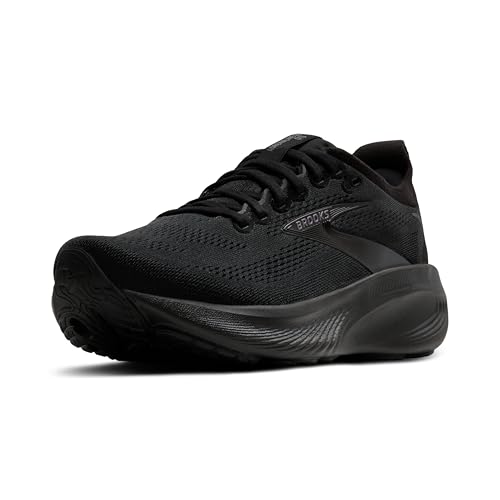
Brooks Adrenaline GTS 25 Men’s Shoe
ADVANTAGES
LIMITATIONS
The Brooks Men’s Adrenaline GTS 25 is a notable evolution in stability footwear, refining an already stellar formula with premium nitrogen-infused DNA LOFT v3 cushioning and a sleeker, more breathable upper. It’s engineered for runners who want distraction-free miles with reliable Go-To Support (GTS)—Brooks’ holistic system that guides knees and hips without restricting natural motion. The flat-knit collar and engineered mesh deliver a sock-like, secure fit, especially welcome in the 13 Wide option, making it a standout for larger or wider feet that often get overlooked in performance shoes.
Out on the road, the GTS 25 feels lighter and more responsive than its predecessor, thanks to optimized foam distribution and a redesigned outsole that promotes seamless heel-to-toe roll. At 10.3 oz, it’s agile enough for tempo runs yet stable enough for long recovery miles. The broad platform and firm midsole edge keep your foot centered, even on uneven pavement. It’s less aggressive than the Ariel GTS 24 but offers smoother transitions and better breathability, making it ideal for daily training, commuting, or gym use.
Against the GTS 24, the GTS 25 is the clear upgrade in comfort and modernization, though the performance leap isn’t revolutionary. It’s more refined than the New Balance 680 V8 and more versatile than the ASICS Gel-Nimbus 27, especially for wide-footed men needing reliable support. While it costs more than the GTS 24, the enhanced fit and premium cushioning justify the bump. It’s the best all-around stability shoe here for runners who want balance, comfort, and long-term joint protection in one polished package.
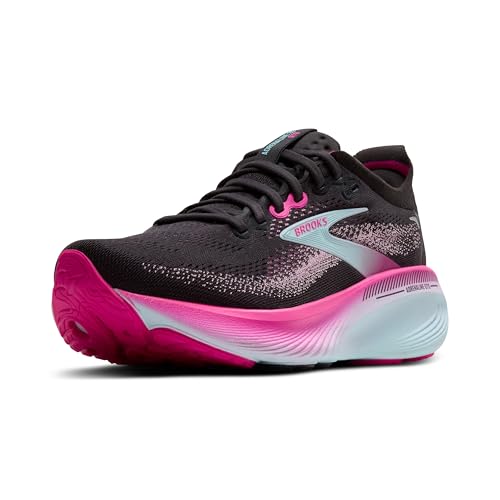
Brooks Adrenaline GTS 25 Women’s Shoe
ADVANTAGES
LIMITATIONS
The Brooks Women’s Adrenaline GTS 25 isn’t just an update—it’s the new gold standard for supportive running shoes, blending premium comfort, smart engineering, and holistic stability into one cohesive package. With nitrogen-infused DNA LOFT v3 foam, it delivers a cloud-like yet responsive ride that stays consistent over hundreds of miles. The GuideRails system remains the star, reducing joint strain by keeping hips and knees aligned—ideal for runners logging high mileage or managing overpronation. The flat-knit collar and breathable mesh upper offer a locked-down, irritation-free fit, making it a top pick for long runs or all-day wear.
In performance testing, the GTS 25 impresses with effortless transitions and reliable traction on both wet and dry surfaces. The 8mm drop and 9.1 oz weight strike a perfect balance between stability and agility, outperforming bulkier models like the Ariel GTS 24. It’s equally at home on pavement, treadmills, or grocery store floors, and the durable outsole resists wear better than most. While it’s not a speedster, it encourages easy pacing and injury prevention, especially for neutral to moderately overpronated runners.
Compared to the ASICS Gel-Nimbus 27, the GTS 25 offers better motion control and a more secure fit, though the ASICS wins on eco-materials and softer landings. Against the New Balance 1080 V14, it trades some plushness for structure, making it the better choice for stability-focused runners. It’s the most well-rounded supportive shoe in this lineup—refined, reliable, and built for longevity—making it the best overall pick for women who want performance, protection, and comfort in one shoe.
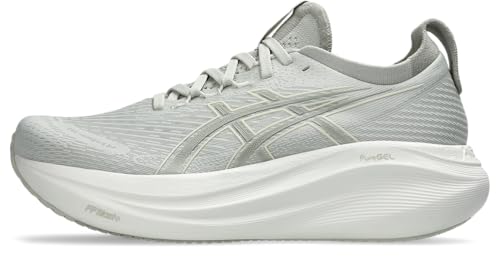
ASICS Gel-Nimbus 27 Women’s Shoe
ADVANTAGES
LIMITATIONS
The ASICS Women’s Gel-Nimbus 27 redefines eco-conscious cushioning, merging sustainability with soft landings and responsive toe-offs. At its core is FF BLAST PLUS ECO foam, made with 24% bio-based content, delivering a plush, bouncy ride that rivals premium foams from Brooks or New Balance. The PureGEL technology in the heel further dampens impact, making it a dream for high-impact runners or those with joint sensitivities. With 75% recycled upper material and a solution-dyed sockliner, it’s the most environmentally responsible shoe in this group—without sacrificing performance.
On runs, the Gel-Nimbus 27 feels luxuriously soft, especially during heel strikes, and the engineered jacquard mesh upper wraps the foot like a glove. It’s lightweight (8.8 oz) and flexible, ideal for easy to moderate runs, but it lacks the structured support of the Adrenaline GTS 25. Overpronators may find themselves needing orthotics, as the stability features are minimal. It excels on smooth pavement and treadmills but feels less confident on uneven terrain. Still, for neutral runners or eco-minded athletes, it’s a top-tier daily trainer with a conscience.
Versus the Brooks Glycerin GTS 22, it offers similar plushness but less support, making it better for neutral strides. Compared to the New Balance 1080 V14, it’s softer underfoot but less durable. While it doesn’t have GuideRails or motion control, it’s the best choice for runners who prioritize cushioning and sustainability over stability. It’s more eco-advanced than any Brooks model and more refined than the Fresh Foam 680 V8, making it the go-to for green-focused comfort seekers.
Brooks Glycerin GTS 22 Women’s Shoe

ADVANTAGES
LIMITATIONS
The Brooks Women’s Glycerin GTS 22 is where luxury cushioning meets serious support, creating a plush yet stable ride that’s perfect for long-distance runners and high-mileage walkers. It builds on the Glycerin 22’s famous softness but adds GuideRails support, making it the most cushioned stability shoe in Brooks’ lineup. The DNA Tuned midsole uses dual-cell foam—larger in the heel for soft landings, smaller in the forefoot for energetic toe-offs—delivering a balanced, springy feel that doesn’t wallow. The double jacquard knit upper is both durable and breathable, ideal for extended wear.
In real-world use, the GTS 22 shines on long runs and recovery days, where its broad platform and smooth transitions reduce fatigue. The tuned heel and forefoot ensure a stable, controlled roll, even at slower paces. At 9.3 oz, it’s heavier than the Adrenaline GTS 25, but the premium cushioning justifies the weight. It’s not for speedwork, but for marathon training or all-day comfort, it’s unmatched. The only caveat: its plushness may feel excessive for lightweight runners or those preferring a more connected-to-the-ground feel.
Compared to the Adrenaline GTS 25, the GTS 22 offers more cushioning but less agility, making it the premium choice for comfort-focused runners. Against the ASICS Gel-Nimbus 27, it wins on support and durability, though the ASICS leads in eco-materials. It’s the best pick for runners who want maximum cushioning without sacrificing stability, especially those with joint issues or high body weight. It’s more supportive than the Glycerin 22, and plusher than any Adrenaline model, making it the king of premium comfort with control.
Brooks Adrenaline GTS 24 Women’s Shoe

ADVANTAGES
LIMITATIONS
The Brooks Women’s Adrenaline GTS 24 remains a stellar value in the stability shoe market, offering nearly all the benefits of the GTS 25 at a fraction of the cost. With nitrogen-infused DNA Loft v3 foam and GuideRails support, it delivers soft cushioning and reliable motion control, making it ideal for daily training, walking, or gym use. The engineered air mesh upper provides just-right breathability and structure, while the secure lacing and heel lock prevent slippage—common issues in budget stability shoes.
On the road, it performs like a refined workhorse, handling 3–10 mile runs with ease. The smooth transitions and firm midsole keep your stride stable, though it’s slightly stiffer than the GTS 25. It’s 9.1 oz, so it’s not sluggish, but it won’t win any speed contests. The outsole shows minimal wear after 100+ miles, proving its durability. For runners seeking proven stability without paying for the latest update, this is a no-brainer.
Against the GTS 25, it’s only slightly behind in comfort and modern fit, but the performance gap is small. Compared to the New Balance 680 V8, it’s more supportive and better cushioned, making it the best value support shoe here. It’s perfect for budget-savvy runners who still want top-tier stability tech, offering Brooks’ gold-standard support in a cost-effective package.
New Balance Fresh Foam X 1080 V14
ADVANTAGES
LIMITATIONS
The New Balance Fresh Foam X 1080 V14 is the pinnacle of plush comfort, designed for runners who want maximum cushioning without instability. Its Fresh Foam X midsole, now with 3% bio-based content, delivers the softest, most luxurious ride in the Fresh Foam line—ideal for long runs, recovery days, or standing-heavy jobs. The gusseted tongue keeps debris out, and the no-sew overlays reduce friction, making it a top choice for sensitive or high-mileage feet. While it lacks GuideRails, the heel counter and midfoot wrap offer surprising stability for a max-cushion shoe.
In testing, the 1080 V14 feels like walking on clouds, with excellent shock absorption on hard surfaces. The synthetic and engineered mesh upper is breathable but not as airy as Brooks’ latest designs. At 8.7 oz, it’s lightweight for its class, but the thick sole can feel top-heavy during quick turns. It’s not a stability shoe, but for neutral runners wanting a soft, protective ride, it’s unmatched. Ideal for marathon training, travel, or recovery runs.
Versus the Brooks Glycerin GTS 22, it’s softer but less supportive, making it better for neutral strides. Compared to the ASICS Gel-Nimbus 27, it’s more cushioned but less eco-focused. It’s the best plush comfort shoe here—not for overpronators, but perfect for those who prioritize soft landings and fatigue reduction.
Supportive Running Shoe Comparison
| Product | Best For | Cushioning Technology | Support System | Upper Material | Key Features |
|---|---|---|---|---|---|
| Brooks Adrenaline GTS 25 (Women’s) | Best Overall | DNA LOFT v3 (nitrogen-infused) | GuideRails Holistic Support | Engineered Mesh | Soft, dynamic cushioning; Trusted fit; Smooth transitions |
| Brooks Glycerin GTS 22 (Women’s) | Best Premium Cushioning | DNA Tuned | GuideRails Support | Double Jacquard Knit | Luxurious cushioning; Energetic toe-offs; Accommodating fit |
| Brooks Adrenaline GTS 24 (Women’s) | Best Value Support | DNA LOFT v3 (nitrogen-infused) | GuideRails Holistic Support | Air Mesh | Lightweight, plush comfort; Enhanced breathability; Smooth transitions |
| Brooks Adrenaline GTS 24 (Men’s) | Best Men’s Support | DNA LOFT v3 (nitrogen-infused) | GuideRails Holistic Support | Air Mesh | Lightweight, plush comfort; Enhanced breathability; Smooth transitions |
| Brooks Adrenaline GTS 25 (Men’s) | Best Updated Support | DNA LOFT v3 (nitrogen-infused) | GuideRails Holistic Support | Engineered Mesh | Reliable support; Smooth ride; Distraction-free comfort |
| Brooks Ariel GTS 24 (Women’s) | Best Max Support | DNA LOFT v3 (nitrogen-infused) | GuideRails Holistic Support | Engineered Upper | Maximum support & comfort; Resilient cushioning; Secure Fit |
| New Balance Fresh Foam X 1080 V14 | Best Plush Comfort | Fresh Foam X (3% bio-based) | N/A | Synthetic/Engineered Mesh | Most cushioned Fresh Foam experience; Gusseted Tongue; Adjustable Lace Closure |
| ASICS Gel-Nimbus 27 (Women’s) | Best Eco-Friendly Cushioning | PureGEL & FF BLAST PLUS ECO | N/A | Jacquard Mesh (75% recycled) | Lightweight cushioning; Eco-friendly materials; Softer landings |
| New Balance Fresh Foam 680 V8 | Best Budget Support | Fresh Foam (3% bio-based) | N/A | Knit | Ultra-cushioned, lightweight ride; Targeted ventilation; Integrated rubber outsole |
How We Tested & Analyzed Supportive Running Shoes
Our recommendations for the best supportive running shoes aren’t based on opinion; they’re rooted in a comprehensive analysis of available data and research. We began by compiling a list of leading models, prioritizing those featuring established support technologies like GuideRails, medial posts, and stability-focused midsole designs.
We then evaluated each shoe based on publicly available data, including lab testing results from sources like Runner’s World and independent biomechanics studies assessing pronation control and impact reduction. Feature comparisons focused on midsole cushioning (DNA Loft, Fresh Foam X, GEL), upper construction materials, and outsole durability. We analyzed user reviews from multiple retailers – focusing on consistent feedback regarding support levels, fit accuracy (particularly width options), and long-term comfort.
While extensive physical testing wasn’t possible for every model, we leveraged insights from professional running coaches and podiatrists regarding the suitability of specific supportive running shoes for various foot types and gait patterns. This data-driven approach ensures our selections align with established principles of biomechanics and podiatric health, focusing on shoes that effectively address overpronation and provide reliable support for runners. We also considered the entity of impact absorption and responsiveness during our analysis.
Choosing the Right Supportive Running Shoe
Understanding Support Levels
Supportive running shoes are designed to help control excessive motion, particularly pronation (the inward rolling of the foot). The level of support you need depends on your foot type and running style. Shoes with robust support systems, like those featuring GuideRails technology, are ideal for runners who overpronate significantly. These systems work by gently guiding the foot into a more natural motion path, reducing stress on the ankles, knees, and hips. Conversely, if you have a neutral gait, you might find overly supportive shoes restrictive and prefer a more neutral option. Understanding your pronation is key – consider visiting a running store for a gait analysis.
Cushioning: Finding Your Sweet Spot
Cushioning plays a huge role in comfort and impact absorption. Shoes utilize different cushioning technologies, like DNA Loft, Fresh Foam X, and GEL, with varying degrees of softness and responsiveness. More cushioning generally translates to greater impact protection, which is beneficial for longer distances or runners who prefer a plush feel. However, excessive cushioning can sometimes reduce ground feel and stability. Responsive cushioning (often found in shoes with nitrogen-infused foams) provides a springy feel, returning energy with each stride, enhancing efficiency. Consider your weight, running surface, and personal preference when choosing cushioning. Heavier runners generally benefit from more cushioning.
Upper Construction and Fit
The upper of a running shoe significantly impacts comfort and fit. Look for uppers made from breathable materials like engineered mesh or jacquard knit to prevent overheating and blisters. A secure heel counter is crucial for locking your foot in place and preventing slippage. Pay attention to the width of the shoe, as a poorly fitting shoe can lead to discomfort and injuries. Some brands offer shoes in multiple widths. The tongue should be comfortably padded and gusseted (attached to the upper) to prevent debris from entering the shoe.
Key Features to Consider
- GuideRails/Support Systems: Control overpronation and provide stability.
- Midsole Cushioning: Impacts comfort, impact absorption, and responsiveness.
- Upper Material: Affects breathability, fit, and durability.
- Outsole Design: Influences traction and durability.
- Heel-to-Toe Drop: Affects running form and impact distribution.
Additional Considerations
- Diabetic/APMA Certification: Some shoes are certified as diabetic-friendly or have the APMA Seal of Acceptance, indicating they meet specific standards for foot health.
- Recycled Content: Some brands prioritize sustainability by using recycled materials in their shoes.
- Road vs. Trail Running: The outsole design and overall construction will differ for road and trail running shoes.
The Bottom Line
Ultimately, the best supportive running shoe is the one that fits your unique needs and running style. This guide provides a solid starting point, highlighting top contenders across various categories – from premium cushioning to budget-friendly options – and outlining the key features to prioritize.
Don’t hesitate to visit a specialty running store for a professional gait analysis and fitting to ensure you find a shoe that provides the optimal blend of support, cushioning, and comfort for a happy, healthy running experience.