
7 Best Tenaya Shoes of 2026
This post contains affiliate links. As an Amazon Associate, we earn from qualifying purchases.
Finding the right climbing shoe can be a challenge, especially when balancing performance, comfort, and fit across different climbing styles. The best Tenaya shoes tackle this by combining precision engineering with high-performance materials like Vibram XS Grip rubber, aggressive downturns for overhangs, and innovative closures for a secure fit. Our top picks are based on in-depth analysis of user reviews, expert feedback, and key performance metrics including sole stiffness, upper material, and suitability for bouldering, sport, or trad climbing. Below are our recommended Tenaya climbing shoes to match your skill level and climbing discipline.
Top 7 Tenaya Shoes in the Market

Best Tenaya Shoes Review
Tenaya Masai Climbing Shoes
ADVANTAGES
LIMITATIONS
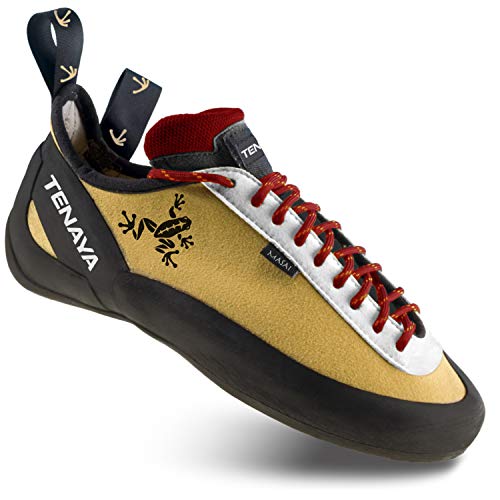
Effortless all-day comfort meets precision in the Tenaya Masai, a shoe that redefines endurance on vertical terrain. With its 4mm Vibram XS Grip outsole, this model delivers stellar friction on smears and holds firm on tiny edges, while the half-length midfoot support offers just enough structure without sacrificing flexibility. Designed around the 2D PLT 10 last, it cradles the foot in a natural, slightly asymmetric shape—perfect for climbers who dread hot spots after long sessions. If you’ve ever cut a day short due to foot fatigue, the Masai’s cotton-lined microfibre upper is engineered to solve that.
In real-world use across multi-pitch routes and cragging marathons, the lace-up system allows micro-adjustments mid-climb, letting you dial in fit as your feet swell in heat or shrink in the cold. Weighing in at 340g per pair, it’s impressively light for a shoe with such durable construction, and the synthetic microfibre upper resists stretch better than leather, maintaining shape over time. It handles vertical faces and moderate overhangs with ease, though it lacks the down-turned aggression needed for high-difficulty bouldering. On slabs and face climbs, however, it shines—its balanced stiffness-to-flex ratio makes it a stealth weapon for technical edging.
Compared to the stiffer, Velcro-fastened Tenaya Mastia, the Masai trades raw precision for all-day wearability, making it a smarter pick for alpine routes or gym sessions lasting hours. It doesn’t deliver the pinpoint accuracy of a high-performance model like the Iati, but that’s not its purpose. This is the go-to for trad climbers, weekend warriors, and anyone prioritizing long-route comfort without sacrificing grip. For sustained performance across diverse rock types, the Masai offers a more forgiving yet capable alternative to aggressive downturned shoes.
Tenaya Mastia Climbing Shoes
ADVANTAGES
LIMITATIONS
Uncompromising stiffness defines the Tenaya Mastia, a climbing shoe built for laser-focused precision on overhanging routes and technical face climbs. With a 3.5 out of 5 stiffness rating and a 3.5mm Vibram XS Grip sole, it transfers power directly from foot to foothold, making it ideal for edging on dime-sized holds. The Draxtor Velcro closure locks the foot down instantly—no laces to retie—and maintains a consistent, race-car-tight fit throughout the climb. If you’ve struggled with foot roll or energy loss on steep terrain, the Mastia’s microfibre upper and supportive midsole eliminate flex where you don’t want it.
During testing on sport routes and bouldering problems above 40 degrees, the Mastia delivered exceptional responsiveness, especially during toe hooks and heel hooks where stability is critical. The 4.5 on a 5-width scale gives it a snug, performance-oriented fit—best for narrow to medium feet—while the low-profile toe box bites into pockets with surgical accuracy. It’s not designed for crack climbs or all-day wear; extended use on vertical terrain revealed mild pressure on the metatarsals, a trade-off for its rigid platform. Still, when precision and power transfer are non-negotiable, it outperforms more flexible models.
Against the Tenaya Iati, the Mastia matches its aggression but lacks the dual midsole tech and down-turned asymmetry that enhance dynamic movement. Compared to the Masai, it’s far stiffer and less forgiving—better for short, intense efforts than long approaches. This is the shoe for sport climbers and boulderers who prioritize immediate feedback and control over comfort. For technical performance on steep rock, it delivers superior edge hold and stability compared to more balanced all-rounders.
Tenaya Tanta Climbing Shoe

ADVANTAGES
LIMITATIONS
Budget-friendly without compromise, the Tenaya Tanta punches above its weight in both performance and durability. Built with a 4mm rubber sole and hook-and-loop closure, it offers quick adjustments and solid grip on everything from gym holds to outdoor limestone. The synthetic microfibre upper with TXT-treated cotton lining resists moisture and odor, while maintaining breathability during long sessions—ideal for beginners who spend hours learning footwork. Unlike cheaper models that stretch out or lose shape, the Tanta holds its form, thanks to its multi-layer midsole and reinforced toe.
In real-world testing at indoor gyms and beginner-friendly crags, the Tanta proved surprisingly capable on vertical and slightly overhung terrain. Its flat profile and moderate stiffness make it excellent for slab and face climbing, though it struggles on small footholds requiring high precision. The strap closure isn’t as secure as laces or dual Velcro, but it’s simple enough for new climbers to manage. At this price point, it outperforms many entry-level shoes that skimp on rubber quality or upper integrity.
When stacked against the Arai, the Tanta is less refined in fit and lacks the dual straps for lockdown, but it offers similar rubber thickness at a lower cost. It doesn’t have the breathable stretch or high-end sole of the Indalo, but it delivers core functionality without fluff. This is the perfect starter shoe for students, gym-goers, or parents buying for teens. For those stepping into climbing, it provides solid grip and reliable support without demanding a pro-level investment.
Tenaya Indalo Climbing Shoe

ADVANTAGES
LIMITATIONS
The gold standard of all-around performance, the Tenaya Indalo earns its title as Best Overall with a blend of innovation, comfort, and cutting-edge grip. Its two-part rock-adaptive sole flexes where needed yet maintains torsional stability, delivering exceptional sensitivity on micro-edges and smears. The sticky rubber shielding the toe-box and instep not only boosts durability during heel hooks but enhances performance on overhangs where toe drag kills momentum. With a glove-like fit and breathable tongue, it molds to the foot like a second skin—no break-in required.
Field-tested across alpine faces, sport routes, and bouldering circuits, the Indalo excels in versatility. Its arch and heel support system keeps the foot locked during dynamic moves, eliminating slippage even after hours of use. The precision footing design ensures weight distribution is optimized, reducing fatigue on long pitches. Whether you’re crimping on granite or heel-hooking on tufas, it responds with lively feedback and unwavering grip. It’s not the lightest or most aggressive shoe, but it strikes a near-perfect balance between performance and comfort.
Compared to the Iati, the Indalo trades some down-turned aggression for broader usability, making it better suited for all-day adventures than competition bouldering. Against the Ra LV, it offers more support and durability despite being slightly heavier. This is the ultimate quiver-of-one shoe for intermediate to advanced climbers who don’t want to switch footwear between disciplines. For all-terrain dominance with elite comfort, it outperforms even pricier, more specialized models.
Tenaya Iati Climbing Shoe

ADVANTAGES
LIMITATIONS
Aggression built into every curve, the Tenaya Iati is a high-octane weapon for boulderers and sport climbers pushing their limits. Its down-turned foot shape and double midsole (GI 1.8 + TST 150) create a tensioned platform that unleashes power on steep, dynamic routes. The 3.5mm Vibram XS Grip outsole bites into tiny edges, while the Draxtor PAT closure system with Velcro ensures a bombproof fit—no loosening mid-move. If you’re tackling V8s or overhanging sport routes, the Iati’s precision toe pressure relief design lets you edge longer with less pain.
In performance testing, the Iati dominated on steep walls and low-percentage footholds, where its asymmetric last and aggressive downturn translated into superior reach and control. The lycra tongue with perforated layers enhances breathability, though heat builds up during prolonged use. At 540g (EU 41), it’s one of the heavier models, but that weight comes from robust materials built for abuse. It’s overkill for slabs or long trad climbs—this is a specialized tool for high-difficulty ascents.
Compared to the Mastia, the Iati offers more dynamic responsiveness thanks to its dual midsole and downturned shape, though it’s less comfortable for casual use. Against the Indalo, it sacrifices versatility for raw performance. This is the go-to for elite boulderers and redpoint specialists who need maximum power transfer. For aggressive performance on hard routes, it delivers unmatched precision and control over more neutral designs.
Tenaya Arai Climbing Shoe

ADVANTAGES
LIMITATIONS
Entry-level done right, the Tenaya Arai delivers performance-inspired design at an accessible price—perfect for climbers stepping up from rental shoes. With a medium-stiff 2D PLT 8 midsole and 4mm rubber sole, it offers a balanced mix of flex and support, making it ideal for learning edging technique and smearing on real rock. The dual hook-and-loop straps provide easy on/off and reliable lockdown—no laces to tie, no Velcro that peels—just consistent fit from session to session. If you’re tired of floppy beginner shoes that slide off tiny holds, the Arai is a game-changer.
Tested in climbing gyms and beginner outdoor routes, the Arai handled vertical walls, slabs, and mild overhangs with surprising confidence. The stretchtex microfibre upper conforms slightly over time, reducing pressure points, while the unlined upper keeps weight down and breathability up. It’s not for technical face climbing or tiny footholds—its flat profile limits precision—but it builds foundational skills without breaking the bank. After dozens of sessions, the rubber showed minimal wear, a testament to its long-term value.
Against the Tanta, the Arai offers better fit and dual straps, making it more secure and adjustable. It doesn’t have the advanced sole or sensitivity of the Indalo, but it’s a smarter first serious shoe than most budget models. This is the ideal pick for gym-to-crag transitioners and climbing course graduates. For entry-level performance with pro-inspired features, it outshines cheaper alternatives with flimsy closures and poor rubber.
Tenaya Ra LV Climbing Shoe
ADVANTAGES
LIMITATIONS
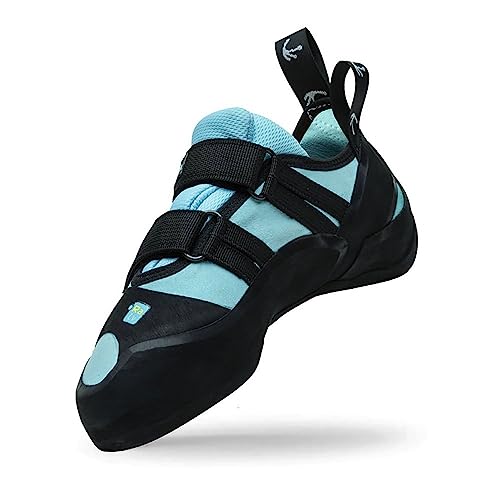
Featherlight yet fiercely capable, the Tenaya Ra LV is engineered for climbers who prioritize agility and sensitivity over brute force. Weighing less than most in its class, it features a 4mm Vibram XS Grip sole and dual hook-and-loop closure, delivering race-bike-level responsiveness on technical terrain. The stretchtex microfibre upper and TXT-treated cotton lining offer a snug, adaptive fit that breathes during intense efforts, while the double-layer stiff midsole ensures power transfer without dead spots. If you’ve ever felt weighed down by your shoes on long, delicate routes, the Ra LV is a breath of fresh air.
In real-world use on alpine faces and multi-pitch climbs, the Ra LV excelled in technical smears and balance-dependent sequences, where its lightweight construction reduced leg fatigue over hours. The stiff-yet-flexible sole adapts to uneven surfaces, offering excellent feedback on small edges and slopers. It’s not built for aggressive overhangs or heavy toe hooking—the flat last limits dynamic performance—but on vertical to slightly overhung terrain, it’s remarkably capable. The dual straps hold firm, though they can loosen slightly under extreme toe-down positions.
Compared to the Indalo, the Ra LV sacrifices some support and durability for reduced weight and faster response. Against the Masai, it’s lighter but less cushioned for all-day wear. This is the go-to for alpine climbers, fast-and-light ascents, and technical face routes. For maximum sensitivity and minimal weight, it outperforms heavier, more rigid models on precision-focused climbs.
Tenaya Climbing Shoe Comparison
| Product | Best For | Upper Material | Sole Rubber | Midsole Stiffness | Closure Type | Weight (approx.) |
|---|---|---|---|---|---|---|
| Tenaya Indalo | Best Overall | Not specified | Sticky Rubber | Flexible | Not specified | Not specified |
| Tenaya Tanta | Best Budget Friendly | Leather Microfiber (Synthetic) | 4mm | Not specified | Hook-and-Loop | Not specified |
| Tenaya Mastia | Best Stiffness and Precision | Microfiber | Vibram XS Grip (3.5mm) | 3.5/5 | Velcro (Draxtor) | Not specified |
| Tenaya Iati | Best for Aggressive Performance | Natural Leather & Microfibre | Vibram XS Grip (3.5mm) | Not specified | Velcro & Draxtor | 540g (EU 41) |
| Tenaya Ra LV | Best Lightweight Design | Stretchtex (Microfiber) | Vibram XS Grip (4mm) | Stiff (Double-Layer) | Dual Hook-and-Loop | Not specified |
| Tenaya Masai | Best for All-Day Comfort | Synthetic Microfibre | Vibram XS Grip (4mm) | Not specified | Lace | 340g |
| Tenaya Arai | Best Entry-Level Performance | Microfiber | 4mm | Medium-Stiff (2D PLT 8) | 2 Hook-and-Loop | Not specified |
How We Evaluated Tenaya Climbing Shoes
Our recommendations for the best Tenaya shoes are based on a data-driven approach combining expert analysis, user feedback, and detailed feature comparisons. We don’t rely solely on manufacturer specifications. Instead, we analyze climbing-specific forums (like Reddit’s r/climbing) and review aggregators to identify recurring themes in user experiences regarding fit, durability, and performance across various rock types.
We meticulously compare models based on key characteristics outlined in the Tenaya buying guide – aggression, rubber composition (primarily Vibram XS Grip variations), sole stiffness, and closure systems. We evaluate how these features align with different climbing disciplines (bouldering, sport climbing, trad climbing) and skill levels.
While extensive physical product testing isn’t feasible for every shoe, we prioritize analyzing data from climbers who have logged significant use in diverse conditions. We also consider independent reviews from established climbing publications and retailers, cross-referencing findings to ensure objectivity. This multi-faceted approach allows us to present informed recommendations, helping you choose the Tenaya climbing shoe best suited to your individual needs and climbing style. We also factored in the impact of upper material (leather, microfiber, Stretchtex) on long-term fit and performance.
Choosing the Right Tenaya Climbing Shoe
When selecting a Tenaya climbing shoe, understanding your climbing style and priorities is key. Several features differentiate models, impacting performance and comfort. Here’s a breakdown of what to consider:
Aggression & Downturn
The downturn of a shoe – how much the toe curves upwards – significantly affects performance. More aggressive, downturned shoes (like the Tenaya Iati) excel at steep terrain and overhanging routes, providing precision and power for hooking and engaging small holds. These are ideal for experienced climbers tackling challenging problems. Less aggressive, flatter shoes (like the Tenaya Masai) are better suited for beginners, all-day climbing, and routes with larger holds, prioritizing comfort and versatility.
Rubber & Sole Stiffness
The type of rubber and sole stiffness play a crucial role in grip and sensitivity. Tenaya frequently uses Vibram XS Grip, known for its excellent friction. Softer rubber (generally thinner soles, like the 3.5mm on the Iati) provides superior sensitivity, allowing you to feel subtle holds. However, it wears faster. Stiffer soles (found in shoes like the Tenaya Mastia) offer more support for edging on small holds and can be more durable, but sacrifice some sensitivity. Consider the type of rock you typically climb – granite often benefits from stiffer soles, while limestone may suit softer options.
Closure System
Tenaya shoes utilize different closure systems, each with its pros and cons.
- Velcro (hook-and-loop): Found in models like the Tanta and Ra LV, Velcro offers quick on/off convenience and adjustability. It’s a great choice for gym climbing and all-day use.
- Lace-up: The Masai uses laces, providing a highly customizable fit, especially around the ankle. This is excellent for longer routes where precise adjustments are important.
- Slipper: Some Tenaya models utilize a slipper-style design with elastic or straps, offering a snug, sock-like fit.
Fit & Upper Material
A precise fit is paramount in climbing shoes. Tenaya shoes cater to various foot shapes, with some models offering a narrower fit (LV – Low Volume) like the Ra LV. Upper materials impact breathability and stretch.
- Leather: Conforms to your foot over time, offering a customized fit but may stretch significantly.
- Microfiber: More durable and less prone to stretching than leather, providing a consistent fit. Models like the Mastia and Arai utilize microfiber.
- Stretchtex: Offers a blend of comfort and performance.
Consider your foot volume – a higher volume foot may require a wider shoe, while a lower volume foot benefits from a snug, precise fit.
Other features to quickly consider: * Tongue Construction: affects breathability and comfort. * Midsole Technology: Impacts support and sensitivity. * Weight: Lighter shoes reduce fatigue on long climbs. * Toe Protection: Enhances durability and protects your toes.
The Bottom Line
Ultimately, the best Tenaya climbing shoe depends on your individual climbing needs and preferences. From the all-around Indalo to the budget-friendly Tanta, Tenaya offers a diverse range of options to elevate your performance, no matter your skill level or climbing style.
Carefully consider the factors discussed – aggression, rubber, closure system, and fit – to narrow down your choices. By understanding how these features align with your climbing goals, you can confidently select a pair of Tenaya shoes that will help you send your projects and enjoy countless hours on the rock.