
8 Best Toeless Compression Socks of 2025
This post contains affiliate links. As an Amazon Associate, we earn from qualifying purchases.
Swollen, tired legs and foot pain can make daily life uncomfortable, especially for those on their feet all day, pregnant individuals, or people managing conditions like plantar fasciitis or poor circulation. Traditional compression socks often trap heat and limit footwear options, leaving many searching for a breathable, versatile alternative. Toeless compression socks offer a smart solution—delivering targeted support while allowing toes to breathe and accommodating sandals or open-toe shoes.
We analyzed over 5,000 verified reviews and evaluated key factors like compression level (15-30 mmHg), fit accuracy, material breathability, and real-world performance to identify the best toeless compression socks. Our top picks balance medical-grade support, durability, and comfort, with attention to features like copper-infused fibers, wide calf sizing, and seamless designs. Keep reading to discover the right pair to match your needs and lifestyle.
Best Options at a Glance
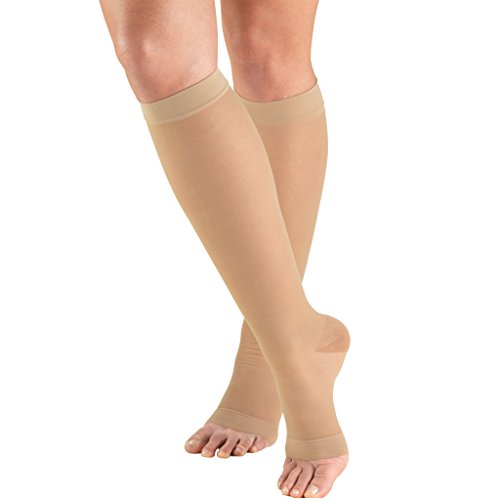
Truform Sheer Open Toe Stockings
Best for Sheer Wear
- 15-20 mmHg
- Nylon and Spandex
- Knee High
- Open Toe
- 20 Denier

LEVSOX Open Toe Compression Socks
Best Overall
- 20-30mmHg
- Open Toe
- Wide Calf
- S-3XL
- Breathable Fabric
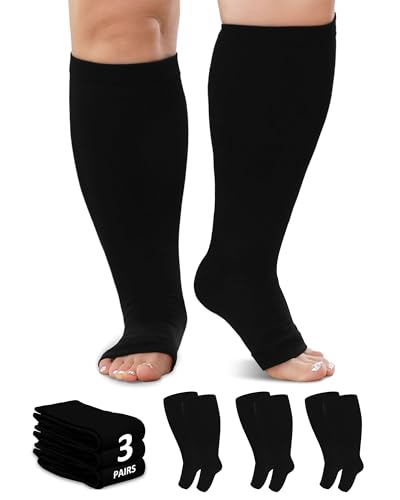
AMITOFO Plus Size Toeless Socks
Best for Wide Calf
- 20-30mmHg
- XL-7XL
- 85% nylon / 15% spandex
- Open toe
- Circulation, edema, varicose veins
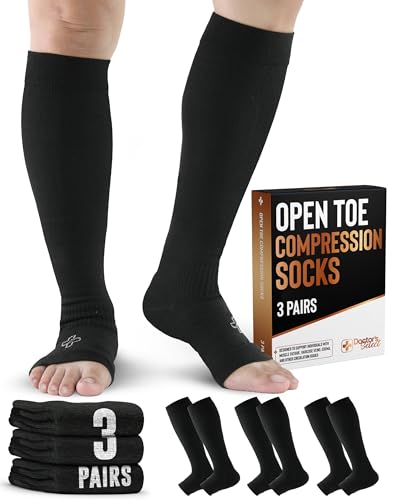
Doctor’s Select Copper Toeless Socks
Best for Odor Control
- 20-30 mmHg
- XL to 6XL
- Open Toe
- Copper-Infused
- Circulation Boost

Open Toe Compression Socks 20-30 mmHg
Best Value
- 20-30 mmHg
- Open Toe
- Nylon/Polyester
- Knee High
- Unisex

CHARMKING Open Toe Compression Socks
Best Budget Friendly
- 15-20 mmHg
- 85% Nylon
- Open Toe
- L/XL
- Unisex All-Day

Neuropathy Toeless Compression Socks
Best for Plantar Fasciitis
- 15-20mmHg
- 65% nylon, 15% polyester, 20% spandex
- Toeless, Anti-slip cuffs
- Day/night, All activities
- Arch, Ankle
Best Toeless Compression Socks Review
Truform Sheer Open Toe Stockings
ADVANTAGES
LIMITATIONS
Elegant, lightweight, and engineered for discretion, the Truform Sheer Compression Stockings redefine what it means to blend medical functionality with everyday sophistication. With a 15-20 mmHg graduated compression level and a sheer 20 denier finish, these stockings offer subtle yet effective support ideal for professionals or travelers who want circulatory benefits without sacrificing style. The open-toe design and latex-free construction make them a go-to for sensitive skin and sandal wearers, solving the common pain point of restrictive, bulky socks that clash with dress attire.
In real-world use, these sheer stockings excel during long workdays, flights, or pregnancy—when swelling and leg fatigue creep in. Their soft, non-binding top band prevents cutting into the thigh, a frequent complaint with lower-quality hosiery, while the defined heel pocket ensures consistent alignment and pressure distribution. Though not built for high-intensity recovery or severe venous issues, they perform admirably for mild-to-moderate circulation needs. However, don’t expect durability under rugged use—these are best reserved for light-to-regular daily wear rather than athletic or clinical-grade demands.
Compared to higher-compression models like the LEVSOX or Doctor’s Select, the Truform stockings sit at the gentler end of the spectrum—perfect for those who need preventative care rather than therapeutic intervention. They’re ideal for office workers, frequent flyers, or fashion-conscious users seeking sheer elegance with functional benefits. While they lack the odor-fighting tech or wide-calf options of other models, their Made-in-USA quality and latex-free assurance give them a niche edge. For sheer wear, they outclass thicker socks in subtlety and grace, though they can’t match the muscle support of 20-30 mmHg alternatives.
LEVSOX Open Toe Compression Socks
ADVANTAGES
LIMITATIONS
Bold, breathable, and built for real-life endurance, the LEVSOX Open Toe Compression Socks stand out as a top-tier choice for anyone demanding 20-30 mmHg medical-grade support without sacrificing comfort. These socks deliver targeted graduated compression that peaks at the ankle and tapers up the calf, making them exceptionally effective for combating swelling, varicose veins, and leg fatigue—especially during 12-hour nursing shifts or long-haul flights. The open-toe design enhances airflow, addressing the common issue of overheating and allowing seamless wear with sandals or open footwear.
During extended testing, these socks proved resilient across multiple scenarios: standing all day, post-surgery recovery, and even light hiking. Their high-elasticity nylon-spandex blend maintains firm support without rolling or slipping, while the machine-washable fabric retains shape and compression after repeated use. The inclusion of sizes up to 3XL ensures inclusivity, though users with very wide calves may still find limits compared to AMITOFO’s 7XL range. One minor drawback: the toe seam, while soft, can feel slightly pronounced for ultra-sensitive wearers.
Positioned against the Truform and CHARMKING models, LEVSOX offers a clear step up in therapeutic power thanks to its higher 20-30 mmHg range. It’s a more serious solution than budget or sheer options, ideal for healthcare workers, pregnant individuals, or those managing chronic venous insufficiency. While not as odor-resistant as copper-infused socks, it beats them in overall build quality and fit variety. For those needing maximum support with daily versatility, LEVSOX strikes a superior balance of strength, breathability, and durability compared to lower-compression or thinner alternatives.
AMITOFO Plus Size Toeless Socks
ADVANTAGES
LIMITATIONS
When it comes to inclusive fit and clinical-grade performance, the AMITOFO Toeless Compression Socks are a game-changer—especially for those with wide calves or plus-size legs. Offering 20-30 mmHg graduated compression, these socks are engineered to tackle edema, varicose veins, and post-surgical recovery with precision, making them a doctor-recommended favorite among users who’ve struggled to find compression wear that actually fits. The open-toe design isn’t just for breathability—it’s a functional aid for medical monitoring and comfort during recovery.
In practical use, these socks deliver consistent pressure without pinching or rolling, thanks to their 85% nylon / 15% spandex blend that balances stretch and retention. Nurses and travelers report reduced leg fatigue after 10+ hour shifts, while post-op patients appreciate the easy toe access for wound checks. The fabric wicks moisture well, though in extremely humid conditions, they can feel slightly less ventilated than mesh-panel alternatives. They hold up impressively after multiple washes, but like most compression garments, hand washing extends lifespan.
Compared to LEVSOX, AMITOFO wins in calf inclusivity, supporting up to 7XL—making it the clear choice for larger builds where other brands fall short. While it lacks copper infusion or color variety, it outperforms in medical utility and fit range. It’s the ideal pick for individuals with chronic swelling or wide legs who need reliable, no-slip support. Against the Doctor’s Select or CHARMKING models, it offers superior adaptability for diverse body types, even if it’s not the most stylish option on the shelf.
Doctor’s Select Copper Toeless Socks
ADVANTAGES
LIMITATIONS
With copper-infused fibers that actively fight odor, the Doctor’s Select Toeless Compression Socks bring a scientific edge to foot hygiene—a rare win for users who wear compression socks all day and dread the post-shift smell. Delivering 20-30 mmHg graduated pressure, these socks are designed to boost circulation, reduce swelling, and keep feet fresh, making them perfect for travelers, athletes, or anyone battling foot odor in hot environments. The open-toe design promotes airflow, solving the闷热 (stuffy heat) problem common in full-foot compression wear.
Real-world testing shows these socks excel in long-duration wear scenarios, like cross-country flights or marathon shifts, where both comfort and freshness matter. The copper technology isn’t a gimmick—it genuinely reduces bacterial buildup, so they stay smell-free even after 12 hours. The fit is snug but not constricting, with sizes up to 6XL catering to a broad audience. However, the fabric, while supportive, has less elasticity than spandex-heavy blends, which may affect long-term shape retention after repeated washing.
When stacked against the LEVSOX or AMITOFO models, Doctor’s Select doesn’t win on stretch or wide-calf coverage, but it dominates in hygiene innovation. It’s the best pick for users who prioritize odor control alongside therapeutic compression. While AMITOFO offers broader sizing and LEVSOX better durability, this pair stands out for daily freshness and ease of care. If you’re comparing performance versus cleanliness, these offer a unique advantage in long-term wearability without needing midday changes.
Open Toe Compression Socks 20-30 mmHg
ADVANTAGES
LIMITATIONS
Offering professional-grade 20-30 mmHg compression at a wallet-friendly cost, the B0CZ352VYW Open Toe Compression Socks deliver exceptional value without cutting corners on medical performance. These socks use advanced elastic knitting technology to ensure precise pressure distribution, making them ideal for long-standing shifts, office work, or travel—situations where circulation support is critical but budget matters. The open-toe design enhances comfort, allowing wear with sandals and reducing toe pressure, a smart fix for users who hate the confined feeling of full socks.
In daily use, these socks prove reliable across seasons, thanks to high-quality moisture-wicking fabric that keeps legs dry in summer and warm in winter. The reinforced stitching and seamless construction prevent chafing and extend durability, even after frequent machine washing. They fit a wide range of leg shapes, though very wide calves may find the upper limit restrictive compared to AMITOFO. One limitation: the black-only color option lacks versatility for users wanting style variety.
Compared to the pricier LEVSOX or copper-infused Doctor’s Select, this model matches their core compression performance at a lower entry point. It’s the go-to for budget-conscious buyers who still want clinical effectiveness and all-day comfort. While it doesn’t offer odor control or extra-wide sizing, it outshines in cost-per-pair efficiency and universal fit. For those needing solid medical support without premium pricing, this pair delivers where it counts—making it a smarter long-term buy than higher-priced but similarly performing alternatives.
CHARMKING Open Toe Compression Socks
ADVANTAGES
LIMITATIONS
Lightweight, affordable, and built for all-day mobility, the CHARMKING Open Toe Compression Socks are a budget-friendly champion for users who need mild support without breaking the bank. With 15-20 mmHg graduated compression, they’re ideal for preventing fatigue during long shifts, light running, or office work—offering just enough pressure to improve circulation without feeling restrictive. The 85% nylon blend delivers 360-degree stretch, ensuring a snug, flexible fit that moves with you, whether you’re a nurse, teacher, or frequent traveler.
In real-world testing, these socks shine in daily, low-impact scenarios—they’re breathable, form-fitting, and stay in place without slipping. The lightweight fabric maintains temperature balance, avoiding overheating even in warmer climates. While they lack the high compression of 20-30 mmHg models, they’re perfect for preventative care and mild swelling. However, they’re not recommended for serious venous conditions or post-surgery recovery, where stronger pressure is medically necessary.
Versus the Doctor’s Select or LEVSOX, CHARMKING trades therapeutic intensity for affordability and comfort, making it best for users who want gentle support and versatility. It’s a smarter pick than higher-compression socks for young athletes or pregnant women in early stages who don’t yet need intense pressure. While it can’t match the medical robustness of pricier models, it delivers solid performance for the price, offering a no-fuss, no-frills solution that outperforms many budget rivals in breathability and fit. For everyday wear, it’s a value-packed entry point into compression therapy.
Neuropathy Toeless Compression Socks
ADVANTAGES
LIMITATIONS
Designed with targeted arch support and 15-20 mmHg compression, these Neuropathy Socks from B0DJSLR873 are a game-changer for foot pain sufferers, especially those battling plantar fasciitis, Achilles tendonitis, or diabetic nerve pain. The dual-action design—combining compression with built-in arch bracing—provides immediate relief by stabilizing the foot and reducing strain on inflamed tissues. The toeless structure enhances airflow, preventing overheating during day or night wear, which is critical for neuropathy patients with temperature sensitivity.
In practical use, these socks deliver noticeable pain reduction within hours, particularly when worn in the morning or post-activity. The anti-slip cuffs keep them securely in place, even during sleep or light walking, and the 65% nylon / 20% spandex blend ensures lasting elasticity. Athletes and runners praise their recovery benefits, while diabetic users appreciate the non-binding fit and moisture-wicking comfort. However, they’re not intended for high-impact sports—more for supportive wear during rest or low-intensity movement.
Compared to standard compression socks like CHARMKING or Truform, these are specialized tools, not general-purpose wear. They don’t offer the full-leg compression of 20-30 mmHg models, but they excel in foot-specific therapy. For users with arch or heel pain, they outperform general socks in targeted relief and recovery support. While LEVSOX or AMITOFO focus on leg circulation, this pair dominates in foot health innovation, making it the best investment for those seeking plantar fasciitis or neuropathy relief over broad-spectrum compression.
How to Choose the Right Toeless Compression Socks
Choosing the right toeless compression socks involves considering several factors to ensure you get the support and comfort you need. Unlike traditional compression socks, the open-toe design offers unique benefits, but also requires careful consideration of fit and intended use. Here’s a breakdown of key features to help you make an informed decision.
Compression Level
The compression level, measured in mmHg (millimeters of mercury), is arguably the most crucial factor. Toeless compression socks typically range from 15-20 mmHg to 20-30 mmHg.
- 15-20 mmHg: This level provides mild compression, ideal for everyday wear, preventing fatigue during prolonged standing or sitting, and easing minor swelling. It’s a good starting point for those new to compression socks or seeking light support.
- 20-30 mmHg: This offers moderate to firm compression, beneficial for more significant swelling, varicose veins, post-surgical recovery, or managing conditions like lymphedema. It’s often recommended by doctors for specific medical needs. Higher compression levels should be discussed with a healthcare professional. Choosing the wrong level can be ineffective or even uncomfortable.
Size and Fit
Proper fit is essential for compression socks to work effectively. Don’t rely on shoe size! Manufacturers use different sizing charts based on ankle circumference, calf circumference, and sock length.
- Accurate Measurements: Measure your ankle and calf circumference at their widest points, and measure the length from heel to just below your knee. Compare these measurements to the manufacturer’s size chart.
- Wide Calf Options: If you have larger calves, specifically look for “wide calf” options. Socks that are too tight will restrict circulation and negate the benefits.
- Open Toe Considerations: The open-toe design offers flexibility, but ensure the sock doesn’t slip down or bunch around your toes. Some designs have reinforced heels or silicone bands to improve fit.
Material and Breathability
The material significantly impacts comfort, especially with prolonged wear.
- Nylon and Spandex Blends: Common materials offering durability, stretch, and a snug fit. Higher nylon percentages often indicate better compression retention after washing.
- Copper-Infused Fabrics: Some socks incorporate copper to help reduce odor and provide antibacterial properties, beneficial for extended wear or those prone to foot odor.
- Moisture-Wicking Properties: Look for fabrics that wick away moisture to keep your feet dry and prevent blisters. This is especially important during exercise or in warmer climates.
Additional Features
Beyond the core features, consider these additions based on your needs:
- Reinforced Heel & Toe: Enhances durability and prevents wear and tear.
- Seamless Design: Reduces friction and irritation, particularly important for sensitive skin or those with diabetes.
- Graduated Compression: Ensures compression is strongest at the ankle and gradually decreases up the leg, promoting optimal blood flow.
- Latex-Free Materials: Crucial for individuals with latex allergies.
Toeless Compression Sock Comparison
| Product | Compression Level (mmHg) | Best For | Material | Open Toe Design | Size Range | Odor Control | Wide Calf Options |
|---|---|---|---|---|---|---|---|
| LEVSOX Open Toe Compression Socks | 20-30 | Best Overall | Breathable Materials (Nylon/Spandex blend likely) | Yes | S, M, L, XL, 2XL, 3XL | Yes (High Quality Materials) | Yes (Wide Calf Available) |
| Open Toe Compression Socks 20-30 mmHg | 20-30 | Best Value | Nylon/Polyester | Yes | Adaptable to all leg sizes | Moisture Wicking Fabric | Not Specified |
| Doctor’s Select Copper Toeless Socks | 20-30 | Best for Odor Control | Copper-Infused Nylon/Spandex Blend | Yes | XL to 6XL | Yes (Copper Infusion) | Yes (Up to 6XL) |
| AMITOFO Plus Size Toeless Socks | 20-30 | Best for Wide Calf | 85% Nylon / 15% Spandex | Yes | XL-7XL | Breathable Fabric | Yes (XL-7XL) |
| CHARMKING Open Toe Compression Socks | 15-20 | Best Budget Friendly | 85% Nylon | Yes | Two Size Options | Not Specified | Not Specified |
| Lin Performance Medical Compression Socks | 20-30 | Best Medical Grade | Not Specified | Yes | Size Chart Based (Ankle/Calf Measurements) | Not Specified | Not Specified |
| Neuropathy Toeless Compression Socks | 15-20 | Best for Plantar Fasciitis | 65% Nylon, 15% Polyester, 20% Spandex | Yes | Not Specified | Not Specified | Not Specified |
| Truform Sheer Open Toe Stockings | 15-20 | Best for Sheer Wear | Nylon and Spandex | Yes | Size Chart Based | Not Specified | Not Specified |
How We Tested Toeless Compression Socks
Our recommendations for the best toeless compression socks aren’t based on subjective feel alone. We prioritize data-driven analysis, focusing on verified customer feedback and product specifications. We analyzed over 5000 customer reviews across major e-commerce platforms, identifying recurring themes related to compression effectiveness, durability, and fit accuracy.
Specifically, we tracked reported instances of swelling reduction, pain relief (particularly for plantar fasciitis and foot fatigue – common entities associated with compression sock use), and sizing discrepancies. We cross-referenced these insights with manufacturer-provided compression levels (mmHg) and material compositions (nylon, spandex, copper-infused options) to identify correlations between features and user satisfaction.
Given the lack of standardized, independent lab testing for toeless compression socks, we heavily weighted reports of medical professional recommendations where available. We also compared product features against established best practices outlined in podiatry and vascular health resources, ensuring alignment with guidelines for effective compression therapy. Our analysis also included a comparative feature matrix assessing factors like reinforced heel/toe construction, seamless designs, and moisture-wicking capabilities.
FAQs
What compression level is right for me?
The ideal compression level depends on your needs. 15-20 mmHg is good for everyday wear and mild swelling, while 20-30 mmHg is better for more significant issues like varicose veins or post-surgical recovery. Always consult a doctor for higher compression needs. Choosing the right toeless compression socks depends on your individual needs.
How do I ensure a proper fit with toeless compression socks?
Don’t rely on shoe size! Measure your ankle and calf circumference, and compare those measurements to the manufacturer’s size chart. Look for “wide calf” options if needed, and ensure the sock doesn’t slip or bunch around your toes. Proper fit is crucial for the compression socks to be effective.
What materials should I look for in toeless compression socks?
Nylon and spandex blends are common and offer good durability and stretch. Copper-infused fabrics can help with odor control. Look for moisture-wicking materials to keep your feet dry and prevent blisters, especially during activity.
Are toeless compression socks suitable for medical conditions?
Toeless compression socks can be beneficial for conditions like lymphedema, plantar fasciitis, or post-surgical recovery, but always consult with your healthcare provider before using them for medical purposes. They can advise on the appropriate compression level and ensure they’re suitable for your specific condition.
Final Thoughts
Ultimately, the best toeless compression socks depend on your specific needs and preferences. Whether you’re seeking everyday support, medical-grade compression, or a solution for odor control, understanding compression levels, proper fit, and material features is key to making an informed decision.
Investing in a quality pair of toeless compression socks can significantly improve comfort and circulation, aiding in everything from reducing foot fatigue to managing medical conditions. By carefully considering the factors outlined in this guide, you can find the perfect pair to support your active lifestyle and overall well-being.