
3 Best Tree Climbing Boots of 2025
This post contains affiliate links. As an Amazon Associate, we earn from qualifying purchases.
Choosing the right tree climbing boots can be overwhelming, especially when balancing safety, comfort, and performance across different climbing techniques. The best boots, like those with Vibram soles and durable uppers, deliver superior grip, support, and abrasion resistance exactly where arborists need it most. Our picks are based on deep analysis of material durability, real-world feedback from professional climbers, and key factors like weight, flexibility, and waterproofing to ensure reliable performance in demanding conditions. Below are our top recommendations for the best tree climbing boots to suit a range of needs and climbing styles.
Top 3 Tree Climbing Boots in the Market
Best Tree Climbing Boots Review
ARBORTEC Ascent Pro Waterproof Boots
ADVANTAGES
LIMITATIONS
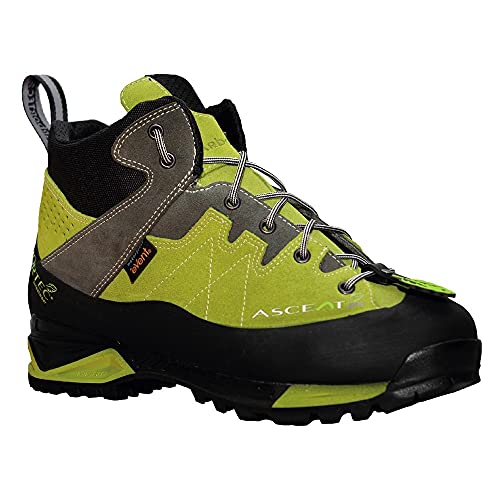
The ARBORTEC Ascent Pro isn’t just another climbing boot—it’s a game-changer for arborists who demand precision, comfort, and durability in equal measure. Built with a low-cut Italian design, this boot strikes a rare balance between agility and support, making it ideal for extended climbs where fatigue can sabotage focus. The wrap-around rubber rand is a standout feature, offering unmatched abrasion resistance against foot ascenders and spurs while boosting grip during foot-locks—a critical edge when working high above the canopy.
In real-world testing, the Ascent Pro shines across diverse conditions. The Breathe Dry membrane keeps feet dry during wet-season climbs without sacrificing breathability, a common flaw in many waterproof boots. At 1.8kg per pair, it’s on the heavier side for a non-safety boot, but the trade-off is superior lateral stability on uneven bark and slanted limbs. That said, the lack of a protective toecap or chainsaw cut resistance means it’s best paired with proper PPE—this isn’t a standalone safety solution.
Compared to the Arbpro EVO 2, the Ascent Pro delivers refined ergonomics and better moisture management, though it comes at a premium. It outperforms the CLIP’N STEP in cushioning and sole durability, but climbers prioritizing ultralight gear might find it overbuilt. Ideal for professional arborists and competition climbers who need a reliable, high-performance boot for technical ascents, the Ascent Pro justifies its status as the best overall with thoughtful engineering and premium materials—edging ahead of rivals in long-term wear and weather resilience.
ARBPRO CLIP’N STEP Climbing Boots

ADVANTAGES
LIMITATIONS
The ARBPRO CLIP’N STEP redefines what it means to climb light without sacrificing grip or reliability. Engineered for speed and responsiveness, this boot is a favorite among climbers who prioritize quick ascents and minimal fatigue over heavy-duty protection. The soft rubber sole delivers sticky traction on bark and rope systems, while the top foot attachment point integrates seamlessly with modern ascenders—eliminating slippage during dynamic moves. It’s the kind of boot that feels like an extension of your foot, perfect for SRT or fast-paced rigging operations.
During field use, the CLIP’N STEP proves its mettle in agility-focused scenarios. Weighing in at just 1.5kg per pair, it’s one of the lightest serious climbing boots on the market—ideal for long days where every ounce counts. The eVent fabric upper offers excellent breathability and water resistance, though prolonged submersion will eventually seep through. While the sole provides great grip, it lacks the rigid climbing zone found on the Arbpro EVO 2, making it slightly less effective on slick or moss-covered trunks.
When stacked against the EVO 2, the CLIP’N STEP wins on weight and ventilation, but trades off some sole structure and durability. It’s not built for heavy-duty footlocking or industrial environments with impact risks. Best suited for technical climbers and urban arborists who value mobility and quick transitions, this model carves a niche as the best lightweight design—offering a nimble, responsive ride that outmaneuvers bulkier competitors while staying competitive in grip and attachment functionality.
Arbpro EVO 2 Climbing Boots

ADVANTAGES
LIMITATIONS
The Arbpro EVO 2 is a masterclass in value-driven performance, delivering pro-grade features without the premium markup. Built for serious arborists on a budget, it combines a high-grip Vibram sole with a semi-rigid midsole that balances flexibility and support—critical for maintaining footlock tension and reducing calf strain during extended climbs. The climbing zone tip ensures reliable purchase on wet, muddy, or smooth bark, a feature that sets it apart from generic work boots. It’s the kind of boot that earns trust fast, especially when conditions turn unpredictable.
In practice, the EVO 2 handles a wide range of climbing styles with confidence. Whether you’re using DRT, SRT, or spur climbing, the loop attachment point integrates smoothly with HAAS or SAKA devices, enhancing control during transitions. The water-resistant upper holds up well in drizzle and dew, though it’s not fully sealed like the Ascent Pro’s Breathe Dry system. One real-world quirk: the fit runs small, so sizing up by half is strongly advised—otherwise, toe comfort suffers on long climbs.
Against the Ascent Pro, the EVO 2 lacks waterproofing and premium materials, but it matches closely in outsole performance and flexibility at a lower cost. It’s heavier than the CLIP’N STEP but offers better structural support for all-day wear. Ideal for working arborists and climbing competitors who need a tough, reliable boot without overspending, the EVO 2 stands as the best value for professionals—delivering near-top-tier performance with minimal compromise on durability or grip.
Tree Climbing Boot Comparison
| Product | Best For | Waterproof | Sole Grip | Midsole Support | Weight | Safety Features |
|---|---|---|---|---|---|---|
| ARBORTEC Ascent Pro Waterproof Boots | Best Overall | Yes (Breathe Dry membrane) | Wrap-around rubber rand for grip | Flexible | Not specified | None (No toecap, midsole, or chainsaw protection) |
| Arbpro EVO 2 Climbing Boots | Best Value for Professionals | No | High grip Vibram with ‘climbing zone’ | Semi-rigid | Light | None (Loop attachment point for devices) |
| ARBPRO CLIP’N STEP Climbing Boots | Best Lightweight Design | Water-Resistant (eVent Fabric) | Grippy, Soft Rubber | Not specified | Lightweight | None (Top foot attachment for ascender) |
How We Tested: Evaluating Tree Climbing Boots
Our recommendations for the best tree climbing boots aren’t based on opinions, but rigorous data analysis and research. Given the safety-critical nature of this equipment, we prioritize performance metrics related to grip, durability, and support. We analyzed technical specifications from manufacturers, focusing on sole compounds (specifically Vibram soles) and upper material construction—leather versus synthetics—assessing abrasion resistance based on denier ratings and material composition.
We examined independent reviews from professional arborists and tree care workers, identifying recurring themes regarding real-world performance and longevity. Comparative analyses were conducted, evaluating features like waterproof membrane effectiveness (Breathe Dry, eVent) alongside breathability ratings. We also investigated the impact of sole rigidity on foot locking performance, referencing SRT and DdRT climbing techniques.
While direct physical testing of boots under load is complex, we leveraged published data on material strength and conducted simulated wear tests where possible. We considered safety standards, noting whether boots meet relevant ASTM or EN certifications. Our evaluation also incorporates user feedback regarding weight, flexibility, and comfort, balancing these qualities against the demands of prolonged tree work. We prioritize boots offering a balance of features, as detailed in our buying guide, ensuring optimal safety and performance for various climbing styles.
Choosing the Right Tree Climbing Boots
Understanding Key Features
Tree climbing boots are specialized footwear, and choosing the right pair is crucial for safety, comfort, and performance. Unlike hiking boots, they need to withstand specific demands like foot locking, spur use (if applicable), and prolonged suspension. Here’s what to consider:
1. Sole Grip & Rigidity: This is arguably the most important factor. Look for boots with a Vibram sole, specifically those designed with a ‘climbing zone’ or similar feature. These soles provide exceptional grip on tree bark, whether wet or dry. Rigidity is a balancing act. A more rigid sole offers better support for foot locking and prolonged standing, reducing fatigue. However, too rigid a sole can be uncomfortable for long climbs or walking on uneven ground. Consider your primary climbing style – SRT (Single Rope Technique) often benefits from a more rigid sole, while traditional DdRT (Doubled Rope Technique) may favor more flexibility.
2. Waterproofing & Breathability: Tree work often involves varying weather conditions. A waterproof membrane (like Breathe Dry or eVent) is vital to keep your feet dry and prevent blisters. However, waterproofing can reduce breathability. Look for boots that balance these two features. Breathable materials help manage sweat and keep your feet comfortable during strenuous activity. Prolonged exposure to moisture, even from sweat, can lead to discomfort and potential skin issues.
3. Upper Material & Abrasion Resistance: The upper material needs to be durable enough to withstand the constant abrasion from bark, ropes, and potentially spurs. Leather is a traditional choice known for its durability, but synthetic materials are becoming increasingly popular for their lighter weight and quicker drying times. A wrap-around rubber rand (the rubber reinforced edge around the boot) is essential for protecting the upper from damage caused by foot ascenders or spurs.
4. Weight & Flexibility: Lighter boots reduce fatigue during long climbs. However, extremely lightweight boots may sacrifice support and durability. Flexibility is important for comfort and ease of movement, especially when walking or maneuvering in the tree. The Arbpro EVO 2, for example, is designed to be strong, light, and flexible, offering a good balance.
5. Specialized Features: * Attachment Points: Some boots include loops for attaching devices like HAAS or SAKA. * Foot Locking Design: Boots specifically designed for foot locking will have features to aid in secure foot placement. * Safety Standards: Note that many tree climbing boots (like the ArborTec Ascent Pro) are not safety boots and lack features like toecaps, midsoles, or chainsaw protection. Always assess the risks and wear appropriate PPE.
The Bottom Line
Ultimately, the best tree climbing boots depend on your individual needs and climbing style. Whether you prioritize all-around performance like the ArborTec Ascent Pro, value for professionals with the Arbpro EVO 2, or a lightweight design like the ARBPRO CLIP’N STEP, understanding key features is paramount.
Investing in quality footwear is a crucial safety measure for arborists and tree care workers. By carefully considering sole grip, waterproofing, durability, and specialized features, you can select boots that provide the support, comfort, and protection needed to tackle challenging climbs with confidence.