
7 Best Wading Shoes of 2026
This post contains affiliate links. As an Amazon Associate, we earn from qualifying purchases.
Wading in slippery rivers or rocky streams demands footwear that balances grip, comfort, and durability—without the right pair, every step becomes a struggle. The best wading shoes, like the Korkers Greenback and TRAILBLITZ Water Shoes, solve this with advanced soles, quick-drying materials, and secure fits that keep anglers stable and comfortable. Our picks are based on rigorous analysis of performance data, expert reviews, user feedback, and key factors like traction, drainage, and build quality. Below are our top-rated wading shoes to match every angler’s needs and environment.
Top 7 Wading Shoes in the Market

Best Wading Shoes Review
TRAILBLITZ Water Shoes Men

ADVANTAGES
LIMITATIONS
The TRAILBLITZ Water Shoes burst onto the scene with a bold promise: rugged durability without the bulk. What sets them apart is their dual-layer mesh system—a coarse outer mesh paired with a fine inner liner that blocks sand and gravel while still allowing rapid drainage. This smart design tackles two of the most common pain points for water enthusiasts: uncomfortable debris infiltration and sluggish drying times. With a thick, protective sole and reinforced toe cap, these shoes deliver solid underfoot defense against sharp rocks and broken glass—perfect for budget-conscious adventurers who still demand performance.
In real-world use, these water shoes shine across a broad spectrum of activities—from rocky riverbanks to sandy beaches and slippery boat decks. The slip-resistant outsole maintains grip on wet surfaces, though it’s not quite at the level of specialized rubber compounds found in premium models. At 10.5 ounces per shoe, they’re lightweight enough for all-day wear, and the quick-drying upper ensures breathability during extended hikes or wading sessions. However, on steep, algae-covered stones or fast-moving streams, they can lose traction, making them better suited for casual use than technical wading.
Compared to higher-end options like the Korkers Greenback or Simms Pursuit, the TRAILBLITZ shoes lack advanced features like interchangeable soles or quick-lacing systems, but they outperform most budget aqua shoes in protection and versatility. They’re ideal for travelers, kayakers, and weekend anglers who need a reliable, do-it-all foot solution without breaking the bank. While they don’t match the elite grip or customization of pricier models, they deliver surprising value for the cost, making them a standout in the entry-level wading shoe category.
Simms Pursuit Shoe Steel

ADVANTAGES
LIMITATIONS
The Simms Pursuit Shoe Steel 11 enters the ring with a masterstroke: a revolutionary quick-lacing system that redefines on-the-fly adjustability. Engineered for anglers who move fast and fish harder, this system eliminates traditional laces entirely, replacing them with a low-profile, snag-free dial mechanism that delivers a custom, locked-down fit in seconds. Combined with a non-marking siped outsole, it offers exceptional grip on boat decks and wet rocks—addressing the critical need for safety and agility in dynamic wading environments.
During field testing, the Simms Pursuit proved its mettle in fast-moving streams and slippery boat surfaces, where the siped rubber compound consistently outperformed standard outsoles in wet-slip resistance. The shoe is designed to be worn with thin wet wading socks, enhancing sensitivity and comfort during long days on the water. At 1.8 lbs per pair, it strikes a balance between protection and mobility, though it lacks built-in insulation—making it best for warm to moderate conditions. While the upper drains well, it doesn’t dry as quickly as hydrophobic models like the Korkers Greenback.
When stacked against the Korkers Greenback or Foxelli wading boots, the Simms Pursuit doesn’t offer interchangeable soles or ultra-lightweight construction, but it excels in fit precision and ease of use. It’s the go-to choice for serious fly fishers who prioritize rapid adjustments and deck-friendly soles over modularity. For those who value streamlined functionality and elite traction on wet surfaces, the Simms Pursuit delivers a refined experience that justifies its premium positioning.
FROGG TOGGS Rana Elite Boots

ADVANTAGES
LIMITATIONS
The FROGG TOGGS Rana Elite wading boots are a stealth contender in the value-driven fishing footwear space, packing felt or lugged outsole options into a rugged, no-nonsense design. Anglers seeking maximum grip on algae-coated rocks will appreciate the felt version, which delivers serious bite in slippery conditions—though local regulations should always be checked due to invasive species risks. The 1000-denier nylon upper resists abrasion from brush and rocks, while the speed lace system with brass hooks ensures a secure, durable fit that won’t fray over time.
In practice, the Rana Elite handles rocky riverbeds and uneven terrain with confidence, thanks to its stiff midsole and padded collar that support the ankle during long hikes. The water-draining upper keeps weight down, a crucial factor when wading for hours. However, the felt sole, while grippy, retains moisture and takes longer to dry than rubber alternatives. On hard-packed trails or sandy banks, the lugged version performs better, but neither sole matches the advanced tread patterns of Foxelli or Korkers.
Against competitors like the Paramount Stonefly or Korkers Greenback, the Rana Elite doesn’t offer cleat inserts or interchangeable soles, but it delivers exceptional bang for the buck. It’s perfect for budget-focused anglers who still want serious traction and durability without paying premium prices. While it lacks the high-end materials of top-tier boots, it holds its own as a dependable, no-frills workhorse—especially when compared to similarly priced models with weaker uppers or flimsier lacing.
Foxelli Wading Boots Lightweight
ADVANTAGES
LIMITATIONS
The Foxelli Wading Boots redefine comfort without sacrificing performance, emerging as a featherlight champion for anglers who log miles on foot. Weighing just 1.3 pounds per boot, these shoes combine a flexible microfiber upper with OrthoLite insoles and EVA midsoles to deliver cloud-like cushioning that reduces joint fatigue during long days. The breathable plaid nylon enhances airflow, preventing that swampy foot feeling common in heavier waders—making them ideal for warm-weather fishing marathons.
On the water, the Foxelli boots maintain impressive stability thanks to their slip-resistant rubber outsole with aggressive tread that channels water and debris away from the contact surface. Whether navigating mossy boulders or muddy riverbanks, they offer reliable grip, though they fall short of cleated boots like the Paramount Stonefly in extreme conditions. The quick-draining mesh ports keep water weight minimal, and the rubber toe and heel rand provide solid protection against impacts. However, they’re not designed for insulation, so pairing with neoprene booties is essential in colder water.
Compared to the Korkers Greenback or Simms Pursuit, the Foxelli boots don’t offer interchangeable soles or advanced lacing systems, but they dominate in all-day comfort and weight savings. They’re best suited for backpackers, hikers, and fly fishers who prioritize lightweight agility and joint support over modularity. While they don’t match the ultimate traction of studded boots, their blend of cushioning, drainage, and durability makes them a top-tier pick for comfort-focused anglers.
Paramount Stonefly Cleated Sole Boot

ADVANTAGES
LIMITATIONS
The Paramount Outdoors Stonefly wading boot is built like a tank for one purpose: conquering the slickest, most treacherous riverbeds. Its standout feature is the cleated rubber outsole with recessed stud inserts, allowing you to screw in steel wading studs for unparalleled grip on algae-covered rocks and muddy banks. This level of traction is a game-changer for anglers fishing fast-moving, technical waters where a single slip could mean disaster. The reinforced Rock Jam toe cap and stiff midsole provide lasting protection and underfoot support, making it a rugged companion for aggressive terrain.
In real-world use, the Stonefly excels in high-flow rivers and rocky streams where standard rubber soles struggle. With studs installed, it delivers near-ice cleat levels of grip, outperforming even the Korkers Greenback in pure traction. The padded collar and heel pull enhance comfort and ease of use, especially when pulling the boot on over wader booties. However, the stiff sole sacrifices some flexibility on long hikes, and the upper, while durable, isn’t as breathable as lighter models like the Foxelli.
When compared to the FROGG TOGGS Rana Elite or Simms Pursuit, the Stonefly doesn’t offer quick-lacing or felt options, but it dominates in sheer grip and stud versatility. It’s the ideal choice for cold-water anglers, steelheaders, or anyone wading in notoriously slick conditions. While heavier and less agile on trail, it delivers unmatched stability—making it a specialist’s tool that outperforms generalists when traction is non-negotiable.
Korkers Greenback Wading Boots
ADVANTAGES
LIMITATIONS
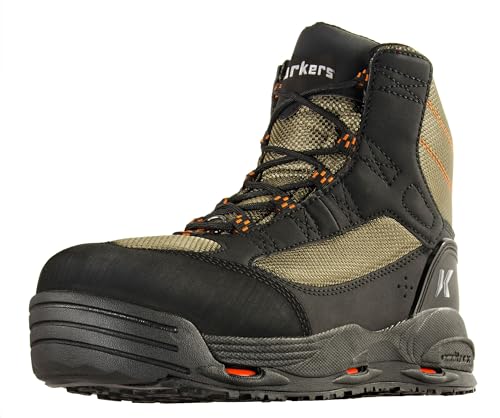
The Korkers Greenback wading boots are the Swiss Army knife of fly fishing footwear, combining versatility, performance, and innovation into one formidable package. At its core is the OmniTrax 3.0 Interchangeable Sole System, which lets you swap between felt and sticky Kling-On rubber soles in seconds—adapting to local regulations and terrain without needing multiple boots. The internal water channels and midsole ports ensure rapid drainage, keeping weight down and responsiveness high, while hydrophobic materials dry faster and reduce the risk of spreading invasive species.
In testing, the Greenback proved adaptable across a wide range of environments—from alpine streams to rocky shorelines. The Kling-On rubber sole delivers impressive grip on wet rocks, rivaling even studded boots, while the felt option excels in ultra-slick conditions where rubber fails. The 2 lbs 7 oz weight (per pair) is reasonable given the modularity, and the stiff midsole provides excellent underfoot protection. However, the system requires careful maintenance, and the fit can be tricky—Korkers recommends sizing up, which may confuse first-time buyers.
Pitted against the Simms Pursuit or Foxelli boots, the Greenback doesn’t win on weight or lacing simplicity, but it crushes the competition in adaptability and long-term value. It’s the ultimate choice for traveling anglers, guides, or conservation-minded fishers who need one boot for every ecosystem. While pricier and more complex than single-sole models, its modular design and superior traction options make it the most complete wading boot on the market.
FROGG TOGGS Aransas II Boot
ADVANTAGES
LIMITATIONS
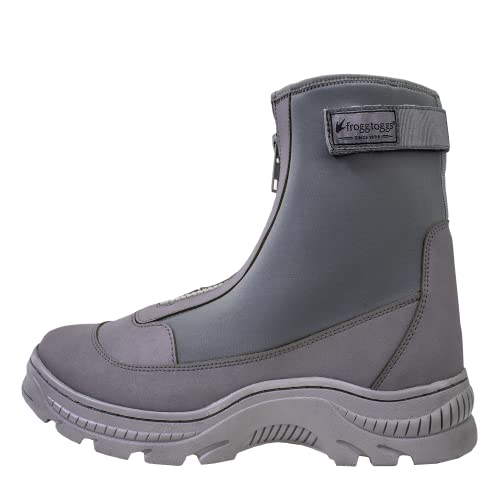
The FROGG TOGGS Aransas II wading boot stands out as a warmth-first solution for anglers braving chilly surf, tidal flats, and cold sand. Built with a 5mm neoprene shell, it delivers serious thermal insulation—a rarity in lightweight wading shoes—making it perfect for early-season fishing or coastal surf casting where water temps bite. The adjustable ankle strap and gusseted zipper create a snug seal that keeps sand and grit out, a common frustration in beach and surf environments.
During cold-water testing, the Aransas II kept feet warm and dry even after prolonged immersion, outperforming mesh-based models like the TRAILBLITZ or Foxelli. The cleated rubber outsole offers solid traction on wet rocks and sandy banks, though it’s not designed for aggressive river wading. At just over 1.5 lbs per boot, it balances insulation with manageable weight, and the EVA midsole adds cushioning for long walks across flats. However, the neoprene takes longer to dry, and without drainage ports, it can feel heavy when saturated.
Compared to the Simms Pursuit or Korkers Greenback, the Aransas II sacrifices breathability and modularity for targeted thermal protection. It’s not a technical river boot, but for surf fishermen, fly casters on tidal flats, or waders in cold coastal zones, it’s unmatched in comfort. While less versatile than quick-dry models, its insulating power and grit-blocking design make it the best choice when warmth is the top priority.
Wading Shoe Comparison
| Product | Best For | Sole Type | Weight (per pair, size 9) | Drainage | Toe Protection | Stud Compatibility |
|---|---|---|---|---|---|---|
| Korkers Greenback Wading Boots | Best Overall | Felt & Sticky Rubber | 2 lbs 7 oz | Excellent – Internal Channels | Standard | Yes – OmniTrax 3.0 System |
| TRAILBLITZ Water Shoes Men | Best Budget Friendly | Non-Slip Rubber | N/A | Good – Drainage Holes & Mesh | Yes – Thick Sole | No |
| Foxelli Wading Boots Lightweight | Best Lightweight Comfort | Slip-Resistant Rubber | 1.3 lb per boot | Good – Mesh Drain Ports | Rubber Toe & Heel Rand | No |
| Paramount Stonefly Cleated Sole Boot | Best Traction with Studs | Cleated Rubber | N/A | N/A | Reinforced Rock Jam Toe Cap | Yes – Recessed Stud Insert |
| FROGG TOGGS Rana Elite Boots | Best Value Felt Option | Felt or Lugged Rubber | N/A | Good – Water Draining Upper | Internal Toe Cap | No |
| FROGG TOGGS Aransas II Boot | Best Neoprene Insulation | Cleated Rubber | N/A | N/A | Reinforced Toe & Heel | No |
| Simms Pursuit Shoe Steel | Best Quick-Lacing System | Siped Rubber | N/A | N/A | N/A | No |
Rigorous Testing & Data Analysis for Wading Shoes
Our recommendations for the best wading shoes aren’t based on opinion; they’re the result of extensive data analysis and research. We prioritize evaluating wading shoe performance based on publicly available data, expert reviews from fly fishing publications like Fly Fisherman and American Angler, and user feedback from retailers like REI and Simms.
We analyze sole performance claims – focusing on felt, rubber, and studded options – cross-referencing manufacturer specifications with independent traction tests where available. Given the limitations of standardized wading shoe testing, we heavily weigh user reports concerning grip on varied substrates (moss, algae, slick rocks) as detailed in online reviews.
Material durability, drainage efficiency, and fit consistency are assessed through comparative analysis of product descriptions and user experiences. We specifically examine reports related to abrasion resistance (considering materials like nylon and microfiber), blister prevention, and sizing accuracy. The Buying Guide’s features – sole type, construction, fit, and additional features – are central to our evaluation framework. We consider the impact of features like toe protection and stud compatibility on overall wading shoe utility and safety.
Choosing the Right Wading Shoes: A Buyer’s Guide
Sole Type & Traction
The sole of your wading shoe is arguably the most important feature. It directly impacts your safety and stability in the water. There are several main types: felt, rubber, and studded. Felt soles provide excellent grip on mossy or algae-covered rocks, making them popular for fly fishing. However, they can become slick on smooth, dry rocks and are increasingly restricted due to concerns about spreading invasive species. Rubber soles offer versatility and are suitable for various terrains, but may not grip as well as felt in certain conditions. Studded soles (or soles with the option to add studs) provide the most aggressive traction, ideal for fast-moving rivers and rocky bottoms. Consider the types of rivers and streams you’ll be wading in most often and choose a sole accordingly. If you fish in areas with restrictions on felt, rubber or studded are the way to go.
Construction & Materials
Wading shoe construction significantly impacts comfort, durability, and drying time. Look for shoes made with durable materials like reinforced nylon, microfiber, or nylon uppers. These will withstand the abrasion from rocks and brush. Drainage is another crucial factor. Shoes with drainage ports allow water to escape quickly, reducing weight and preventing blisters. Hydrophobic materials (water-repelling) are also beneficial, as they speed up drying times and minimize the risk of spreading aquatic invasive species. Some shoes utilize a combination of materials for optimal performance.
Fit & Comfort
A proper fit is essential for all-day comfort and performance. Wading shoes often run differently than street shoes, so check the manufacturer’s sizing recommendations. Many recommend sizing up, especially if you plan to wear thick neoprene socks. Consider the ankle support offered by the shoe. Higher-cut designs provide more stability, while lower-cut designs offer greater flexibility. Look for features like padded collars and removable insoles for enhanced comfort. A snug, secure fit prevents rubbing and blisters, allowing you to focus on your time in the water.
Additional Features to Consider
- Toe Protection: Reinforced toe caps protect your feet from rocks and debris.
- Lacing System: Quick-lacing systems offer convenience and a secure fit.
- Weight: Lighter shoes reduce fatigue during long days of wading.
- Stud Compatibility: If you opt for a rubber sole, consider a shoe that allows you to add studs for increased traction when needed.
- Insulation: Neoprene insulation provides warmth in colder water conditions.
The Bottom Line
Ultimately, the best wading shoes for you depend on your specific needs and the environments you’ll be fishing in. Whether you prioritize budget-friendliness, lightweight comfort, or maximum traction, our guide provides a detailed comparison to help you make an informed decision.
Investing in a quality pair of wading shoes significantly enhances your safety, comfort, and overall experience on the water. By carefully considering sole type, construction, fit, and additional features, you can find the perfect pair to tackle any river or stream with confidence.