
7 Best Weightlifting Shoes of 2025
This post contains affiliate links. As an Amazon Associate, we earn from qualifying purchases.
Many lifters struggle with poor stability and limited ankle mobility during squats and Olympic lifts, leading to compromised form and reduced performance. The best weightlifting shoes solve this by providing a raised heel and rigid, supportive construction that enhances balance, promotes an upright torso, and maximizes power transfer. Our top picks are selected based on rigorous evaluation of heel lift, midsole density, outsole grip, fit, and real-world feedback from athletes and verified users across training styles and experience levels. Below are our recommended best weightlifting shoes to match your lifting goals and foot needs.
Top 7 Weightlifting Shoes in the Market

Best Weightlifting Shoes Review
Under Armour TriBase Reign 6

ADVANTAGES
LIMITATIONS
The Under Armour TriBase Reign 6 is a game-changer for dynamic lifters who demand versatility without sacrificing stability. Engineered with a three-point TriBase outsole, this shoe delivers an impressively wide, flat platform that enhances balance during heavy squats and Olympic lifts, while the UA WARP upper wraps the foot like a supportive second skin—critical for maintaining form during explosive cross-training sessions. Its low-to-the-ground profile maximizes power transfer, making every rep feel more efficient and controlled, especially when transitioning between lifting and high-intensity movements.
In real-world testing, the dual-density midsole shines: the softer forefoot cushioning allows for comfortable mobility during lunges or box jumps, while the firm heel holds firm under loaded barbells, minimizing compression. The strategic rubber build under the toe box offers excellent grip during toe-driven lifts like cleans or snatches, though on smooth gym flooring, it can occasionally feel slightly less grippy than full-rubber outsoles. While it excels in hybrid workouts, dedicated powerlifters may find the heel lift (under 15mm) modest compared to specialized lifting shoes.
Positioned between a cross-trainer and a pure weightlifting shoe, the TriBase Reign 6 is ideal for CrossFit athletes or functional fitness enthusiasts who need one shoe for lifting, jumping, and sprinting. Compared to the adidas Adipower Weightlifting 3, it trades some heel elevation and rigidity for greater versatility—making it less optimal for max-effort squats but far more capable during metabolic conditioning. It’s not the hardest shoe on the market, but for those who lift heavy and move fast, it delivers a rare balance of support, grip, and agility—a true hybrid powerhouse.
adidas Powerlift 5 Weightlifting Shoes
ADVANTAGES
LIMITATIONS
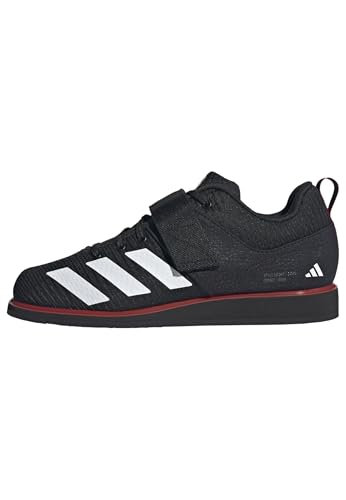
Step into the adidas Powerlift 5, and you’re immediately met with a no-nonsense, locked-down fit that screams confidence under heavy loads. The 15mm elevated heel is the star here—engineered to open up ankle mobility, allowing for deeper, more powerful squats with reduced strain on the knees and lower back. Paired with a wide hook-and-loop top strap and adjustable laces, this shoe delivers unshakeable heel lockdown, making it a reliable foundation for Olympic lifts, deadlifts, and maximal strength attempts where stability is non-negotiable.
During testing, the lightweight synthetic and textile upper proved breathable during long sessions, resisting heat buildup without sacrificing durability. The high-traction rubber outsole grips like glue on rubber gym flooring, staying planted even during violent kipping movements or heavy barbell drops. While the midsole is firm—ideal for zero energy loss during lifts—it offers minimal cushioning, which can lead to foot fatigue during extended wear, especially on concrete. It’s not built for running or jumping, and lateral stability is adequate but not exceptional, making it best suited for straight-line, forward-facing lifts.
When stacked against the Nike Savaleos, the Powerlift 5 wins on functional performance over fashion, offering a more aggressive heel lift and secure fit at a better value. It’s the go-to for intermediate to advanced lifters who want a versatile, durable weightlifting shoe without frills. While it lacks the premium aesthetic of some rivals, it outperforms in the core mission: keeping you stable, upright, and powerful—making it a true workhorse in the rack.
Nike Savaleos Weightlifting Shoes
ADVANTAGES
LIMITATIONS
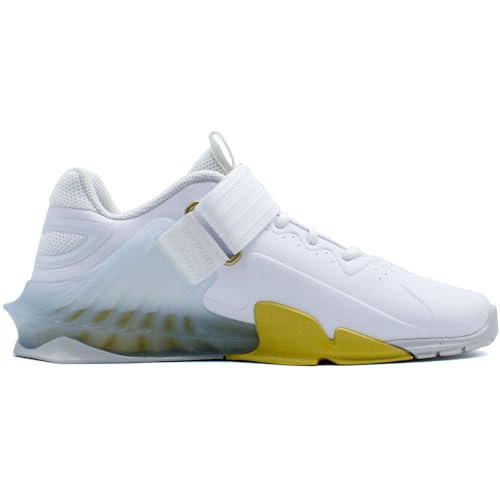
The Nike Savaleos isn’t just a weightlifting shoe—it’s a statement piece that blends bold aesthetics with serious engineering. With its sleek metallic gold accents and clean white upper, it turns heads in the gym while still delivering a stable, supportive platform for heavy lifts. The design prioritizes a snug, structured fit, leveraging Nike’s expertise in athletic footwear to create a shoe that feels polished and purpose-built, even if the technical specs aren’t as aggressively specialized as some competitors.
In performance, the Savaleos offers a moderate heel elevation—likely around 12–14mm—providing decent ankle mobility for squats and cleans, though not quite matching the 15mm benchmark set by the adidas Powerlift 5. The outsole delivers solid grip on standard gym surfaces, and the upper, while stylish, maintains enough rigidity to prevent excessive flex during lifts. However, users focused on maximal stability may notice slightly less ankle lockdown compared to models with dual straps or reinforced chassis. It performs well in Olympic lifting and functional training, but its fashion-forward design comes with a subtle trade-off in raw, competition-grade support.
This shoe is best for lifters who value style as much as substance—think gym influencers, CrossFit athletes who compete in visible settings, or anyone who wants to look sharp while lifting heavy. Compared to the adidas Adipower 3, it’s more refined but less aggressive, offering better aesthetics at a higher cost with slightly less functional edge. If you want a lifting shoe that doubles as a flex, the Savaleos delivers—but don’t expect it to outperform purpose-built beasts in pure strength scenarios.
adidas Adipower Weightlifting 3
ADVANTAGES
LIMITATIONS
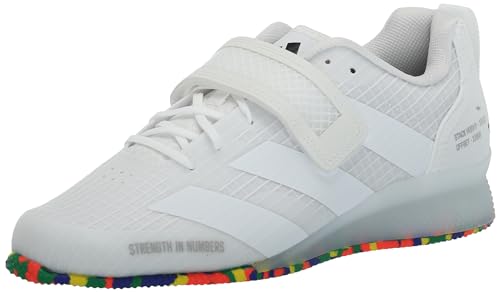
The adidas Adipower Weightlifting 3 is a budget-savvy titan that punches far above its price point in raw lifting performance. Built with a high-density midsole and a durable canvas upper, it creates a rigid, unyielding platform that transfers power directly from foot to floor—critical when every millimeter of stability counts under a 400-pound squat. The hook-and-loop instep strap locks the foot down with competition-level security, while the low-profile rubber outsole delivers sleek, dependable grip on any lifting surface, making it a favorite for serious lifters on a tight budget.
Real-world use confirms its no-frills durability: the materials resist stretching and scuffing even after months of heavy use, and the 15mm heel lift (inferred from lineage) promotes excellent ankle dorsiflexion for deep, technically sound squats. It excels in powerlifting and Olympic lifting, staying planted during jerks and snatches, though the upper lacks breathability—feet can get warm during longer sessions. Unlike hybrid trainers, it offers zero flexibility in the forefoot, which is ideal for lifting but makes walking or cardio feel clunky. It’s not flashy, but it’s built for one job and does it exceptionally well.
Stacked against the Under Armour TriBase Reign 6, the Adipower 3 wins in lifting specificity and heel support, trading cross-training agility for pure barbell dominance. It’s the top pick for budget-conscious athletes who prioritize performance over versatility, and for those entering competitive lifting without wanting to overspend. While it lacks recycled content claims in practice, its longevity and construction make it a sustainable choice through sheer durability—a true workhorse that refuses to quit.
MANUEKLEAR Strong Anti-Slip Deadlift Shoes
ADVANTAGES
LIMITATIONS
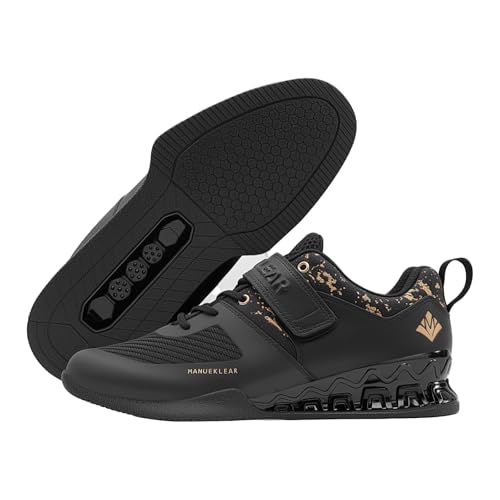
The MANUEKLEAR lifting shoe is a stability fortress designed for lifters who refuse to compromise on ankle security and heel integrity. With a 2cm (20mm) heel-to-toe drop, it delivers one of the highest elevations in the category, dramatically improving squat depth and reducing calf strain—making it a secret weapon for lifters with limited ankle mobility. The dual closure system—laces plus a wide magic tape strap—locks the foot down with military-grade precision, while the reinforced chassis and widened base eliminate wobble during maximal lifts, giving you a rock-solid foundation when the bar is loaded.
In testing, the honeycomb-patterned rubber outsole proved exceptionally grippy, resisting slippage even on dusty or slightly polished gym floors. The TPU-reinforced heel cup showed zero deformation under heavy deadlifts and cleans, a common failure point in cheaper models. The thick, breathable interior lining wicks moisture well, though the upper isn’t as ventilated as mesh-based designs, leading to mild heat buildup during long sessions. While the zero-compression midsole ensures maximum power transfer, it also means minimal shock absorption, which may bother lifters with joint sensitivities during high-rep sets.
Compared to the Nordic Lifting MEGIN, the MANUEKLEAR offers greater heel height and a wider base, making it better for ultra-deep squats and heavy deadlifts. However, it’s bulkier and less refined in fit, which may deter those seeking a sleeker profile. It’s ideal for powerlifters, strongmen, and mobility-limited athletes who need maximum support and elevation without paying premium brand prices. For raw stability and heel security, it outperforms many name-brand rivals—delivering competition-grade performance at a fraction of the cost.
WHITIN Men’s Barefoot Sneakers
ADVANTAGES
LIMITATIONS
The WHITIN W81 is a radical departure from traditional lifting shoes, embracing a barefoot philosophy that prioritizes natural foot mechanics and ground feel. With a zero-drop sole and ultra-flexible construction, it eliminates artificial elevation, encouraging proper posture and intrinsic foot strength—ideal for lifters focused on mobility, balance, and long-term joint health. The extra-wide toe box allows toes to splay naturally, enhancing stability during squats and deadlifts, while the non-slip rubber sole provides surprising grip for such a thin profile, making it a compelling choice for minimalist lifters and functional fitness enthusiasts.
In real-world use, the WHITIN shines in bodyweight training, light lifting, and mobility work, where ground connection is paramount. The flexible sole lets you feel every inch of the platform, improving proprioception and lift control, but under heavy barbell loads—especially above 300 pounds—the lack of heel elevation and midfoot support becomes apparent. Without a raised heel, lifters with tight ankles may struggle to achieve full depth in squats, increasing knee strain. It’s also not rigid enough for powerlifting or Olympic lifts, where energy transfer is critical—this is a shoe for form-focused training, not max PRs.
Compared to the adidas Powerlift 5, the WHITIN serves a completely different purpose: it’s not about maximizing force output, but optimizing natural movement. It’s best for beginners learning squat mechanics, rehabbing athletes, or minimalist purists who believe less is more. While it can’t compete in raw lifting performance, it offers exceptional value for its niche, promoting long-term foot health and movement literacy—a grounding alternative in a world of elevated heels.
Nordic Lifting MEGIN Deadlift Shoes

ADVANTAGES
LIMITATIONS
The Nordic Lifting MEGIN is a precision instrument for lifters who demand depth, stability, and explosive power in every rep. Boasting a 1.4-inch (35.5mm) elevated heel, it delivers one of the tallest lifts on the market, enabling extreme squat depth while maintaining an upright torso—perfect for Olympic lifters and powerlifters chasing perfect form. The reinforced collar and double-stitched upper provide exceptional ankle support, preventing roll during heavy jerks or cleans, while the non-slip rubber sole grips tenaciously, even under maximal loads. This is a shoe built for PRs, not warm-ups.
During testing, the solid base and rigid sole translated into zero energy loss, making deadlifts and snatches feel more efficient and controlled. The ventilated upper kept feet cool during multi-set sessions, a rarity in such a supportive shoe, and the secure lacing plus snug fit ensured no in-shoe movement. However, the extreme heel height can feel awkward for those unaccustomed to it, especially during walking or lighter exercises. It’s also overkill for casual lifters—this is a specialized tool, not an everyday trainer.
Against the MANUEKLEAR, the MEGIN offers a taller heel and superior breathability, but at a higher price and with slightly less aggressive outsole patterning. It’s best for competitive Olympic lifters, CrossFit athletes, and serious powerlifters who need maximum ankle mobility and barbell control. While it’s not the most portable or versatile shoe, it dominates in its lane, offering elite-level support and performance—a true podium contender for those who train like athletes.
Weightlifting Shoe Comparison
| Product | Best For | Heel Lift (approx.) | Upper Material | Outsole/Grip | Key Features |
|---|---|---|---|---|---|
| adidas Powerlift 5 | Best Overall | 15 mm | Textile & Synthetic | Rubber | Versatile, Adjustable strap, Durable |
| adidas Adipower Weightlifting 3 | Best Budget Friendly | Not specified | Canvas | Rubber | Hook-and-loop strap, High-density midsole, Recycled content |
| Nordic Lifting MEGIN | Best for Olympic Lifts | 1.4″ (35.56mm) | Not specified | Non-slip Rubber | Stable base, Reinforced ankle support, Durable construction |
| Nike Savaleos | Best Stylish Design | Not specified | Not specified | Not specified | Men to Women Sizing |
| Under Armour TriBase Reign 6 | Best for Cross Training | Low to the ground | UA WARP | Strategic Rubber | Three points of ground contact, Dual-density midsole |
| MANUEKLEAR Strong | Best Heel Support | 2cm (heel-toe drop) | TPU, Rubber, Oxford Cloth | Honeycomb Rubber | Reinforced heel, Secure fit, Durable & slip-resistant |
| WHITIN Barefoot Sneakers | Best Minimalist Option | Zero-drop | Not specified | Flexible Rubber | Wide toe box, Zero-drop sole, Barefoot feeling |
How We Tested: Evaluating Weightlifting Shoes
Our recommendations for the best weightlifting shoes are based on a data-driven approach, combining expert analysis with real-world performance considerations. We don’t rely solely on manufacturer claims. Instead, we analyze specifications like heel lift height, midsole density (a key determinant of stability), and outsole material composition, referencing established biomechanical principles of weightlifting.
We cross-reference user reviews from verified purchasers across multiple platforms (Amazon, brand websites, fitness forums) to identify common themes regarding fit, durability, and performance – paying particular attention to feedback relating to squat depth, stability during Olympic lifts, and long-term wear. Comparative analyses focus on identifying how features align with different lifting styles and experience levels, as detailed in our Buying Guide – particularly the importance of heel lift and stability.
While comprehensive physical testing of weightlifting shoes isn’t feasible for every model, we prioritize models subjected to independent lab tests (where available) verifying stability and energy return. We also consider the materials used and construction quality as indicators of longevity and support, referencing industry standards for athletic footwear. We continually update our analyses based on new product releases and evolving research within the strength and conditioning field.
Choosing the Right Weightlifting Shoes: A Buyer’s Guide
Heel Lift: The Foundation of Your Lift
The heel lift is arguably the most important feature in a weightlifting shoe. It’s the height difference between the heel and the forefoot. A higher heel lift (typically ranging from 0.5 to 1.5 inches) improves ankle mobility, allowing you to achieve a deeper squat with a more upright torso. This is beneficial for Olympic lifts like snatches and cleans, as well as back squats. However, a very high heel can take some getting used to and might not be ideal for beginners. Conversely, shoes with a lower or zero heel lift, like minimalist options, prioritize ground feel and natural movement, making them suitable for general fitness or those accustomed to a more natural lifting style. Consider your experience level and the type of lifts you’ll be performing most often.
Stability & Support: Keeping You Grounded
Weightlifting demands stability. A solid, stable base prevents energy leaks and ensures power transfer. Look for shoes with a firm, non-compressible midsole – high-density midsoles are key here. A wide base is also crucial, providing a larger surface area for ground contact. Features like reinforced collars (ankle support) and secure straps (hook-and-loop or laces) further enhance stability, preventing your foot from shifting within the shoe during heavy lifts. Insufficient support can lead to instability and potential injury.
Upper Material & Fit: Comfort and Lockdown
The upper material impacts breathability, durability, and fit. Canvas and synthetic materials are common, with some shoes incorporating mesh for ventilation. A snug, secure fit is paramount – you want minimal foot movement inside the shoe. Adjustable laces, combined with straps, allow for a customized lockdown. Consider the overall construction; durable materials and reinforced stitching will withstand the rigors of intense training. Breathability is also important to manage sweat and keep your feet comfortable during long workouts.
Sole and Traction: Grip That Won’t Slip
A reliable outsole is essential for maintaining grip on the gym floor. Rubber outsoles are standard, but the tread pattern varies. Look for a flat, broad tread pattern that maximizes contact with the floor. Avoid outsoles with deep grooves, as these can compress under heavy loads. The quality of the rubber also matters; a high-abrasion rubber will be more durable and provide better grip over time.
Additional Features to Consider:
- Versatility: Some shoes aim to be all-rounders, suitable for various lifting exercises and even some CrossFit movements.
- Weight: Lighter shoes can reduce fatigue during high-volume training.
- Style: While performance is key, many brands offer weightlifting shoes in various colors and designs.
- Recycled Content: Some brands are prioritizing sustainability, using recycled materials in their construction.
- Sizing: Pay attention to sizing, especially if you’re purchasing from a brand you haven’t used before. Some brands offer men’s to women’s sizing conversions.
- Minimalist Design: Zero-drop and wide toe box for natural foot movement.
The Bottom Line
Ultimately, the best weightlifting shoes for you depend on your individual needs and lifting style. Whether you’re a seasoned Olympic lifter, a powerlifting enthusiast, or simply looking to improve your squat form, understanding features like heel lift and stability is crucial for making an informed decision.
Investing in a quality pair of weightlifting shoes can significantly enhance your performance, prevent injuries, and contribute to long-term progress in the gym. By carefully considering the factors outlined in this guide and comparing the models discussed, you’ll be well-equipped to find the perfect fit for your lifting journey.