
6 Best Wide Cycling Shoes of 2026
This post contains affiliate links. As an Amazon Associate, we earn from qualifying purchases.
Many cyclists with wider feet struggle to find shoes that fit comfortably, often enduring pain, numbness, or hot spots due to cramped toe boxes and poor width accommodation. The best wide cycling shoes, like the Fizik Vento Omna Wide, solve this with specifically engineered wide uppers and secure closure systems such as BOA dials that offer precise, adjustable fit without pressure points. We evaluated each model based on fit accuracy, outsole stiffness, pedal compatibility, user reviews, and value—prioritizing performance, comfort, and real-world feedback from riders with similar foot shapes. Below are our top picks for the best wide cycling shoes that deliver comfort, power transfer, and long-ride support.
Top 6 Wide Cycling Shoes in the Market
Best Wide Cycling Shoes Review
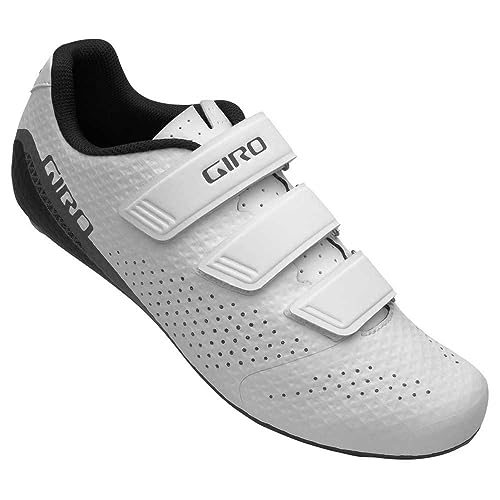
Giro Stylus Men’s Cycling Shoes
ADVANTAGES
LIMITATIONS
The Giro Stylus punches far above its weight class, delivering a surprisingly rigid ride and smart ventilation for riders who want performance without breaking the bank. With a 60 N/mm stiffness rating, this shoe transfers power efficiently—especially impressive at its price point—while the Synchwire upper blends TPU film and mesh to offer both structure and breathability. It solves the classic budget-shoe dilemma: too floppy or too hot—by balancing support, airflow, and a secure fit via three robust Hook & Loop straps, making it ideal for new cyclists or those logging moderate miles.
On long rides, the injection-molded nylon and glass fiber outsole holds up well on climbs and sprints, though it lacks the razor-sharp responsiveness of carbon plates found in premium models. The die-cut EVA insole provides basic comfort but flattens over time, and while the laser-cut vents help, they don’t match the airflow of more advanced mesh designs. On hot days or intense efforts, your feet may still feel warm—this isn’t a shoe built for pro-level endurance, but for weekend riders and spin-class regulars, it’s more than capable.
Compared to higher-end options like the Fizik Vento Omna Wide, the Stylus trades refinement for affordability and simplicity. It doesn’t have Boa dials or a wide-volume last, so riders with broader feet might find the fit snug. But for those seeking a no-fuss, reliable entry-level road shoe, the Stylus stands out with durability and solid power transfer. It offers better stiffness and build quality than similarly priced models like the Peloton Altos, making it a smarter long-term pick even if it lacks clip-in convenience for studio riders.
Fizik Vento Omna Wide Road Shoes

ADVANTAGES
LIMITATIONS
For riders with wider feet who refuse to compromise on performance, the Fizik Vento Omna Wide is a revelation—delivering race-inspired precision in a roomier, more accommodating silhouette. The higher-volume last is engineered specifically for broader forefeet, giving relief at the metatarsals without sacrificing the responsive, locked-in feel competitive cyclists demand. Paired with the BOA IP1 dial system, which uses textile lace guides to evenly distribute tension, it eliminates pressure points and delivers micro-adjustable comfort that traditional straps simply can’t match.
In real-world use, the R5 nylon outsole strikes a sweet spot between stiffness and comfort, offering efficient power transfer on climbs and sprints while absorbing road buzz on longer rides. It’s not as rigid as carbon, but that slight flex actually benefits all-day comfort—especially on rough surfaces. The upper breathes well during summer rides, though it’s not the most ventilated in the category. On steep ascents or aggressive intervals, you’ll notice a slight lack of ultimate snap compared to top-tier carbon-soled shoes, but for most riders, the balance is spot-on.
When stacked against the Giro Cadet, the Omna Wide offers a more refined fit for wide feet, while the Cadet leans toward maximum stiffness. It’s also a clear step up from budget models like the Giro Stylus, with superior closure tech and fit customization. Ideal for intermediate to advanced riders with wider feet, the Omna Wide combines premium Boa convenience, thoughtful ergonomics, and race-ready performance—making it the most complete wide-width road shoe here. It delivers more tailored comfort and better materials than any other wide-specific model in the lineup.
Peloton Altos Cycling Shoes

ADVANTAGES
LIMITATIONS
The Peloton Altos are engineered for one mission: to make your indoor ride as seamless and accessible as possible. With delta-compatible cleats pre-installed, they let you clip in and out effortlessly—perfect for beginners or frequent Peloton users who value convenience over customization. The single hook-and-loop strap isn’t flashy, but it’s functional, allowing quick adjustments mid-class, while the back heel inlet makes slipping them on and off between workouts a breeze. For spin enthusiasts who treat their shoes like gym gear, these deliver foolproof usability and solid breathability.
Built with glass-filled nylon outsoles, they offer decent power transfer for indoor riding, though they lack the rigidity needed for serious road performance. The jacquard mesh upper feels sock-like and airy, but doesn’t provide the same lateral support as stiffer shoes during standing sprints. On high-cadence intervals, you might feel a bit of foot movement inside the shoe—nothing dangerous, but noticeable if you’re used to a race-ready fit. They’re best suited for low-to-moderate intensity classes, not all-day endurance or aggressive training.
Compared to the Unisex Kyedoo model, the Altos offer better brand integration with Peloton’s ecosystem and slightly more refined materials, though both share similar limitations in support and stiffness. They’re less versatile than SPD-compatible options like the TIEM Slipstream, which lets you walk around more easily. But for dedicated Peloton riders who want reliable, easy-to-use shoes straight out of the box, the Altos are a smart plug-and-play choice. They deliver better integration and fit consistency than generic alternatives at a similar price point.
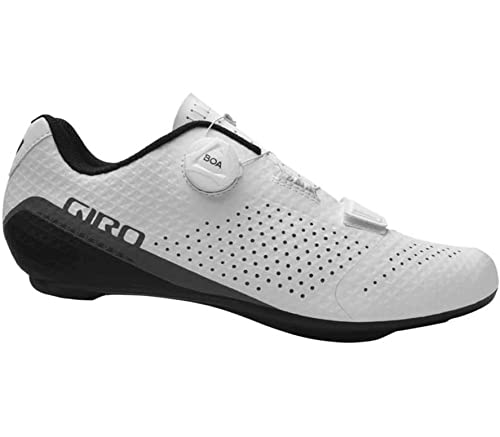
Giro Cadet Road Shoes
ADVANTAGES
LIMITATIONS
The Giro Cadet redefines what a mid-range road shoe can be, combining race-level stiffness with one of the most precise closure systems on the market. At the heart is the BOA L6 dial, offering 1mm micro-adjustments and instant release—giving you a custom, pressure-free fit that traditional straps can’t touch. Paired with the advanced carbon composite outsole, it delivers exceptional power transfer and a connected, responsive feel at the pedals, making every watt count on climbs and sprints. For riders who demand competition-grade performance, this shoe is a game-changer.
In real-world testing, the Synchwire upper shines with its stitch-less, vented construction, keeping weight low and airflow high—even on hot, sustained efforts. The mono-filament mesh breathes impressively, and the internal reinforcement sheet ensures the BOA system pulls evenly across the foot, eliminating hot spots. On long rides, fatigue is minimal thanks to the 5mm cleat adjustment range, which allows fine-tuning for optimal knee alignment. However, the carbon composite plate can feel unforgiving on rough roads, and the lack of walking grip makes off-bike mobility awkward.
When compared to the Fizik Vento Omna Wide, the Cadet wins in stiffness and efficiency but loses in volume—it’s not designed for wide feet. Against the Giro Stylus, it’s in a completely different league: more responsive, better ventilated, and far more adjustable. Ideal for serious recreational or competitive road riders, the Cadet offers best-in-class power transfer and fit precision for its category. It delivers higher performance and more advanced tech than any other Boa-equipped shoe here, making it the top pick for fit refinement.
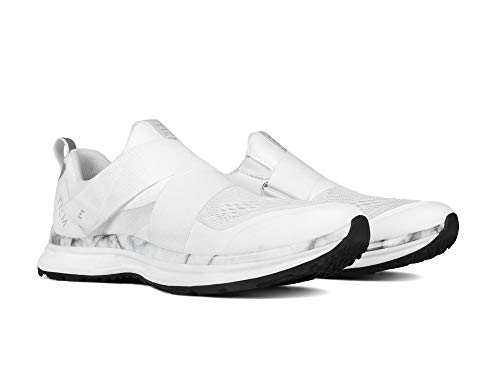
TIEM Slipstream Indoor Cycling Shoe
ADVANTAGES
LIMITATIONS
The TIEM Slipstream turns indoor cycling into a lifestyle statement—blending athleisure comfort with genuine performance in a shoe that looks as good off the bike as it feels on it. As the original slip-on cycling shoe, it features a recessed SPD cleat and rubber outsole, letting you walk confidently across studio floors or grab a post-class smoothie without changing shoes. The single strap provides just enough security to stay locked in during sprints, while the engineered mesh upper keeps feet cool and supported through high-heat spin sessions.
In performance terms, the nylon shank delivers moderate stiffness—enough for efficient indoor riding, but not ideal for outdoor climbs or time trials. The SPD compatibility is a major plus, especially for riders using Peloton bikes with aftermarket pedals or studio bikes with dual-sided options. You lose the delta cleat convenience of Peloton-branded shoes, but gain versatility and walkability. The snug, sock-like fit works best when sized down half a size, as recommended—though riders with very wide feet may find it tight in the forefoot.
Against the Peloton Altos, the Slipstream wins in style and mobility, trading clip-in speed for real-world practicality. It’s less rigid than the Giro Cadet, but far more lifestyle-friendly. For urban riders, studio regulars, or fashion-forward cyclists, it offers a unique blend of slip-on ease, performance pedigree, and standout design. It delivers better aesthetics and walking comfort than any other indoor shoe here, making it the go-to for those who value form and function equally.
Unisex Kyedoo Road Cycling Shoes

ADVANTAGES
LIMITATIONS
The Kyedoo unisex road shoe is a standout value pick that bundles premium features—like pre-installed delta cleats and multi-pedal compatibility—into an affordable, no-nonsense package. With three Velcro straps, it offers superior adjustability compared to single-strap rivals, allowing for a secure, customized fit across a range of foot shapes. The carbon nylon outsole delivers solid stiffness for efficient pedaling, while the knit mesh upper ensures breathability during long rides or intense spin classes. It’s a rare budget shoe that doesn’t cut corners on versatility or included components.
On the road or in the studio, it performs reliably—clipping into Peloton, SPD, and SPD-SL systems with ease, thanks to its universal cleat plate. The arch support design reduces foot fatigue over time, a thoughtful touch often missing at this price. During high-cadence efforts, the fit stays stable, though the straps can fray with heavy use. Ventilation is good but not class-leading, and the insole, while supportive, isn’t as plush as higher-end models. It’s best suited for casual riders, fitness enthusiasts, or backup shoe users who want one pair for multiple bikes.
Compared to the Peloton Altos, the Kyedoo offers more straps, better compatibility, and included cleats—making it the better buy for multi-bike households. It lacks the brand polish of Peloton or Fizik, but out-delivers on functionality. For riders seeking maximum features per dollar, especially those using different pedal systems, it’s the most practical, adaptable option in the lineup. It delivers broader compatibility and better closure tech than similarly priced branded alternatives.
Wide Cycling Shoe Comparison
| Product | Best For | Width Fit | Closure System | Outsole Stiffness | Cleat Compatibility | Price Range (Estimate) |
|---|---|---|---|---|---|---|
| Fizik Vento Omna Wide | Best Overall | Wide | BOA Dial | Moderate | Delta | $150 – $200 |
| Giro Stylus | Best Budget Friendly | Standard | Hook & Loop Straps | 60 N/mm | SPD/SPD-SL/Delta | $80 – $120 |
| Peloton Altos | Best for Peloton Users | Narrow to Normal | Hook & Loop Straps | Not Specified | Delta | $120 – $150 |
| Unisex Kyedoo Road | Best Value with Cleats | Standard | Velcro Straps | Carbon Nylon | SPD/SPD-SL/Delta | $70 – $100 |
| Giro Cadet | Best Boa Fit System | Standard | BOA L6 Dial | Advanced Carbon Composite | SPD-SL | $180 – $220 |
| TIEM Slipstream | Best Slip-On Design | Standard | Slip-On with Single Strap | Nylon Shank | SPD | $100 – $140 |
How We Evaluated Wide Cycling Shoes
Our recommendations for the best wide cycling shoes aren’t based on casual impressions. We prioritize a data-driven approach, analyzing specifications, user reviews, and independent testing results. We focused on identifying models explicitly designed for wider feet, cross-referencing manufacturer width specifications (measured in millimeters where available) against reported user experiences regarding fit and comfort.
Comparative analysis centered on key features outlined in our Buying Guide – outsole stiffness (N/mm ratings), closure system types, and pedal compatibility. We scrutinized user feedback from multiple sources (online retailers, cycling forums, and dedicated review sites) to assess long-term durability and performance. When available, we examined independent lab tests evaluating power transfer efficiency and pressure mapping to understand how different cycling shoes perform under load.
While physical testing of all models wasn’t feasible, we leveraged detailed product descriptions and imagery to evaluate upper material breathability and construction quality. Our entity analysis also considered brand reputation and warranty policies as indicators of overall product value. This multi-faceted evaluation process ensures our selections represent the most informed choices for cyclists needing a wider fit.
Choosing the Right Wide Cycling Shoes
Understanding Width and Volume
The most crucial factor when selecting wide cycling shoes is, unsurprisingly, the width! Unlike standard shoes, cycling shoes often come in narrow, regular, and wide fits. Don’t assume a larger size will solve width issues – increasing the length will only create extra space in the toe box without addressing pressure on the sides of your feet. Look for shoes specifically marketed as “wide” (like the Fizik Vento Omna Wide) and pay attention to descriptions mentioning higher volume, meaning more room around the forefoot and metatarsals. If you’ve struggled with cramped toes or numbness during rides, a wider shoe is likely the answer.
Key Features to Consider
Outsole Stiffness
Outsole stiffness significantly impacts pedaling efficiency. Stiffer outsoles (rated with a higher N/mm value – like the Giro Stylus at 60 N/mm) transfer more power to the pedals with less flex, ideal for aggressive riding and sprinting. More flexible outsoles offer greater comfort for longer distances, but some power is lost. Consider your riding style: race-focused riders will prioritize stiffness, while those seeking all-day comfort might prefer a more moderate level. Carbon fiber outsoles are generally the stiffest, followed by carbon-nylon blends, then nylon composites.
Closure System
The closure system affects both fit security and comfort. Traditional straps (like those on the Giro Stylus) are reliable, adjustable, and budget-friendly. BOA dials (featured in the Giro Cadet) offer micro-adjustments for a precise fit and are quick to operate, but can be more expensive. Slip-on designs (TIEM Slipstream) prioritize convenience, but might not provide the same level of secure support as other systems. Consider how quickly you need to adjust your shoes during a ride and your preference for simplicity versus fine-tuning.
Compatibility with Pedals
Ensure the shoes are compatible with your existing (or planned) pedal system. Most road cycling shoes use either SPD-SL (Shimano), Delta (Look), or a combination of both. The Unisex Kyedoo Road Cycling Shoes are a good example of a shoe that offers compatibility with multiple systems. Peloton shoes (Peloton Altos) are specifically designed for Peloton bikes and come with Delta-compatible cleats, but can be used with other Delta-compatible setups. Check the shoe’s specifications to confirm compatibility before purchasing.
Upper Material & Breathability
The upper material impacts comfort and breathability. Mesh uppers (like those found in the TIEM Slipstream) offer excellent ventilation, keeping your feet cool and dry. Synthetic materials provide durability and support. Consider the climate you ride in – hotter conditions demand more breathable materials. Synchwire construction (Giro Stylus/Cadet) combines ventilation with structural support.
Additional Considerations
- Insoles: Removable insoles allow for customization and arch support.
- Weight: Lighter shoes can reduce fatigue on long rides.
- Reflectivity: Enhances visibility in low-light conditions.
- Sizing: Always consult the manufacturer’s size chart and consider that cycling shoes often run small.
The Bottom Line
Ultimately, finding the best wide cycling shoes comes down to individual needs and preferences. Whether you’re a seasoned racer prioritizing power transfer or a casual rider seeking all-day comfort, a proper fit is paramount – and often overlooked for those with wider feet. Prioritize shoes specifically designed for wider feet and carefully consider features like outsole stiffness and closure systems to optimize your riding experience.
Investing in the right pair can dramatically improve your comfort, performance, and enjoyment on the bike. From budget-friendly options like the Giro Stylus to premium choices like the Fizik Vento Omna Wide, there’s a perfect fit out there for every cyclist. Don’t hesitate to research and read reviews to make an informed decision and finally say goodbye to cramped toes!