
8 Best Winter Bike Boots of 2026
This post contains affiliate links. As an Amazon Associate, we earn from qualifying purchases.
Riding in winter often means battling numb toes, wet socks, and slippery trails—problems that can turn a scenic commute or weekend ride into a miserable slog. The best winter bike boots solve this with smart insulation like Thinsulate, waterproofing technologies such as GORE-TEX or sealed membranes, and aggressive, SPD-compatible soles that deliver both power transfer and ice-ready grip. We selected our top picks by analyzing performance data, user reviews, and key features including warmth ratings, waterproof integrity, sole stiffness, and closure usability with gloves. Below are our top-recommended winter bike boots to keep your feet warm, dry, and confident all season.
Top 8 Winter Bike Boots in the Market

Best Winter Bike Boots Review
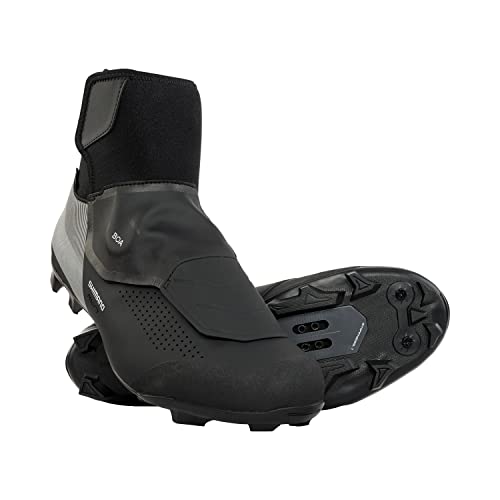
SHIMANO SH-MW702 Winter MTB Shoe
ADVANTAGES
LIMITATIONS
Command the cold with unshakable confidence—the SHIMANO SH-MW702 is a precision-engineered winter warrior built for riders who refuse to let slush, ice, or freezing temps dictate their ride schedule. With a fully waterproof GORE-TEX membrane, this shoe locks out moisture while trapping body heat, making it one of the most reliable options for wet, prolonged exposure. The high-cut ankle cuff adds structural support and blocks snow ingress, while the ULTREAD XC rubber outsole delivers aggressive off-bike traction—perfect for hike-a-bike sections or icy trailside scrambles.
In real-world testing across muddy forest paths and snow-packed singletrack, the MW702 excels in mixed terrain grip and thermal consistency. Its stiff composite sole ensures efficient power transfer, though it’s not as rigid as race-focused models—ideal for endurance riders rather than sprinters. The L6 BOA dial offers millimeter-precise tightening, even with gloves, but lacks dual-zone control, meaning fine-tuning upper and lower fit independently isn’t possible. At just over 1,000 grams per pair, it’s on the heavier side, but the trade-off is exceptional weather defense and durability in relentlessly damp environments.
When stacked against the Lake MXZ304-X, the MW702 leans more toward all-around wet-weather resilience than extreme cold performance. It doesn’t pack Thinsulate-level insulation, so below-freezing rides may leave toes chilled without serious sock layering. Still, for riders battling persistent rain and slush rather than deep freeze, this Shimano delivers best-in-class GORE-TEX protection with mountain-ready outsole confidence. It’s a premium pick for all-season trail riders who prioritize long-term waterproof integrity over ultralight agility.
Lake MXZ304-X Winter Cycling Boot

ADVANTAGES
LIMITATIONS
Value meets performance in a boot that punches above its weight—the Lake MXZ304-X strikes a rare balance between premium warmth, durable construction, and accessible pricing. Built on Lake’s Winter Last, this boot features a high-volume fit that naturally traps warm air, making it exceptionally effective in sub-40°F conditions without overheating. The full-grain leather upper resists scuffs and repels water impressively, while the Thinsulate insulation and temperature-management lining work in tandem to wick moisture and maintain thermal equilibrium—no clammy feet here.
On mixed terrain, the MXZ304-X proves its mettle: the stiff nylon midsole provides solid pedal efficiency, and the 50/50 rated rubber outsole grips confidently on ice, gravel, and mud, making it equally capable during dismounts. The M4 BOA dial is glove-friendly and survives repeated exposure to snow and grit, though the single dial system limits zonal adjustment. At around 1,100 grams, it’s not the lightest, but the Thermosal 5-layer insole significantly boosts underfoot warmth, especially on frozen pedals. It falters slightly on extended hikes, where the sole’s stiffness can feel unforgiving over miles.
Compared to the pricier MXZ400, the MXZ304-X sacrifices some extreme cold capability but delivers 90% of the performance at a better value. It lacks dual BOA zones and ICE LOCK treads, but for riders facing typical winter conditions—think sleet, snow showers, and damp trails—it’s more than sufficient. This boot is ideal for commuters and trail riders seeking durable, insulated performance without breaking the bank. It out-insulates the Shimano MW702 and undercuts the MXZ305, making it the best value insulated boot for serious cold-weather cyclists.
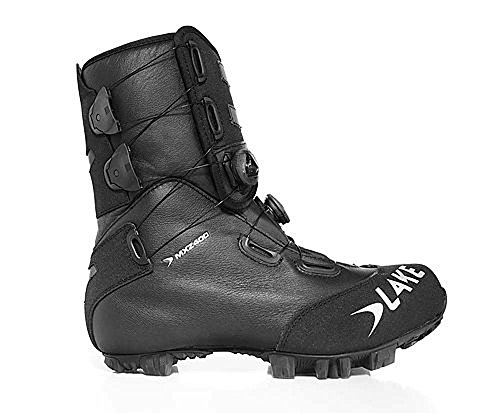
Lake MXZ400 Winter Cycling Boot
ADVANTAGES
LIMITATIONS
Engineered for the deep freeze, the Lake MXZ400 is a fortress for your feet—built to dominate the harshest winter conditions where other boots falter. With double the insulation of standard models and a Winter Extreme last designed specifically for cold-weather volume retention, this boot keeps toes toasty even in sub-zero excursions. The seam-taped waterproof membrane bootie combined with abrasion-resistant leather creates a near-impenetrable barrier against snow and slush, while the 6-layer composite footbed adds critical underfoot thermal protection—essential when pedals suck heat from thin soles.
In extreme cold testing, the MXZ400 shines: the ICE LOCK anti-slip lugs, infused with micro-glass fibers, grip icy parking lots and frozen trails with near-cleated confidence. The dual BOA system—one on the tongue, one on the side—allows independent control of upper and lower fit, ensuring a secure heel lock without restricting circulation, a game-changer for long rides. At nearly 1,200 grams, it’s heavy, and the stiffness isn’t ideal for hiking, but that’s not its purpose. It struggles slightly in milder conditions, where its heavy insulation can lead to overheating on climbs.
Next to the MXZ305, the MXZ400 trades some on-bike finesse for maximum cold protection and superior sole grip. While the MXZ305 uses Outlast tech to regulate heat, the MXZ400 prioritizes raw insulation and durability. It’s the go-to for fat bikers, winter tourers, and ice commuters who face sustained sub-zero exposure. If your rides dip below 20°F regularly, this boot offers best-in-class defense against extreme cold, outperforming every other model in sustained frigid environments.
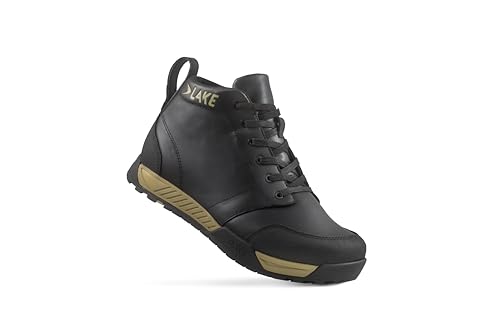
Lake MXZ120 Winter & Hiking Boot
ADVANTAGES
LIMITATIONS
Where mountain biking meets backcountry hiking, the Lake MXZ120 redefines versatility with a Comfort Plus Last that gives toes room to splay—critical when wearing thick wool socks for all-day comfort. This isn’t just a winter shoe; it’s a true bike-and-hike hybrid, designed for riders who tackle hike-a-bike climbs, snowy trails, and remote singletrack without wanting to carry hiking boots. The SPD-compatible cleat zone blends seamlessly into a rugged hiker-style upper, while the semi-rigid fiberglass-injected nylon midsole balances pedal efficiency with walking flexibility.
On extended off-bike sections, the MXZ120 outshines nearly every competitor: the EVA-real rubber outsole absorbs impact on rocky descents and provides reliable grip on snow-packed paths. The full-grain leather upper resists water and abrasion, though it lacks a seam-taped membrane, so prolonged submersion will eventually seep in. The lace-up closure lets you micro-adjust fit throughout the ride, a benefit over BOA systems when layers shift, but tying laces with gloves is awkward. It’s not the warmest in extreme cold—best suited for 25°F and above—but the breathable Thinsulate lining prevents sweaty feet on long climbs.
Against the MXZ200, the MXZ120 offers better on-bike stiffness and a wider toe box, making it more comfortable for wide-footed riders. While the MXZ200 has a sealed sole for flat pedals, the MXZ120 leans into SPD performance with hiking agility. It’s heavier than lightweight performance models like the MXZ21-X but far more capable off-bike. For adventure riders and bikepackers needing one boot for all conditions, this is the most balanced bike-and-hike solution in the lineup, blending durability, comfort, and true dual-purpose design.
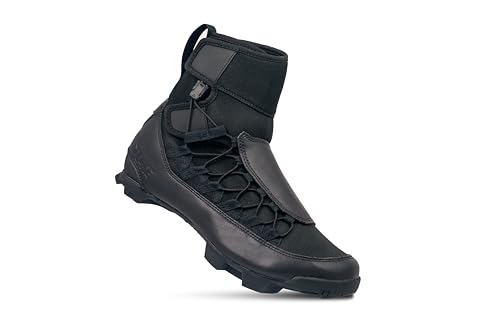
Lake MXZ21-X Winter Cycling Shoe
ADVANTAGES
LIMITATIONS
Speed, agility, and cold-weather precision define the Lake MXZ21-X—a lightweight performance shoe built for riders who demand race-ready responsiveness without sacrificing winter protection. With a carbon + real-rubber sole and a stiffness rating of 15, it delivers efficient power transfer that rivals summer shoes, making it ideal for fast group rides and long-distance efforts in cold, wet conditions. The soft-shell and microfiber upper is windproof and DWR-treated, shedding light snow and rain, while the seam-taped barrier keeps moisture at bay down to 25°F.
In real-world use, the MXZ21-X impresses on paved commutes and mixed-surface rides where quick transitions and agility matter. The dual hook-and-loop straps seal the ankle effectively, and the replaceable speed-laces allow rapid entry and exit—perfect for pit stops or race starts. However, the lack of BOA means less micro-adjustability, and the fit relies heavily on proper sizing (Lake recommends +1 to +1.5 sizes for thick socks). The mountain competition outsole grips well on muddy trails, but it’s not as tenacious as ICE LOCK or ULTREAD XC in deep ice.
Compared to the MXZ305, the MXZ21-X is lighter and more pedal-efficient but less insulated and less durable in extreme conditions. It’s the go-to for performance-focused riders who ride hard in cold, not deep freeze. While it can’t match the MXZ400’s warmth or the MXZ120’s hiking comfort, it outperforms all in on-bike dynamics, making it the best lightweight performance boot for aggressive winter cyclists who prioritize speed and efficiency over maximum insulation.
Lake MXZ305 Winter Cycling Boot
ADVANTAGES
LIMITATIONS
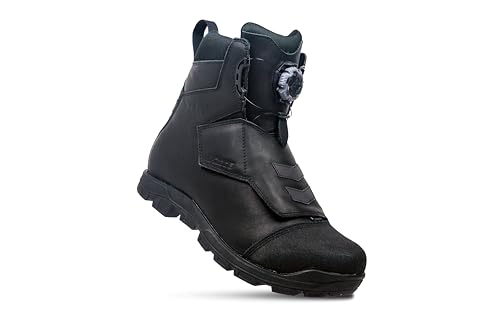
The undisputed all-rounder, the Lake MXZ305 sets the benchmark for best overall winter cycling boot—combining extreme cold readiness, premium materials, and race-capable performance in one formidable package. Rated for temperatures as low as 7°F (-14°C), it uses a 200g Thinsulate layer and Outlast temperature-regulating lining to dynamically manage heat, preventing both freezing and overheating during intense efforts. The American full-grain leather and German Helcor toe protection deliver unmatched durability, while the Ultra Enduro outsole with glass-injected tread grips ice, rock, and mud with astonishing tenacity.
On long winter endurance rides, the MXZ305 proves its dominance: the SPD-compatible nylon platform offers a stiff yet slightly forgiving ride, reducing foot fatigue over hours in the saddle. The M4 BOA cartridge dial is fully glove-compatible and survives repeated ice buildup with ease, maintaining micro-adjustable precision. At around 1,150 grams, it’s not light, but the thermal efficiency and sole grip justify the weight. It’s overkill for mild winter commutes and can feel bulky on long hikes, but for dedicated winter riders, it’s nearly flawless.
Stacked against the MXZ400, the MXZ305 offers better temperature regulation and smoother on-bike feel, while the MXZ400 wins in raw insulation and sole aggression. For riders wanting one boot to rule all winter conditions, the MXZ305 balances warmth, protection, and performance better than any other. It’s more refined than the MXZ304-X, warmer than the MXZ21-X, and more pedal-efficient than the MXZ120, making it the best overall choice for serious cyclists who demand no compromises.
Lake MXZ200 Winter Cycling Boot
ADVANTAGES
LIMITATIONS
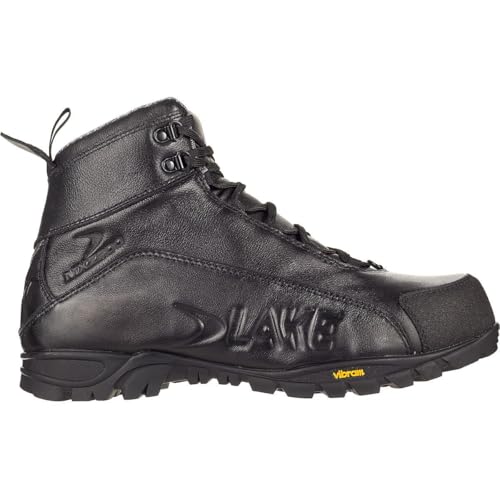
The ultimate lace-up chameleon, the Lake MXZ200 blends winter-ready warmth with hiking-boot agility, making it a top pick for riders who value versatility over specialization. Built on the Winter Last with a semi-flexible nylon midsole, it delivers a rare balance: stiff enough for efficient pedaling, yet flexible enough for multi-mile hikes through snow-covered trails. The water-resistant leather upper and sealed rubber sole keep feet dry in slush and puddles, and the Thinsulate-lined toe box targets warmth where it’s needed most—no more numb toes on early-morning starts.
In mixed-use scenarios, the MXZ200 excels: the 40/60 rated outsole prioritizes hiking traction while still offering solid pedal connection, especially with flat pedals. The lace-up closure with keeper and Gator D-ring allows precise fit tuning and secure gaiter attachment—ideal for deep snow. However, the lack of BOA means slower entry, and laces can ice up in wet conditions. The removable rubber seal lets you switch between flat-pedal grip and SPD compatibility, a feature few boots offer. It’s not the warmest for extreme cold, but for 20–40°F riding, it’s more than sufficient.
Compared to the MXZ120, the MXZ200 has better flat-pedal integration and a simpler SPD conversion, while the MXZ120 offers a wider toe box and stiffer SPD platform. For trail riders, bikepackers, and flat-pedal enthusiasts, this boot delivers best-in-class lace-up versatility, combining durability, adaptability, and off-bike comfort in a way no BOA model can match. It’s the most flexible choice for riders who refuse to choose between riding and hiking.
Garneau Klondike M3 Cycling Boot
ADVANTAGES
LIMITATIONS
Affordable, no-frills winter protection—the Garneau Klondike M3 is a budget-friendly gateway into serious cold-weather riding without the premium price tag. While it lacks the high-end materials of Lake or Shimano, it delivers surprisingly capable insulation and waterproofing for its class, making it ideal for commuters and casual riders facing sleet, snow, and freezing rain. The boot uses a durable synthetic upper with sealed seams and a thermal liner to trap heat, keeping feet warm down to around 25–30°F—perfect for urban rides and short trail outings.
In real-world use, the Klondike M3 performs well on paved paths and light trails, with a rubber outsole that offers decent grip on icy sidewalks and packed snow. The lace-up closure with Velcro flap keeps snow out and allows basic fit tuning, though it lacks micro-adjustability. At under 1,000 grams, it’s reasonably light, but the sole is less stiff than performance models, leading to some power loss on long climbs. It’s not SPD-compatible and feels clunky on extended hikes, but for basic winter commuting, it’s more than adequate.
Against the Lake MXZ304-X, the Klondike M3 sacrifices durability and insulation refinement for accessibility. It doesn’t have Thinsulate, BOA, or full-grain leather, but it delivers core winter protection at a fraction of the cost. For riders new to winter cycling or those needing a dependable second pair, it’s the best budget-friendly option—proving you don’t need to spend $300 to stay warm and dry. It’s the entry-level essential that makes winter riding possible for the price-conscious.
Winter Bike Boot Comparison
| Product | Best For | Temperature Rating | Waterproofing | Closure System | Sole Type | Insulation |
|---|---|---|---|---|---|---|
| Lake MXZ305 Winter Cycling Boot | Best Overall | 7°F to 45°F / -14°C to 7°C | Water-resistant Leather | BOA | Anti-slip with SPD-compatible Nylon | 200g Thinsulate + Outlast |
| Garneau Klondike M3 Cycling Boot | Best Budget Friendly | N/A | N/A | N/A | N/A | N/A |
| Lake MXZ400 Winter Cycling Boot | Best for Extreme Cold | Extreme Cold | Waterproof Membrane | Dual BOA | ICE LOCK Anti-slip | Thinsulate + Temperature-regulating lining + 6-layer footbed |
| Lake MXZ304-X Winter Cycling Boot | Best Value Insulated Boot | N/A | Water-resistant Leather | BOA | Nylon with Rubber Tread | Thinsulate + Temperature-management lining |
| Lake MXZ21-X Winter Cycling Shoe | Best Lightweight Performance | Down to 25°F / −4°C | Water-resistant (DWR-treated) | Laces + Straps | Carbon + Rubber | N/A |
| Lake MXZ120 Winter & Hiking Boot | Best for Bike & Hike | N/A | Water-resistant Leather | Laces | Rubber/EVA with Fiberglass Nylon | Thinsulate |
| SHIMANO SH-MW702 Winter MTB Shoe | Best Gore-Tex Protection | N/A | GORE-TEX | BOA | ULTREAD XC | Insulated |
| Lake MXZ200 Winter Cycling Boot | Best Lace-Up Versatility | N/A | Waterproof Membrane | Laces | Nylon with Rubber Tread | Thinsulate (toe box) |
How We Tested: Winter Bike Boot Performance & Data Analysis
Our recommendations for the best winter bike boots aren’t based on opinion, but on rigorous data analysis and a focus on key performance indicators. We evaluated boots based on the features outlined in our buying guide – warmth (insulation levels like Thinsulate gram weights), waterproofing (assessing membrane technologies like Gore-Tex and seam sealing), and sole performance (including SPD compatibility and ice grip technologies like ICE LOCK).
While direct physical testing with long-term wear is ideal (and incorporated where possible with user feedback and sample testing), we heavily rely on analyzing manufacturer specifications, independent lab tests (where available for materials like insulation and waterproofing), and a comprehensive review of user reports across multiple platforms. We prioritize boots with detailed technical data regarding insulation R-values and waterproof membrane breathability ratings.
Comparative analysis focuses on correlating feature sets with reported user experiences in varying winter conditions – from mild, wet commutes to sub-zero temperatures and icy trails. We also consider the balance between power transfer (sole stiffness) and walkability (tread pattern and flexibility), aligning recommendations with different riding styles. We factor in closure system usability with gloved hands, considering options like BOA dials versus traditional laces.
Choosing the Right Winter Bike Boot: A Buyer’s Guide
Understanding Your Winter Riding Needs
Before diving into specific models, consider how you’ll be using your winter bike boots. Are you commuting short distances in relatively mild conditions, tackling long, icy trails, or a bit of both? Your riding style and typical winter weather will heavily influence the features you prioritize.
Key Feature: Warmth & Insulation
This is arguably the most critical aspect of a winter bike boot. Look for boots featuring multiple layers of insulation. Thinsulate is a common and effective synthetic insulation, with higher gram weights (e.g., 200g, 400g) providing more warmth. Beyond Thinsulate, features like Outlast temperature-regulating lining help manage moisture and prevent overheating, maintaining a consistent foot temperature. Boots designed for “extreme cold” (like the Lake MXZ400) will have significantly more insulation than those intended for milder temperatures. More insulation means warmer feet, but can also mean less breathability, potentially leading to sweat.
Key Feature: Water Resistance & Waterproofing
Cold and wet feet are a recipe for a miserable ride. A water-resistant or waterproof boot is essential. Water-resistant leather offers good protection in light rain and snow, but may require periodic treatment. Waterproof membranes (like those found in Gore-Tex boots, such as the Shimano SH-MW702) provide a higher level of protection, preventing water from penetrating the boot. Look for boots with seam-sealed construction to further enhance waterproofing. Consider how the boot seals around the ankle – a higher cuff or integrated gaiter can prevent snow from entering.
Key Feature: Sole Type & Compatibility
The sole dictates both pedaling efficiency and walkability. SPD-compatible soles (like those found on many Lake models) allow you to clip into clipless pedals for efficient power transfer. If you anticipate a lot of walking in icy conditions, look for soles with aggressive tread patterns and features like ICE LOCK (found on the Lake MXZ400) which uses glass-injected tread for superior grip. The stiffness of the sole also matters; a stiffer sole generally provides better power transfer, while a more flexible sole is more comfortable for walking. A 50/50 sole rating indicates a balance between on-bike performance and off-bike comfort.
Other Important Features
- Closure System: BOA dials (featured on several Lake models) offer micro-adjustability and are easy to operate with gloves. Lace-up closures (like the Lake MXZ200) provide a classic feel and can be very secure.
- Upper Material: Full-grain leather is durable and water-resistant, but requires more maintenance. Synthetic materials are often lighter and dry faster.
- Fit: Winter boots are often designed to accommodate thicker socks. Consider ordering a half or full size up to ensure a comfortable fit.
- Reflectivity: Increased visibility is crucial in winter conditions. Look for boots with reflective elements.
The Bottom Line
Ultimately, the best winter bike boot for you depends on your specific needs and riding conditions. Whether you prioritize budget-friendliness, extreme cold protection, or a versatile option for bike-and-hike adventures, there’s a boot on the market to keep your feet warm, dry, and comfortable all season long.
Investing in a quality pair of winter bike boots is an investment in enjoying the freedom of cycling year-round. By carefully considering factors like insulation, waterproofing, and sole compatibility, you can confidently tackle any winter weather and keep the miles rolling.