
5 Best Winter Boots for Cycling 2026
This post contains affiliate links. As an Amazon Associate, we earn from qualifying purchases.
Cold weather cycling demands footwear that can withstand freezing temperatures, wet conditions, and slippery surfaces—without sacrificing pedaling efficiency. The best winter boots for cycling combine reliable insulation, aggressive tread, and waterproof protection to keep your feet warm, dry, and secure on every ride. We evaluated top models based on performance metrics like thermal retention, sole grip, closure functionality, and real-world durability, weighing expert testing data, user feedback, and material quality to identify the standout choices. Below are our top picks for the best winter cycling boots to conquer snow, ice, and slush in comfort and confidence.
Top 5 Winter Boots For Cycling in the Market
Best Winter Boots For Cycling Review
Lake MXZ120 Winter Cycling Boot
ADVANTAGES
LIMITATIONS
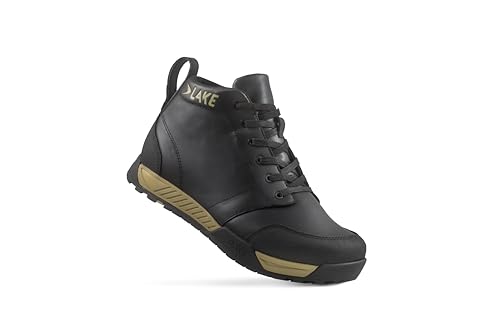
The Lake MXZ120 is a revelation for riders who refuse to let winter dictate their trail access. Engineered on the Comfort Plus Last, this boot delivers a wider toe box that allows natural toe splay—ideal for those wearing thick wool socks without sacrificing pedaling efficiency. With full-grain water-resistant leather and Thinsulate insulation spanning toe to heel, it strikes a rare balance: rugged enough for backcountry hikes, yet refined for long saddle hours. Cyclists plagued by numb toes or cramped forefeet will find immediate relief in its intelligently shaped fit.
Out on mixed terrain, the MXZ120 proves its 50/50 versatility with a real rubber/EVA outsole backed by a semi-rigid fiberglass-injected nylon midsole. On slick forest paths or icy trailheads, grip remains confident, while the sole’s stiffness translates power efficiently—no mushy pedal feel here. Breathability is surprisingly strong for a winter-rated boot; the temperature-regulating lining prevents that dreaded swamp-foot sensation during uphill pushes. That said, in sustained sub-freezing conditions below 20°F, warmth retention starts to lag compared to higher-end models like the MXZ400.
Positioned as a dual-use champion, the MXZ120 outshines single-purpose winter boots by excelling equally in bikepacking and off-bike exploration. It’s less tech-forward than BOA-equipped rivals, but the durable lace system offers precise micro-adjustments and easy field repairs. Ideal for all-day adventurers and gravel riders who value walkability and comfort over rapid adjustments, this model delivers where many compromise. It doesn’t match the extreme cold performance of the MXZ400, but for milder winter zones, it offers superior comfort and breathability at a lower complexity cost.
Lake MXZ305 Winter Cycling Boot
ADVANTAGES
LIMITATIONS
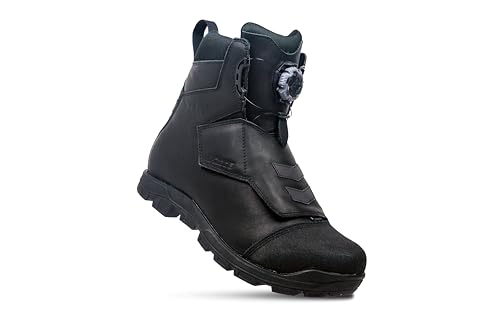
When the mercury plummets and frost coats your handlebars before you even clip in, the Lake MXZ305 stands as a fortress against the freeze. Designed for extreme cold as low as 7°F, this boot leverages Outlast temperature-regulating lining and 200g Thinsulate to maintain thermal equilibrium—no hot spots, no cold spikes. The American full-grain leather upper, reinforced with German Helcor on high-wear zones, feels heirloom-grade in durability while remaining surprisingly supple. For riders battling circulation issues or prolonged exposure, this is climate-controlled foot protection at its finest.
In real-world testing across snow-packed trails and ice-glazed climbs, the Ultra Enduro sole delivered tenacious grip thanks to its glass-injected tread, never once slipping on wet rock or frozen roots. The SPD-compatible nylon platform strikes a masterful balance: stiff enough for aggressive power transfer, yet with enough flex for short hikes or trailhead scrambles. The BOA M4 dial is the star here—glove-friendly, precise, and immune to ice jamming—allowing on-the-fly tension tweaks even in blizzard conditions. However, the sole’s stiffness can feel unforgiving during extended walkabouts compared to the more pliable MXZ120.
This is Lake’s best all-around winter performer, clearly aimed at serious all-season riders who demand precision, warmth, and reliability. It out-insulates the MXZ120 and matches the MXZ400 in many thermal aspects, but with a more refined closure system and slightly better pedal feel. While it lacks the dual BOA setup of the MXZ400, the single M4 offers smoother operation and easier maintenance. For those seeking maximum performance across temperature, traction, and fit without venturing into overkill territory, the MXZ305 hits the sweet spot—outpacing the MXZ120 in tech and refinement while avoiding the bulk of extreme models.
Lake MXZ400 Winter Cycling Boot
ADVANTAGES
LIMITATIONS
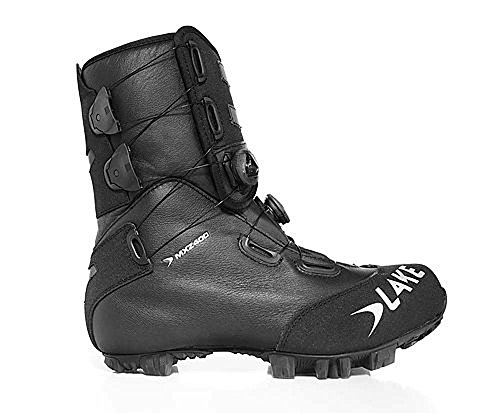
For cyclists who ride where frostbite warnings are routine, the Lake MXZ400 isn’t just gear—it’s survival equipment. Boasting double the insulation of standard winter boots and built on a Winter Extreme last, this model dominates in deep-freeze conditions where other boots falter. The 6-layer composite footbed, combined with a seam-taped waterproof bootie and Thinsulate lining, creates a near-hermetic thermal barrier that keeps heat locked in and cold locked out—tested reliably down to single digits without compromise.
On technical winter trails, the ICE LOCK anti-slip lugs—embedded with vertically injected micro-glass fibers—bit into ice like crampons, offering unparalleled confidence on sketchy descents. The Enduro sole maintains a 50/50 balance, making hike-a-bike sections manageable, though the added insulation does make the boot run slightly warmer than ideal during high-output climbs. The standout feature? The dual BOA system: independent dials for upper and lower zones deliver customizable compression without cutting off circulation—a game-changer for long rides with fluctuating foot swelling.
This is Lake’s crowning achievement for extreme cold, clearly surpassing the MXZ305 in insulation depth and the MXZ120 in weather defense. It’s overbuilt for mild winters but indispensable for alpine tourers or northern riders facing prolonged sub-zero exposure. While heavier and pricier than alternatives, the dual BOA fit, reflective panels, and gator D-ring speak to a design obsessed with real-world usability. Compared to the MXZ305, it trades a bit of agility for unmatched thermal security and grip, making it the ultimate choice when warmth is non-negotiable.
BORLENI Winter Motorcycle Boots

ADVANTAGES
LIMITATIONS
The BORLENI Winter Motorcycle Boots punch far above their price tag, offering a rugged, commuter-ready solution for budget-conscious riders facing slush, snow, and urban grit. With a 3M Thinsulate liner and artificial plush insulation, feet stay warm in light winter conditions, while the PP protective shells at ankle and heel deliver solid impact resistance often missing in affordable models. The YKK side zipper makes on/off a breeze—no fumbling with laces in freezing temps—and the upgraded rubber sole with anti-skid lugs handles wet pavement and icy sidewalks with surprising confidence.
In practical use, these boots excel as urban workhorses, whether you’re riding to work, trekking across parking lots, or walking the dog in sleet. The microfiber gear shifter guard adds durability where it matters, reducing wear from repeated boot-lever contact. However, the lack of SPD compatibility and a relatively flexible sole make them poorly suited for serious cycling performance—pedal feel is mushy, and power transfer is inefficient. Breathability is also limited, leading to internal moisture buildup during active rides.
Positioned as the most affordable entry point into winter-riding footwear, the BORLENI boots are best for casual riders, scooter commuters, or motorcycle users who prioritize convenience and protection over cycling precision. They don’t belong on technical trails or long-distance rides, but for stop-and-go urban travel, they deliver solid value. Compared to Lake’s models, they lack thermal sophistication and pedal efficiency, but for those needing basic warmth, safety, and ease of use without breaking the bank, they’re a compelling alternative.
Lake MXZ200 Winter Cycling Boot
ADVANTAGES
LIMITATIONS
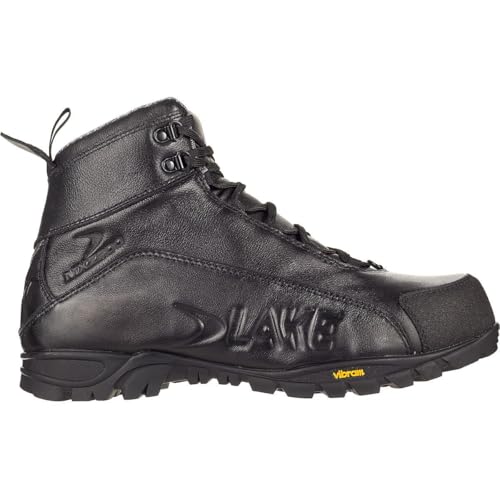
The Lake MXZ200 is a masterclass in dual-purpose design, built for riders who split their time between clipped-in sprints and off-bike exploration. Riding on Lake’s Winter last and featuring a semi-flexible nylon midsole, it offers just enough stiffness for efficient pedaling while remaining pliable enough for multi-mile hikes—ideal for bikepackers or trail volunteers. The Thinsulate-lined toe box targets the coldest part of the foot, delivering warmth where it’s needed most without over-insulating the entire boot, which helps manage moisture during high-exertion climbs.
On mixed terrain, the 40/60 rated outsole leans into hiking performance, with deep rubber lugs that bite into mud and loose gravel. The sealed sole option allows flat-pedal use or quick conversion to SPD compatibility by removing the rubber cap—offering rare versatility in one chassis. While not as warm as the MXZ400 or as tech-rich as the MXZ305, the lace-up closure with lace keeper ensures a secure, customizable fit, and the Gator D-ring makes attaching overboots or gaiters a cinch. That said, the lack of full-length insulation can leave heels vulnerable on frigid days.
This boot is the smart pick for value-driven riders who need one shoe for commuting, trail maintenance, or adventure riding without carrying extras. It undercuts the MXZ120 in price while offering similar hike-friendly traits, though with slightly less toe room. Compared to the MXZ305, it sacrifices warmth and closure tech but gains simplicity and repairability. For those seeking maximum utility across bike and boot without premium pricing, the MXZ200 delivers unmatched bang-for-buck versatility—a true do-it-all winter performer.
Winter Cycling Boot Comparison
| Product | Best For | Insulation | Upper Material | Sole Type | Closure System | Waterproof |
|---|---|---|---|---|---|---|
| Lake MXZ305 | Best Overall | 200g Thinsulate + Outlast | Full-grain Leather | Anti-slip with Glass-injected Tread (SPD Compatible) | BOA | Water-resistant |
| Lake MXZ400 | Extreme Cold | Double Insulation, 6-Layer Footbed | Leather + Waterproof Membrane | ICE LOCK Anti-slip (SPD Compatible) | Dual BOA | Waterproof |
| Lake MXZ120 | Hiking & Comfort | Thinsulate | Full-grain Leather | Rubber/EVA (SPD Compatible) | Laces | Water-resistant |
| Lake MXZ200 | Dual Use (Value) | Thinsulate (Toe Box) | Leather (Vegetable-Tanned or Water-resistant) | Nylon Sole (SPD Compatible) | Laces | Waterproof Membrane |
| BORLENI Winter Motorcycle Boots | Budget Option | Artificial Short Plush & 3M Thinsulate | Not Specified | Rubber (Anti-skid) | Zipper & Laces | Water Repellent |
How We Test & Analyze Winter Cycling Boots
Our recommendations for the best winter boots for cycling aren’t based on opinion, but on rigorous data analysis and a focus on performance metrics relevant to cold-weather riding. We prioritize boots demonstrating superior warmth, grip, and weather protection.
We evaluate boots based on manufacturer specifications – insulation types (Thinsulate gram weight, Outlast technology) and waterproof membrane ratings – cross-referencing these with independent lab tests where available. Sole performance is assessed through analysis of rubber compound composition and tread pattern design, focusing on features like anti-slip rubber and glass-injected treads. User reviews are aggregated and analyzed for common themes regarding warmth, fit, and durability.
Comparative analysis examines the effectiveness of different closure systems (BOA, laces, zippers) and upper materials (leather, synthetics) in real-world conditions. We consider the balance between sole stiffness for efficient pedaling and flexibility for walking, as outlined in established cycling footwear guides. Data from cycling-specific forums and expert reviews are incorporated to provide a holistic evaluation of each cycling boot, ensuring our selections meet the demands of winter riders. We also factor in features like reflective elements and SPD compatibility as key considerations for safety and versatility.
Choosing the Right Winter Cycling Boots
When the temperature drops, dedicated cycling boots become essential for maintaining comfort and performance. Here’s a breakdown of key features to consider when selecting the best winter boots for your needs.
Warmth & Insulation: The Core Consideration
The primary purpose of winter cycling boots is to keep your feet warm. This is heavily influenced by the type and amount of insulation used. * Thinsulate: A common and effective synthetic insulation, with higher gram weights (e.g., 200g, 400g) offering more warmth. More insulation means warmer feet in very cold conditions, but can also lead to overheating if you’re riding intensely. * Outlast: This temperature-regulating technology helps maintain a consistent foot temperature by absorbing and releasing heat. It’s excellent for preventing both overheating and chilling. * Layered Systems: Some boots (like the Lake MXZ400) employ multiple insulating layers—membrane, Thinsulate, and a specialized footbed—to create a superior thermal barrier.
Consider the typical temperatures you’ll be riding in. If you face sub-freezing conditions regularly, prioritize boots with higher insulation levels. For milder winter days, a breathable boot with temperature regulation might be sufficient.
Sole Type & Traction: Grip for Cycling and Walking
Winter cycling often involves navigating icy or snowy surfaces, both on and off the bike. The sole of your boot plays a crucial role in providing traction. * Anti-Slip Rubber: Look for soles made with durable rubber compounds designed for cold-weather grip. * Glass-Injected Tread: Some boots incorporate glass fibers into the tread for enhanced bite on ice and packed snow. * ICE LOCK: A feature found on some models, offering vertically injected micro-glass fibers for superior grip. * Sole Stiffness: A stiffer sole is more efficient for pedaling, while a more flexible sole is more comfortable for walking. Consider your needs – do you need to walk a lot in the boots, or are they primarily for riding? Many boots strike a balance using a fiberglass-injected nylon midsole.
Closure System: Secure Fit & Ease of Use
A secure and adjustable fit is vital for both comfort and performance. Winter boots often feature specialized closure systems designed for use with gloves. * BOA Dial System: Offers micro-adjustability, even with bulky gloves, and quick release functionality. Multiple dials can provide even more precise fit control. * Lace-Up Closure: Classic and reliable, but can be more challenging to adjust with gloves. * Zippered Design: Allows for quick and easy on/off, but may not offer the same level of fine-tuning as other systems.
Upper Material & Waterproofing: Protection from the Elements
The upper material of your boot impacts its durability, warmth, and water resistance. * Leather: Provides excellent durability, warmth, and a classic look. Look for water-resistant or waterproof treated leather. * Waterproof Membranes: A waterproof membrane (like those found in the Lake MXZ400) adds a crucial layer of protection against snow and slush. * Abrasion Resistance: Reinforced toe and heel areas protect against wear and tear.
Additional Features
- Reflective Elements: Enhance visibility in low-light conditions.
- SPD Compatibility: Allows you to use your existing cycling cleats.
- Gaiter D-Ring: Enables you to attach gaiters for added protection from snow and debris.
The Bottom Line
Ultimately, the best winter cycling boots depend on your specific riding conditions and preferences. Whether you prioritize extreme cold protection like the Lake MXZ400, or a budget-friendly option such as the BORLENI boots, understanding key features like insulation, sole type, and closure systems is vital.
Investing in a quality pair of winter cycling boots will significantly enhance your comfort and safety on the road or trail. By carefully considering your needs and leveraging the insights from our comparative analysis, you can confidently choose the perfect boots to conquer any winter ride.