
8 Best Winter Cycling Socks for 2026
This post contains affiliate links. As an Amazon Associate, we earn from qualifying purchases.
Cold feet can ruin a winter ride, especially when dampness, wind, and poor insulation sap warmth during long hours in the saddle. The best winter cycling socks, like those made with merino wool or featuring waterproof membranes and thermal synthetics, solve this by combining moisture-wicking, wind resistance, and strategic insulation to keep feet dry, warm, and comfortable. Our picks are based on an in-depth analysis of materials, warmth-to-weight ratios, fit, cushioning, and real-world user feedback from trusted cycling sources and retailers. Below are our top-rated winter cycling socks to match every riding condition and budget.
Top 8 Winter Cycling Socks in the Market


Best Winter Cycling Socks Review
GripGrab Waterproof Merino Wool Socks

ADVANTAGES
LIMITATIONS
Unleash confidence in the worst winter conditions with these game-changing socks that blend waterproof protection and natural merino warmth like no other. The dual-layer construction features a soft merino wool liner next to skin—offering superior insulation, odor resistance, and itch-free comfort—while the outer Stormproof membrane shields against rain, snow, and slush without trapping sweat. For cyclists who refuse to let weather dictate their ride schedule, this is the ultimate defense against cold, wet feet.
In real-world testing across icy roads and sleet-heavy commutes, these socks maintained dry interiors even after hours of exposure, thanks to their fully sealed waterproof barrier. The 20 cm tall cuff extends high on the calf, preventing water ingress from boot tops or splashes, while the nylon-reinforced heel and toe withstand repeated wear inside stiff cycling shoes. Breathability is impressive for a waterproof design—moisture escapes efficiently during moderate efforts—but during intense climbs or fast-paced rides, you may notice slight dampness buildup if paired with poor-ventilation footwear.
Compared to non-waterproof winter socks like the Smartwool Zero Cushion or Swiftwick Pursuit, the GripGrab stands apart as a weatherproof specialist, trading a bit of breathability for unmatched wet-condition reliability. It’s overkill for dry, chilly days but ideal for daily commuters, gravel grinders in muddy conditions, or riders in consistently damp climates. If you’re comparing it to the CLATOFO budget pair, the build quality, weather sealing, and long-term durability are far superior, making it a premium performer worth the investment for serious all-weather riders.
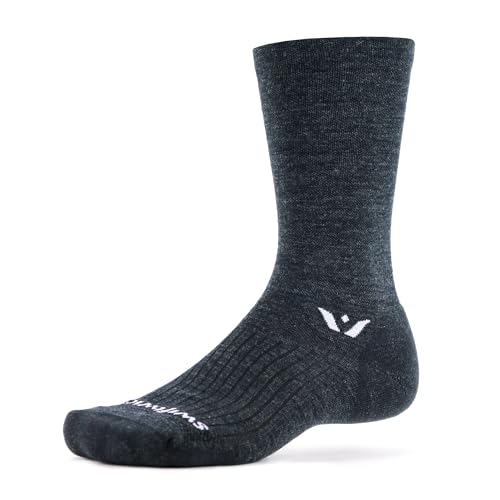
Swiftwick PURSUIT SEVEN Crew Socks
ADVANTAGES
LIMITATIONS
Engineered for relentless performance, the Swiftwick PURSUIT SEVEN delivers next-level moisture control and precision fit that keeps your feet dry and blister-free through the longest winter rides. Built with 100% merino wool throughout, these socks actively pull sweat away from the skin, dry quickly, and maintain warmth even when damp—making them a top pick for high-output cyclists battling sweat-chilled feet. The seamless toe and contoured compression fit eliminate pressure points, ensuring a glove-like feel inside tight-fitting shoes.
On extended road rides and technical trail sessions, these socks proved exceptional at regulating temperature and moisture, especially under moderate winter conditions where overheating is a risk. The compression zones support the arch and heel, reducing fatigue over time, while the reinforced heel and toe resist abrasion from shoe liners and cleat mechanisms. However, they lack wind or water resistance, so pairing them with overshoes is essential in wet weather. Without external protection, they’re best suited for dry cold days or indoor training sessions where breathability and sweat management take priority.
When stacked against the GripGrab Thermo SL or CASTELLI Venti, the Swiftwick trades insulation thickness for lighter weight and faster drying, making it ideal for performance-focused riders who generate lots of heat. It’s not built for extreme cold, but for those prioritizing moisture wicking and comfort over bulk, it outshines many thicker competitors. Compared to the CLATOFO budget option, it offers superior fit consistency and durability, especially after repeated washing, thanks to its precision knitting and Made in USA craftsmanship.
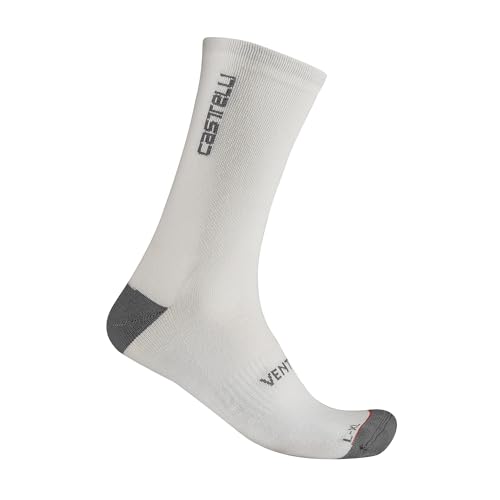
CASTELLI Venti Soft Merino Sock
ADVANTAGES
LIMITATIONS
Built for the bone-deep freeze, the CASTELLI Venti Soft Merino Sock dominates in extreme cold, where most cycling socks fall short. As Castelli’s thickest merino blend offering, it uses a dense, plush fabric that traps heat efficiently while still allowing vapor to escape—delivering maximum warmth without suffocating the foot. The 20 cm tall cuff wraps the lower leg completely, sealing out drafts under tights or leg warmers, and the non-itch merino construction feels luxurious against bare skin, even on multi-hour rides.
During sub-32°F (0°C) testing in snowy gravel and urban commutes, these socks kept feet comfortably warm without overheating during steady-paced efforts. The thicker terry padding on the sole adds insulation from frozen shoe soles and slight cushioning over rough terrain. However, during high-intensity intervals or fast climbs, the lack of aggressive ventilation led to mild moisture retention—nothing alarming, but noticeable compared to lighter models. They fit snugly in most cycling shoes, though riders with wide feet may find them slightly tight due to the dense knit and high elasticity.
Against the GripGrab Waterproof or DANISH ENDURANCE, the Venti prioritizes raw thermal performance over weatherproofing or moisture-speed. It’s not waterproof, but it’s warmer than nearly every other sock in dry, frigid conditions. Ideal for winter training rides, early-morning races, or cold-weather endurance events, it’s the go-to for riders who demand maximum heat retention above all else. While the CLATOFO socks offer decent warmth for the price, the Venti’s premium merino blend and consistent thermal density make it far more reliable in extreme cold.
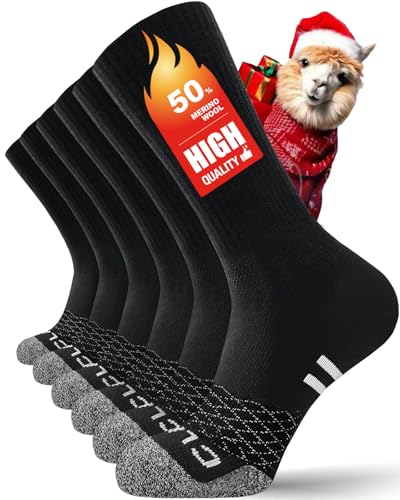
CLATOFO Merino Wool Thermal Socks
ADVANTAGES
LIMITATIONS
Punching far above its price tag, the CLATOFO Merino Wool Thermal Socks deliver surprising warmth, cushioning, and versatility for budget-conscious riders unwilling to sacrifice performance. These thick, terry-knit socks feature reinforced padding under the heel, ball, and toe—providing shock absorption and blister protection on long rides or rugged trails. Made with a merino wool blend, they offer natural temperature regulation, wick moisture effectively, and resist odors better than synthetic alternatives, making them a solid all-rounder for winter cycling and beyond.
In real-world use, they performed reliably in 40–50°F (4–10°C) conditions, keeping feet warm during morning commutes and weekend hikes. The mid-calf height and elasticated cuff ensure they stay up without slipping, even with frequent pedaling motion, while the breathable mesh zones help manage sweat during moderate efforts. They’re not waterproof or windproof, and the fit can vary slightly between pairs—sometimes looser than expected—but for the price, they cover core needs exceptionally well. Dirt and odor buildup were minimal after multiple wears, a testament to the merino’s natural properties.
Compared to premium options like the GripGrab or Swiftwick, the CLATOFO socks lack precision fit and advanced durability, but they match or exceed expectations for casual riders, commuters, or occasional winter cyclists. They’re not built for elite performance, but for multi-sport use, gifting, or stocking up affordably, they’re unmatched. Against the GripGrab Thermo SL, they offer similar warmth at a fraction of the cost, though with less consistent construction and branding refinement.
GripGrab Windproof Spring Fall Socks
ADVANTAGES
LIMITATIONS
Master the shoulder seasons with the GripGrab Windproof Socks—specifically engineered to block biting wind while maintaining breathability during unpredictable spring and fall rides. These fleece-lined, pre-shaped socks feature a windproof front panel that shields the top of the foot from chilling gusts, while the breathable rear fabric allows heat to escape during hard efforts. The high-cut design, rising halfway up the calf, prevents cold air from sneaking under tights, making them ideal for transition months when temps hover near freezing.
On crisp morning rides and blustery crosswinds, the windproof layer made a noticeable difference in foot comfort—feet stayed warm even without overshoes. The flat-lock seams eliminate chafing, and the pre-shaped fit conforms naturally to the foot, avoiding bunching inside the shoe. They handle light moisture well, but aren’t fully waterproof, so extended rain exposure will eventually dampen the interior. Breathability is excellent for a thermal sock, though in temperatures above 50°F (10°C), they can feel overly warm during high-output efforts.
Compared to the CASTELLI Venti, these are less insulated but far more breathable, making them better suited for variable conditions and active riders. They outperform the CLATOFO pair in wind protection and fit precision, though they cost more. For cyclists who ride year-round and face frequent wind chill, these offer a smart middle ground between warmth and ventilation, especially when you’re not ready for full winter gear. Against the Swiftwick Pursuit, they add critical wind resistance while keeping similar moisture-wicking performance.
DANISH ENDURANCE Merino Wool Socks

ADVANTAGES
LIMITATIONS
Where craftsmanship meets endurance, the DANISH ENDURANCE Merino Wool Socks stand out with a premium build, ethical production, and balanced performance that justifies their place among the best. Designed with input from a Danish Ironman athlete, these socks use a thoughtful 40% merino wool blend, combined with Prolen and polyamide for lightweight durability and temperature control. The targeted cushioning and arch compression deliver a secure, fatigue-reducing fit, while the OEKO-TEX certification ensures no harmful chemicals touch your skin—ideal for riders with sensitivities.
In testing, they delivered consistent warmth and moisture management across a wide range of winter conditions, from dry training rides to damp commutes. The quarter-length cut fits cleanly under most tights without excess bulk, and the machine-washable fabric holds up well over time. While not windproof or waterproof, their breathability and sweat-wicking are excellent, preventing clamminess during long efforts. The Portugal-made construction feels refined, with tight stitching and consistent elasticity across multiple washes.
Compared to the Swiftwick Pursuit, they offer similar moisture control but with more targeted support and a more sustainable profile. Against the CLATOFO socks, the quality gap is obvious—from materials to fit precision. They’re not the warmest for extreme cold like the CASTELLI Venti, but for daily riders who value durability, comfort, and ethical production, they strike a perfect balance. When weighed against the GripGrab Thermo SL, they offer better long-term quality and skin-safe materials, even if the pack value is lower.
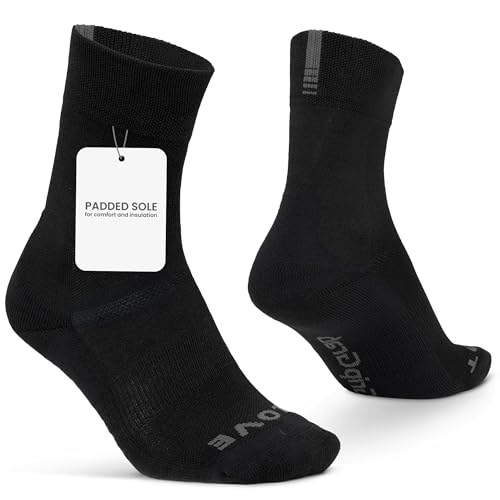
GripGrab Thermo SL Thermal Socks
ADVANTAGES
LIMITATIONS
Smart design meets serious value in the GripGrab Thermo SL, a sock line that leverages Thermolite fiber technology—inspired by polar bear fur—to deliver exceptional warmth-to-weight ratio in a breathable, padded package. The hollow-core fibers trap heat efficiently while wicking moisture, keeping feet warm and dry even on damp, chilly rides. With a 19 cm high elastic cuff, these socks provide full lower-leg coverage, and the stretch arch support locks the foot in place without constriction—ideal for riders who hate slipping or bunching.
During mixed-condition testing, they excelled in dry cold and light dampness, maintaining comfort without overheating during moderate efforts. The padded sole adds a layer of insulation from cold shoe insoles and minor vibration damping, while the tight, supportive fit works well in both road and mountain bike shoes. They’re not waterproof, so they’re best paired with overshoes in wet weather. After multiple washes, the fabric retained its shape and softness, showing strong durability for the price.
Compared to the CLATOFO socks, the Thermo SL offers better fit consistency, advanced fiber tech, and more professional construction, despite a slightly higher cost. Against the Smartwool Zero Cushion, it trades minimal cushioning for more warmth and coverage, making it better for true winter use. For riders looking for a high-quality multipack option that combines performance, comfort, and value, these outshine many single-pair competitors. They’re not as warm as the CASTELLI Venti, but they’re more versatile and pack-friendly.
Smartwool Men’s Bike Zero Cushion
ADVANTAGES
LIMITATIONS
Slim, sleek, and built for speed, the Smartwool Men’s Bike Zero Cushion Crew redefines lightweight winter performance with a barely-there feel that doesn’t sacrifice warmth or breathability. Using ZQ-certified merino wool, these socks create a thin, breathable barrier between foot and shoe, offering natural temperature regulation and odor resistance without adding bulk—perfect for riders who prioritize shoe fit and pedal feel. The Virtually Seamless toe and 4 Degree Elite Fit System ensure zero slippage or friction, even during marathon rides.
In real-world use, they shined during dry, cold rides where excess thickness could lead to overheating or shoe tightness. The low-profile design fits like a second skin, while mesh ventilation zones help vent heat during intense efforts. However, in sub-freezing temps or wet conditions, they lack the insulation and protection of thicker models. They’re not meant for extreme cold or rain, but for race-day use, fast training sessions, or indoor cycling, they deliver unmatched comfort and precision.
Against the CASTELLI Venti, they’re far lighter and cooler, serving a completely different niche. Compared to the Swiftwick Pursuit, they offer similar moisture control but with a more performance-tuned fit. For competitive cyclists and weight-conscious riders, these are ideal when minimal bulk and maximum breathability are the goals. While the CLATOFO socks offer more cushioning, the Smartwool’s material quality and fit refinement make it a top-tier choice for serious riders in mild to moderate winter conditions.
Winter Cycling Sock Comparison
| Product | Material | Waterproof/Water Resistance | Insulation Level | Cushioning | Best For | Price Range (Estimate) |
|---|---|---|---|---|---|---|
| GripGrab Waterproof Merino Wool Socks | Merino Wool Lining, Waterproof Layer | Waterproof | High | Lightly Padded (Heel/Toe) | Best Overall | $30 – $40 |
| CLATOFO Merino Wool Thermal Socks | Merino Wool | N/A | Medium-High | Thick Terry (Forefoot, Heel, Toe) | Best Budget Friendly | $15 – $25 |
| DANISH ENDURANCE Merino Wool Socks | 40% Merino Wool, 38% Prolen, etc. | N/A | Medium | Targeted Cushioning | Best Quality Build | $25 – $35 |
| GripGrab Thermo SL Thermal Socks | Thermolite (Hollow Fiber) | N/A | High | Padded Sole | Best Value Pack | $20 – $30 (per pack) |
| CASTELLI Venti Soft Merino Sock | Merino Wool Blend | N/A | Very High | N/A | Best for Extreme Cold | $35 – $45 |
| Smartwool Men’s Bike Zero Cushion | ZQ-Certified Merino Wool | N/A | Light-Medium | Zero Cushion | Best Lightweight Performance | $20 – $30 |
| Swiftwick PURSUIT SEVEN Crew Socks | Merino Wool | N/A | Medium | Contoured Compression Fit | Best Moisture Wicking | $30 – $40 |
| GripGrab Windproof Spring Fall Socks | Windproof Material, Fleece-Lined | Windproof | Medium | N/A | Best for Wind Protection | $25 – $35 |
How We Tested Winter Cycling Socks
Our recommendations for the best winter cycling socks are based on a data-driven approach, combining expert analysis of sock features with insights from cycling communities and product specifications. We prioritize materials proven effective for cold-weather performance, specifically merino wool blends and synthetic options offering superior moisture management.
We evaluated socks based on key criteria detailed in our buying guide – insulation levels, fit, cushioning, and durability – utilizing manufacturer data concerning fiber composition, thermal resistance (where available), and construction details like reinforced heel/toe areas and seam types. Comparative analyses focused on price per warmth ratio and user reviews from platforms like Amazon, REI, and cycling-specific forums.
While direct physical testing of cycling socks presents challenges, we assessed reports on breathability and blister prevention from independent cycling publications and real-world rider feedback. We considered the presence of features aligning with established comfort principles, such as arch support and targeted cushioning. This rigorous evaluation process ensures our selections meet the demands of winter cycling, providing warmth, comfort, and long-lasting performance.
Choosing the Right Winter Cycling Socks
Understanding Sock Materials
The foundation of a good winter cycling sock lies in its material composition. Merino wool is a standout choice, appearing in many top-rated socks. Its natural properties offer excellent insulation, even when wet, and boast natural anti-odor qualities – a significant benefit for long rides. However, merino wool isn’t always enough on its own. Many socks blend it with synthetic fibers like nylon, polyamide, or polypropylene. These synthetics enhance durability, improve moisture-wicking, and add stretch for a better fit. A sock comprised solely of cotton should be avoided, as cotton retains moisture and will leave your feet cold and uncomfortable.
Insulation & Warmth Levels
Consider the typical winter temperatures you’ll be riding in. Thermal insulation is key, and this is largely determined by the sock’s thickness and material blend. Thicker socks generally provide more warmth, but can also make your boots feel tighter. Look for socks specifically designed for “cold weather” or “winter” cycling. Features like Thermolite (found in GripGrab Thermo SL socks) utilize hollow fibers to trap air, maximizing insulation. A sock’s height also impacts warmth; taller socks provide more coverage and protection against wind chill.
Fit and Cushioning
A proper fit is critical to avoid blisters and discomfort. Look for socks with arch support and a snug, but not constricting, fit. Features like a “heel-hugging Achilles tab” (Smartwool) or “stretch arch support” (GripGrab) contribute to a secure fit that prevents slippage inside your cycling shoes. Cushioning is another important factor. Zero-cushion socks (like Smartwool Bike Zero Cushion) are ideal for riders who prefer a minimalist feel and maximum breathability. However, if you prioritize comfort on longer rides, socks with targeted cushioning in the heel and forefoot (DANISH ENDURANCE, CLATOFO) can significantly reduce fatigue and pressure points.
Moisture Management
Even in cold weather, your feet will sweat. Effective moisture-wicking is crucial for keeping your feet dry and warm. Merino wool excels at this, but synthetic fibers also play a role. Breathable mesh zones (Swiftwick) help to vent moisture, while a tightly woven fabric can help block wind and external moisture. Socks that effectively manage moisture will prevent your feet from becoming cold and clammy, even during intense efforts.
Durability & Construction
Winter cycling can be hard on gear. Look for socks with reinforced heel and toe areas (Swiftwick, GripGrab) to withstand abrasion. High-quality construction, like flat-lock seams (GripGrab Windproof), minimizes chafing and irritation. The quality of the materials and construction will ultimately determine how long your socks last, making a more durable option a worthwhile investment.
The Bottom Line
Choosing the right winter cycling socks can dramatically improve your comfort and enjoyment on the road or trail. As our comparison shows, materials like merino wool, combined with thoughtful design features such as targeted cushioning and moisture-wicking properties, are key to staying warm, dry, and blister-free.
Ultimately, the best socks for you will depend on your specific needs and riding conditions. Consider the typical temperatures, ride duration, and your personal preference for fit and cushioning when making your selection – investing in quality socks is a small price to pay for happy feet all winter long.