
Cushion Socks Vs Thin Socks
This post contains affiliate links. As an Amazon Associate, we earn from qualifying purchases.
Cushion socks provide superior comfort and support, making them ideal for activities like running or hiking, while thin socks are lightweight and breathable, perfect for tight shoes and warmer climates. Each type has its advantages and drawbacks, which will be explored in more detail to help you make an informed choice. Keep reading for tips on fit and materials to further guide your selection.
Essential Facts in 30 Seconds
- Cushion socks offer extra comfort and impact protection, ideal for running and hiking.
- Thin socks provide excellent breathability and a lightweight fit, best for warm weather and tight shoes.
- Cushion socks may feel bulkier and take longer to dry; thin socks dry quickly but offer minimal cushioning.
- Double-layer anti-blister socks combine features of both, reducing friction and moisture for long activities.
- Choose proper fit and sock thickness based on activity level and climate for optimal comfort.
Pros and Cons of Cushion Socks
Cushioned socks bring comfort and support for many activities. They reduce impact forces on your feet. This makes them great for running and hiking. The extra padding lowers friction, reducing the chance of blisters. Your feet stay comfortable even during long wear.
These socks also provide excellent insulation. They keep your feet warm in cold weather, perfect for winter sports. Additionally, they can enhance improved blood circulation by promoting better blood flow to your feet.
There are some drawbacks to consider. Cushioned socks can feel bulkier. This may not work well with tight or narrow shoes. A snug fit might cause discomfort.
While cushioned socks help keep your feet dry, they may take longer to dry when wet. Think about these pros and cons. Decide if cushioned socks fit your needs.
Pros and Cons of Thin Socks
Thin socks are great for warm weather. They let your feet breathe and fit snugly in tight shoes. This can keep your feet cool and comfortable.
But, they’ve some downsides.
Thin socks offer little cushioning. This can lead to blisters during intense activities. It’s important to be careful if you plan to run or walk a lot.
On colder days, thin socks may not keep your feet warm. You might want to choose thicker socks for winter.
In short, thin socks are good for summer but not for everything. Choose wisely based on the weather and your activities.
Breathability and Comfort
The right socks can greatly improve your comfort, especially in warm weather. Thin socks are excellent for breathability. They keep your feet cool and dry. Their lightweight design fits well in snug shoes like track spikes or dress shoes. They don’t add bulk. Thin socks also dry quickly. They use moisture-wicking materials that absorb less sweat.
Yet, thin socks have some downsides. They offer minimal cushioning and protection. This makes them less suitable for high-impact activities. Here’s a quick comparison:
| Pros | Cons | Ideal For |
|---|---|---|
| Great breathability | Minimal cushioning | Warm weather |
| Lightweight and snug fit | Less protection | Tight-fitting shoes |
| Quick-drying | Risk of blisters | Casual wear |
Additionally, thin socks may not provide the same level of temperature regulation that thicker options like Merino wool socks can offer.
Think about these points when picking your socks!
Risk of Blisters
Blisters can be a real issue during physical activities. Thin socks breathe well. They keep your feet dry by pulling moisture away. This helps prevent blisters, especially in hot weather. A snug fit keeps your feet from moving too much in your shoes. Less movement means less friction.
Still, thin socks have less padding. This can lead to more blisters during high-impact activities. If you’re prone to blisters, this padding mightn’t be enough for long wear.
To stay comfortable, pick high-quality thin socks. Look for ones with moisture-wicking features. These socks help keep your feet dry and lower the chance of blisters. Additionally, consider using foot powders or antiperspirants to enhance moisture control and further reduce blister risk.
The Benefits of Double-Layer Anti-Blister Socks

Protect your feet during long runs or hikes with double-layer anti-blister socks.
These socks have a special two-layer design. This design reduces friction and keeps moisture away from your skin.
Why does this matter? Less friction means fewer blisters. Staying dry helps prevent discomfort. Your feet stay comfortable throughout your activity.
Studies show that many athletes prefer these socks for their comfort and protection.
Enjoy your runs or hikes without worrying about blisters. Choose double-layer anti-blister socks for a better experience.
Enhanced Blister Protection
Preventing blisters during activities is important. Double-layer anti-blister socks can help.
These socks have a special two-layer design that reduces friction. This means less irritation and chafing, especially during running or hiking. The outer layer moves freely, while the inner layer stays put. This gives extra padding where you need it most.
Many people notice fewer blisters and more comfort after using these socks. They also keep feet dry by wicking away moisture. This helps lower the chance of blisters caused by wetness.
Investing in double-layer anti-blister socks can greatly enhance your comfort during physical activities. Enjoy your adventures without the worry of blisters!
Moisture-Wicking Properties
Keeping feet dry is important for comfort and preventing blisters. Double-layer socks shine in moisture-wicking. They’ve three main benefits:
- Enhanced Dryness: The inner layer pulls sweat away from your skin. This keeps your feet dry and comfy.
- Better Airflow: The two layers move separately. This improves airflow and helps your feet dry faster.
- Reduced Friction: The special design cuts down friction. This lowers the chance of blisters during any activity.
Double-layer socks make running or hiking more enjoyable. They’re made for active people. Additionally, wearing specialized socks for plantar fasciitis support can further enhance comfort and alleviate any discomfort you may experience.
Keep your feet fresh and blister-free with these socks.
Choosing the Right Sock for Your Activity
Choosing the right sock for your activity matters a lot. Comfort and performance depend on it.
For running or hiking, cushioned socks are best. They add extra padding and absorb shock. This helps to reduce blisters from friction.
Thin socks work well for speed-focused workouts. They keep your feet cool and dry in warm weather. With tight-fitting shoes, like racing flats, thin socks fit snugly. They prevent bunching and help with better foot control.
Sensitive skin? Cushioned socks protect against irritation and blisters. Additionally, diabetic socks are designed to minimize skin irritation and enhance comfort, making them a great option for those with sensitive feet.
Consider your activity’s needs. The right socks can make a big difference in your experience. Enjoy your long runs or quick sprints with the perfect pair.
Understanding Sock Materials
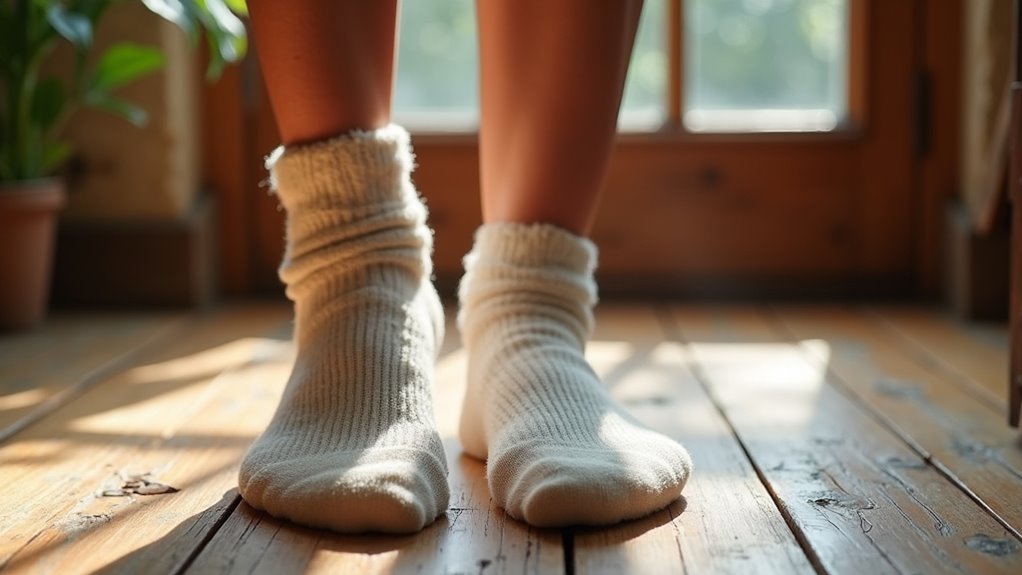
Socks come in many materials. Each type has benefits that can boost your comfort and performance. Knowing these materials helps you pick the right sock thickness.
- Merino wool: This material is excellent for keeping you warm or cool. It absorbs moisture and fights odors. Merino wool works well for both thin and cushioned socks.
- Synthetics: Nylon and Lycra are strong and wick away moisture. They keep your feet dry and comfy, reducing friction and blisters.
- Ingeo™: This eco-friendly fiber also wicks away moisture and controls odors. It’s perfect for performance socks.
Cotton isn’t a good choice for active use. It holds moisture and can cause blisters. Wool keeps feet dry during intense physical activities, making it a superior option for comfort and performance.
Pick the right materials to enhance your sock experience. Whether you like cushioning or a thin fit, the right choice matters.
Tips for Finding the Perfect Fit
Finding the right sock fit is important for comfort and performance. Use these tips to choose the perfect sock:
| Sock Feature | Considerations |
|---|---|
| Thickness | Thicker socks need a bigger shoe size. Lightweight options fit snugly without extra bulk. |
| Design | Anatomical socks fit left and right feet. This helps reduce slippage. |
| Height | Crew and quarter socks protect better with mid- or high-cut boots. |
Try socks on with the shoes you plan to wear. This ensures they feel good and stay secure. Make sure the heel cup aligns with your foot. Misalignment can cause bunching and discomfort. Additionally, considering sock visibility can enhance the overall aesthetic of your outfit. Follow these tips to improve your performance and prevent blisters during activities. Take the time to find the perfect sock fit!
Frequently Asked Questions
Can I Wear Cushioned Socks for Low-Impact Activities?
Cushioned socks are great for low-impact activities. They offer extra comfort and support. This is helpful, especially for sensitive skin.
Thicker socks can keep your feet warm. They may also trap heat and moisture. This could make your feet feel sweaty.
Pick the right thickness for your activity. Lightweight socks work well for walking. Thicker socks are better for relaxing at home.
Always listen to your feet. Comfort is key to enjoying your activity.
Are Thin Socks Suitable for Running in Colder Weather?
Thin socks might not be the best choice for running in colder weather. They can leave your toes feeling cold. Instead, thicker socks provide warmth and comfort. Look for socks made from materials that keep heat in. Wool and synthetic blends work well for cold conditions.
Warm feet help you enjoy your run more. Cold feet can make you uncomfortable and distract you. A good pair of thicker socks can make a big difference. They can also prevent blisters. Remember, staying warm is important for your entire body while running. Choose wisely for a better running experience!
How Do I Care for My Cushion Socks?
Caring for your cushioned socks is easy. Wash them in cold water. Use a gentle detergent. Air dry them to keep their shape. Avoid bleach and fabric softeners. These can damage the fabric and reduce their ability to wick away moisture.
Store your socks properly. Keep them in a cool, dry place. This helps maintain their elasticity and comfort. Follow these steps, and your cushioned socks will last longer and stay comfortable. Enjoy your cozy socks!
Do Thin Socks Provide Any Arch Support?
Thin socks act like a whisper. They do not provide much arch support. While they fit snugly, they lack cushioning. If you need more support, thicker socks are a better choice. Thicker socks offer more comfort and help keep your feet happy. Remember, happy feet mean better days!
Can I Use Cushioned Socks for Everyday Wear?
Cushioned socks are perfect for everyday wear. They provide comfort and support all day long. These socks help reduce foot fatigue, especially during long hours of standing or walking.
Choosing the right fit is important. Make sure your cushioned socks fit well with your shoes. This way, you will enjoy the best comfort and support.
Cushioned socks come in various styles and colors. You can wear them with sneakers, boots, or even casual shoes. They are versatile and can match any outfit.
Try cushioned socks for daily activities. Your feet will thank you!
Conclusion
Cushion socks and thin socks serve different purposes. Cushion socks give your feet extra support. They feel soft and cozy, perfect for long days. Thin socks let your feet breathe. They provide a snug fit, great for warm weather.
Double-layer anti-blister socks can stop friction. This is helpful for long walks. Always think about the sock material. A good fit is important for comfort. Choose the right socks for your activities. Happy feet make all the difference!