• Winter Boots Vs Snow Boots Differences

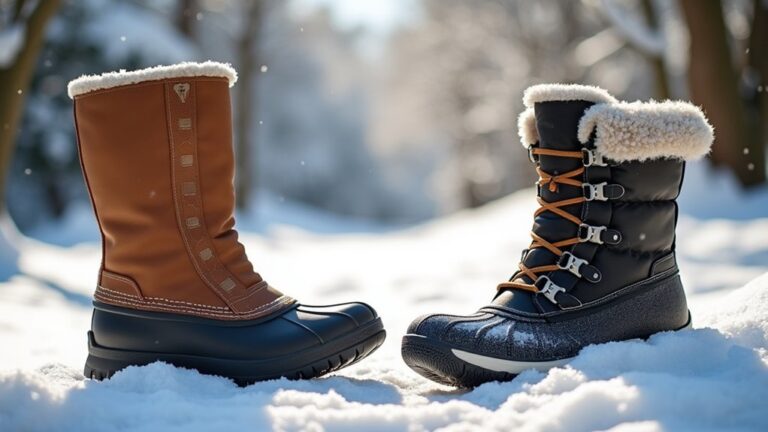
    Winter boots and snow boots serve different purposes. Winter boots are lighter. They work well for casual outdoor use in cold weather. Snow boots are bulkier. They are built for harsh conditions like deep snow.

    Winter boots have moderate insulation. They keep your feet warm but not too hot. Snow boots offer more warmth. They often have high shafts to block out snow.

    Traction on ice is important. Snow boots provide better grip on slippery surfaces. This helps you walk safely in winter weather.

    Knowing these differences helps you pick the right boots. Choose winter boots for everyday use. Select snow boots for deep snow or icy conditions. Stay warm and safe this winter!
  • Best Materials for Durable Boots

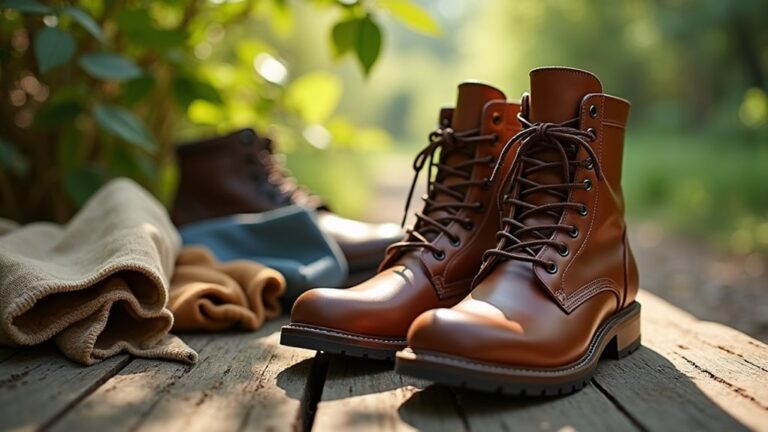
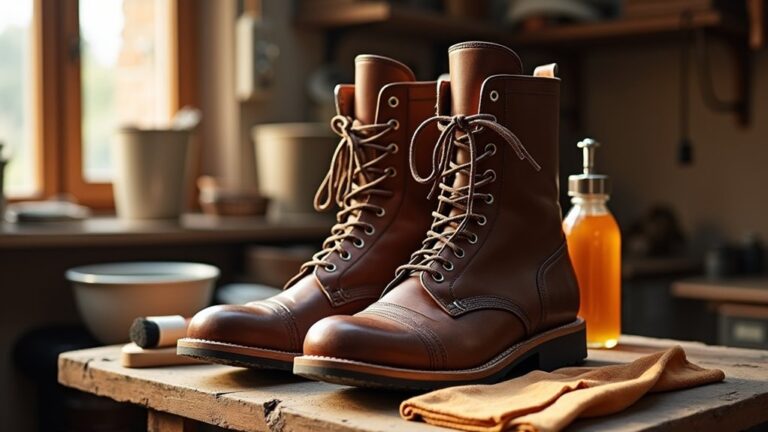
    Durable boots come from tough materials. Leather is strong and shapes to your feet. It needs some care to stay nice. Rubber is great for waterproofing. It offers good grip and needs little maintenance. Suede looks stylish but requires more upkeep to keep it clean.

    Synthetic boots are budget-friendly. They are easy to clean but may not last as long. For comfort, choose boots with polyurethane midsoles. They provide support and absorb shock well.

    These materials help you find the right boots for your needs. Select wisely to ensure comfort and durability.

  • How to Soften Stiff Leather Boots

    To soften stiff leather boots, clean them first. Use a leather cleaner to remove dirt. Next, apply a good leather conditioner. Spread it evenly and let it soak for several hours. Natural oils like mink oil can also help. They deeply condition the leather. After applying any product, buff the boots with a clean cloth.

    Regular conditioning keeps the leather soft. Gentle wear also helps. Follow these steps to enjoy comfortable boots. Take care of your leather, and it will last a long time.

  • Slip-Resistant Clog Guide

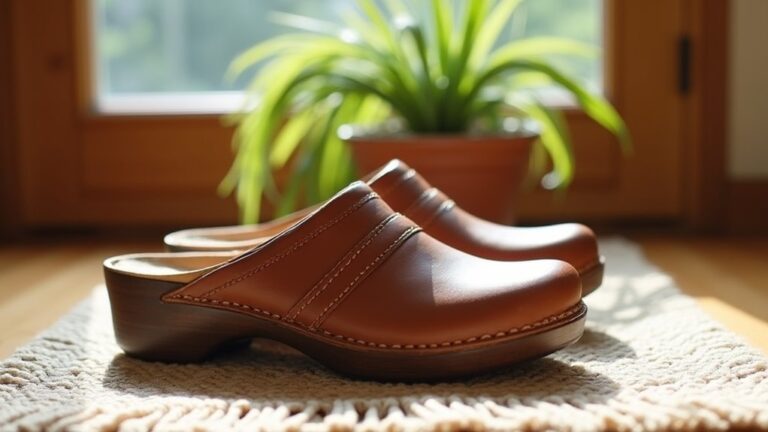
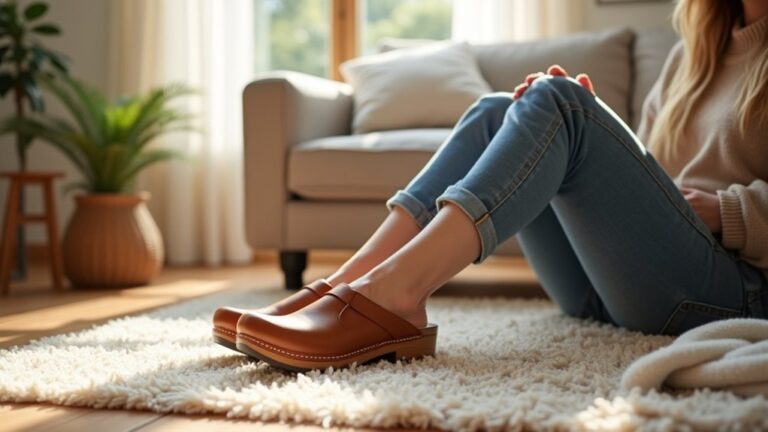
    Slip-resistant clogs are a must for slippery places. They keep you safe and comfortable. Look for clogs with special outsoles. These outsoles grip wet surfaces well. Brands like Dansko offer great options. The Professional and XP 2.0 models stand out. They provide extra comfort for long hours. These clogs help keep your feet aligned. This reduces tiredness throughout the day.

    To keep them working well, clean your clogs often. Check for any signs of wear. A little care goes a long way. With the right pair, you’ll feel safe and supported. Explore your options to find the best fit for you.

  • How to Choose Kitchen Clogs

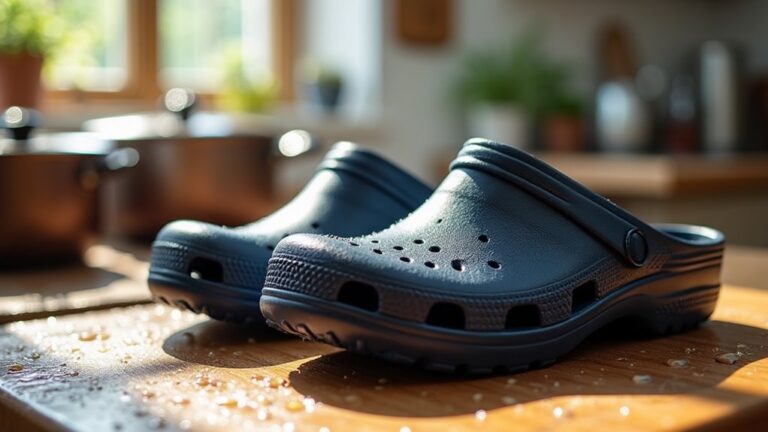
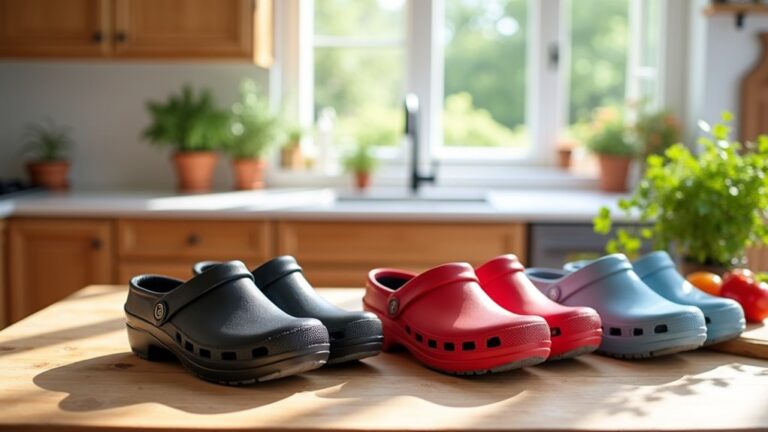
    Choose kitchen clogs that prioritize comfort, safety, and easy cleaning. Non-slip rubber soles are essential to prevent slips. A closed-toe design offers better foot protection. Cushioned insoles, like memory foam, help reduce foot fatigue during long hours. Look for clogs made from easy-to-clean materials. Styles with ventilation can keep your feet cool. Finding the right fit matters too. An uncomfortable pair can lead to problems. Explore more options to discover the best clogs for your needs.

  • Cleaning and Care Guide for Clogs

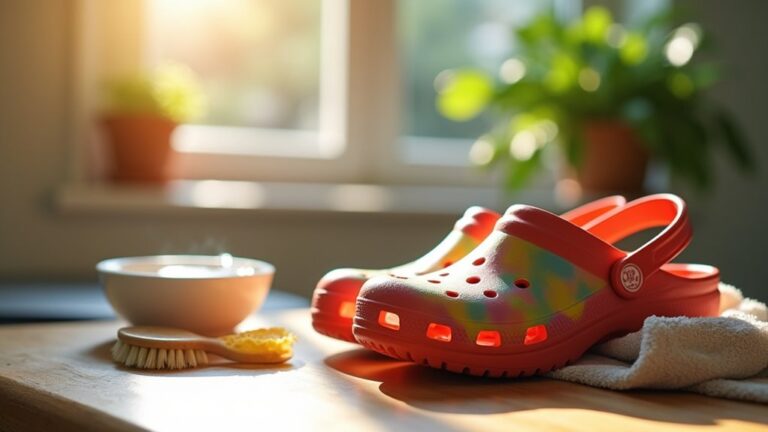
    Caring for your clogs is simple. Start by using a horsehair brush to remove dirt. For cork soles, use a cork sealer. Apply it in thin layers and let it dry for 20 minutes. Clean leather clogs with a damp cloth. Use Apple Protectant Spray once a year. For wool clogs, brush the fibers in one direction to keep them strong.

    If the sole comes off, clean both surfaces. Use Barge’s All-Purpose Cement to reattach it. Press firmly to secure.

    Follow these steps for happy, long-lasting clogs. Enjoy your clogs for years!

  • Clogs for Plantar Fasciitis

    Plantar fasciitis can cause foot pain. Clogs can provide relief. They have thick, cushioned soles. These soles give good arch support. Clogs also reduce pressure on your feet.

    Look for clogs with a wide toe box. A roomy toe box adds comfort. Slip-resistant soles are important too. They help keep you safe while walking.

    Popular brands like Dansko and Aetrex offer great support. Make sure your clogs fit well. They should feel snug at the heel. Your toes need space to move.

    Explore different options to find what works best for you. Comfort and support are key for happy feet.

  • Comfort Tips for Wearing Clogs All Day

    Wearing clogs all day can be comfy with the right choices. Pick clogs that have good arch support and soft padding. Break them in slowly. Start with 30 minutes to an hour each day.

    Add supportive insoles for extra comfort. Wear moisture-wicking socks. They help keep your feet dry and happy.

    Take care of your clogs. Clean them often and check for any damage. This keeps them in great shape.

    Explore different styles to find what feels best for you. Enjoy your clogs and stay comfy all day!

  • Best Stretches for Foot Arch Pain

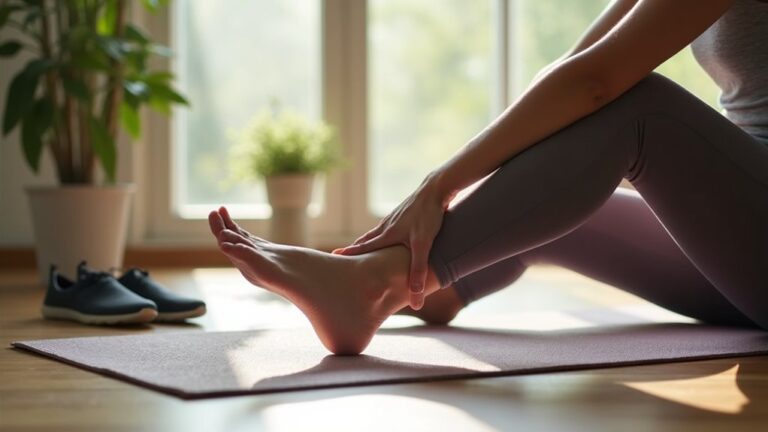
    To relieve foot arch pain, try these simple stretches. Start with the Plantar Fascia Stretch. Sit down, cross your affected foot over your knee, hold your heel, and pull your toes back for 15 to 30 seconds. This helps stretch the bottom of your foot.

    Next, do some Calf Stretches. Stand facing a wall, place your hands on it, and lean forward with straight knees. This stretch helps your calves and can ease tension in your feet.

    Try Heel Raises on a step. Stand on the edge of a step and lift your heels up and down. This strengthens your calves and supports your arches.

    For more arch strength, use Marble Pickups. Place some marbles on the floor. Use your toes to pick them up one at a time. Towel Scrunches are also great. Place a towel on the floor and use your toes to scrunch it toward you.

    Keep practicing these exercises. They can help reduce your foot arch pain and improve your foot health.

  • Causes of Cracked Heels

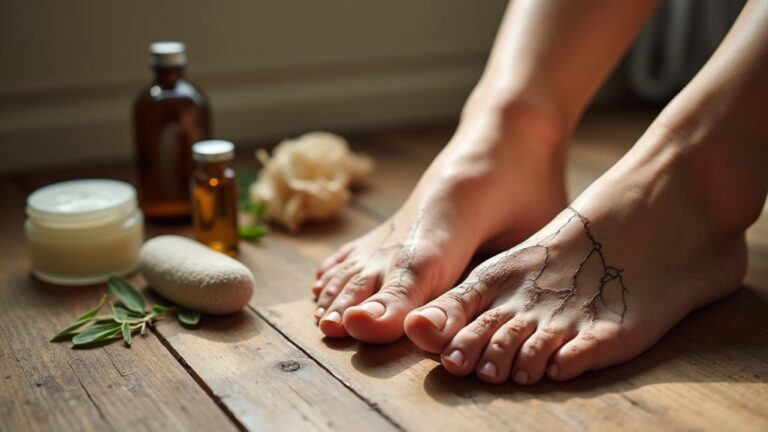
    Cracked heels come from dry skin. Low humidity often causes this. Standing for long periods on hard surfaces makes it worse. Open-heeled shoes can increase the risk. They expose heels to dirt and weather. Nutritional deficiencies can also lead to cracked heels. Medical conditions like diabetes can make it harder to heal.

    To keep your feet healthy, eat a balanced diet. Wear supportive shoes that fit well. Take good care of your feet. Wash and moisturize them regularly. Avoid harsh soaps. Focus on keeping your skin hydrated.

    Knowing how to prevent and treat cracked heels is important. Healthy feet can improve your overall well-being.

  • How to Choose Breathable Footwear for Foot Health

    Choose breathable footwear for better foot health. Select materials like mesh or leather. These allow air to flow. Ensure there is 3/8 to 1/2 inch space between your longest toe and the end of the shoe. Look for humidity-wicking linings. Ventilation holes also help with air circulation. Lightweight shoes boost comfort and reduce fatigue.

    Check your shoes regularly for wear. Replace them when they show signs of damage. This keeps your feet healthy and comfortable. Remember to consider the shape and support of the shoe. Proper fit is key for foot health. Prioritize your comfort and foot care. Enjoy walking with breathable footwear!

  • Home Remedies for Foot Odor

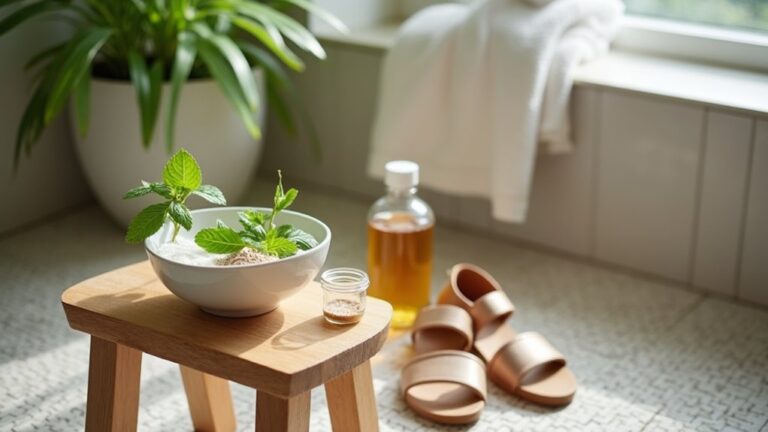
    Soak your feet weekly in a mix of two parts water and one part vinegar. Do this for 15-20 minutes. Use Epsom salt in warm water. Add about ½ cup for a soothing soak. Exfoliate with a pumice stone to remove dead skin. Sprinkle cornstarch in your shoes. Baking soda also absorbs odors well. Wear breathable footwear to keep your feet dry. These simple tips help fight foot odor effectively.