• Memory Foam Slippers Pros & Cons

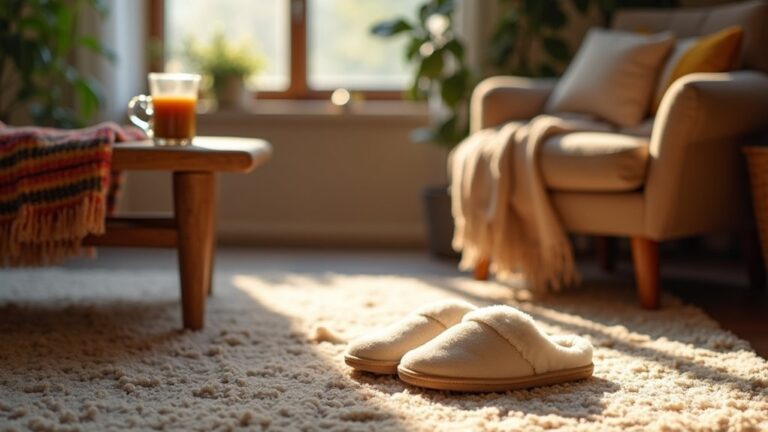
    Memory foam slippers offer great comfort and warmth. They shape to your feet, giving you personalized support. This can help relieve pressure and improve foot health.

    Some people may find them too soft or unstable. They might not provide enough support for serious foot problems. Regular use can also cause them to wear out quickly.

    Fit and support features matter a lot. Choosing the right size can greatly improve your comfort. Look for slippers that match your foot type.

    In summary, memory foam slippers can be cozy and supportive. Just be careful about choosing the right pair. Enjoy the softness and warmth they provide!
  • How to Choose Sneakers for Wide Feet

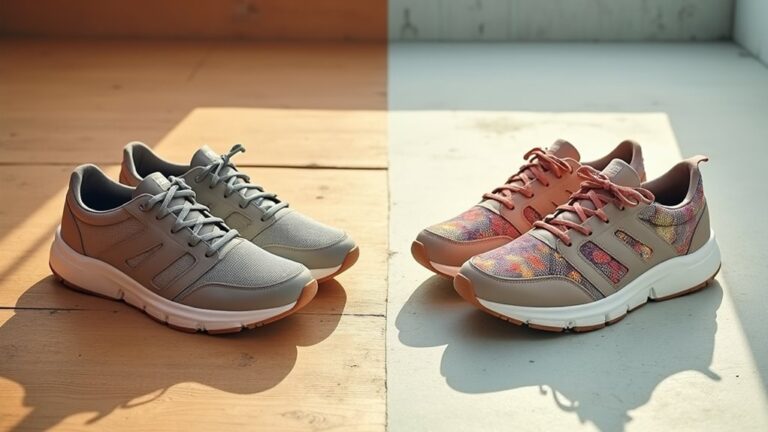
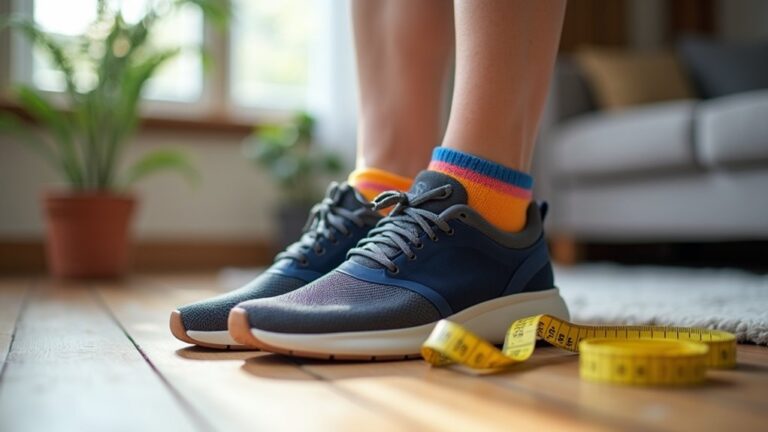
    Choosing sneakers for wide feet starts with measuring your foot’s width. A women’s size 8 is about 3.95 inches wide, while a men’s size 8 is around 3.9 inches. Look for sneakers labeled “Wide” or “Extra Wide.” Brands like New Balance and HOKA have excellent options. Nike and Adidas also offer styles for wider feet.

    Focus on finding a roomy toe box. A soft cushioning helps ensure comfort while you walk or run. Pay attention to any blisters or tight spots. These signs mean you need a wider fit. Consider these tips to find the perfect sneakers for your wide feet.

  • Breathable Sneaker Materials

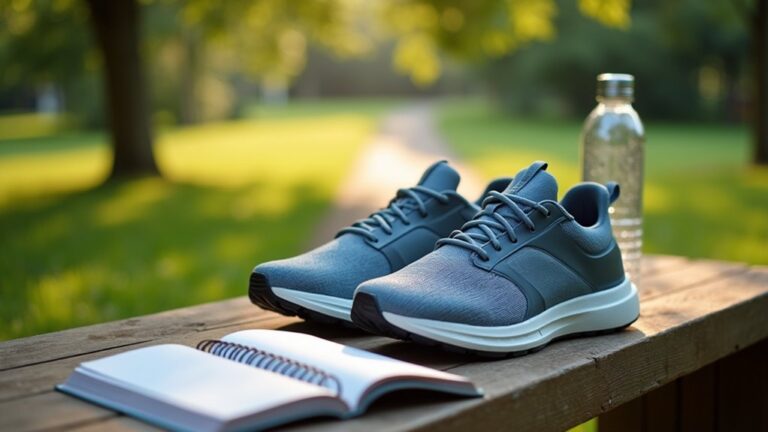
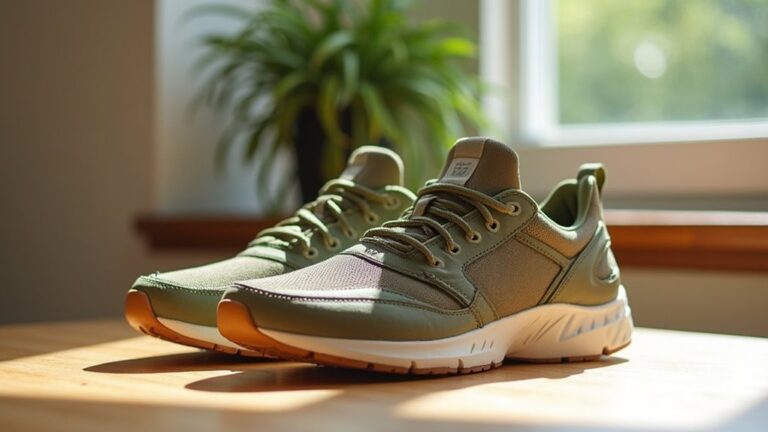
    Breathable sneaker materials make a big difference. Mesh, leather, and canvas are great choices. These materials let air flow in. This keeps your feet cool and comfy. Natural fabrics like eucalyptus fiber and organic cotton soak up moisture. This helps stop bad smells. Synthetic fabrics such as nylon add strength and flexibility. They also stay breathable. Choosing the right materials boosts foot health and comfort. New technologies also help improve breathability. This means better performance for your sneakers. Enjoy your active lifestyle with the right footwear!

  • Flat-Soled Sneakers Vs Cushioned

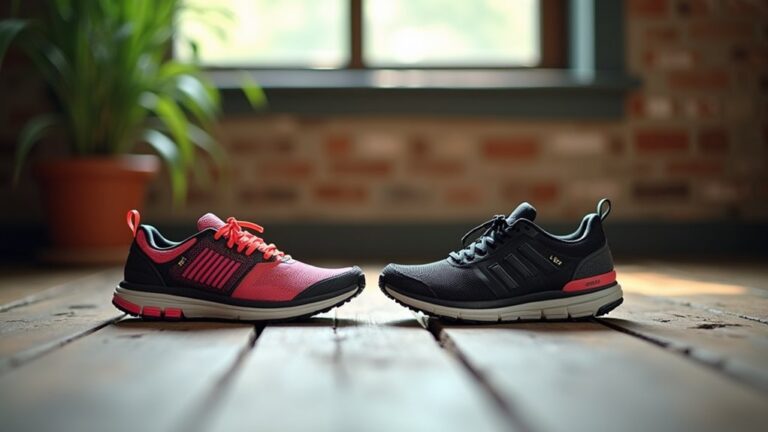
    Flat-soled sneakers help you run naturally. They strengthen your feet and are great for casual wear. These shoes have little to no heel drop. They might not absorb shock well over long distances.

    Cushioned shoes are different. They offer great shock absorption. They have a higher heel-to-toe drop, making them good for long runs. These shoes work well on uneven terrain. They provide comfort but can feel heavier.

    Think about your running style and foot type. This will help you find the best fit. Choose the right shoes for your needs.

  • Sneakers for Knee Pain Relief

    Wearing the right sneakers helps relieve knee pain. Choose shoes with good stability and cushioning. Aim for at least 80 SA at the forefoot. A roomy toe box lets your feet move naturally. Look for a low heel-to-toe drop for better walking. Brands like New Balance and Hoka One One offer great support. Avoid worn-out shoes, as they can increase knee discomfort. Keep exploring for more tips on knee-friendly shoes!

  • High-Top Vs Low-Top Sneakers Support

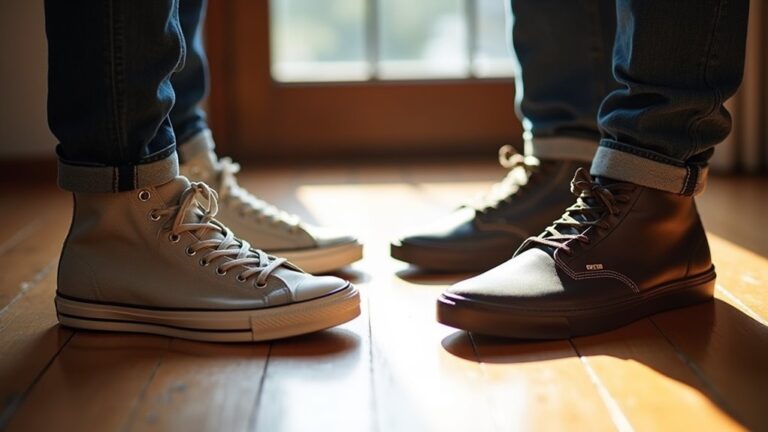
    Choosing between high-top and low-top sneakers depends on the support you want. High-tops cover the ankle, offering more stability. This is great for people with ankle injuries or those playing sports like basketball. Low-tops, on the other hand, provide more freedom to move. They work well for activities like running or soccer, where quick movements are important. Each type has its own benefits. Think about what you will be doing. Pick the style that fits your needs and activities best.

  • Cleaning Mesh Sneakers Safely

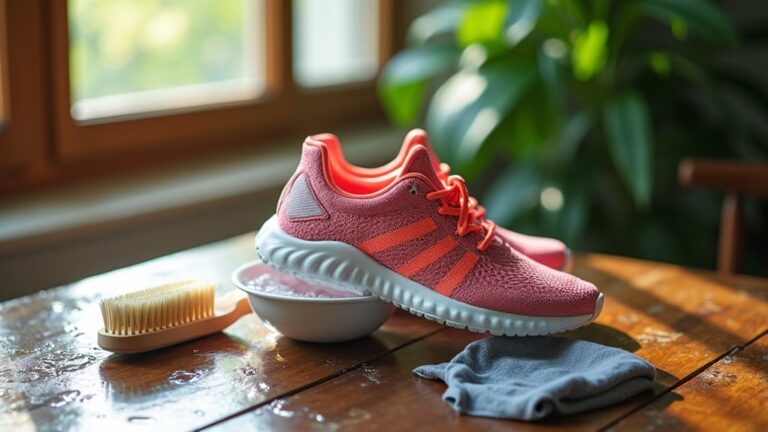
    Cleaning mesh sneakers is easy and safe. Start by taking off the shoelaces. Brush away any loose dirt. Dampen the mesh with cold water. Mix 1 teaspoon of mild detergent with warm water for a gentle cleaning solution. Use a soft brush to scrub in small circles. Rinse your sneakers thoroughly. For tough stains, try a baking soda paste or non-gel toothpaste. Let your sneakers air dry, but keep them out of direct sunlight. Follow these steps for fresh, clean shoes. Enjoy walking in your clean mesh sneakers!

  • Sneaker Rotation Benefits

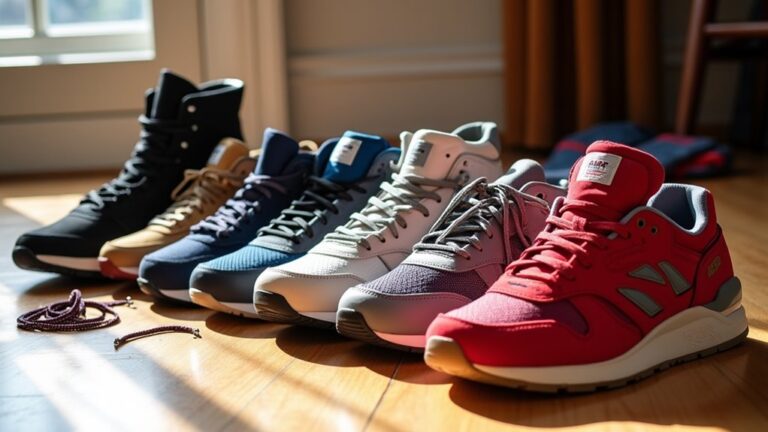
    Rotating your sneakers can make running better. It lowers injury risk by 39%. Different shoes work different muscles. This keeps your body flexible and stops injuries from overuse. Switching shoes helps recovery too. The midsole foam gets to bounce back. Aim for at least two pairs of shoes. Change them out each week. This not only makes your shoes last longer but also boosts your performance. Keep reading to discover smart ways to rotate your shoes.

  • Arch Support Sneakers Guide

    Arch support is key for healthy feet. It helps absorb shock and balance pressure. This can prevent pain and improve stability. Seek sneakers with strong arch support, cushioned midsoles, and deep heel cups. These features reduce fatigue and align your feet correctly.

    People with low arches often benefit from stability shoes. Those with high arches may prefer neutral shoes with extra cushioning.

    Finding the right sneakers can make a big difference. Pay attention to how they feel on your feet. Comfort is vital for daily activities and exercise. Take time to explore options that suit your needs. Your feet will thank you!

  • Cotton Vs Wool Socks Comparison

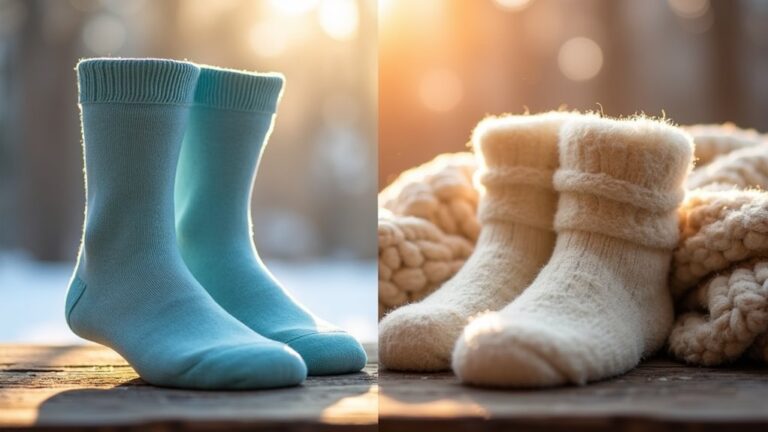
    Cotton and wool socks have different features. Cotton socks feel soft and breathable. They work well for everyday use, especially when it’s warm. Yet, cotton absorbs moisture. This can lead to blisters during intense activities.

    On the other hand, Merino wool socks are great for moisture control. They keep your feet dry and warm. Wool helps regulate temperature, which is perfect for cold weather and workouts.

    Cotton socks do wear out faster than wool socks. Wool is more durable and offers better long-term value. Think about your needs when choosing socks.

  • Compression Socks Benefits

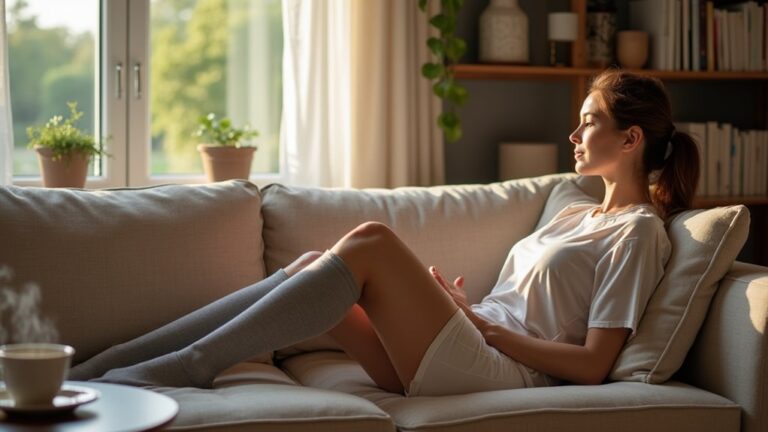
    Compression socks are great for your legs. They boost blood flow and circulation. This helps reduce swelling and discomfort. Sitting or standing for a long time can make your legs feel heavy. Compression socks can help with that.

    These socks also prevent blood clots. They support vein health too. This is especially important for those with varicose veins or chronic venous insufficiency. For the best results, wear them all day.

    Choosing the right size and style matters. Make sure they fit snugly but not too tight. Follow these tips to get the most benefits from your compression socks. Enjoy healthier legs!

  • Difference Between Training and Running Sneakers

    Training sneakers are designed for workouts at the gym. They support quick side movements. These shoes have a lower heel-toe drop and firmer padding. This helps with stability during exercises.

    Running sneakers focus on comfort. They are great for long-distance running. These shoes provide extra cushioning for smooth surfaces. Running shoes are lighter than training sneakers. This helps runners move faster.

    Understanding these differences is important. Choose the right pair based on your activities. Training shoes are best for gym workouts. Running shoes are ideal for running.

    Pick the right sneakers to match your goals. The right shoes will help improve your performance. Enjoy your workouts and runs!