• Foot Hygiene Routine Guide

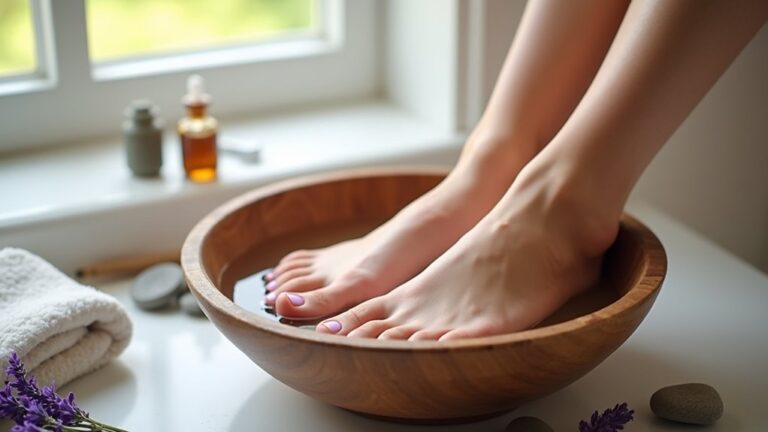
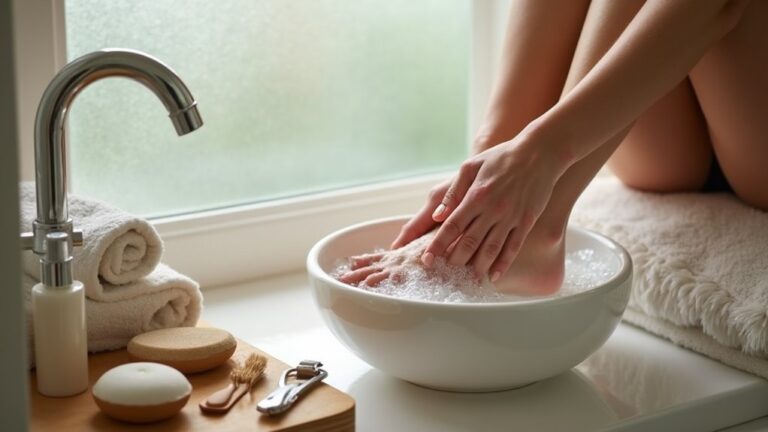
    Keep your feet healthy by washing them daily. Use mild soap and warm water. Clean between your toes. Dry your feet completely to prevent infections. Check your feet often for cuts or blisters. Apply lotion to keep them moisturized. Trim your toenails straight across. This helps avoid ingrown nails.

    People with diabetes must check their feet every day. Special care is important. There are many tips and products to help you. Foot hygiene is key to staying healthy and active.

  • Tips for Sweaty Feet Control

    Control sweaty feet with these simple tips. Start with good hygiene. Wash your feet daily using antifungal soap. Make sure to dry them well, especially between the toes. Use home remedies, like baking soda or black tea soaks. These can help absorb moisture.

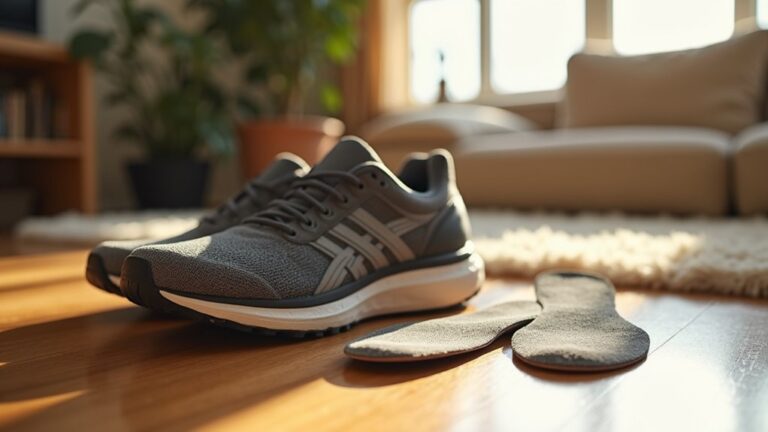
    Pick breathable shoes and moisture-wicking socks. They keep your feet dry and comfortable. Foot powder can also help by absorbing extra sweat.

    If your feet stay wet or smell bad, see a doctor. They can provide special treatments. Taking these steps can help you manage sweaty feet effectively.

  • How to Prevent Blisters From Shoes

    To prevent blisters from shoes, wear shoes that fit well. Look for shoes that give good support. Use sweat-wicking socks to keep your feet dry. Break in new shoes slowly. Wear them for short times at first. Make sure your shoes have half an inch of space for your toes. If your shoes rub, use protective barriers like moleskin. Staying informed helps you learn more tips for preventing blisters. Keeping your feet comfortable is key to enjoying your day.

  • How to Walk in High Heels Safely

    To walk in high heels safely, practice at home first. Test your heels in short bursts. Use a heel-to-toe technique. This means putting your heel down first. Take small steps to keep your balance. Lean back slightly for extra stability. Think about where you will wear the heels. Choose lower heels for tricky places. Remember to take breaks when you need them. Comfort is key as you get better. More helpful tips await you.

  • Nail Care Tips for Healthy Feet

    To keep your feet healthy, focus on regular nail care. Trim toenails straight across. Do this after a shower when nails are softer. Check your nails daily for any discoloration. This is especially important for people with diabetes. Do not cut cuticles. Instead, gently push them back. This helps the nails grow better.

    Keep your nails and the skin around them hydrated. This will prevent dryness. Wash your feet every day. Be sure to dry them well, too. Always wear shoes that fit well. Follow these tips for healthier feet. You can also find more ways to care for your feet.

  • How to Clean Suede Boots at Home

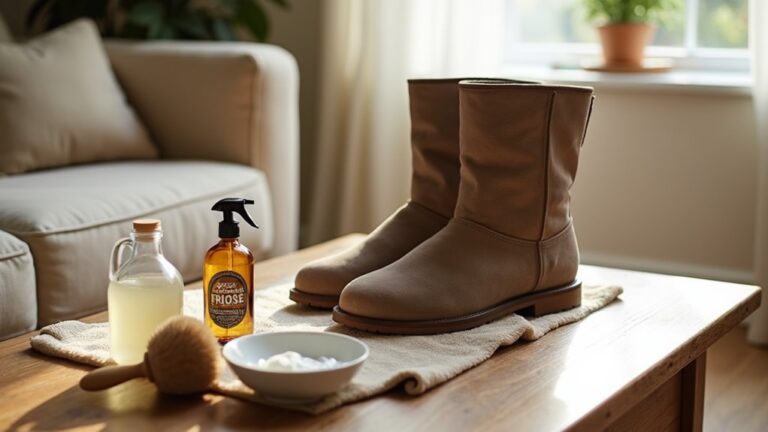
    To clean your suede boots at home, start by taking off the laces and insoles. Grab a soft brush. Gently brush away dirt, following the nap’s direction. For tougher stains, use a cloth with some white vinegar. Dab the stain carefully. Let your boots air dry. Keep them away from direct heat sources. After they dry, use a suede protector. This helps keep future stains away. Regular care will make your boots last longer. Stay tuned for more tips on taking care of your suede footwear.

  • Waterproofing Methods for Boots

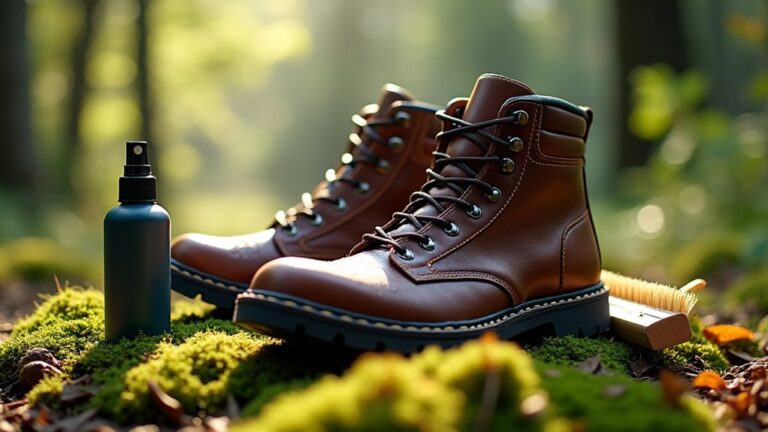
    Waterproofing your boots is essential for keeping them dry and comfy. First, check the material. Most boots are leather or synthetic. Clean your boots well before applying any product. For leather, use waterproof sprays or conditioners. These help keep the leather soft and flexible.

    For tough weather, wax treatments work well. Be careful with wax if you plan to resole your boots later. Reapply waterproofing every 2 to 3 months for the best results. Always let your boots dry naturally. Many options exist to help your boots stay dry and comfortable. Enjoy your adventures, rain or shine!

  • How to Break in Leather Boots

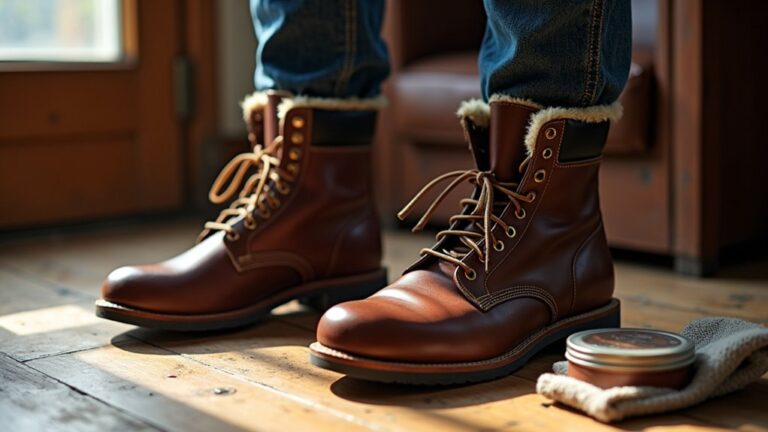
    To break in leather boots, wear them for short periods each day. This helps the leather soften. Make sure the fit is snug but not too tight, especially around your toes. Use adhesive bandages on areas that rub against your feet. This will prevent blisters. Gradually wear the boots longer and do light activities. This helps the boots mold to your feet. With patience, your boots will become comfortable. Learn about leather quality and how to care for your boots. Proper maintenance keeps them looking good and lasting longer.

  • Types of Boots for Walking

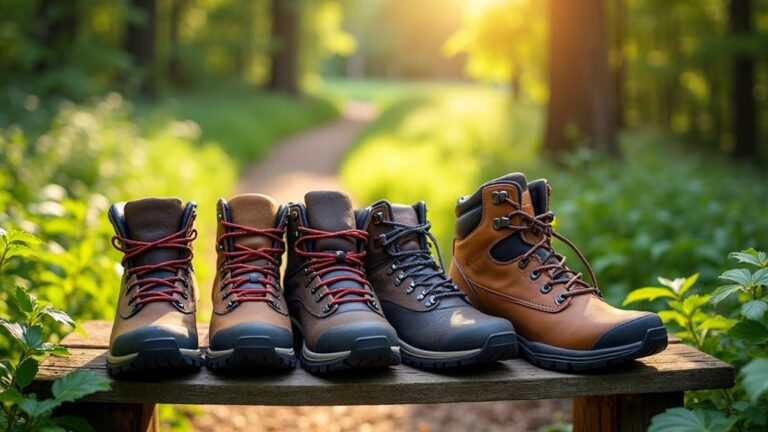
    Boots for walking come in different types to meet your needs. Medical walking boots help stabilize injuries and support healing. Hiking boots are ideal for outdoor adventures. They range from lightweight for short walks to heavy-duty for long hikes. Casual walking boots offer comfort for everyday use. Many are made from waterproof materials. Each type provides support and comfort. A good fit is important.

    Many brands offer great options. Look for features that suit your activity. Comfort, support, and style matter. Get the right boots for your walking needs. Enjoy your walks!