
Preventing Blisters in Heels
This post contains affiliate links. As an Amazon Associate, we earn from qualifying purchases.
To prevent blisters in your heels, choose well-fitting shoes that accommodate slight swelling and wear moisture-wicking socks to keep your feet dry and minimize friction. Gradually break in new heels by wearing them for short periods, and consider switching shoes frequently to alleviate pressure. For additional protection, use blister pads for extra cushioning. We will explore more tips and details to help keep your feet comfortable throughout this article.
Essential Facts in 30 Seconds
- Choose well-fitting heels that accommodate foot swelling and avoid tight styles.
- Wear moisture-wicking socks to keep feet dry and decrease friction.
- Break in new heels gradually by wearing them for short periods.
- Use protective products like heel patches or blister pads for cushioning.
- Change shoes regularly during extended wear to relieve heel pressure.
Understanding Blisters and Their Causes
Blisters can happen when skin rubs against something repeatedly, especially on your heels. This friction damages the skin and causes fluid to collect under the top layer. Poorly fitting shoes are a common cause. Damp skin can also make blisters more likely. Friction from shoe materials or seams can add to the problem. Tight boots or wrinkled socks create spots that rub against your skin.
Watch out for any signs of irritation. Redness or discomfort means you need to act fast. Taking care of these early signs can stop blisters before they start. To further reduce the risk of blisters, consider using moisture-wicking socks to keep your feet dry and minimize friction.
Use protective pads on areas that rub. Moisture-wicking socks can help keep your feet dry and reduce friction. These simple steps can keep your heels comfortable and help you avoid blisters while walking.
The Importance of Proper Footwear
Finding the right shoes is important for keeping your heels free from blisters. Good footwear reduces friction and irritation, which cause blisters. Shoes made for specific activities provide support and comfort. This helps prevent blisters from happening. Investing in arch support sneakers can significantly enhance overall foot comfort and reduce the risk of blisters.
| Shoe Type | Benefits |
|---|---|
| Running Shoes | Great cushioning and support |
| Hiking Boots | Strong ankle support and grip |
| Dress Shoes | Stylish and fits well |
Break in new shoes gradually. This helps them fit your feet better and reduces tight spots. Wear moisture-wicking, breathable socks with your shoes. This controls sweat and keeps your feet dry, lowering the chance of blisters.
Check your shoes often. Foot size can change over time. Worn-out shoes increase friction and are more likely to cause blisters. Prevent blisters by investing in shoes that fit well and match your activities. Choose wisely for happy feet!
Effective Blister Prevention Strategies
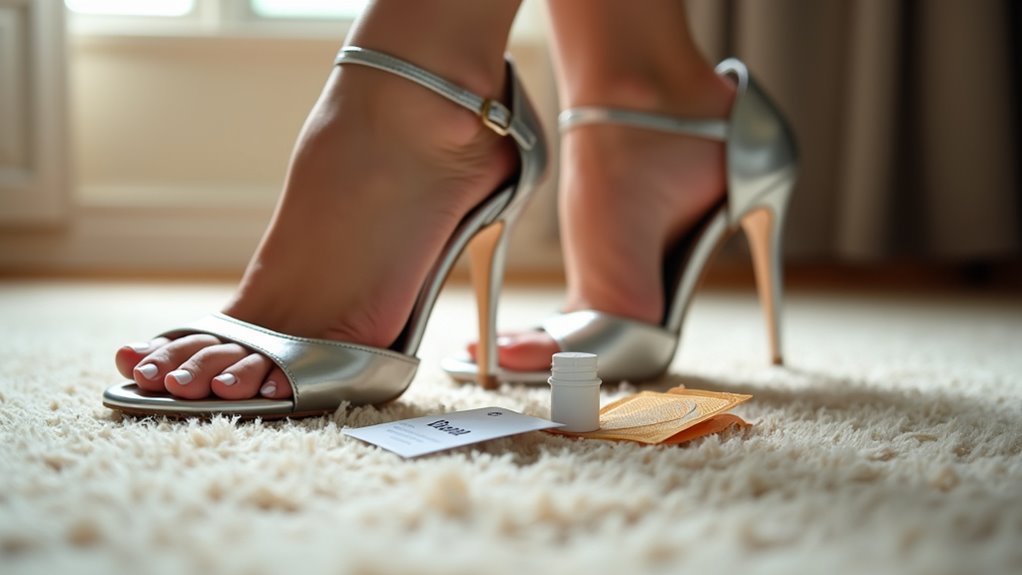
To keep your feet blister-free, use these effective tips for wearing heels:
- Pick the right size: Shoes should fit well and allow for foot swelling. Comfort is important to reduce friction.
- Wear moisture-wicking socks: Choose synthetic or wool socks. They keep feet dry and lower irritation.
- Break in new heels slowly: Wear them for short times indoors. Use protective bandages on areas that rub.
- Change your shoes often: Take breaks from high heels. This reduces pressure on your feet and lowers blister risk.
- Consider wide or extra-wide sizes for a more comfortable fit that accommodates your foot shape.
Follow these steps to enjoy your heels without pain!
Protective Products for Blister Prevention
Keep your feet comfy while wearing heels. Use protective products to prevent blisters. ENGO Heel Patches work well. They create a barrier that reduces friction in your shoes, especially at the heel.
PelliTec Blister Pads help with pressure and are easy to remove. Specialized blister prevention socks made from moisture-wicking materials can also help. They reduce friction and keep your feet dry.
Tape like Fixomull Stretch or RockTape can help too. These tapes spread pressure on sensitive areas. You’ll need to put them on every day.
Gels and creams can make your skin stronger against rubbing and moisture. Additionally, using supportive insoles can provide extra cushioning and help absorb shock, further reducing the risk of blisters.
Check your feet for signs of infection. Look for redness or swelling if a blister forms.
With these products, you can wear your heels without worrying about painful blisters. Enjoy your day in comfort!
Treatment Options for Blisters
Blisters can be very uncomfortable, but there are ways to treat them. Here are some effective methods:
- Use a blister bandage. This helps cushion the area and protects it while healing.
- Draining the blister. Only do this if necessary. Sterilize a needle and gently puncture the edge. Keep the skin on top intact.
- Apply antibiotic ointment. After draining, cover the blister with ointment and a clean bandage. This helps prevent infection.
- Watch for signs of infection. Look for increased redness, swelling, or pus. Seek medical help if you notice these symptoms.
Do not pop blisters unless you must. The fluid inside protects the area and helps it heal.
Treating blisters properly can improve your comfort and speed up recovery.
Monitoring and Caring for Blisters
Caring for blisters is important for fast healing and to avoid problems. Check your blisters often for signs of infection. Look for redness, swelling, or pus. Get medical help if you see any of these signs.
Keep the blister clean and dry. Wash it gently with mild soap and water. After cleaning, put on a blister bandage. This helps protect and heal the blister.
During physical activities, check your blisters every day. If you feel irritation, adjust your shoes or use protective products right away.
Don’t drain blisters unless you have to. The fluid inside helps protect the area and aids healing. If you need to drain one, make sure your tools are clean.
Use donut pads or blister bandages to cushion the blister. This reduces friction and pressure, helping it heal faster.
Frequently Asked Questions
Can Certain Sock Materials Help Prevent Blisters?
Certain sock materials can help stop blisters. Choose socks made of moisture-wicking synthetic fibers or merino wool. These materials keep your feet dry. Cotton socks can hold moisture, which leads to blisters.
Liner socks are a great option too. They reduce friction against your skin. Padded socks add extra comfort during activities. Keeping your feet happy helps you enjoy your day.
How Often Should I Replace Blister Prevention Patches?
Replace blister prevention patches every few days. Change them sooner if they lose stickiness. Wet or dirty patches need immediate replacement. For long events, swap them daily. This keeps your skin safe from friction and blisters. Regular changes mean better protection for your feet. Stay comfortable and active!
Do Blisters Heal Faster if Left Uncovered?
A simple covering can speed up healing. Blisters heal faster when covered. This protection reduces irritation. It also keeps the area moist. Moisture helps the skin repair itself. A covering acts like a cushion. It protects the blister from bumps and friction. With less discomfort, recovery is quicker. Remember, keeping blisters covered is key for faster healing.
Are There Specific Ballet Flats Less Likely to Cause Blisters?
Certain ballet flats can help prevent blisters. Choose styles with cushioned insoles. Look for breathable materials that keep your feet cool. Arch support is also important for comfort. A wider toe box gives your toes more space. Flexible soles allow for easier movement. All these features reduce friction and improve comfort. Picking the right ballet flats makes a big difference. Enjoy wearing them without worry!
Can Foot Size Change Affect Blister Formation?
Foot size changes can affect blister formation. A change in size can make shoes fit poorly. Shoes that are too tight cause more friction. This friction leads to pressure points. Pressure points can create blisters. Loose shoes also cause problems. They can rub against the skin. This rubbing can also cause blisters.
Wearing the right shoe size is important. It helps prevent blisters. Choose shoes that fit well. Comfort is key. If your feet get bigger or smaller, check your shoe size often. Keeping shoes that fit can save you from painful blisters.
Conclusion
Prevent blisters on your heels by picking the right shoes and using protective products. Good-fitting shoes feel like a comfy hug for your feet. Too tight or too loose will cause problems. Regularly check your feet for blisters. Treat any signs quickly to avoid pain. Use blister pads or bandages for extra protection. Keep your feet dry and clean. Moisture can lead to blisters. Don’t forget to wear the right socks. They can help reduce friction. Follow these tips to enjoy your activities without blisters. Happy feet mean happy days!