
Shoe Lacing Techniques for Comfort
This post contains affiliate links. As an Amazon Associate, we earn from qualifying purchases.
Shoe lacing techniques significantly enhance comfort and performance during runs. Implementing specific lacing methods can prevent heel slippage, alleviate pressure on high arches, and accommodate wide feet. For a more secure fit, try heel lock lacing at the last eyelet. If you have high arches, parallel lacing can help relieve discomfort, while criss-cross lacing every other eyelet is ideal for wide feet. Adjusting your lacing patterns is essential for preventing pain and injuries. Further details and tips on suitable lacing styles will follow for those who want a deeper understanding.
Essential Facts in 30 Seconds
- Heel lock lacing enhances shoe fit, reduces heel slippage, and minimizes blister risk during runs.
- Parallel lacing distributes pressure evenly, ideal for high arches or discomfort from traditional lacing.
- Adjust lacing styles: skip eyelets for narrow feet; criss-cross every other eyelet for wider feet.
- Regularly check and adjust lacing patterns to prevent foot pain and injuries from improper fit.
- Utilize online lacing guides for personalized techniques addressing specific foot issues for improved comfort.
Importance of Lacing Techniques
Lacing techniques are vital for running comfort and performance. A snug fit keeps your foot in place. This fit helps prevent heel slippage and blisters. Both issues can make running uncomfortable.
Different lacing methods suit various foot shapes and running styles. For example, runners with wider feet may need looser lacing near the toes. Small changes in lacing can make a big difference.
Persistent foot problems need a doctor’s advice. Poor lacing can make issues worse. Many online lacing guides can help you find the right method.
Adjusting your lacing can boost both comfort and performance during your runs.
Heel Lock Lacing
Heel lock lacing offers a great way to improve shoe fit and comfort. This method helps prevent heel slippage, especially for those with wide feet.
Start by lacing your shoes in a criss-cross pattern. Go up to the second-to-last eyelet. Next, make a loop by threading the lace through the last eyelet. After that, cross the laces through the loops you created. This technique keeps your heel secure and reduces movement. Less movement means a lower risk of blisters from friction.
Heel lock lacing works well for runners and athletes who want a snug fit for better performance. It’s easy to use on different types of shoes, too.
Anyone can try it for a better fit. Enjoy more comfort and stability during your activities with this simple method.
Parallel Lacing
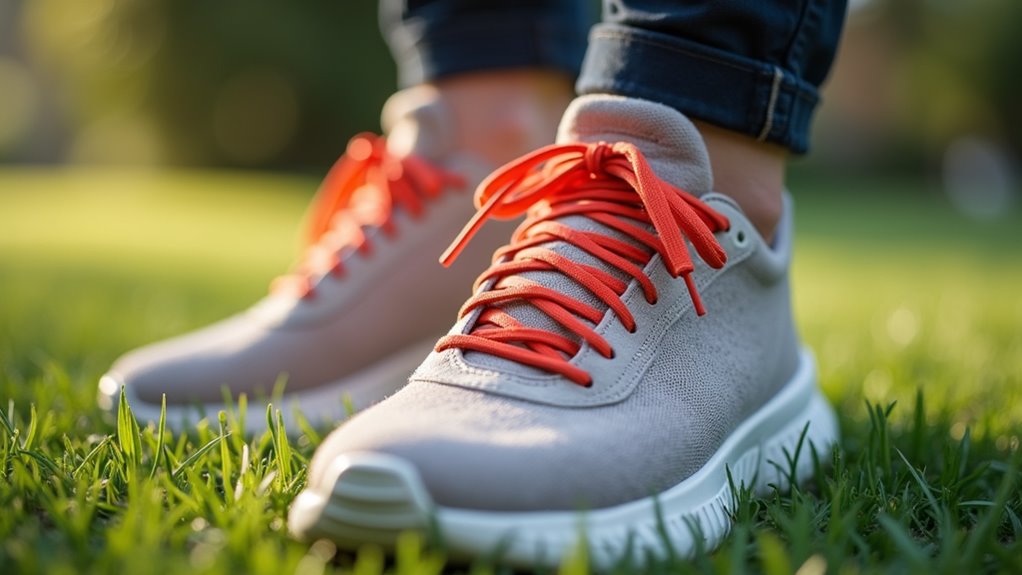
To relieve tightness on the top of your foot, use parallel lacing. This method spreads lace pressure evenly. It works well for people with high arches or those who feel discomfort from regular lacing.
To do parallel lacing, follow these steps:
- Lace your shoes straight across. Skip every other eyelet.
- This helps to reduce pressure on your foot.
- Bring the lace up the side of the eyelets.
- Tie your shoes normally for a snug fit.
Try this technique for more comfort in your shoes. Enjoy walking without pain!
Lacing Styles for Different Foot Types
Finding the right lacing style can change how comfortable your shoes feel. Each foot type needs a different approach.
For high arches, lace your shoes normally. Only use the side eyelets in the middle. This helps relieve pressure on your arch.
For a wide forefoot, thread the lace through the sides. Criss-cross from the midfoot onward for a better fit.
For narrow feet, lace normally but skip one eyelet. Criss-cross to make it snugger.
For overall wide feet, use a criss-cross lacing technique. Criss-cross every other eyelet for comfort.
If you have a high midfoot, lace normally. Thread through the side eyelets, criss-cross after the bruising point.
These lacing techniques can help you find the right fit. Happy feet make walking or running much better!
Preventing Foot Pain and Injuries
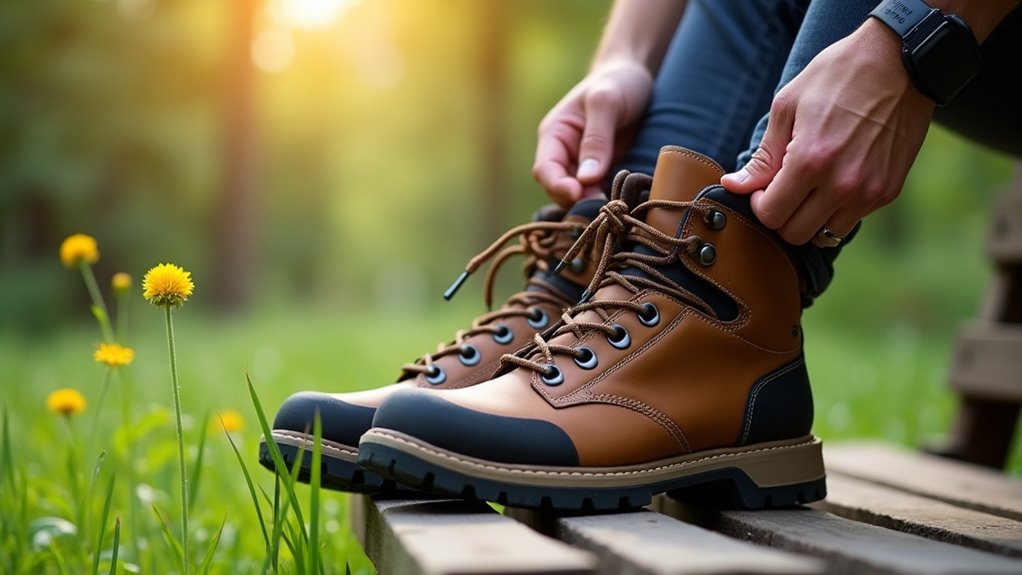
Foot pain and injuries can really affect your daily life. To keep your feet comfortable and safe, try these shoe lacing techniques:
- Use the heel lock lacing method. This helps stop your heels from slipping.
- Tighten your laces well. This prevents heel movement, which can cause blisters.
- Adjust your lacing pattern. Skipping eyelets can relieve pressure on certain spots.
- Change lacing for foot problems like hammer toes or ingrown toenails.
Check your shoe fit regularly. Shoes that fit well help avoid injuries. A secure heel keeps your foot stable. This lets you enjoy your activities without pain. Proper fit promotes better alignment, which is crucial for foot health.
Simple lacing adjustments can greatly improve how your shoes feel. Keep your feet happy, and you’ll be ready for anything!
General Foot Health Tips
Taking care of your feet is simple and important. Start by finding shoes that fit well. Your shoes should match your foot shape perfectly. Regularly check for any pain or discomfort. A good fit helps prevent blisters and other foot problems.
Keep your feet clean and dry. Wash them daily and dry between the toes. Moisturize the skin to avoid cracking. Trim your toenails straight across to prevent ingrown nails.
Wearing socks made from breathable materials is helpful. This keeps feet dry and reduces the risk of fungus. Walking barefoot can be nice, but be careful of sharp objects.
If you experience pain or swelling, consult a foot specialist. They can offer advice and treatment. Understanding foot shape is essential for selecting the right shoes to enhance comfort.
Healthy feet lead to a more active life. Take care of them!
Proper Shoe Fit
A good shoe fit matters for your comfort and foot health. Shoes that are too tight or too loose can lead to blisters, calluses, and pain.
Follow these tips for a better shoe fit:
- Measure your feet often. They can change as you age.
- Pick shoes that match your foot shape. Consider any foot problems you have.
- Use lacing techniques to adjust the fit. This helps reduce pressure points.
- Ask a shoe expert for help. They can give you advice on the best shoes and lacing methods.
- Regular foot measurements are essential as foot size can change over time.
Finding the right fit is key. Your feet will thank you!
Regular Foot Assessments
Healthy feet need more than just the right shoes. Regular foot assessments help spot problems like bunions, corns, and ingrown toenails early. Check your feet every six months. This is especially important for people with diabetes.
During an assessment, look for proper alignment and skin health. Notice any changes in your nails. These signs can mean there are issues that need help.
A professional assessment gives personalized advice. You’ll learn about the best shoe fit and lacing techniques for your feet. Regular foot assessments can also help ensure that you are maintaining good foot hygiene practices, which are essential for overall foot health.
Regular foot assessments improve your foot health. They help prevent pain and injuries from bad footwear.
Taking these steps keeps your feet happy and healthy!
Consult Foot Specialists
Foot health is important for overall well-being. Consulting foot specialists can greatly improve comfort and shoe fit. These experts help identify foot problems and suggest lacing methods to enhance comfort.
Here are some key benefits of visiting a foot specialist:
- Get advice tailored to your foot type.
- Early check-ups help prevent injuries.
- Find the right shoes for your needs.
- Quickly address any discomfort.
- They can recommend appropriate orthotic insoles to provide stability and alleviate pain.
Don’t wait for pain to start. Regular visits to a foot specialist can make your shoes feel better.
Take the first step towards healthier feet today!
Frequently Asked Questions
How Often Should I Replace My Shoelaces?
Replace your shoelaces every 6 to 12 months. The timing depends on how often you use them. Check for signs of wear. Look for fraying or stretching. These signs mean it’s time for new laces. Worn shoelaces can affect your shoes’ performance. Don’t wait too long. Fresh laces keep your shoes looking good and working well. Regularly changing them helps avoid accidents too. Take care of your shoes. Enjoy your walks and runs with strong, reliable shoelaces!
Can I Lace Shoes Without Eyelets?
You can lace shoes without eyelets! Use hooks, loops, or sticky locks to keep your laces secure. These options work well and help your shoes fit snugly. Make sure they feel comfortable and provide support. No need to worry if your shoes lack eyelets. Many creative ways exist to lace them up nicely. Enjoy your stylish, unique look!
What Materials Are Best for Shoelaces?
For shoelaces, consider these materials. Cotton offers comfort. It feels soft and is easy to tie. Nylon is strong and durable. It can handle rough use without breaking. Polyester gives a good balance of strength and comfort. Leather looks classy but needs more care. It can wear out if not maintained. Pick the material that matches your shoes and style best!
Do Different Lacing Techniques Affect Shoe Lifespan?
Different lacing techniques can make your shoes last longer. Proper lacing helps keep your foot secure. This prevents your foot from sliding around inside the shoe. Less movement means less wear on the materials. Less friction means the shoe stays in better shape.
Using different lacing methods can also improve comfort. A snug fit reduces pressure points. This helps avoid blisters and foot pain. A comfortable shoe lasts longer because you wear it more.
Simple lacing tricks can change the way your shoes fit. Experiment with different styles to find what works best for you. Try lacing techniques like the heel lock or the ladder lacing. Each can help improve your shoe’s lifespan.
Taking care of your shoes is important. Lacing them correctly is just one way to do that. With the right techniques, your shoes can look and feel good for a long time.
Can Lacing Techniques Improve Shoe Performance in Sports?
Lacing techniques can enhance shoe performance in sports. A secure fit helps improve stability. It also reduces unnecessary movement during activities. Less movement means less friction. This leads to better comfort and efficiency.
Using different lacing styles can target specific foot issues. For example, runners can use a “heel lock” to prevent slipping. This can help avoid blisters and discomfort. Basketball players might prefer a tighter fit for quick stops and jumps.
Experimenting with lacing can make a big difference. It is an easy way to boost your game. Proper lacing is key for any athlete. So, take the time to adjust your laces for the best results.
Conclusion
Using the right lacing techniques makes shoes more comfortable. A heel lock gives stability. Parallel lacing offers a snug fit. Each method helps in its own way. Lacing is not just for looks. It plays a big role in foot health. Proper lacing can prevent pain and injuries. Your feet deserve comfort with every step. Lace up correctly and enjoy that cloud-like feeling!