
Shoe Toe Box Width Guide
This post contains affiliate links. As an Amazon Associate, we earn from qualifying purchases.
When choosing shoes, it’s crucial to prioritize the toe box width for optimal comfort and foot health. Measuring your feet at the widest part and opting for your larger foot size ensures a proper fit, which can prevent pain and blisters. Brands like Altra are known for their wider toe boxes that promote natural foot movement. For those interested in a deeper understanding of selecting the right toe box shape and enhancing fit, further details will follow.
Essential Facts in 30 Seconds
- Measure the widest part of your foot to find the right toe box width.
- Brands like Altra provide wider toe boxes for comfort and injury prevention.
- An improper toe box can cause ingrown toenails, blisters, and long-term foot issues.
- Select shoes that match your foot shape for optimal comfort and movement.
- Regularly measure your feet, as sizes can change; always consider the larger foot for the best fit.
Understanding Shoe Toe Box Width
Understanding shoe toe box width is key for comfort. The toe box measures the width at a specific point. This helps prevent tightness and allows your toes to spread naturally. Comfort is crucial, especially for activities like running.
Wider feet need shoes with roomy toe boxes. Brands like Altra make shoes that have this feature. Picking the right size and width matters a lot. A well-measured toe box width keeps your feet safe from injuries like ingrown toenails or Morton’s neuroma. Proper fit promotes better alignment and overall foot health.
Your foot shape and size affect your shoe choice. Studies show a link between the upper maximum width and the big toe area. This makes toe box width an important detail.
Importance of Proper Toe Box Fit
A proper toe box fit keeps your feet healthy and comfortable. The right toe box width prevents many foot problems.
Here are key reasons why this fit is important:
- It helps avoid injuries like ingrown toenails and Morton’s neuroma.
- A loose fit causes instability, blisters, and black toenails.
- Comfort improves during running with space for different foot shapes.
- Proper toe positioning stops long-term issues like hammer toes and bunions.
- Athletes see better performance with the right fit in their shoes.
- Understanding foot shape characteristics is crucial for selecting the ideal toe box size.
Choosing the right toe box is essential for your foot health.
Measuring Your Foot for the Right Fit
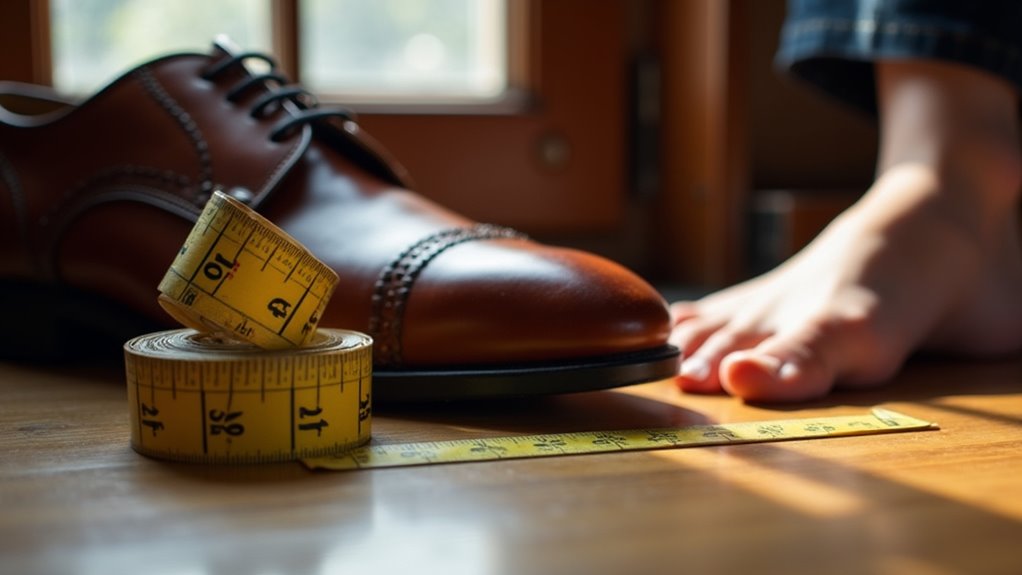
Measuring your foot is key to finding the right shoe fit. Start by tracing your foot on a piece of paper. Make sure to measure at the widest part to get an accurate width. Measure both feet because they may be different sizes. Always use the larger foot for your shoe choice. If you wear AFOs, remember to include them when tracing.
Use this shoe width measurement chart to help select the right fit:
| Width Type | Men’s Size | Women’s Size |
|---|---|---|
| Narrow | A | B |
| Standard | D | D |
| Wide | 2E | 2E |
| Extra Wide | 4E | 4E |
| Super Wide | 6E | N/A |
Check this chart for your next pair of women’s shoes. Remember that foot size can change over time, so measure your feet at least once a year for the best fit!
Consequences of an Ill-Fitting Toe Box
Wearing shoes that don’t fit well can cause many problems. A shoe with a tight toe box can lead to ingrown toenails. This happens when the nail grows into the skin. It can also cause Morton’s neuroma, which is painful.
On the other hand, shoes that are too loose can make it hard to walk. This can lead to blisters and black toenails. Blisters can hurt a lot and make it hard to wear shoes. Black toenails can be a sign of damage. Additionally, wearing shoes made from breathable fabrics can help reduce moisture build-up, further preventing blister formation.
Taking care of your feet is important. Always choose shoes that fit properly. Good shoes can help you stay comfortable and healthy.
Injury Risks Explained
Shoes that don’t fit well in the toe box can cause painful injuries. A tight toe box puts pressure on your toes. This can lead to serious problems.
Here are some injuries you should know about:
- Ingrown toenails: Too much pressure can cause these painful nails.
- Morton’s neuroma: A tight toe box can hurt the nerves in your foot.
- Blisters and black toenails: Loose shoes can make your feet slide and create friction.
- Hammer toes and bunions: Wearing wrong-sized shoes for a long time can cause these issues.
- Ankle sprains: A bad toe box fit can make your feet less stable during activities.
Pay attention to your shoe size. The right fit keeps your feet safe and healthy! Additionally, wearing shoes with arch support can help alleviate discomfort and prevent injuries associated with improper fit.
Discomfort Symptoms Identified
A poorly fitting toe box causes many discomfort symptoms. A tight toe box can make your toes tingle or feel numb. These signs mean it’s time to find new shoes.
A loose toe box can lead to instability, blisters, and black toenails. These issues increase your risk of injuries. Bad shoe fit also hurts ankle support, raising chances of sprains.
Ill-fitting toe boxes may cause long-term problems like bunions or hammer toes. This can lead to ongoing pain. Choosing the right shoes can alleviate discomfort and help prevent these conditions. Pay attention to these signs of discomfort. They can hurt your performance and enjoyment during activities.
Make sure your toe box fits perfectly!
Long-Term Foot Issues
Ill-fitting toe boxes cause serious foot problems over time. Wearing shoes that don’t fit your foot width or shape leads to discomfort. This can create long-lasting issues.
You might face:
- Ingrown toenails from tight spaces.
- Morton’s neuroma, which brings pain between toes.
- Hammer toes and bunions from constant pressure.
- Increased risk of sprains due to poor ankle support.
- Blisters and black toenails from rubbing in loose shoes.
Finding shoes that fit well is key for comfort and foot health. Regular discomfort signals it’s time to find new shoes. Additionally, proper footwear can significantly impact joint health and prevent further complications.
Prioritize a proper toe box width. This can help prevent chronic foot problems and keep you moving easily for years.
Choosing the Right Toe Box Shape
Selecting the right toe box shape is key for comfort while running. The toe box shape affects how your feet feel during your run.
Foot-shaped designs, like Altra’s, provide a natural fit. This is different from the traditional tapered toe boxes found in brands like Nike.
For those with a Greek foot type, a standard-width toe box may offer the best comfort, even if your foot is wider. For instance, the Altra Torin 8 has a toe box width of 95.3 mm and a taper of only 12.3%. This gives a roomy fit.
On the other hand, the Nike Pegasus 41 has a width of 94.6 mm and a taper of 22.9%.
Choosing the right toe box shape helps prevent discomfort and injuries, such as blisters and hammer toes. Additionally, investing in arch support sneakers can further enhance comfort and foot health while you run.
Always keep in mind your foot’s width and toe shape when making your choice.
Enhancing Fit With Socks and Accessories
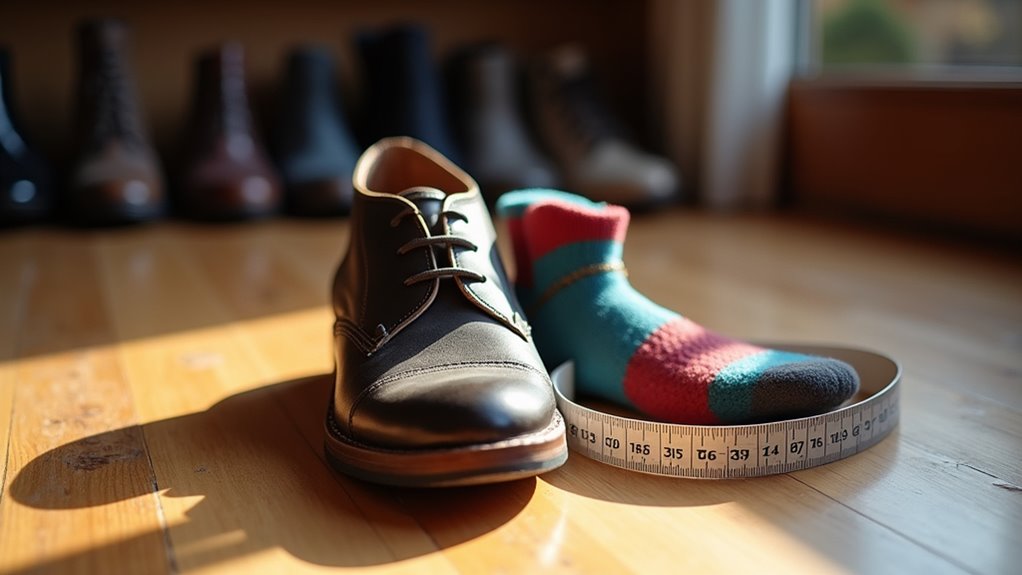
Improving the fit of your running shoes is important for comfort and performance. The right socks play a big role in this.
Here are some sock options to consider:
- Thin socks give a snug feel in shoes that are a bit loose.
- Thicker socks provide warmth for chilly runs.
- Quality running socks made from nylon or polyester can make shoes fit better.
- Breathable thick socks help keep your feet cool during summer runs.
- Regular socks work well for a good fit without changing shoe size too much.
Choosing the right socks can enhance your running experience, as sock choice impacts comfort and overall performance.
Comfort leads to better performance.
Frequently Asked Questions
How Do I Know My Toe Box Width Size?
To find your toe box width size, follow these steps. First, trace your foot on a piece of paper. Make sure to stand up straight while doing this. Next, measure the widest part of your foot. You can use a ruler or a measuring tape. After that, check a shoe width chart online. This chart shows different sizes and widths.
It’s important to measure both feet. Many people have one foot larger than the other. Always choose the size based on the larger measurement. This will give you the best comfort when wearing shoes. Remember, a good fit helps you walk better and feel good.
Can Toe Box Width Affect My Athletic Performance?
Toe box width plays a big role in athletic performance. Runners in shoes with a wider toe box feel 20% less foot fatigue. This comfort helps with stability. Better stability means improved endurance during runs and competitions. A wider toe box allows toes to spread out. This reduces pressure and discomfort. When feet are happy, athletes perform better. Choosing the right shoe can make a real difference. Comfort leads to longer training sessions and stronger competition.
Are There Specific Brands Known for Wider Toe Boxes?
Brands like Altra, New Balance, and Brooks offer shoes with wider toe boxes. These shoes give your toes more room to move. This extra space makes them comfortable and helps with performance. They are great choices for people with wider feet. Finding the right fit can improve your walking or running experience. Remember, comfort is key when choosing footwear.
How Often Should I Check My Toe Box Size?
Check your toe box size every year. If your toes hurt or swell, measure sooner. Runners must check before buying new shoes. This is especially important when trying new brands or styles. A proper fit helps prevent blisters and discomfort. Remember, happy feet make happy runs!
Do Different Shoe Styles Require Different Toe Box Widths?
Most runners need different toe box widths for different shoe styles. Daily trainers should have a roomier fit. This allows your toes to move comfortably. Racing shoes, on the other hand, need a snugger toe box. A tight fit helps with better performance and less foot movement.
Finding the right width is important for comfort and speed. A shoe that fits well can help prevent blisters and discomfort. Make sure to try on different styles. Your feet deserve the best fit for every run.
Conclusion
Finding the right toe box width is important. A good fit keeps your feet comfortable. It helps prevent blisters and pain. Measure your feet often. Sizes can change as you grow. The right shoes make walking easy. You will feel more confident with the right fit. Take your time to choose shoes wisely. Happy feet mean happy steps!