
Types of Boots for Walking
This post contains affiliate links. As an Amazon Associate, we earn from qualifying purchases.
When searching for boots for walking, it’s essential to consider the type that best suits your needs. Medical walking boots are designed to stabilize injuries and aid healing, while hiking boots offer support for outdoor adventures, ranging from lightweight options for day hikes to heavy-duty versions for longer excursions. For everyday comfort, casual walking boots are typically made from waterproof materials. Each type emphasizes support and comfort, ensuring a proper fit. Further details and insights on specific brands and models will follow for those interested in making the best choice.
Essential Facts in 30 Seconds
- Walking Boots: Supportive footwear designed for injury recovery, available in tall and low-top styles.
- Medical Walking Boots (CAM Boots): Crucial for healing fractures, featuring adjustable straps and air cells for stability and comfort.
- Hiking Boots: Designed for outdoor use, offering stability and support in lightweight, mid-cut, and heavy-duty options, often water-resistant.
- Casual Walking Boots: Lightweight and comfortable for daily wear, typically waterproof with good arch support and traction.
- Proper Fit: Essential for all boot types to ensure comfort, support, and to prevent skin irritation.
Understanding Walking Boots
Recovering from a foot or ankle injury can be tough. Understanding walking boots helps speed up healing. Walking boots, also known as medical or orthopedic boots, support your foot and ankle. They work well for ankle sprains, fractures, and soft tissue injuries.
There are two types of walking boots: tall and low-top. Tall boots give extra support. Low-top boots are lighter and easier to wear. Air cast boots have air cushions. This feature makes them more comfortable and allows controlled movement during recovery.
Usually, you need to wear these boots for about two weeks. Always listen to your healthcare provider’s advice for the best results.
A proper fit is very important. The boot should feel snug, not tight. This way, it prevents skin irritation and gives you the support you need while healing.
Medical Walking Boots for Injuries
Medical walking boots, also called CAM boots, are vital for injury recovery. They support your foot and help heal ankle fractures and soft tissue injuries.
Here are key features to know:
- They keep the foot still for healing.
- Different styles are available for specific injuries. Short boots work well for toe problems.
- Adjustable straps help ensure a snug and comfortable fit.
- Some models have air cells to provide extra support during walking.
- Always follow your doctor’s advice on how long to wear the boot.
Wearing a CAM boot can help control ankle movement. This allows for better recovery of your foot and ankle.
Most people wear it for about two weeks, depending on the injury. Using these boots correctly can speed up your healing and get you moving again sooner.
Hiking Boots for Outdoor Activities
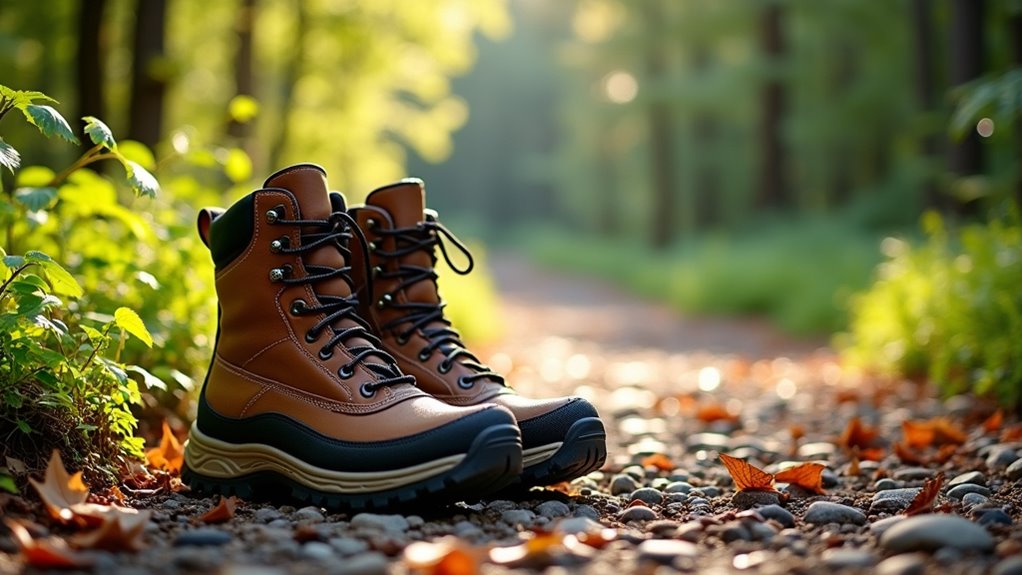
Hiking boots are essential for outdoor activities. They provide stability and support on rough trails. Good boots also offer strong traction to keep you safe.
Consider the different types of hiking boots. Some are lightweight for day hikes. Others are heavier and designed for long treks. Look for features like ankle support. This helps protect your feet and ankles.
Water resistance is another important feature. It keeps your feet dry in wet conditions. Breathability matters too. Boots that allow air circulation keep your feet comfortable.
Fit is crucial. Boots should feel snug but not tight. Remember to try them on with the socks you plan to wear. This ensures the best fit for your adventures. Additionally, measuring your feet accurately can help you find the right size for a better fit.
Investing in quality hiking boots pays off. They make your outdoor experience more enjoyable. Choose wisely and get ready for your next hike!
Types of Hiking Boots
Hiking boots come in different styles. Each type suits various outdoor activities. Here are the three main types:
- Lightweight hiking shoes: Perfect for day hikes and easy trails.
- Mid-cut boots: Balance support and flexibility for moderate backpacking.
- Heavy-duty boots: Designed for tough, multi-day treks with maximum protection.
Higher boots give better ankle support. They help with stability on rocks and rough terrain.
A durable rubber sole improves grip on different surfaces. This feature helps you stay steady while hiking.
Waterproof materials, like Gore-Tex, are important. They keep your feet dry in wet conditions.
A proper fit is crucial too. Make sure there’s enough room for your toes. Good arch support keeps you comfortable. A snug heel prevents blisters during your adventure.
Choose wisely, and enjoy your hikes!
Key Features to Consider
Hiking boots play a vital role in your comfort and safety on the trail. Support and stability are essential, especially on uneven ground. High-top designs provide strong ankle support.
Waterproofing is another important feature. Materials like Gore-Tex keep your feet dry in wet weather.
Traction matters too. Look for boots with deep lugs and durable rubber outsoles. These features give you a solid grip on slippery or rocky surfaces.
Breathability helps manage moisture. Mesh panels often allow your feet to stay cool during long hikes.
Weight is also a factor. Lighter boots help reduce fatigue. Comfort and durability are key for long-lasting hiking boots.
Focus on these features to enhance your outdoor experience. Enjoy your adventures safely!
Casual Walking Boots for Everyday Use
Casual walking boots are great for everyday adventures. They’re lightweight and comfortable for long walks. Versatile styles match many outfits.
Many boots have waterproof materials. This keeps your feet dry in rain or puddles. Good arch support helps you walk better. Your feet will feel happy no matter where you go.
Some boots even have extra cushioning for more comfort. Find a pair that fits well. Reliable soles are crucial for traction and support, ensuring you can enjoy your walks in style and comfort!
Lightweight Designs for Comfort
Comfortable footwear is important for daily activities. Lightweight walking boots are a smart choice. These boots offer support and flexibility for everyday wear.
Here are some benefits to think about:
- Lightweight materials mean less weight and more durability.
- Breathable fabrics keep feet cool and dry all day long.
- Cushioned insoles give great arch support and absorb shock.
- Flexible soles help with movement and reduce tiredness.
- Moisture-wicking technology stops sweat, adding to comfort.
- Proper arch support is essential for preventing discomfort in flat feet.
With these features, lightweight walking boots help you stay active and comfortable. Enjoy your walks without the worry of sore feet!
Versatile Styles for Outfits
Walking boots blend function and style. They make a great addition to any outfit. Casual styles like ankle and Chelsea boots offer flexibility. Pair them easily with jeans or slacks for different occasions. These boots are light and flexible. They ensure comfort during long walks. Many have cushioned insoles and good arch support. This makes them perfect for all-day wear. Waterproof options keep you dry and stylish in wet weather. Brands like Red Wing and Thursday offer durable and attractive choices for everyday use. Additionally, choosing the right boot for specific needs is essential, as winter boots provide insulation and comfort for colder climates, while snow boots are designed for harsher winter conditions.
| Style | Comfort Level | Waterproof |
|---|---|---|
| Ankle Boots | High | Yes |
| Chelsea Boots | Medium | Optional |
| Hiking Boots | High | Yes |
| Fashion Boots | Medium | No |
Features to Consider When Choosing Walking Boots
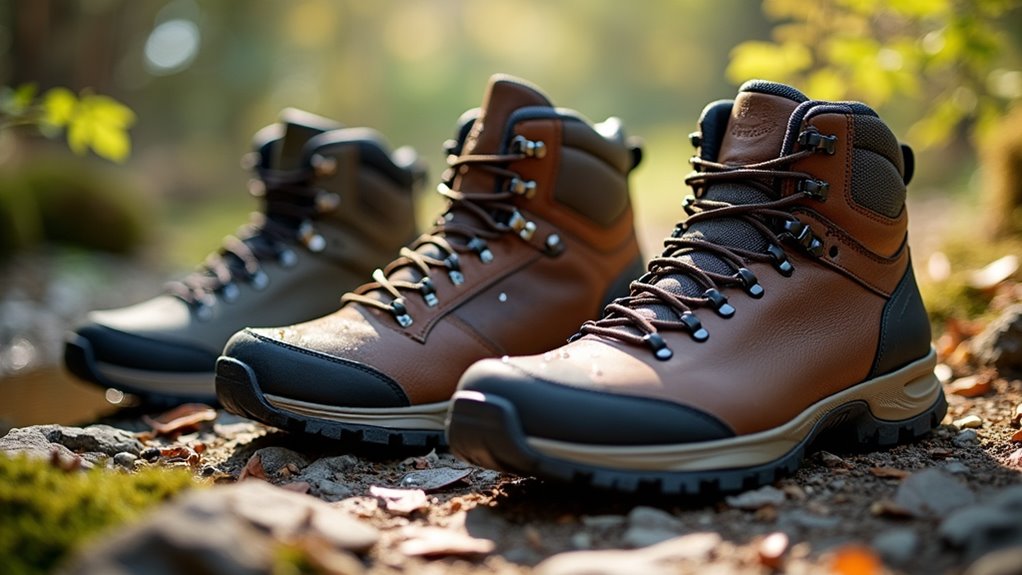
Walking boots are essential for comfort and healing. Here are important features to think about:
- Type of boot: Use short boots for foot injuries. Tall boots help with ankle sprains or fractures.
- Level of support: Choose soft, semi-rigid, or rigid support based on your needs.
- Adjustable straps: These help keep the boot snug. A good fit means less movement and more comfort.
- Lightweight designs: Lighter boots make walking easier. They help reduce tiredness, especially on long walks.
- Pneumatic air cells: These add adjustable compression for more stability and comfort.
Finding the right walking boot can speed up your recovery.
Take your time when choosing, and focus on what feels best for you.
Popular Brands and Models of Walking Boots
Selecting the right walking boot can greatly affect your recovery. Comfort and support are key. Brands like Aircast, Breg, and Ossur are top picks.
The Aircast AirSelect Standard is a favorite. It costs $183.90. This boot is lightweight and very comfortable.
For a lighter option, check out Breg’s Genesis Full Shell Walker. It’s 27% lighter than most orthopedic boots. It has an adjustable air bladder for a perfect fit.
In cold weather, the Ossur Rebound Air Walker is ideal. It has a breathable mesh liner and covers the toes well. This design keeps you comfortable while you recover.
Dealing with an Achilles injury? The VacoCast Pro Achilles Walking Boot is a great choice. It uses a vacuum cushion for extra support and stability.
Choosing the right walking boot from these brands can speed up your recovery. You’ll feel more comfortable during the healing process.
Frequently Asked Questions
Can I Wear Medical Walking Boots for Sports Activities?
Wearing medical walking boots for sports is not safe. These boots limit how you move. They can also raise the chance of getting hurt. Always talk to your doctor before doing any physical activity while wearing one. It’s important to protect your health first. Stay safe and listen to your healthcare provider.
How Do I Clean My Hiking Boots Properly?
To clean your hiking boots, first remove the laces and insoles. Use a brush to get rid of dirt. For stains, mix warm water with soap. Scrub gently, then rinse well. Let the boots air dry in a cool place, away from heat. After drying, think about waterproofing them. This keeps your boots protected for your next adventure. Regular cleaning helps them last longer. Take care of your boots, and they will take care of you on the trails.
Are Casual Walking Boots Suitable for Long-Distance Walks?
Casual walking boots are not the best choice for long-distance walks. They often lack the support and durability needed for extended journeys. These boots are great for short trips or casual outings. For long walks, you need boots that provide good arch support and cushioning. Good boots help prevent foot pain and blisters. They also offer better grip on rough surfaces. Always test your boots on shorter walks first. This way, you can see how they feel. A good fit is key! Choose wisely to enjoy your long walks.
What Size Should I Choose for Walking Boots?
Choose walking boots that fit snugly. Your toes should move freely without feeling tight. Measure your feet carefully. Always try the boots on with your walking socks. Check sizing charts from each brand. They can help you find the best fit. Remember, a good fit makes walking more comfortable. Don’t rush this process. Walking boots can last a long time. A proper fit is key to enjoying your walks.
Can I Customize My Walking Boots for Better Comfort?
Customizing your walking boots can make a big difference in comfort. Start by finding boots with adjustable straps. These straps help you get a better fit. Removable insoles are also important. You can replace them with more comfortable ones. Many boots allow for orthotics, which are special insoles for support.
Look for materials that breathe. Breathable materials keep your feet cool and dry. Pay attention to the boot’s weight too. Lighter boots can reduce fatigue during long walks.
Don’t forget to break in your boots. Wear them at home before your next hike. This will help prevent blisters and soreness.
Finally, consider the terrain you will walk on. Different boots work best for different surfaces. Choose wisely for the best experience. Happy walking!
Conclusion
Finding the right walking boots means comfort and support. You might need medical boots for recovery or hiking boots for outdoor fun. Casual styles work well for everyday wear. Each type offers unique benefits.
Fit matters a lot. Boots should feel snug but not tight. Material is also important. Look for breathable and durable options. Traction is key for safety. Good grip keeps you steady on different surfaces.
Take time to try on different pairs. Walk around to see how they feel. A great pair of boots boosts your confidence. You’ll be ready for any adventure that comes your way. Enjoy every step!