
Why Foot Shape Matters for Shoe Fit
This post contains affiliate links. As an Amazon Associate, we earn from qualifying purchases.
Finding the right shoe fit hinges on understanding your foot shape, which is essential for both comfort and health. Different foot widths and arch types require tailored support, with low, normal, and high arches each having distinct needs. To achieve the best fit, measure both length and width of your feet at the end of the day, and ensure there’s a space of 3/8 to 1/2 inch in the toe box. It’s vital to try on shoes to assess their comfort. More insights on achieving the perfect fit will follow in the article for those interested in a deeper understanding.
Essential Facts in 30 Seconds
- Foot shape is crucial for shoe fit, impacting comfort and foot health.
- Brands offer various widths for a better fit across different foot shapes.
- Arch type affects support needs, influencing comfort and injury risk.
- Toe shapes, like Egyptian toes, need specific shoe designs for comfort.
- Accurate foot measurements are vital for finding the right shoe length and width.
Understanding Your Foot Shape
Your foot shape is important for finding the right shoes. Knowing your foot structure helps you get a proper fit. Measure your feet often, as they can change. Different shoe brands offer various widths, like narrow or wide.
Flat, normal, or high arches affect your foot health. The right shoes can help prevent discomfort and injuries. For example, people with an Egyptian toe shape should choose shoes that fit that design well. Proper shoe fit is crucial for overall foot health and comfort.
Consult a podiatrist or use measuring tools to identify your foot shape. This knowledge helps you select shoes that support your unique needs.
Comfortable shoes can make a big difference in your daily life.
The Importance of Arch Type
Arch type is key for picking the right shoes. Knowing if you have a low, normal, or high arch helps with comfort. It also prevents injuries. Different arch types need different support and cushioning. For instance, high arches may require extra padding to absorb shock.
Shoes made for specific foot shapes have unique sole designs. These designs improve how you move during activities. Custom orthotics can provide extra support for your arch type. They help avoid injuries from wearing the wrong shoes. Proper arch support enhances comfort and foot health, making it crucial to choose the right footwear.
A professional arch assessment can offer helpful insights. With the right shoes for your arch type, you can enjoy better performance. You’ll also lower your chances of discomfort or injury.
Measuring Your Feet Accurately

Measuring your feet is important. Sizes can change as you grow. Check both length and width. Foot width matters for a good fit.
Measure at the end of the day. Your feet are largest then. This helps you find the most comfortable size. Use a ruler or a measuring tape.
Stand on a piece of paper. Mark where your heel and toe are. Then measure the distance. Repeat for both feet. They might be different sizes. Always choose the bigger size for comfort.
Getting the right fit is key for happy feet.
Regular Measurement Schedule
Measuring your feet regularly is key for a good shoe fit. Foot size can change over time.
Always measure both feet, as one may be larger. For accuracy, measure at the end of the day when your feet may be a bit swollen. This helps find the right shoe size for daily wear.
Different brands and styles fit differently, so don’t stick to old sizes. Make sure the shoe fits your foot shape and size well.
Use a measuring tool, like a Brannock Device. It helps check length, width, and arch for the best fit. Additionally, understanding your foot type, whether flat feet or high arches, can guide you in selecting the appropriate insoles for optimal comfort and support.
Consider Foot Width
Finding the right shoe fit means more than just measuring length. Foot width matters, too. Measure your foot at the widest part, usually the ball of your foot. This tells you if your feet are narrow, medium, wide, or extra wide.
Shoes that don’t fit well can cause discomfort, blisters, or bunions. Shoe widths can change by brand, so check their sizing charts. Measure your feet at the end of the day when they’re likely to swell.
In shoe stores, try on different widths. This helps you find the most comfortable fit for your feet. Remember, comfort is key for happy feet!
Assessing Width and Depth for Comfort
Choosing the right shoes is important for comfort. Focus on the width and depth of the shoe. Make sure the shoe fits the widest part of your foot, called the ball. This helps avoid pain and blisters.
Check the toe box depth. Your toes need space to move. Aim for 3/8 to 1/2 inch between your longest toe and the shoe’s end. This ensures comfort while walking.
Everyone’s feet are different. Try on narrow, medium, and wide sizes. Walk around in the shoes to see how they feel. If the shoes rub against the top of your foot, they might cause problems later. Opting for heels with a rounded toe box can significantly enhance comfort.
Finding the right fit in width and depth boosts comfort and mobility. Happy feet make for a happier you!
Timing Your Measurements for the Best Fit
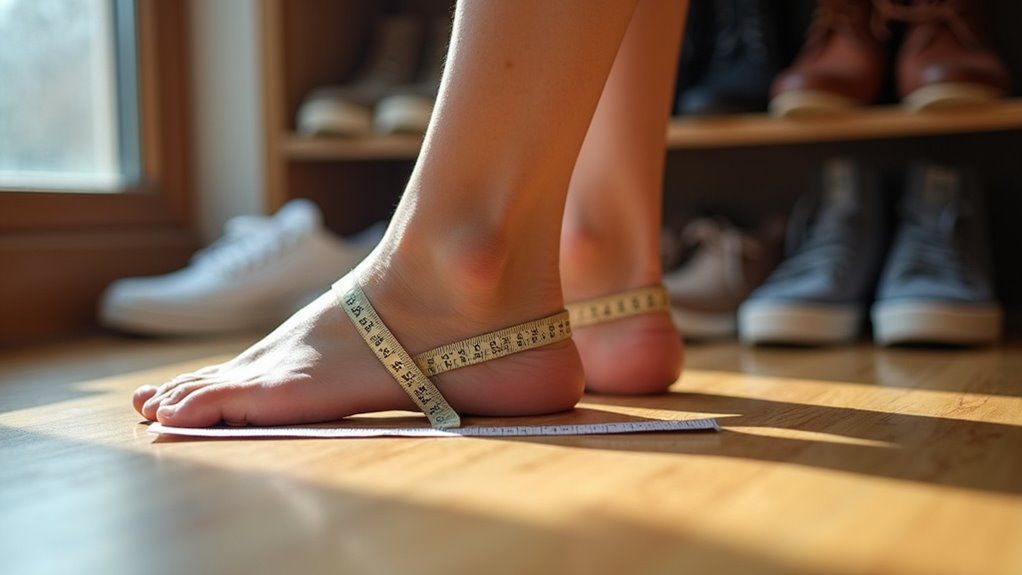
To find the best fit for your shoes, measure your feet at the end of the day. Feet swell during the day due to activity. Measuring in the evening helps you choose a size that fits comfortably.
Make it a routine to measure your feet at the same time each day. This habit keeps you from discomfort caused by changing foot size. Remember, foot size can change over time. Age, weight, and health can all affect your measurements. Regularly checking your size ensures you pick the right shoes for your feet.
Measuring at the wrong time can lead to shoes that are too tight or too loose. This can cause pain or injuries. By measuring when your feet are largest, you increase your chances of finding a good fit.
Choosing the right shoes will keep your feet happy and healthy.
Trying Shoes Before Making a Purchase
To ensure the shoes fit well, try them on. Check the shape of the shoe. There should be enough room for your toes to wiggle. The shoe needs to be deep enough for your foot arch.
Stand and walk around in the shoes. Pay attention to how they feel when you move. Discomfort can lead to painful problems later.
Make sure your heel fits securely in the shoe. It shouldn’t slip as you walk. Shop for shoes later in the day. Your feet swell a bit, and this helps find a better fit. Additionally, consider looking for shoes with supportive arch structures to enhance comfort and prevent foot fatigue.
Frequently Asked Questions
How Does Foot Shape Affect Athletic Performance?
Foot shape plays a big role in athletic performance. It affects how your body handles forces during activities. A good shoe fit helps with stability and balance. This can make you run faster and jump higher. Comfort is key. Shoes that fit well can reduce your chances of getting hurt. Take time to find the right shoes for your foot shape. It can make a big difference in your game. Remember, a little change can lead to better results.
Can Foot Shape Change Over Time?
Your foot shape can change over time. Aging plays a big role. Weight changes also affect your feet. The shoes you wear can make a difference too.
As you grow older, your ligaments and muscles weaken. This can lead to flatter feet. Sometimes, extra weight can cause your feet to spread.
Wearing the wrong shoes can lead to foot pain. High heels, for example, can change how your foot looks. Tight shoes can squeeze your toes and change their shape.
Regularly measuring your feet is important. It helps you find the right shoe size. Comfortable shoes support your feet better.
Take care of your feet. They carry you every day. Keeping them healthy is essential for a happy life.
What Are Common Foot Shape Types?
Common foot shape types include Egyptian, Roman, Greek, Celtic, Germanic, and Peasant. Each shape has its own features.
Egyptian feet have a long big toe. The other toes gradually get shorter. Roman feet have a more even length among the first three toes.
Greek feet have a longer second toe. This shape is often seen in art. Celtic feet are wide and sturdy, perfect for support.
Germanic feet are similar to Roman but slightly longer. Peasant feet are broad and strong, built for hard work.
These shapes affect how shoes fit. Knowing your foot type helps in choosing comfortable footwear.
How Do I Choose Shoes for Wide Feet?
Choose shoes designed for wide feet. Many brands offer wide sizes. A spacious toe box is essential. This allows your toes to move freely. Look for shoes with adjustable features. Laces or straps can help you find the right fit. Opt for flexible materials. Soft fabrics can provide comfort for all-day wear.
Measure your feet regularly. Feet change over time. Knowing your current size is important. Try on shoes in the afternoon. Feet can swell during the day. This helps you find the best fit. Remember, comfort is key. Happy feet lead to happy days!
Are Custom Shoes Worth the Investment?
Custom shoes are a smart choice. They fit your unique foot shape perfectly. This means more comfort and less pain. You can move better too.
Wearing the right shoes helps avoid foot problems. Ill-fitting shoes can lead to costly doctor visits. In the long run, custom shoes save you money and trouble.
Investing in custom shoes means investing in your health. Enjoy walking, running, or just standing without discomfort. Your feet will thank you.
Conclusion
Understanding your foot shape is important for finding the right shoe fit. Measure your feet accurately. Pay attention to your arch type. Check the width and depth to ensure comfort. Timing matters too. Feet swell during the day, so measure later. Always try shoes on before buying them. Follow these tips for better comfort and support. Enjoy every step you take!