
How to Choose Breathable Footwear for Foot Health
This post contains affiliate links. As an Amazon Associate, we earn from qualifying purchases.
To ensure foot health, it’s essential to choose breathable footwear made from materials like mesh or leather that promote air flow. A proper fit should provide about 3/8 to 1/2 inch of space between your longest toe and the end of the shoe. Additionally, look for features such as humidity-wicking linings and ventilation holes for enhanced circulation. Lightweight designs can also boost comfort. Regularly inspecting your shoes for wear and replacing them when necessary will help maintain foot health and prevent discomfort. For those interested in a deeper understanding, further details and key features will follow later in the article.
Essential Facts in 30 Seconds
- Choose breathable materials like mesh or leather for airflow and moisture control.
- Ensure a proper fit with 3/8 to 1/2 inch space between the longest toe and the shoe’s end.
- Opt for moisture-wicking socks and linings to keep feet dry and prevent infections.
- Look for ventilation holes or perforations to enhance air circulation.
- Regularly check shoe condition and replace worn footwear to maintain support and comfort.
Understanding Breathable Materials
Some shoes feel cooler and more comfortable than others because of breathable materials. Shoes made from mesh and leather let air flow. This reduces moisture buildup. Less moisture means better foot health. Too much moisture can cause problems like athlete’s foot.
Synthetic fabrics like nylon are also great. They’re lightweight and breathable. Wool is another excellent choice. It wicks away moisture and keeps feet dry and comfy all day.
Breathable materials help manage odors and improve foot hygiene. For the best comfort, find shoes that mix materials. Mesh uppers with EVA foam midsoles work well together. This combination boosts breathability and provides cushioning and support. The benefits of breathable shoe materials are essential for maintaining comfort during various activities.
The right materials can make a big difference. They keep your feet healthy and happy.
Importance of Proper Fit for Comfort
The right fit in shoes is important for comfort. Aim for a space of 3/8 to 1/2 inch between your longest toe and the shoe’s end. This space helps your toes move freely.
A secure heel fit stops your foot from slipping. Your shoes should support your foot well but not be too tight. A good fit can prevent blisters and pain. Regular foot measurements are necessary as foot size can change over time.
Accurate Foot Measurement
Accurate foot measurement is essential for finding the right shoe size. Follow these steps to get it right:
- Measure your feet often. Sizes can change due to age or weight.
- Check both feet. One foot is usually bigger than the other.
- Measure at the end of the day. Your feet swell and are largest then.
- Don’t trust previous sizes. Different brands and styles fit differently.
Measuring your feet carefully helps ensure a good fit. Additionally, understanding your foot shape characteristics can enhance your shoe selection process. Enjoy comfortable shoes that keep your feet happy!
Sufficient Toe Space
Finding the right shoe size means more than just measuring your feet.
It’s important to have enough space for your toes. Aim for 3/8 to 1/2 inch between your longest toe and the shoe’s end. This space lets your toes move freely. It prevents discomfort while walking or running. A good fit in the toe box allows your toes to spread without feeling squished.
Try on shoes and walk around a bit. Check for any rubbing or chafing. This ensures comfort.
Remember, your feet can change size over time. Regularly measure your feet to keep track. A proper fit is key to avoiding painful issues like bunions and corns. Additionally, understanding your foot shape can help you find the best shoe options tailored to your needs.
Make sure to prioritize enough toe space for healthier and happier feet.
Secure Heel Fit
A secure heel fit is key for foot health and comfort. It stops instability and cuts down on blisters and calluses. Here’s how to ensure the right fit:
- Snug Fit: Your heel should feel tight but not slip while walking.
- Minimal Movement: Your heel should stay in place with little to no shifting.
- Test Comfort: Stand and walk to feel for any pressure or rubbing.
- Proper Foot Alignment: A good fit helps keep your feet aligned. This boosts posture.
With a proper heel fit, you’ll feel less foot fatigue. This makes it easier to stay active all day. Cushioning insoles can also enhance comfort and support during extended wear.
Focus on achieving a secure heel fit for happy feet!
Key Features to Look For in Breathable Footwear
Breathable footwear is essential for foot health. Focus on key features that make a difference.
First, choose shoes made from breathable materials like mesh or leather. These materials let air flow, keeping your feet cool and dry.
Next, check for moisture-wicking properties in the lining or socks. This helps reduce sweat and prevents fungal infections. Shoes with perforations or ventilation holes also improve air circulation.
Lightweight materials boost breathability and comfort. They reduce foot fatigue during long wear.
Flexibility is another important feature. A good shoe should bend at the same point as your toes. This allows for natural movement while giving support. Additionally, prioritizing breathable materials can significantly enhance overall foot health and comfort.
Activity-Specific Footwear Considerations

Here are some tips for different types of shoes:
- Running Shoes: Choose shoes made of breathable mesh. This helps keep your feet cool and dry during long runs.
- Hiking Boots: Look for waterproof boots that still breathe. This keeps your feet dry and comfortable on tough trails.
- Cross-Training Shoes: Select shoes with breathable tops. They need good cushioning and support for various workouts.
- Basketball Shoes: Pick shoes that balance breathability and ankle support. This keeps your feet cool while allowing quick movements. Proper arch support is essential for preventing discomfort during intense activities.
Wear the right shoes. Enjoy your activities!
Signs It’s Time to Replace Your Shoes
Pay attention to your shoes. Worn-out soles can cause problems.
If the cushioning feels flat, it’s time for new shoes. Uneven wear patterns show they need replacing.
Regular checks can help keep your feet healthy. Remember, comfortable shoes make a big difference. Replacing insoles regularly can also enhance comfort and support.
Don’t wait too long to change them. Your feet will thank you!
Worn-Out Soles
Worn-out soles can surprise you. They often show clear signs that it’s time for new shoes.
Keep your feet healthy by watching for these signs:
- Smooth patches: Flat areas on the sole mean less traction.
- Cracks or splits: Visible damage shows it’s time for new shoes.
- Instability: Wobbly shoes that cause pain need replacing.
- Feeling flat: No cushioning means your shoes aren’t supporting you.
Check your shoes every few months.
Catching these problems early helps keep your feet healthy.
Reduced Cushioning Support
Shoes can look fine, but reduced cushioning support can harm your feet. Less cushioning while walking or standing signals it’s time for new shoes. A compressed insole often leads to foot pain, showing they need to be replaced. Check the soles for wear. Smooth or uneven surfaces mean less shock absorption. Discomfort in your feet, ankles, or knees likely comes from your shoes. Regularly inspect for cracks or splits to ensure they still offer the support you need. Additionally, adequate arch support is essential for maintaining foot health and preventing further discomfort.
| Sign of Reduced Cushioning | Effect on Foot Health | Action to Take |
|---|---|---|
| Decreased cushioning | Increased foot pain | Replace shoes |
| Compressed insole | Lack of comfort | Consider new footwear |
| Worn soles | Reduced shock absorption | Inspect regularly |
| New discomfort | Potential injury risk | Evaluate shoe condition |
| Cracks or splits | Loss of support | Time for a replacement |
Common Misconceptions About Shoe Breathability
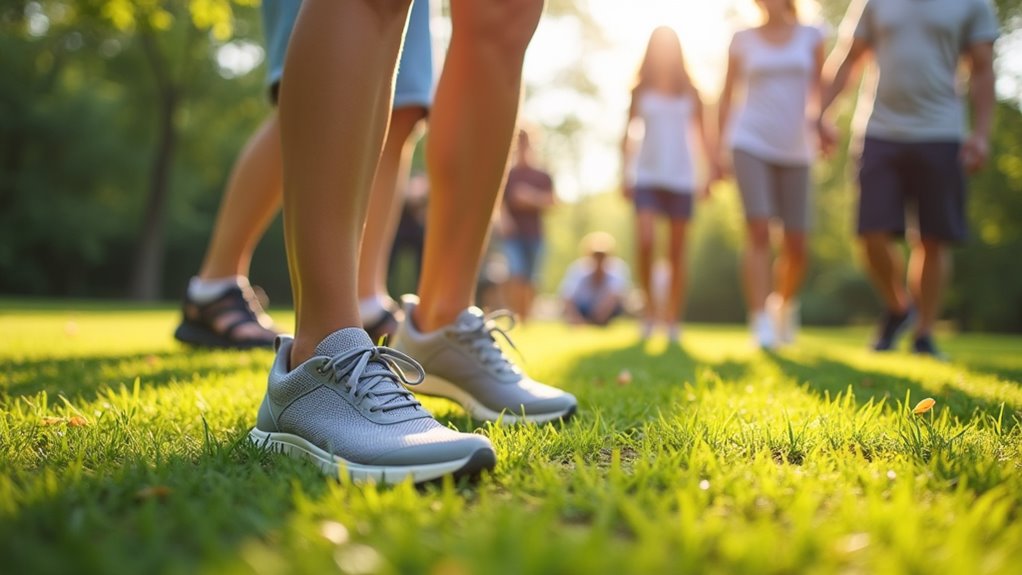
Breathable shoes are important for foot health. Many people believe myths about them. Let’s clear up some common misunderstandings.
Not all breathable shoes are the same. The airflow can differ based on the materials used. For example, mesh fabric allows more air than synthetic ones.
Some think more ventilation holes mean better breathability. This isn’t true. Shoe design and how they’re built also matter for managing moisture.
Breathable shoes aren’t just for athletes. Everyone needs proper airflow to stop foot odor and fungal infections.
Many believe breathable shoes lack support. That’s a myth too. Good materials can provide ventilation and support at the same time. Choosing supportive sandals can enhance comfort while maintaining breathability.
To keep your feet healthy, wear breathable shoes with moisture-wicking socks. This combo keeps your feet dry and comfy, no matter what you do.
Make smart choices for your feet!
Frequently Asked Questions
How Do I Clean Breathable Footwear Effectively?
Cleaning breathable footwear is easy. Start with a soft brush to remove dirt. Use mild soap and water for spot cleaning. Make sure to air dry them at room temperature. Avoid direct sunlight or heat sources.
Regularly check and maintain the insoles. A breathable spray or conditioner keeps them fresh. This helps to extend their life and comfort.
Follow these steps to keep your shoes looking and feeling great.
Can Breathable Shoes Be Waterproofed?
Breathable shoes can be made waterproof. This process may reduce how much air flows through the shoes. Use special waterproofing sprays that work with breathable materials. These sprays keep your feet dry in unexpected rain. Regularly treat your shoes for the best results. Remember, staying dry is important, but so is comfort.
Are There Specific Brands Known for Breathable Footwear?
Many people look for breathable footwear. Merrell, Salomon, Nike, and New Balance are top brands. These brands use mesh materials. Mesh allows air to flow easily. Good airflow keeps feet cool and dry. This is important for comfort during sports or walking. Breathable shoes help manage moisture too. Keeping feet comfortable matters for all activities. Choose breathable shoes for a better experience.
How Often Should I Rotate My Shoes for Breathability?
Rotate your shoes every 24 to 48 hours. This simple step keeps your shoes fresh and comfortable. Shoes can trap heat and moisture. This can lead to bad smells and discomfort. By switching pairs, you allow each one to breathe. Your feet will thank you for it. Regular rotation helps prevent foot problems too. Happy feet lead to a happier you!
Do Insoles Affect the Breathability of Shoes?
Insoles can change how breathable shoes are. Thicker or poorly made insoles trap moisture. This can make your feet feel hot and sweaty. On the other hand, breathable insoles help air move through the shoe. They also wick away moisture, keeping your feet dry.
Choosing the right insoles is important. Look for options that let air flow easily. Regularly changing your insoles can also keep your shoes fresh. This simple step helps maintain comfort and breathability.
Conclusion
Choosing breathable footwear is important for foot health. Select materials that let air flow easily. A good fit is key for comfort. Think about what activities you do. Look for shoes with moisture-absorbing liners. Supportive soles can make a big difference. Check your shoes regularly for signs of wear. If they hurt your feet, it’s time for new ones. Follow these tips to keep your feet happy and healthy. Enjoy walking, running, or just being active every day.