Heels

  • Foot Pain Relief Tips for Heel Wearers

    High heels can cause foot pain. To help, pick shoes with a heel height of 2 inches or lower. Good arch support is important. Look for shoes with cushioning and a wide toe box. Stretch your calves and Achilles tendon often. This helps ease tension and keeps your feet flexible.

    Use ice packs for 15-20 minutes to reduce swelling. Over-the-counter pain relievers can help with discomfort. Consider using orthotics or gel heel pads for extra cushioning. These can make your heels more comfortable. Try these tips to feel better and enjoy wearing your favorite heels!
  • Block Vs Stiletto Heels Comfort

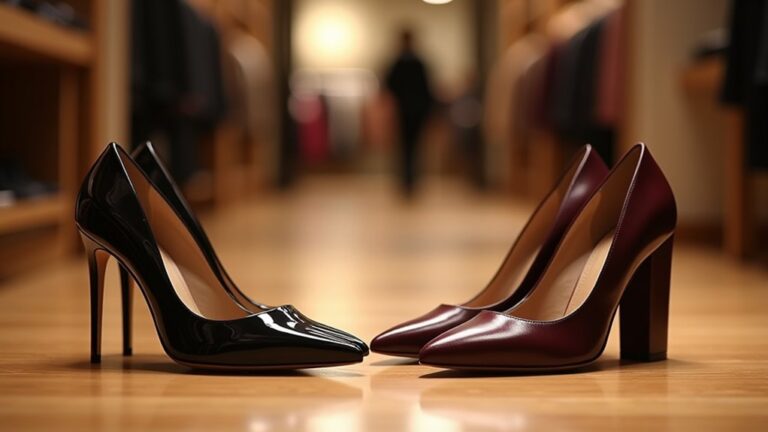
    Choosing between block heels and stilettos? Comfort matters. Block heels have a wider base. They provide better support and stability. This helps reduce tiredness during long hours. Stilettos, on the other hand, have a thin design. They can put pressure on your feet. This can lead to more pain and stress on your knees. For long periods on your feet, block heels are the way to go.

    Both styles can feel better with supportive insoles. Insoles can add extra comfort and make a big difference. Whether you pick block heels or stilettos, comfort should always come first.

  • Best Heel Height for Everyday Wear

    The best heel height for everyday wear is between 1 and 2 inches. A 1-inch heel gives great arch support. A 2-inch heel combines style with comfort. Heels over 3 inches can change how you walk and put pressure on your feet.

    To find the right heel height, measure your foot from the heel to the ball while seated. Supportive shoes help prevent foot fatigue. Look for options that fit well and feel good. Comfort and heel health are important for daily wear.

  • How to Choose Heels for Wide Feet

    Choosing heels for wide feet can be simple. Find shoes with a roomy toe area. Cushioned insoles add comfort. Styles with adjustable straps can offer a better fit. Block heels, mules, and low-heeled sandals provide good stability. Always measure your feet accurately. Try on shoes later in the day when feet are slightly swollen. Customer reviews help discover the best options. Explore various styles and brands to find what works for you. Enjoy your search for the perfect heels!

  • Heels for Flat Feet Support

    Flat feet need special heels. Look for ones with arch support and cushioned insoles. Kitten heels and low wedges work well. They give stability and comfort, letting your feet move freely. Choose shoes with a wide toe box to avoid pinching. Slip-resistant soles add safety. Always measure your feet for the right size. Try different widths for the best fit. Keep searching for tips on supportive heels. Your comfort matters!

  • Exercises to Strengthen Feet for High Heels

    Strengthening your feet for high heels is important. Simple exercises can help. Try ankle circles to improve flexibility. Do heel raises to build calf strength. Aim for 15 to 20 reps. Toe raises help lift your toes while keeping your feet flat.

    For flexibility, use the “4” position stretch. It helps stretch your feet and legs. While seated, do toe tapping. This improves blood flow and keeps your feet active.

    Start with kitten heels or wedges. They offer more support and boost your confidence. These exercises and tips will help you feel more comfortable in high heels. Enjoy walking in style!

  • Cushion Inserts for High Heels

    Cushion inserts for high heels boost comfort significantly. They help shift weight away from the forefoot. This change lets you wear heels longer without pain. Inserts also enhance balance, stability, and posture.

    Think about your foot type and shoe style when selecting inserts. A step-by-step guide makes installation easy. This ensures a snug fit.

    Many options exist, and real users share their positive experiences. They highlight how inserts change the way heels feel. Enjoy your high heels more with the right cushion inserts.

  • Preventing Blisters in Heels

    To prevent blisters in your heels, choose shoes that fit well. Make sure they allow your feet to swell a little. Wear moisture-wicking socks. These socks help keep your feet dry and reduce friction. Break in new heels slowly. Wear them for short times at first. Change shoes often to relieve pressure on your feet. Use protective products like blister pads for extra comfort. Keep finding ways to keep your feet happy!

  • Heels Posture Guide

    Wearing heels can be comfortable with the right fit and posture. Choose shoes that fit well to prevent blisters. Keep your shoulders back and your head high. Stand with your feet hip-width apart. Bend your knees slightly for better stability. Start with lower heels, like kitten heels, to build strength. Take smaller steps to help with balance. These tips will boost your confidence and style in heels.

  • How to Walk in High Heels Safely

    To walk in high heels safely, practice at home first. Test your heels in short bursts. Use a heel-to-toe technique. This means putting your heel down first. Take small steps to keep your balance. Lean back slightly for extra stability. Think about where you will wear the heels. Choose lower heels for tricky places. Remember to take breaks when you need them. Comfort is key as you get better. More helpful tips await you.