• Best Foot Strengthening Exercises

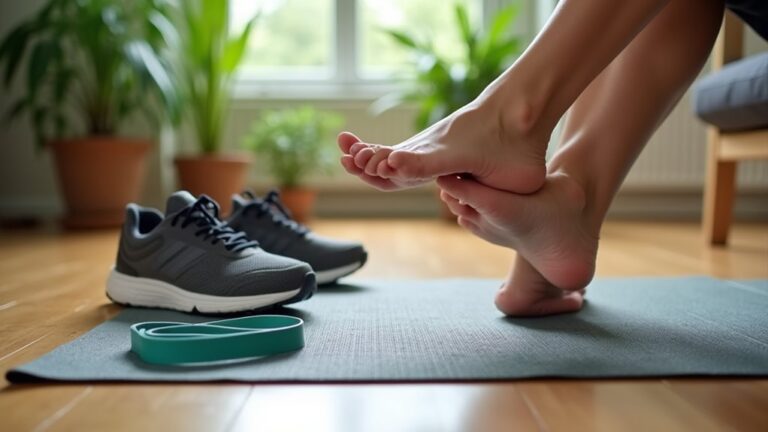
    Strengthening your feet is important for overall health. Start with toe raises. Lift your heels while keeping your toes down. Do this 10 times. For grip strength, scrunch a towel using your toes. Repeat this five times on each foot. Marble pickups are also effective. Use your toes to pick up 20 marbles.

    Toe splay exercises help improve control. Try spreading your toes apart and holding for a few seconds. Calf stretches increase flexibility in your feet. Stand facing a wall, place your hands on it, and push your body forward. Hold for 15-30 seconds.

    These exercises can make your feet stronger and healthier. Keep practicing them regularly for the best results!

  • Athlete’s Foot Prevention

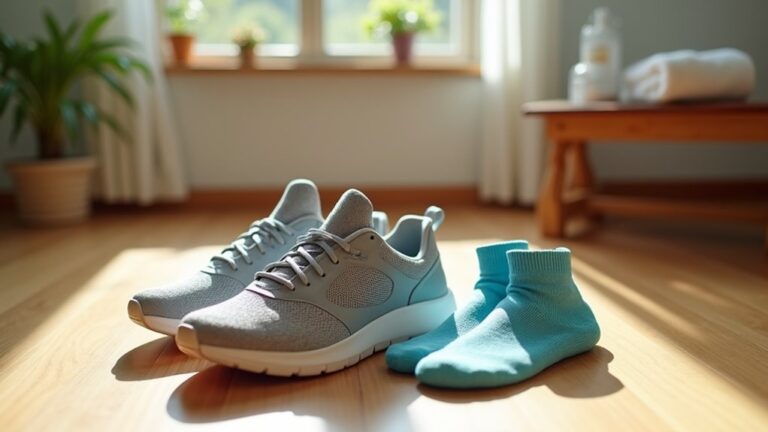
    To prevent athlete’s foot, keep your feet clean and dry. Wash your feet every day with soap and warm water. Don’t forget to clean between your toes. After washing, dry your feet completely, especially in damp areas. Wear shoes that breathe and socks that wick away moisture. This helps keep your feet dry. Avoid walking barefoot in public places like pools or locker rooms. These spots often have infections. Act quickly if you notice any foot problems. Taking care of your feet helps you stay healthy and active.

  • Best Heel Height for Everyday Wear

    The best heel height for everyday wear is between 1 and 2 inches. A 1-inch heel gives great arch support. A 2-inch heel combines style with comfort. Heels over 3 inches can change how you walk and put pressure on your feet.

    To find the right heel height, measure your foot from the heel to the ball while seated. Supportive shoes help prevent foot fatigue. Look for options that fit well and feel good. Comfort and heel health are important for daily wear.

  • Block Vs Stiletto Heels Comfort

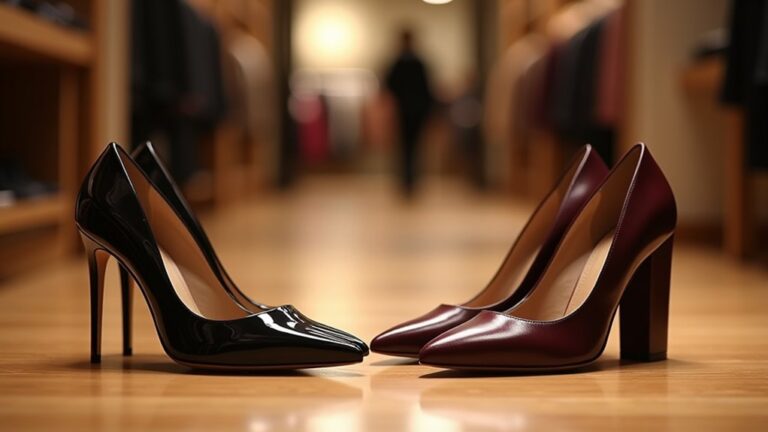
    Choosing between block heels and stilettos? Comfort matters. Block heels have a wider base. They provide better support and stability. This helps reduce tiredness during long hours. Stilettos, on the other hand, have a thin design. They can put pressure on your feet. This can lead to more pain and stress on your knees. For long periods on your feet, block heels are the way to go.

    Both styles can feel better with supportive insoles. Insoles can add extra comfort and make a big difference. Whether you pick block heels or stilettos, comfort should always come first.

  • Foot Pain Relief Tips for Heel Wearers

    High heels can cause foot pain. To help, pick shoes with a heel height of 2 inches or lower. Good arch support is important. Look for shoes with cushioning and a wide toe box. Stretch your calves and Achilles tendon often. This helps ease tension and keeps your feet flexible.

    Use ice packs for 15-20 minutes to reduce swelling. Over-the-counter pain relievers can help with discomfort. Consider using orthotics or gel heel pads for extra cushioning. These can make your heels more comfortable. Try these tips to feel better and enjoy wearing your favorite heels!

  • Heels for Flat Feet Support

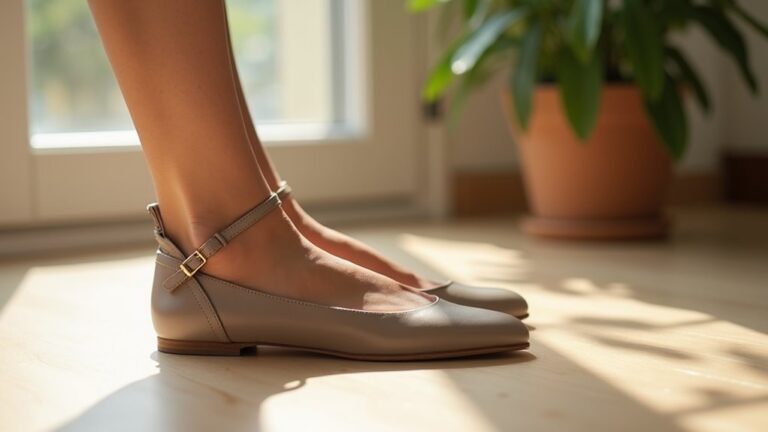
    Flat feet need special heels. Look for ones with arch support and cushioned insoles. Kitten heels and low wedges work well. They give stability and comfort, letting your feet move freely. Choose shoes with a wide toe box to avoid pinching. Slip-resistant soles add safety. Always measure your feet for the right size. Try different widths for the best fit. Keep searching for tips on supportive heels. Your comfort matters!

  • How to Choose Heels for Wide Feet

    Choosing heels for wide feet can be simple. Find shoes with a roomy toe area. Cushioned insoles add comfort. Styles with adjustable straps can offer a better fit. Block heels, mules, and low-heeled sandals provide good stability. Always measure your feet accurately. Try on shoes later in the day when feet are slightly swollen. Customer reviews help discover the best options. Explore various styles and brands to find what works for you. Enjoy your search for the perfect heels!

  • Types of Insoles Explained

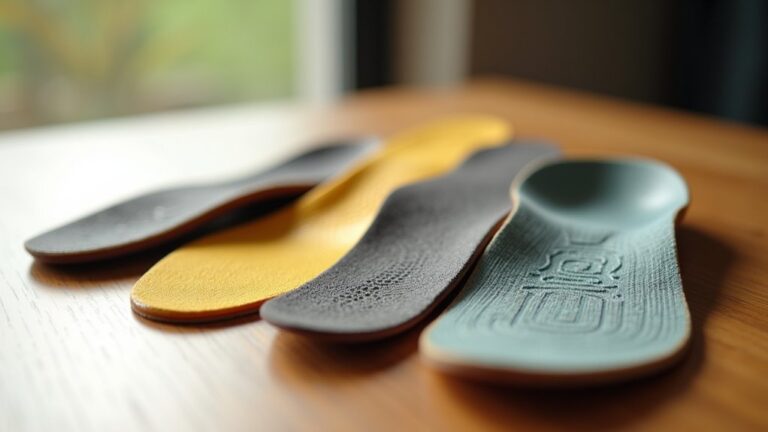
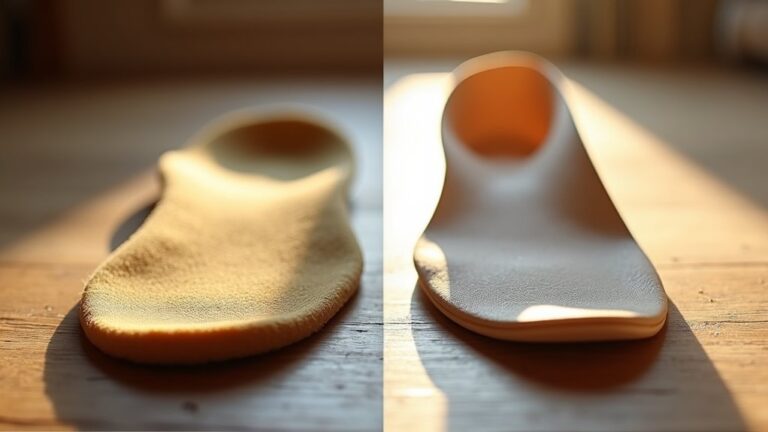
    Insoles come in many types to meet your foot needs. Rigid orthotic insoles provide strong arch support. Semi-rigid insoles mix flexibility and support for comfort. Cushioned insoles are great for shock absorption. They work well during high-impact activities. For a custom fit, heat-moldable options can be shaped to your feet. Memory foam insoles offer comfort by molding to your shape. Knowing these types helps you find the best insole for your comfort and health. Keep exploring to discover your perfect fit.

  • Exercises to Strengthen Feet for High Heels

    Strengthening your feet for high heels is important. Simple exercises can help. Try ankle circles to improve flexibility. Do heel raises to build calf strength. Aim for 15 to 20 reps. Toe raises help lift your toes while keeping your feet flat.

    For flexibility, use the “4” position stretch. It helps stretch your feet and legs. While seated, do toe tapping. This improves blood flow and keeps your feet active.

    Start with kitten heels or wedges. They offer more support and boost your confidence. These exercises and tips will help you feel more comfortable in high heels. Enjoy walking in style!

  • How to Choose Orthotic Insoles

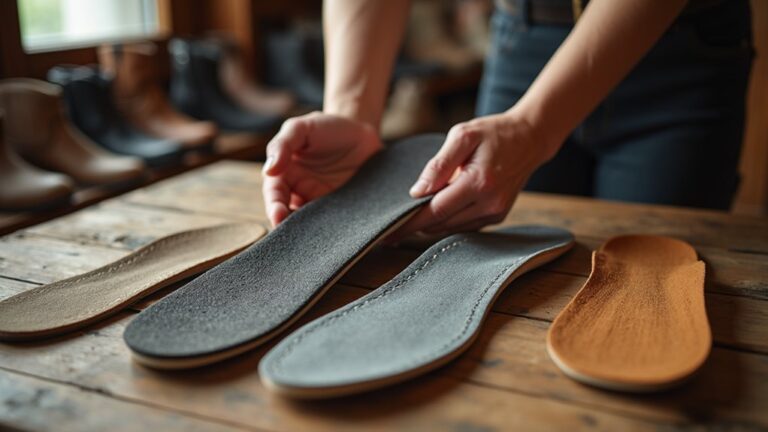
    To choose orthotic insoles, first, know your foot arch type: low, medium, or high. Low arches need firm support. High arches need extra cushioning. Think about your activity level. Cushioned insoles are great for everyday use. Rigid insoles work best for active lifestyles.

    Try different insoles to find what feels good. Walk around in them to test comfort and fit. Check the size by taking out your shoe’s sock liner. Ensure the insole feels stable and secure. Follow these steps to find the right insoles for your feet.

  • Insoles for Flat Feet Vs High Arches

    Flat feet need insoles with moderate to high arch support. This helps spread your weight evenly. Prothoic Motion Control Sport is a great choice. It offers strong support and cushioning.

    For high arches, firm support is essential. This stabilizes your heel and stops underpronation. Tread Labs Dash insoles provide excellent heel cup support.

    Both types of feet require proper arch support and cushioning. This ensures comfort and good foot health. Understanding these features is important for choosing the right insoles.

  • Replacing Worn-Out Insoles Timeline

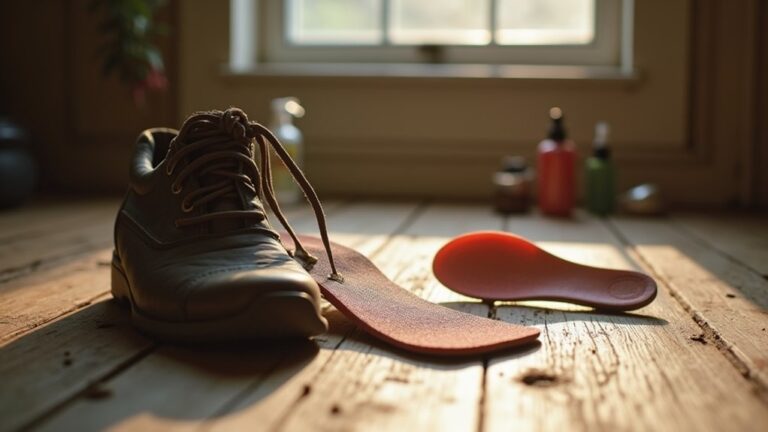
    Replace worn-out insoles every 4 to 6 months. This depends on how often you use them. Watch for signs of damage. Look for reduced cushioning or ongoing foot pain. Different materials wear out at different rates. Foam insoles last 4 to 8 months. Leather insoles can last up to 2 years with good care. Changing insoles on time helps prevent discomfort and injuries. Regular updates lead to better foot health. Take care of your feet. Enjoy the benefits of fresh insoles.