• Socks for Plantar Fasciitis Support

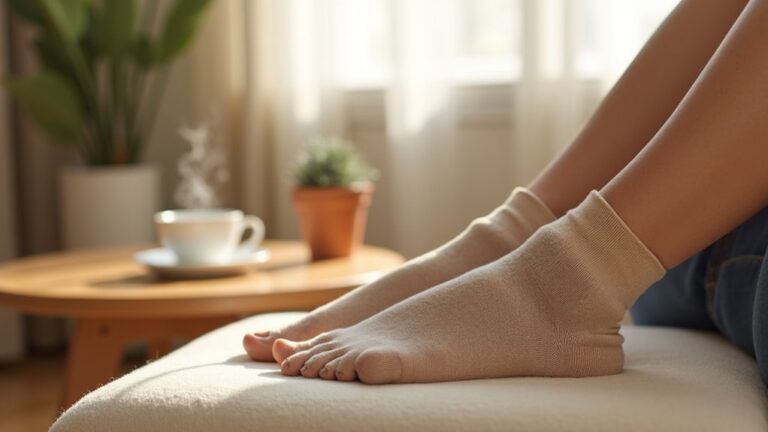
    Plantar fasciitis can cause a lot of pain. Compression socks offer great support for this condition. They help blood flow and reduce swelling. This can ease heel and arch pain.

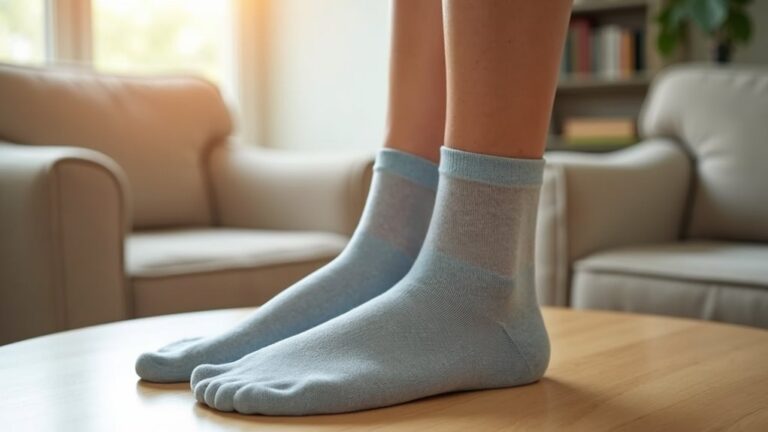
    Look for socks with targeted compression, like the Physix Gear Short Compression Socks or OrthoSleeve Plantar Fasciitis Orthotic Socks. These options fit snugly but should not feel too tight. Wear them during daily activities to boost comfort and stability.

    Consider different styles and features to find the best fit for you. Comfort and support make a big difference in managing plantar fasciitis.
  • Merino Wool Socks Advantages

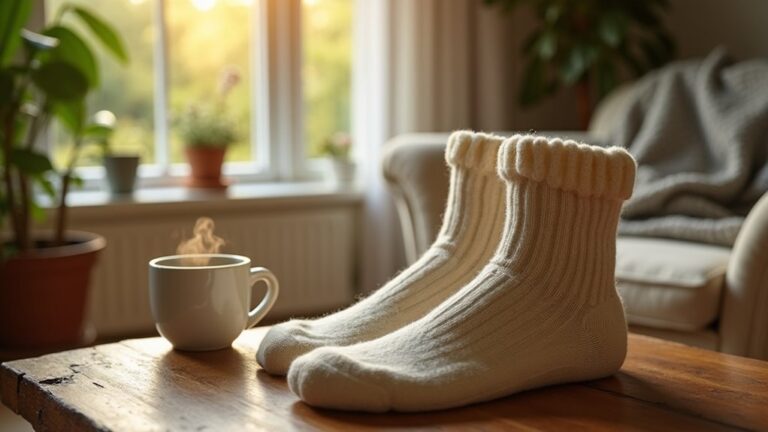
    Merino wool socks are the best choice for comfort and performance. They feel incredibly soft. The fine fibers won’t itch, making them easy to wear. These socks keep your feet dry by wicking away moisture. They also resist odors thanks to natural antibacterial properties. You can wear them multiple times before washing. Their durability is impressive. These socks can bend over 20,000 times without losing shape. Explore their versatility for different activities. Enjoy warm feet in cold weather and cool feet in heat. Merino wool socks are a smart investment for anyone.

  • No-Show Vs Crew Socks Differences

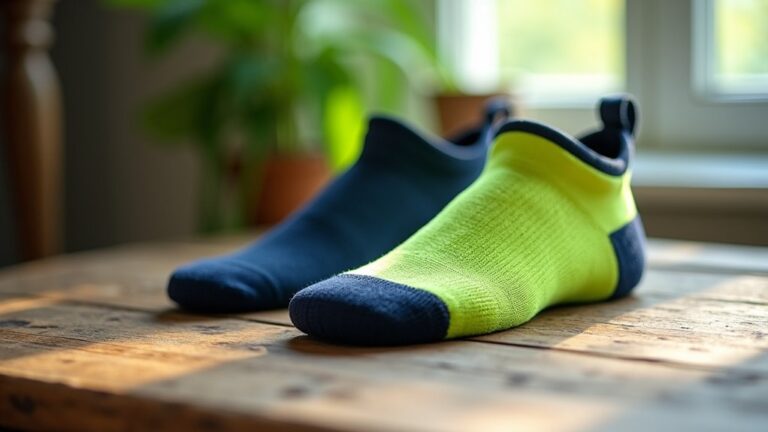
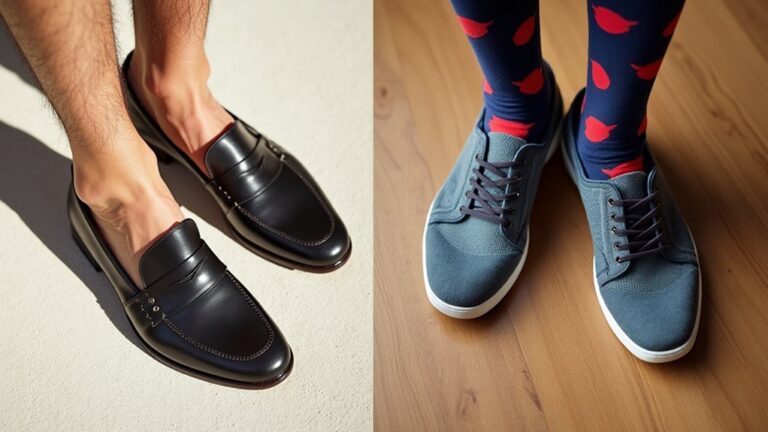
    No-show socks sit below the ankle. They are great for low-cut shoes like flats and sneakers. These socks provide minimal coverage and often have silicone grips. This helps prevent slipping. Crew socks, on the other hand, reach mid-calf. They offer more support and warmth. Crew socks are perfect for cooler weather and physical activities.

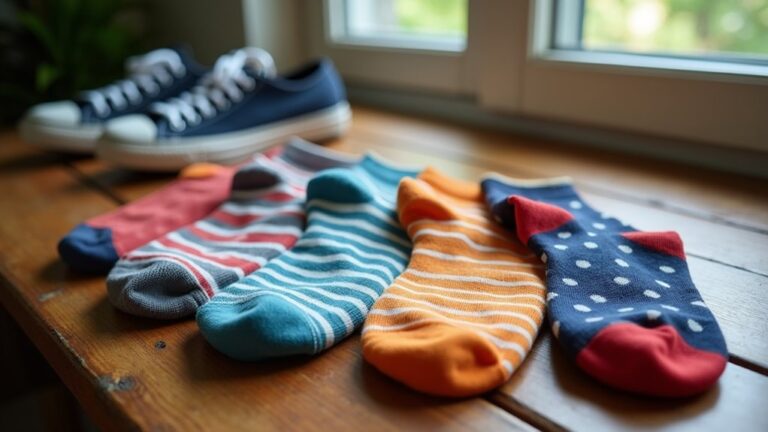
    No-show socks keep your look clean and simple. Crew socks come in many colors and patterns. They can add style to any outfit. Choose the right pair based on your needs. Whether you want comfort or style, both options can work well.

  • Cushion Socks Vs Thin Socks

    Cushion socks offer comfort and support. They are perfect for running or hiking. These socks reduce impact on your feet. They also help prevent blisters. But, they can feel a bit bulky.

    Thin socks are different. They are lightweight and breathable. This makes them great for tight shoes and warm weather. Thin socks don’t provide much cushioning. They also offer less warmth.

    Choosing the right socks matters. Think about your activities. The right pair can make a big difference. Explore tips on sock fit and materials. Finding the right socks will help you stay comfortable.

  • Breathable Sock Fabrics Explained

    Breathable sock fabrics keep your feet comfortable and healthy. Merino wool and synthetic materials are great choices. They wick moisture away from your skin. This helps your feet stay cool and dry. Less moisture means fewer blisters and fewer fungal infections. Merino wool fights odors and controls temperature. Synthetic fabrics dry quickly, making them flexible for movement.

    Choosing the right breathable socks can improve your workouts. Healthy feet lead to better performance. Caring for your socks is easy. Wash them according to the tag instructions. This keeps them in good shape for longer. Explore different options to find what works best for you. Enjoy your activities with the right pair of breathable socks!

  • Diabetic Socks Purpose

    Diabetic socks keep your feet safe and comfortable. They help stop blisters and infections. These socks manage dampness and reduce skin irritation. A seamless design protects sensitive skin. Non-elastic tops fit snugly without cutting off circulation. Moisture-wicking properties keep your feet dry. Padded soles add extra comfort. When you wear them regularly, they support your foot health. Learn about their unique care and maintenance soon!

  • How Often to Replace Socks

    Replace your everyday socks every 6 to 12 months. This keeps them clean and comfy. Athletic socks need replacement more often. Change them every 3 to 6 months. Dress socks can last longer, about 1 to 2 years.

    Look for signs that show it’s time for new socks. Holes, bad smells, and thinning fabric are red flags. Fresh socks help stop infections and foot problems. Taking care of your socks is important for your feet. Keep reading for more tips on sock care.

  • Heels Posture Guide

    Wearing heels can be comfortable with the right fit and posture. Choose shoes that fit well to prevent blisters. Keep your shoulders back and your head high. Stand with your feet hip-width apart. Bend your knees slightly for better stability. Start with lower heels, like kitten heels, to build strength. Take smaller steps to help with balance. These tips will boost your confidence and style in heels.

  • Preventing Blisters in Heels

    To prevent blisters in your heels, choose shoes that fit well. Make sure they allow your feet to swell a little. Wear moisture-wicking socks. These socks help keep your feet dry and reduce friction. Break in new heels slowly. Wear them for short times at first. Change shoes often to relieve pressure on your feet. Use protective products like blister pads for extra comfort. Keep finding ways to keep your feet happy!

  • Cushion Inserts for High Heels

    Cushion inserts for high heels boost comfort significantly. They help shift weight away from the forefoot. This change lets you wear heels longer without pain. Inserts also enhance balance, stability, and posture.

    Think about your foot type and shoe style when selecting inserts. A step-by-step guide makes installation easy. This ensures a snug fit.

    Many options exist, and real users share their positive experiences. They highlight how inserts change the way heels feel. Enjoy your high heels more with the right cushion inserts.

  • How to Trim Insoles for Perfect Fit

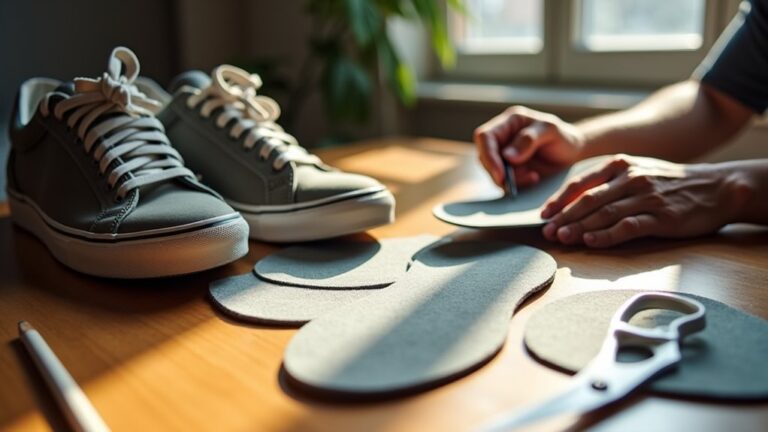
    Trim insoles for the perfect fit easily. Start by taking out the old insole from your shoe. Place it on top of the new insole. Trace around the old insole with a pen or pencil. Use sharp scissors to cut the new insole just outside the traced line.

    After cutting, place the new insole back into your shoe. Check if it fits well. Adjust it if needed. Remember to measure twice. This helps avoid cutting too much.

    Trimming insoles can reduce discomfort and improve support for your feet. This simple process makes your shoes more comfortable.