
How to Trim Insoles for Perfect Fit
This post contains affiliate links. As an Amazon Associate, we earn from qualifying purchases.
To achieve a perfect fit for your insoles, begin by removing the original insole from your shoe and placing it on top of the new insole for tracing. Use sharp scissors to cut the new insole just outside the traced line. After trimming, test the fit by placing it back in your shoe and make any necessary adjustments. Always measure twice to prevent cutting too much. This simple process can significantly enhance comfort and support in your shoes. For those interested in a more detailed explanation, additional insights will be provided later in the article.
Essential Facts in 30 Seconds
- Remove the original insole from your shoe to use as a template.
- Trace around the old insole on the new insole, leaving a small margin.
- Cut the new insole just outside the traced line with sharp scissors.
- Test the fit by placing the trimmed insole back in the shoe and adjust if necessary.
- Check insoles for wear regularly and replace them every 6 to 12 months for optimal support.
Importance of Trimming Insoles
Trimming your insoles ensures they fit snugly in your shoes. This snug fit helps prevent discomfort and blisters. Properly trimmed insoles match your shoe’s size and shape, giving you better balance and support.
Many standard insole sizes don’t fit everyone. That’s why trimming is important for comfort. A quick trim can help if your original insoles are too long or wide. This can reduce problems like arch pain and foot fatigue.
Regularly checking and adjusting your insoles is smart. It helps you notice wear and know when to replace them. Taking these simple steps improves your overall experience. Additionally, using cushioning insoles can further enhance your comfort by providing extra shock absorption.
You can enjoy your time on your feet without pain. A good fit for your insoles is key to better foot health.
Steps to Trim Insoles
Trimming insoles can make your shoes much more comfortable. First, take out the original insole from your shoe. Use this insole as a guide for your new one. Place the old insole on top of the new insole. Draw around it with a pencil or marker. Make sure the heel and arch areas match up.
Next, cut the new insole just outside the line with sharp scissors. This gives you some room to adjust later. After trimming, put the insole back in your shoe. Check for a snug fit. Look for any creases or folds.
For a better fit, trim a little more if needed. Keep adjusting until the insole fits nicely without slipping or curling. Additionally, remember that replacing insoles regularly can prevent discomfort and support your foot health. Follow these steps for the best comfort in your shoes.
Additional Insole-Trimming Tips
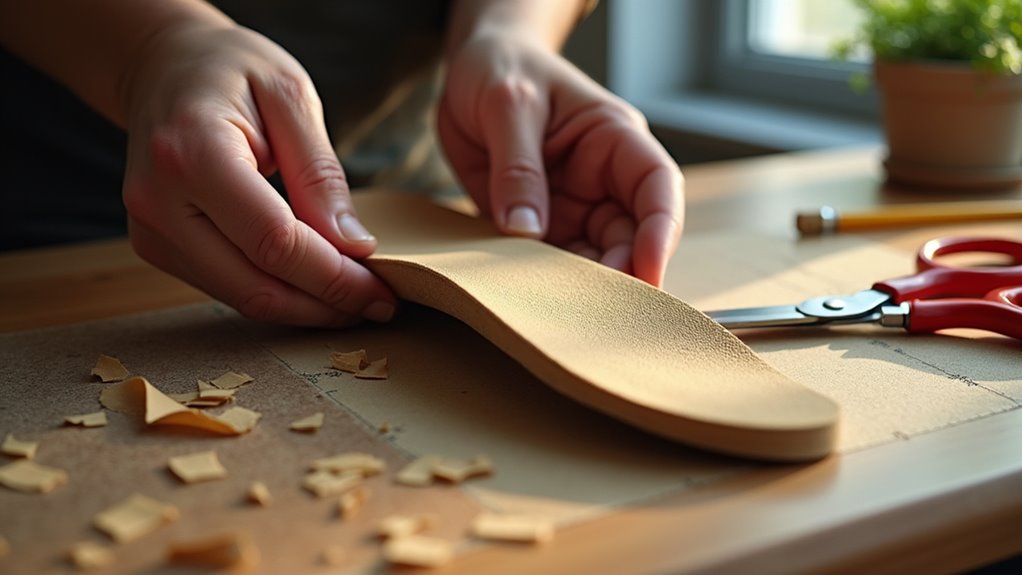
To ensure your insoles fit well, attention to detail is key. Measure your insoles twice before trimming. This helps avoid cutting off too much material, which can cause discomfort. A snug fit keeps your toes from gripping unnaturally. Use the guideline markings on the bottom of the insole for a precise trim.
Consider buying different insoles for each pair of shoes. This matches them to your shoes’ sizes for better support.
Check your insoles regularly for wear and tear. They may lose comfort over time. Replace them every 6 to 12 months, depending on how often you use them. Additionally, proper arch support is crucial for maintaining comfort, especially if you stand for long periods.
Follow these tips to maintain a perfect fit and keep your feet feeling good all day.
Shopping for Insoles
Finding the right insoles makes a big difference for your feet. Visit insoles.com to explore a great selection of insoles. Enjoy free shipping on every order.
It’s important to choose insoles that fit your activities and shoe types. This choice ensures comfort and support. Selecting the right insoles involves foot type assessment to determine your specific needs.
Buying insoles for each pair of shoes helps them fit better. This also keeps your feet healthy over time. Superfeet Insoles offer a 60-Day Satisfaction Guarantee. You can try them out to see if they work for you.
Check your insoles regularly for signs of wear. Replace them when you get new shoes. This keeps your comfort and support at their best.
With smart choices, you’ll find the right insoles to keep your feet feeling great.
Adjusting to New Insoles

Trying new insoles can change how your shoes feel. New insoles often have more padding and support. This can make your shoes feel tighter, especially around the top.
During the break-in period, wear thinner socks. This helps your feet adjust to the new support.
Give yourself some time to get used to the new insoles. If discomfort continues, you can trim the insoles. Start by cutting a little from the edges. Test the fit after each cut. Comfort is important.
Feel free to try different sock thicknesses. Finding the right fit will help you enjoy your insoles without feeling tight. With a bit of patience, you’ll soon feel the benefits of better support and comfort. Remember, proper fit is essential for promoting better alignment and reducing discomfort.
Care and Replacement Frequency
Taking care of your insoles is important for comfort and support. Replace them every 6 to 12 months. This depends on how often you use them and how worn they look.
Check your insoles regularly for signs of damage. Feel discomfort? It’s time for a new pair.
Cleaning your insoles is easy. Use mild soap and let them air dry. Don’t machine wash them or use heat. This can ruin their materials.
Keep track of your replacement dates. This helps ensure you always have the right support for your feet.
Well-maintained insoles improve comfort and foot health. Remember to trim them properly. Proper cushioning is essential for maximizing the effectiveness of your insoles.
Happy feet lead to a happy day!
Frequently Asked Questions
Can I Trim Insoles Made of Different Materials?
You can trim insoles made from various materials. Use scissors for foam insoles. A utility knife works best for gel insoles. For rubber insoles, a box cutter is ideal. After trimming, always check the fit. This ensures comfort and support. Remember, proper trimming is important for the best shoe experience. Make your shoes fit better with a little effort.
Will Trimming Insoles Void My Shoe Warranty?
Trimming insoles typically doesn’t void your shoe warranty. It’s wise to check the specific policy of your shoe brand. Keeping the original insoles intact may help if you need to make a warranty claim later. Many brands allow some customization, but rules can vary. Always read the warranty details. This way, you can protect your rights as a consumer. Enjoy your shoes while keeping them safe!
How Often Should I Replace Trimmed Insoles?
Think of your insoles like a car that needs regular care. Replace them every 6 to 12 months. Look for signs like less comfort or visible wear. These signs mean it’s time for a change. Fresh insoles keep your feet feeling good. Don’t wait too long. Happy feet lead to happy days!
Can I Use Scissors Instead of a Utility Knife?
Scissors can be a good choice instead of a utility knife. They are easy to use and can give clean cuts. This is especially true for softer materials. Sharp scissors are key. Dull blades can cause fraying and messy edges. For many small tasks, scissors work just fine. They are safer and more convenient for quick jobs. Always keep your scissors sharp for the best results.
What if the Insoles Are Still Uncomfortable After Trimming?
Insoles might still feel uncomfortable even after trimming. Check their alignment carefully. Make sure the arch support matches your foot shape. Thickness matters too. A snug fit is key for comfort. Consider trying different insole options. A specialist can also help find the right fit for you. Don’t suffer in silence. Your feet deserve the best support!
Conclusion
Trimming your insoles improves comfort and support. Many people wear shoes that don’t fit well. This can lead to foot pain. Follow these steps to make your insoles fit perfectly.
First, take out the insole from your shoe. Place it on a flat surface. Use scissors to trim the edges. Cut a little at a time. Try the insole in your shoe after each trim.
Check the fit often. Replace insoles when they wear down. A good fit makes walking easier. Your feet deserve comfort and support. Take the time to trim your insoles right. Happy feet lead to happy days!