
Replacing Worn-Out Insoles Timeline
This post contains affiliate links. As an Amazon Associate, we earn from qualifying purchases.
Worn-out insoles should be replaced every 4 to 6 months, depending on usage. Signs of wear include visible damage, reduced cushioning, or persistent foot pain. Different materials have distinct lifespans: foam insoles typically last 4 to 8 months, while leather can endure up to 2 years with proper care. Regularly changing your insoles can help prevent discomfort and injuries. For those interested in a deeper understanding, more details on the benefits of regular insole replacement will follow.
Essential Facts in 30 Seconds
- Replace insoles every 4 to 6 months for optimal foot health and comfort.
- Foam insoles last 4 to 8 months; cork and leather can last up to 2 years with care.
- Signs of wear include visible damage, reduced cushioning, persistent foot pain, and odors.
- Delaying replacement can result in increased foot pain, joint issues, and injury risk.
- New insoles enhance comfort, hygiene, support, and can prolong shoe lifespan.
Signs It’s Time to Change Your Insoles
Signs of wear on your insoles mean it’s time for a change. Check for visible damage like cracks, tears, or frayed edges. These signs show your insoles can’t support you anymore.
You may also notice less cushioning and shock absorption. This can lead to tired feet during daily activities.
Persistent foot pain, especially in your arches or heels, often means your insoles are worn out. Bad odors that don’t go away even after cleaning could mean dampness and bacteria are present.
It’s important to check your insoles every 4 to 6 months to keep your feet healthy. Specialized insoles can provide targeted relief for unique foot problems, which can be beneficial as you assess the condition of your current insoles.
Catching these signs early can help avoid discomfort. Replace your insoles for better comfort and support. Happy feet make a big difference!
Consequences of Not Changing Your Insoles
Not changing your insoles can lead to serious problems.
Foot pain and discomfort will likely increase. Old insoles can also cause joint and back issues. This makes everyday activities much harder. You may find simple tasks feel challenging.
Wearing worn-out insoles raises your risk of injuries, especially during sports. Protect your feet and body by replacing your insoles regularly. Healthy insoles support your overall well-being. Regularly replacing insoles is essential for maintaining proper arch support and overall foot health.
Don’t wait until it’s too late!
Increased Foot Pain
Worn-out insoles can cause serious foot pain. Old insoles don’t give enough support. This can make problems like plantar fasciitis worse. You may feel more discomfort in your arches and heels.
This discomfort increases your risk of injuries, especially if you’re active. Without good cushioning, new issues like metatarsalgia can pop up. Shock absorption from quality insoles is essential for reducing impact during walking.
Regular checks on your insoles are vital for foot health. Replace them on time to keep comfort high. This helps reduce foot pain.
Staying active and pain-free is essential. Don’t wait for the pain to get worse. Take care of your feet today.
Joint and Back Issues
Worn-out insoles can cause serious joint and back problems. You mightn’t notice these issues at first. Without proper foot support, your knees, hips, and lower back can hurt.
Your body tries to adjust, but this leads to misalignment. Not replacing insoles regularly can result in chronic pain and worse foot conditions.
Research shows that people who change their insoles see a 30% drop in joint pain. Ignoring worn insoles can make joint problems worse. This can affect your ability to move and lower your quality of life.
For better health, replace your insoles as soon as they wear out. Choosing the right insoles based on foot type assessment is crucial for preventing further issues.
Higher Injury Risk
Replacing your insoles is crucial for your foot health. Old insoles can increase your chance of injuries, especially in your feet and ankles. Worn-out insoles don’t provide the support and cushioning you need. This can lead to serious problems.
Here are some issues you might face:
- You could strain or sprain your muscles easily.
- Conditions like plantar fasciitis can develop.
- Your posture may suffer from misalignment.
- You might feel 20-30% more discomfort during high-impact activities.
- Your shoes may wear out unevenly and last less time.
Taking care of your insoles helps you stay safe and comfortable. Insoles that are specifically designed for flat feet or high arches can significantly improve stability and comfort.
Don’t ignore them!
Lifespan of Insoles by Material
Choosing the right insoles is important for comfort and support. Different materials have different lifespans.
Foam insoles wear out quickly. They usually need replacement every 4 to 8 months due to compression. Memory foam offers more comfort but can last only 1 to 2 months for high-quality options. Cheaper memory foam compresses faster.
Polyurethane foam insoles are better. They can last up to 1 to 2 years with proper care. Cork insoles typically last about 12 months. If you keep them dry, they may last up to 2 years. Dampness speeds up breakdown.
Leather insoles are the most durable. With proper care, they often last up to 2 years. Cleaning and conditioning help them last longer. Quality insoles are an investment in foot health, enhancing comfort and support over time.
Knowing these lifespans helps you replace insoles on time. This way, your comfort and support stay strong with every step.
Replacement Frequency and Survey Results
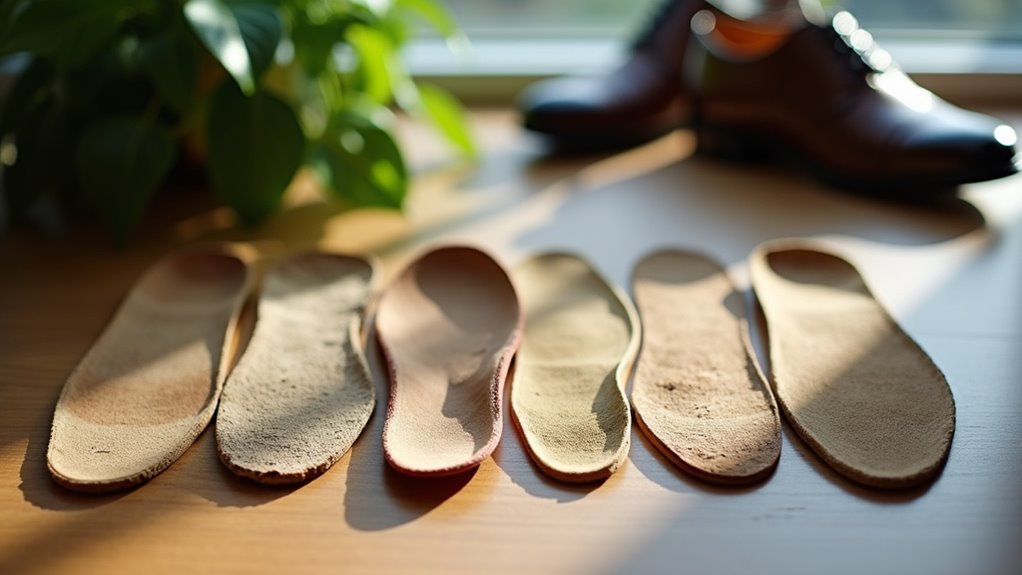
Many people change their insoles every 6 to 12 months. It depends on how often they use them. For casual wear, every 6 to 12 months is usually fine.
For sports or work boots, change them every 3 to 6 months.
Survey results show that:
- 39.8% replace their insoles every 12 months.
- 25.8% do so every 6 months.
- 23.9% wait 12 months or longer.
Your replacement schedule may change based on your activity level. Regular checks for wear help keep your feet healthy.
Convenient Options and Shopping for New Insoles
Shopping for new insoles is easy online. You can find many options that suit your needs.
Brands often offer discounts for subscriptions. Save 10% with automatic deliveries every few months. This helps keep your insoles fresh.
Happy feet lead to comfort and health. Enjoy walking and standing without pain. To ensure the best fit, remember to trim insoles for perfect fit to customize your support.
Get started today and find the perfect insoles for you.
Subscription Discounts Available
Save money and time with subscription discounts for new insoles. Many online stores make it easy to keep your insoles fresh.
Choose your delivery frequency: every 6, 9, or 12 months. Here are some benefits of subscribing:
- Enjoy a 10% discount on every order.
- Get high-quality options like foam, gel, cork, and leather.
- Ensure proper support for healthy feet.
- Never forget to reorder worn-out insoles again.
- Adjust delivery based on your activity levels.
These options let you focus on staying active. You’ll have the support you need when you need it.
Wide Selection Online
Shopping online for new insoles is easy and convenient. You have many choices. Select from high-quality insoles made of foam, gel, cork, or leather. Each material fits different types of shoes and activities.
Explore insoles for specific needs, like arch support or shock absorption. Comparing features, materials, and prices is simple. This helps you find the best insoles for your foot health.
Customer reviews offer valuable insights. They share real experiences from other users. Flexible delivery options and auto-ship discounts make getting new insoles budget-friendly.
Take advantage of these resources for better foot care today!
Benefits of Changing Your Insoles

Changing your insoles regularly brings many benefits for your feet. New insoles make your shoes more comfortable. They help reduce foot pain, back issues, and joint problems.
Here are some reasons to change your insoles:
- Better comfort: Fresh insoles give more cushioning and support.
- Less pain: New insoles help prevent injuries and discomfort.
- Better hygiene: Clean insoles stop bacteria and bad smells.
- Correct support: New insoles keep your feet aligned properly.
- Longer shoe life: Good insoles protect your shoes and save money.
Replacing worn-out insoles can also enhance arch support sneakers, which is crucial for overall foot health. Replace your insoles every 6 to 12 months. This small change can greatly improve your foot health.
Stay active and comfortable with new insoles.
Frequently Asked Questions
Can I Wash My Insoles Instead of Replacing Them?
Washing your insoles is a good idea for keeping them clean. Regular cleaning helps remove dirt and odor. But remember, cleaning won’t fix wear and tear. Check your insoles often. Look for signs of damage or loss of support. If they feel flat or smell bad, it’s time to replace them. Keeping your insoles in good shape is important for your feet. Happy feet make for a happy day!
How Do I Choose the Right Insoles for My Shoes?
Finding the right insoles can make a big difference in comfort. Start by figuring out your arch type. This could be flat, normal, or high arches. Each type needs different support.
Next, think about the materials. Some insoles offer soft cushioning, while others provide firm support. Choose what feels best for you.
Make sure the insoles fit your shoes well. They should not be too tight or too loose. A good fit helps prevent blisters and discomfort.
Think about your activities. Are you walking, running, or standing all day? Select insoles designed for those specific activities. This choice can boost your performance.
With the right insoles, you can enjoy your shoes more. Comfort is just a step away!
Are There Specific Insoles for Different Types of Sports?
Specific insoles exist for different sports. Each insole type is designed for unique movements. They provide support and cushioning for your feet. This helps you perform better and reduces injury risks. For runners, insoles focus on shock absorption. They protect your feet on hard surfaces. For basketball players, stability is key. Their insoles offer extra ankle support. Soccer players need flexibility. Their insoles allow for quick movements.
Choosing the right insole matters. It can enhance your performance. It can also keep you comfortable. Always consider your sport when selecting insoles. Your feet will thank you for it.
Can Worn-Out Insoles Cause Foot Injuries?
Worn-out insoles can definitely cause foot injuries. They lead to pain and discomfort. Old insoles can make your feet feel misaligned. This misalignment can increase your risk of injuries. You might experience issues like blisters or plantar fasciitis. It’s important to take care of your feet. Replacing worn-out insoles helps keep your feet healthy. Don’t ignore the signs of wear. Fresh insoles provide better support and comfort. Your feet deserve the best care!
What Are the Signs of Poor Quality Insoles?
Signs of poor quality insoles include visible cracks and reduced cushioning. Increased foot pain is another clear sign. Unpleasant odors can also suggest that insoles are worn out. Insoles should feel supportive and comfortable. If they don’t, it’s time to think about replacing them. Taking care of your feet is important for overall health. Quality insoles can make a big difference in how you feel. Don’t ignore the signs. New insoles can help you walk better and feel more comfortable.
Conclusion
Changing your insoles is important for your foot health. Worn-out insoles can cause pain and problems. Look for signs like discomfort or visible wear. Replace your insoles every six months to a year. The time frame depends on the material. New insoles provide better comfort and support. This small investment makes a big difference. Taking care of your feet helps you feel good. Happy feet lead to a happy life!