
Types of Insoles Explained
This post contains affiliate links. As an Amazon Associate, we earn from qualifying purchases.
Insoles are designed to meet various foot needs, with options including rigid orthotic insoles for strong arch support and cushioned insoles that excel in shock absorption. For those seeking a custom fit, heat-moldable insoles can be shaped to your feet, while memory foam insoles offer comfort by conforming to your shape. Understanding these options is key to choosing the right insole for your comfort and health. Further details on each type will follow for those interested in a deeper understanding.
Essential Facts in 30 Seconds
- Rigid Orthotic Insoles: Strong arch support for stability; ideal for severe foot issues.
- Semi-Rigid Insoles: Balanced flexibility and support; suitable for over-pronation and plantar fasciitis.
- Cushioned Insoles: Excellent shock absorption; perfect for high-impact activities and prolonged comfort.
- Heat-Moldable Insoles: Custom-shaped after heating; ensures personalized fit for enhanced comfort.
- Memory Foam Insoles: Conforms to foot shape; provides comfort and pressure relief for daily wear.
Understanding Different Types of Insoles
Choosing the right insoles is important for foot comfort. Several types exist, each serving a different purpose.
Rigid orthotic insoles provide strong arch support. They help stabilize your feet.
Semi-rigid insoles offer a mix of flexibility and support. These are great for over-pronation and plantar fasciitis.
Cushioned insoles, like gel options, excel in high-impact activities. They give excellent shock absorption.
For a custom fit, heat-moldable insoles can be shaped to your feet. Just heat them in the oven.
Memory foam insoles fit snugly and add comfort.
Over-the-counter insoles are easy to find. Specialized insoles are also available. These help people with specific foot conditions, like diabetes. They offer extra cushioning and support, especially for those standing all day. Proper foot type assessment is crucial in selecting the right insoles for your needs.
Understanding these types helps you pick the best insoles for your lifestyle. Comfort and support make a big difference in your daily activities.
The Importance of Arch Support
Arch support is very important for your foot health. It keeps your feet aligned and helps prevent problems like plantar fasciitis and over-pronation. Insoles with rigid or semi-rigid arch support spread pressure evenly across your feet. This reduces strain and discomfort during activities and sports.
Good arch support boosts your stability. You can stand longer without pain. Custom orthotics fit your arch height, giving you a comfortable experience. Research shows that proper support can also ease pain in your ankles, knees, and lower back. Investing in quality sneakers can prevent future foot issues and enhance overall comfort.
Adding arch support to your shoes can improve comfort and performance in daily life. Whether you’re active or on your feet for hours, good arch support makes a difference.
Specialty Insoles for Specific Conditions
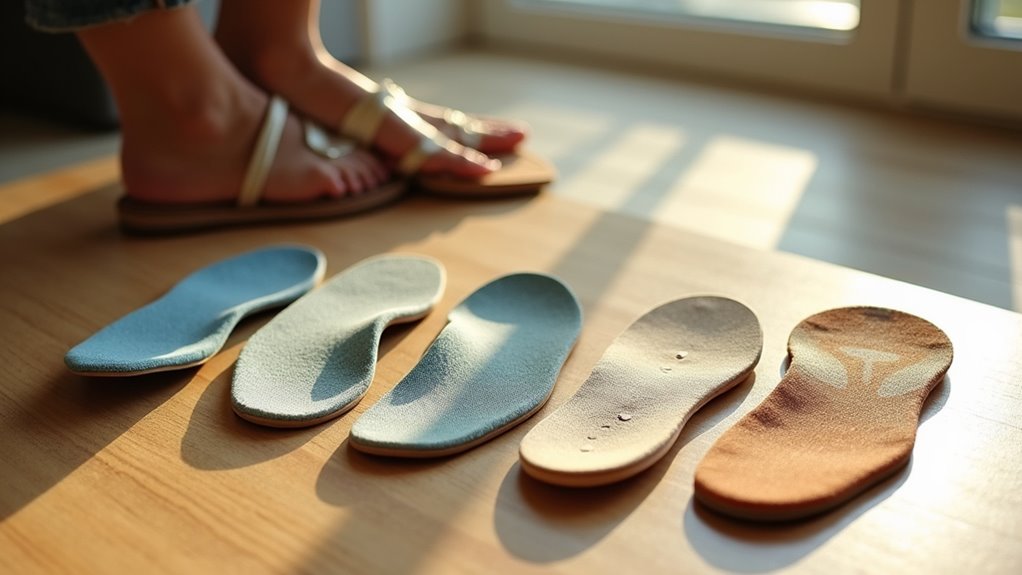
Specialty insoles help your feet feel better, especially if you have certain problems. For plantar fasciitis, look for insoles with semi-rigid or rigid footbeds. These help align your feet and ease pain.
Diabetic insoles provide extra cushioning and reduce pressure. They help avoid serious issues like ulcers and improve blood flow.
Custom orthotics fit your feet perfectly. They correct over-pronation or supination. Healthcare professionals often suggest them for better foot support. Custom orthotics can also help alleviate pain beyond the feet, improving overall comfort and function.
Therapeutic insoles are great for conditions like metatarsalgia or Morton’s neuroma. They include metatarsal pads to lessen pressure on sensitive nerves.
Choosing the right specialty insoles boosts your comfort and foot health. They can make daily activities much easier and pain-free.
Take care of your feet with the right support.
How to Choose the Right Insole
Choosing the right insole greatly improves comfort and foot health. Follow these tips to find the best one for you:
- Arch Type: Identify your arch height—high, medium, or low. This helps in selecting insoles that support your feet properly.
- Firmness Level: Decide on the level of firmness. Rigid insoles provide strong support. Cushioned ones focus on comfort.
- Shoe Type: Make sure the insole fits your shoes. Options include full-length, three-quarter, and those for dress or sports shoes.
Selecting insoles with adequate arch support is crucial for reducing discomfort and enhancing your overall experience on your feet.
These factors make it easier to pick the right insole. A good insole can reduce pain and boost performance.
Take your time and find what works best for you!
Benefits of Using Insoles

Insoles make your feet feel better. They help you stay comfortable all day. Many people find relief from pain, especially with plantar fasciitis.
No more discomfort while walking or standing! For athletes, the right insoles can boost performance. They absorb shock and give energy back with each step. This makes running or playing sports easier.
Using insoles can change how you feel on your feet. Enjoy your daily activities without pain or fatigue. Additionally, adequate arch support in insoles is crucial for enhancing comfort and reducing strain on your feet.
Enhanced Foot Comfort
Here are three benefits of using insoles:
- Arch Support: Cushioned arch supports keep your feet aligned. This helps reduce tiredness during long hours of standing.
- Gel Insoles: These insoles absorb shock well. They work great for running and sports. This means you can stay active without pain.
- Memory Foam Insoles: They mold to your foot shape over time. This reduces pressure points and helps with foot problems. Quality insoles can lead to happier, healthier feet.
Invest in the right insoles for better foot comfort. Your feet will thank you!
Pain Relief Solutions
Foot pain can be tough to handle. The right insoles can truly help. Insoles with arch supports ease pain from conditions such as plantar fasciitis. Cushioned insoles reduce discomfort for people who stand for long hours. They improve shock absorption, making each step easier.
For those with Morton’s neuroma, insoles with metatarsal pads relieve pressure on the forefoot. People with diabetes or arthritis benefit from specially designed insoles. These offer gentle cushioning and improve circulation. This helps prevent foot complications.
Heat-moldable insoles are a great option too. They can be shaped to fit your foot perfectly. This custom fit provides support and boosts comfort. Choosing the right insoles is crucial for addressing specific structural issues, as it can greatly enhance overall foot health.
With these options available, finding relief from foot pain is possible.
Improved Athletic Performance
To improve your athletic performance, using the right insoles can make a big difference. Quality insoles offer important benefits that can help you play better.
Here are three key advantages:
- Support and Stability: Insoles control foot movement. This helps with alignment and lowers injury risk.
- Cushioning and Shock Absorption: Gel insoles provide excellent cushioning. They spread foot pressure evenly and ease pain during intense activities.
- Moisture Management: Special materials keep your feet dry. This boosts comfort and breathability during workouts.
Additionally, regular replacement of insoles is crucial for maintaining their effectiveness and maximizing performance benefits.
Investing in good insoles can help you perform at your best.
Don’t underestimate their impact on your game!
Care and Maintenance of Insoles

Taking care of your insoles keeps them lasting longer and feeling great. Regular maintenance is very important. Always air out your insoles after use, especially after workouts. This helps stop dampness and keeps them fresh.
To clean your insoles, wash them by hand with mild detergent. Let them air dry completely. Using a dryer can harm the material, so avoid it.
Check your insoles often for signs of wear, like cracks or less cushioning. Spotting these issues early means you can replace them before they cause problems.
Proper storage also helps. Keep your insoles in a dry, cool place when you don’t use them.
Following these care tips keeps your insoles supportive and comfortable. Your feet will thank you every day.
Frequently Asked Questions
Can Insoles Help With Knee or Hip Pain?
Insoles can help reduce knee and hip pain. They offer support and cushioning. This leads to better alignment of your body. Even weight distribution lowers pressure on your joints. Shock absorption helps ease discomfort during movement. With the right insoles, you can improve your mobility. Many people find relief from pain and enjoy more active lives.
How Long Do Insoles Typically Last?
Insoles are your reliable partners for comfort. They typically last around 12 months with daily use. The materials and how well you care for them can affect their lifespan. Signs of wear include thinning, cracking, or bad smells. Regularly check your insoles to ensure they still provide support. Replace them when they no longer feel right. This way, you keep your feet happy and healthy.
Are Insoles Suitable for All Shoe Types?
Insoles do not fit all shoe types. Different shoes serve different purposes. Some shoes have special designs that do not allow for insoles. For example, high heels and tight shoes may not have enough space. Athletic shoes often work well with insoles. They can provide extra support and comfort during activities.
Always check the fit before using insoles. They should not make your shoes too tight. A good insole will improve comfort and support. Choose insoles based on the activities you do. This way, you can enjoy your time on your feet.
Can Insoles Be Washed or Cleaned?
Washing insoles is a good idea. Regular cleaning keeps them fresh and odor-free. Follow the care instructions to avoid damage. Use mild soap and warm water. Rinse them well and let them air dry. Avoid direct sunlight or heat, as this can warp them. With a little effort, you can keep your insoles in great shape.
Do I Need to Replace Insoles Regularly?
Replacing insoles regularly is important for comfort and support. Look for signs of wear. Check for cracks or loss of cushioning. Worn-out insoles can lead to foot pain. This is especially true for active people or those with foot issues. New insoles help keep your feet feeling good. They also provide the support you need. Regular replacement can make a big difference in your daily comfort. Make it a habit to check your insoles often. Your feet will thank you!
Conclusion
Insoles provide support for your feet, much like a strong base holds up a house. They come in many types. Each type meets different needs. The right insole can boost comfort and lessen pain.
Caring for insoles is important. Keep them clean and in good shape. With proper support, you can walk farther. Each step will feel lighter and more steady. Pick insoles that fit your shoes well. A good fit helps your feet feel better.
Choosing the right insoles is essential for your foot health. Don’t forget, your feet carry you every day. Treat them right!